Genre
brazilian rock
Top Brazilian rock Artists
Showing 25 of 1,304 artists







About Brazilian rock
Brazilian rock is a dynamic fusion of international rock with Brazil’s own musical moods, rhythms, and poetry. It didn’t spring from a single moment, but grew in waves through the 1960s and beyond, adapting to Brazil’s social climate, censorship, and the restless curiosity of artists. If you listen closely, you hear the country’s samba and baião flirting with electric guitars, bass lines, and rebellious lyrics.
The genre’s birth is often traced to the 1960s, with the Jovem Guarda movement shaping a homegrown rock idiom. In that era, performers like Roberto Carlos, Erasmo Carlos, and Wanderléa popularized catchy, guitar-driven songs that blended rock ’n’ roll with Brazilian pop sensibilities. It was a first, exuberant step toward a national rock vocabulary, even if the sound remained melodic and radio-friendly.
A pivotal turn came with Tropicália (around 1967–1969), a movement that embraced experimentation and cultural cross-pollination. Caetano Veloso and Gilberto Gil led the charge, mixing Brazilian traditions with rock, psychedelia, and avant-garde ideas. Os Mutantes, with their surreal textures and fearless experimentation, became emblematic of this era. Tropicália didn’t just craft new sounds; it challenged conventions and broadened what Brazilian rock could be—more openly political, more sonically restless, and more globally minded.
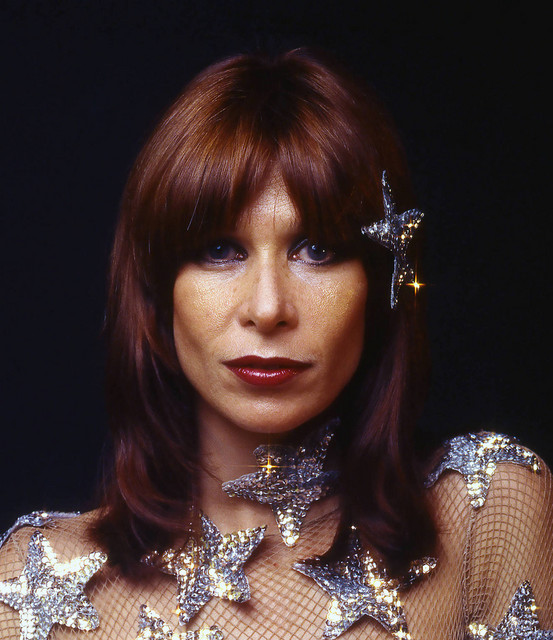
In the 1970s, Brazilian rock found diverse pathways. Raul Seixas became a towering figure, infusing rebellious bite into his guitar-driven anthems and melding rock with mysticism and social critique. Rita Lee, after her early work with Os Mutantes, became a defining voice for a more theatrical, outspoken strand of Brazilian rock. The decade also saw harder-edged and more concept-driven projects, setting the stage for a vibrant 1980s.
The 1980s are often described as the BRock era, when Brazilian rock broke into mainstream consciousness. Bands like Legião Urbana, Titãs, Barão Vermelho, and Paralamas do Sucesso built a robust, guitar-forward sound that spoke to urban youth, with Renato Russo’s literate, introspective lyrics in Legião Urbana and Cazuza’s snarling charisma in Barão Vermelho becoming cultural signposts. This period also produced a broad tapestry of pop-rock and alternative acts—Lulu Santos, Kid Abelha, and many others—while the scene expanded into live arenas and national tours. The term BRock itself captures this moment of domestic rock asserting its own voice in a pop-saturated landscape.
The 1990s and 2000s brought diversification: Brazilian indie and alternative acts—Skank, Charlie Brown Jr., Pato Fu, Los Hermanos, and a host of others—pushed rock into new textures, from reggae-infused grooves to introspective, acoustic-leaning explorations. While metal has its heroes in Brazil as well, this era cemented Brazilian rock as a flexible, multi-genre ecosystem.
Today, Brazilian rock remains Brazil’s loud, melodic passport. It is most popular in Brazil, where it continues to produce stadium-filling anthems and intimate studio projects alike. It also has committed audiences in Portugal and other Portuguese-speaking communities, as well as in parts of Latin America and Europe, where festival circuits and streaming have kept the genre’s energy alive. For enthusiasts, Brazilian rock offers a lineage of fearless experimentation, intelligent lyricism, and a stubborn, joyful insistence on making a sound that is unmistakably Brazilian.
The genre’s birth is often traced to the 1960s, with the Jovem Guarda movement shaping a homegrown rock idiom. In that era, performers like Roberto Carlos, Erasmo Carlos, and Wanderléa popularized catchy, guitar-driven songs that blended rock ’n’ roll with Brazilian pop sensibilities. It was a first, exuberant step toward a national rock vocabulary, even if the sound remained melodic and radio-friendly.
A pivotal turn came with Tropicália (around 1967–1969), a movement that embraced experimentation and cultural cross-pollination. Caetano Veloso and Gilberto Gil led the charge, mixing Brazilian traditions with rock, psychedelia, and avant-garde ideas. Os Mutantes, with their surreal textures and fearless experimentation, became emblematic of this era. Tropicália didn’t just craft new sounds; it challenged conventions and broadened what Brazilian rock could be—more openly political, more sonically restless, and more globally minded.
In the 1970s, Brazilian rock found diverse pathways. Raul Seixas became a towering figure, infusing rebellious bite into his guitar-driven anthems and melding rock with mysticism and social critique. Rita Lee, after her early work with Os Mutantes, became a defining voice for a more theatrical, outspoken strand of Brazilian rock. The decade also saw harder-edged and more concept-driven projects, setting the stage for a vibrant 1980s.
The 1980s are often described as the BRock era, when Brazilian rock broke into mainstream consciousness. Bands like Legião Urbana, Titãs, Barão Vermelho, and Paralamas do Sucesso built a robust, guitar-forward sound that spoke to urban youth, with Renato Russo’s literate, introspective lyrics in Legião Urbana and Cazuza’s snarling charisma in Barão Vermelho becoming cultural signposts. This period also produced a broad tapestry of pop-rock and alternative acts—Lulu Santos, Kid Abelha, and many others—while the scene expanded into live arenas and national tours. The term BRock itself captures this moment of domestic rock asserting its own voice in a pop-saturated landscape.
The 1990s and 2000s brought diversification: Brazilian indie and alternative acts—Skank, Charlie Brown Jr., Pato Fu, Los Hermanos, and a host of others—pushed rock into new textures, from reggae-infused grooves to introspective, acoustic-leaning explorations. While metal has its heroes in Brazil as well, this era cemented Brazilian rock as a flexible, multi-genre ecosystem.
Today, Brazilian rock remains Brazil’s loud, melodic passport. It is most popular in Brazil, where it continues to produce stadium-filling anthems and intimate studio projects alike. It also has committed audiences in Portugal and other Portuguese-speaking communities, as well as in parts of Latin America and Europe, where festival circuits and streaming have kept the genre’s energy alive. For enthusiasts, Brazilian rock offers a lineage of fearless experimentation, intelligent lyricism, and a stubborn, joyful insistence on making a sound that is unmistakably Brazilian.