Data may be outdated
Last updated: 9 months ago — Click refresh to get the latest statistics.
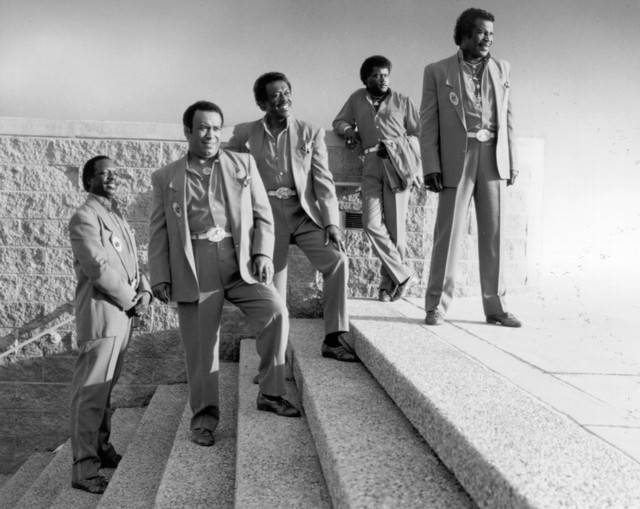
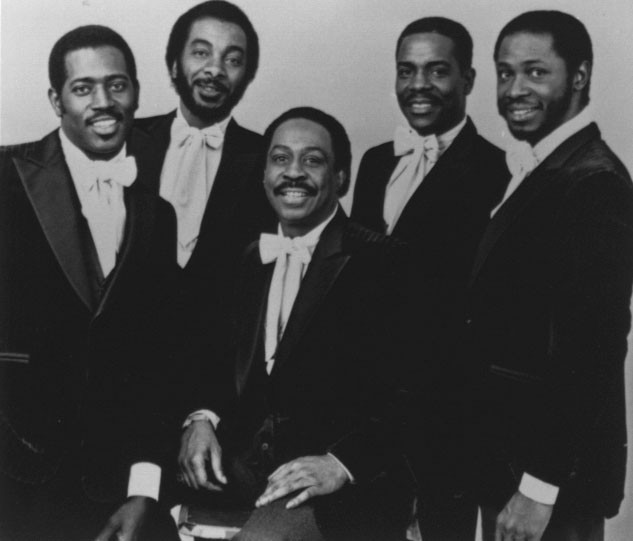
Harold Melvin was one of the driving forces behind Philadelphia soul, leading his group <a href="spotify:artist:438JBZR1AR0l04AzcYW9gy">the Blue Notes</a> to the top of the charts during their stint on <a href="spotify:artist:0TEdanYTgQdUgNBPjK2vXI">Kenny Gamble</a> and <a href="spotify:artist:24uSOCTYbMPqL1B56WYT7T">Leon Huff</a>'s Philadelphia International label. Despite Melvin's billing out front, <a href="spotify:artist:438JBZR1AR0l04AzcYW9gy">the Blue Notes</a>' focal point was lead singer and onetime drummer <a href="spotify:artist:68kACMx6A3D2BYiO056MeQ">Teddy Pendergrass</a>, whose surging baritone graced <a href="spotify:artist:438JBZR1AR0l04AzcYW9gy">the Blue Notes</a>' recordings during their glory years of 1972-1975 and gave them a truly distinctive sound. Their output ranged from sweeping, extended proto-disco dance tracks to silky, smoldering ballads, all wrapped up in <a href="spotify:artist:0TEdanYTgQdUgNBPjK2vXI">Gamble</a> and <a href="spotify:artist:24uSOCTYbMPqL1B56WYT7T">Huff</a>'s lushly orchestrated production. When <a href="spotify:artist:68kACMx6A3D2BYiO056MeQ">Pendergrass</a> left for a solo career, <a href="spotify:artist:438JBZR1AR0l04AzcYW9gy">Melvin & the Blue Notes</a>' commercial fortunes largely reverted to the pre-<a href="spotify:artist:68kACMx6A3D2BYiO056MeQ">Pendergrass</a> days (of which there were quite a few), although they did continue to record for a time. They never really disbanded, and by the time Melvin passed away in 1997, he'd been leading <a href="spotify:artist:438JBZR1AR0l04AzcYW9gy">the Blue Notes</a> for over four decades.
Melvin was born June 25, 1939, in Philadelphia. A self-taught pianist, he began singing doo wop as a teenager with a group called the Charlemagnes, and put together the very first edition of <a href="spotify:artist:438JBZR1AR0l04AzcYW9gy">the Blue Notes</a> in 1954. The original lineup was a quintet featuring Melvin as the lead singer (for a time), songwriter, arranger, and choreographer; ironically, he would mostly relinquish those duties by the time the group achieved its greatest success. The Blue Notes cut their first single, "If You Love Me," for Josie in 1956, and scored R&B chart hits in 1960 with "My Hero" and again in 1965 with "Get Out (And Let Me Cry)." Numerous personnel shifts kept the group in flux despite steady recording activity, and Melvin kept assembling new versions of <a href="spotify:artist:438JBZR1AR0l04AzcYW9gy">the Blue Notes</a>. During the late '60s, the group toured often with <a href="spotify:artist:5ye4TzZU2L7cxiQgCZoJUH">the Cadillacs</a>, whose young drummer <a href="spotify:artist:68kACMx6A3D2BYiO056MeQ">Teddy Pendergrass</a> would prove to be Melvin's greatest discovery.
<a href="spotify:artist:68kACMx6A3D2BYiO056MeQ">Pendergrass</a> first joined <a href="spotify:artist:438JBZR1AR0l04AzcYW9gy">the Blue Notes</a>' backing band, but demonstrated so much vocal talent that Melvin soon elevated him to the post of lead singer. This move helped them land a deal with <a href="spotify:artist:0TEdanYTgQdUgNBPjK2vXI">Gamble</a> and <a href="spotify:artist:24uSOCTYbMPqL1B56WYT7T">Huff</a>'s Philadelphia International label in 1972, just as the company was taking its place as soul music's new epicenter. With <a href="spotify:artist:0TEdanYTgQdUgNBPjK2vXI">Gamble</a> and <a href="spotify:artist:24uSOCTYbMPqL1B56WYT7T">Huff</a> now supplying top-quality material and production, <a href="spotify:artist:438JBZR1AR0l04AzcYW9gy">Harold Melvin & the Blue Notes</a> would become one of the most popular groups in R&B over the next few years. They ran off a string of hits and topped the R&B charts with the classic ballad "If You Don't Know Me By Now" (1972), the string-laden dance track "The Love I Lost" (1973), a duet with Melvin discovery Sharon Paige called "Hope That We Can Be Together Soon" (1975), and "Wake Up Everybody" (also 1975). By that time, tension was building within the group. The heavily spotlighted <a href="spotify:artist:68kACMx6A3D2BYiO056MeQ">Pendergrass</a> was hungry for separate billing, but Melvin, still the group's chief organizing force, turned him down. In 1976, <a href="spotify:artist:68kACMx6A3D2BYiO056MeQ">Pendergrass</a> left <a href="spotify:artist:438JBZR1AR0l04AzcYW9gy">the Blue Notes</a> for a solo career, which signaled the end of Melvin's relationship with Philadelphia International. Melvin soldiered on, helming several more albums of new material for several labels up through 1984, although his group only managed one more significant hit, 1977's "Reaching for the World." Melvin continued to tour with versions of <a href="spotify:artist:438JBZR1AR0l04AzcYW9gy">the Blue Notes</a> steadily into the '90s. Sadly, he suffered a stroke and never fully recovered; he passed away on March 24, 1997, in his beloved hometown of Philadelphia. ~ Steve Huey, Rovi
Melvin was born June 25, 1939, in Philadelphia. A self-taught pianist, he began singing doo wop as a teenager with a group called the Charlemagnes, and put together the very first edition of <a href="spotify:artist:438JBZR1AR0l04AzcYW9gy">the Blue Notes</a> in 1954. The original lineup was a quintet featuring Melvin as the lead singer (for a time), songwriter, arranger, and choreographer; ironically, he would mostly relinquish those duties by the time the group achieved its greatest success. The Blue Notes cut their first single, "If You Love Me," for Josie in 1956, and scored R&B chart hits in 1960 with "My Hero" and again in 1965 with "Get Out (And Let Me Cry)." Numerous personnel shifts kept the group in flux despite steady recording activity, and Melvin kept assembling new versions of <a href="spotify:artist:438JBZR1AR0l04AzcYW9gy">the Blue Notes</a>. During the late '60s, the group toured often with <a href="spotify:artist:5ye4TzZU2L7cxiQgCZoJUH">the Cadillacs</a>, whose young drummer <a href="spotify:artist:68kACMx6A3D2BYiO056MeQ">Teddy Pendergrass</a> would prove to be Melvin's greatest discovery.
<a href="spotify:artist:68kACMx6A3D2BYiO056MeQ">Pendergrass</a> first joined <a href="spotify:artist:438JBZR1AR0l04AzcYW9gy">the Blue Notes</a>' backing band, but demonstrated so much vocal talent that Melvin soon elevated him to the post of lead singer. This move helped them land a deal with <a href="spotify:artist:0TEdanYTgQdUgNBPjK2vXI">Gamble</a> and <a href="spotify:artist:24uSOCTYbMPqL1B56WYT7T">Huff</a>'s Philadelphia International label in 1972, just as the company was taking its place as soul music's new epicenter. With <a href="spotify:artist:0TEdanYTgQdUgNBPjK2vXI">Gamble</a> and <a href="spotify:artist:24uSOCTYbMPqL1B56WYT7T">Huff</a> now supplying top-quality material and production, <a href="spotify:artist:438JBZR1AR0l04AzcYW9gy">Harold Melvin & the Blue Notes</a> would become one of the most popular groups in R&B over the next few years. They ran off a string of hits and topped the R&B charts with the classic ballad "If You Don't Know Me By Now" (1972), the string-laden dance track "The Love I Lost" (1973), a duet with Melvin discovery Sharon Paige called "Hope That We Can Be Together Soon" (1975), and "Wake Up Everybody" (also 1975). By that time, tension was building within the group. The heavily spotlighted <a href="spotify:artist:68kACMx6A3D2BYiO056MeQ">Pendergrass</a> was hungry for separate billing, but Melvin, still the group's chief organizing force, turned him down. In 1976, <a href="spotify:artist:68kACMx6A3D2BYiO056MeQ">Pendergrass</a> left <a href="spotify:artist:438JBZR1AR0l04AzcYW9gy">the Blue Notes</a> for a solo career, which signaled the end of Melvin's relationship with Philadelphia International. Melvin soldiered on, helming several more albums of new material for several labels up through 1984, although his group only managed one more significant hit, 1977's "Reaching for the World." Melvin continued to tour with versions of <a href="spotify:artist:438JBZR1AR0l04AzcYW9gy">the Blue Notes</a> steadily into the '90s. Sadly, he suffered a stroke and never fully recovered; he passed away on March 24, 1997, in his beloved hometown of Philadelphia. ~ Steve Huey, Rovi
Monthly Listeners
7,658
Monthly Listeners History
Track the evolution of monthly listeners over the last 28 days.
Followers
7,547
Followers History
Track the evolution of followers over the last 28 days.
Top Cities
373 listeners

348 listeners

193 listeners
171 listeners
114 listeners
Related Artists





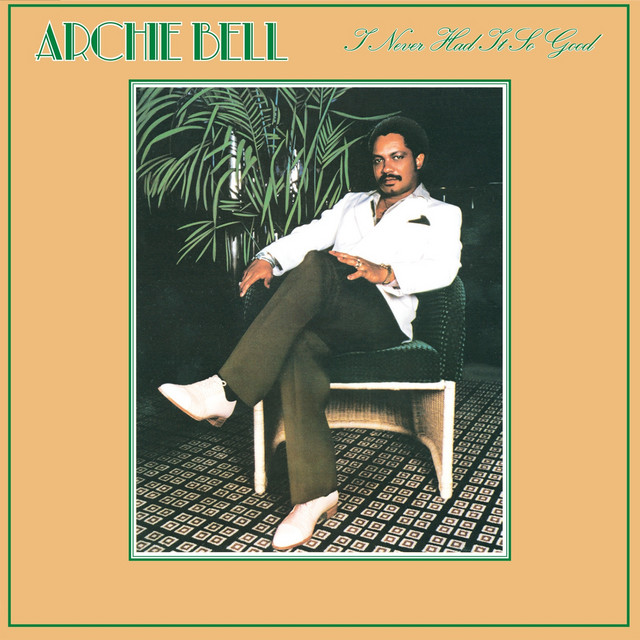
Archie Bell