Data may be outdated
Last updated: 9 months ago — Click refresh to get the latest statistics.
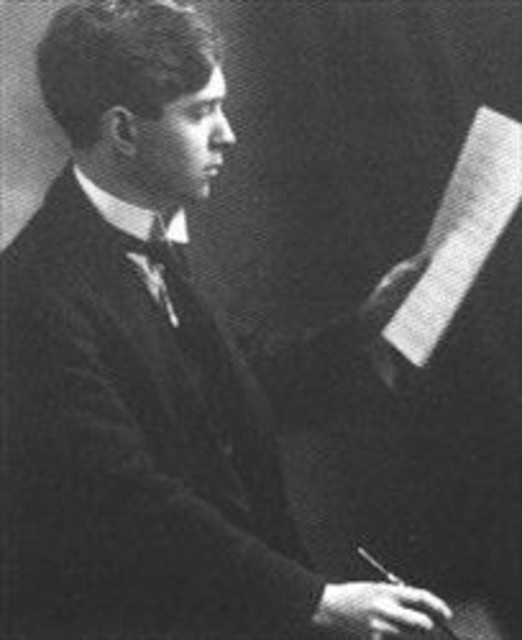
Herbert Howells decided at a young age that he wanted to compose music and then sought out musical training. His most important teacher was the cathedral organist at Gloucester, <a href="spotify:artist:0IVGW1SDkz0AcmRrHM5o2i">Herbert Brewer</a>, and he became <a href="spotify:artist:0IVGW1SDkz0AcmRrHM5o2i">Brewer</a>'s assistant. At the age of 20, he entered and won an open scholarship competition at the Royal College of Music.
His main teachers were <a href="spotify:artist:2uEZLTKbjB91a6V1xw65Xn">Charles Wood</a> in counterpoint and <a href="spotify:artist:1g5nZfwrmjGs2wLKi3XHk2">Charles Villiers Stanford</a> in composition. He is said to have been <a href="spotify:artist:1g5nZfwrmjGs2wLKi3XHk2">Stanford</a>'s favorite pupil and <a href="spotify:artist:1g5nZfwrmjGs2wLKi3XHk2">Stanford</a> conducted Howells' Piano concerto No. 1 at a Queen's Hall concert in 1913. Meanwhile, Howells' Mass in Dorian Mode was sung in Westminster Cathedral. In 1916, his piano quintet became the first work to be published under the Carnegie Trust.
He obtained a position as a sub-organist at Salisbury Cathedral, but had to give it up because of ill health, which had already kept him out of military service during World War I. He was not expected to live, but did recover and in 1920 was able to resume his career. He started teaching composition at the Royal College of Music in 1920.
His compositional style quickly emerged: it is in the tradition of modal, folk-based music that is sometimes called "English pastoralist," continuing the trends of <a href="spotify:artist:430byzy0c5bPn5opiu0SRd">Elgar</a> and <a href="spotify:artist:7wNkISK49lKeXuRaZcQVFe">Ralph Vaughan Williams</a>. His imagination was often stimulated by particular places and by people he knew. This holds true even for his large body of church music, which was not inspired by religious sentiments ("I am not a religious man any more than <a href="spotify:artist:7wNkISK49lKeXuRaZcQVFe">Ralph</a> was," he once said). It is probable that he wrote so much church music simply because he liked choral writing and his style is rich and melodic.
Although he wrote a substantial amount of fine instrumental and orchestral music, his choral and other vocal music is considered the work most likely to keep his memory alive. His masterwork is usually considered to be the Hymnus paradisi, a quasi-requiem he wrote out of the grief suffered when he lost his nine-year-old son in 1938. It is a visionary work, with the kind of deep but quiet feeling that is also associated with <a href="spotify:artist:65YhYi4Fz5Ibgq7ueev2Rm">Frederick Delius</a>.
He received other teaching appoinments as well. After <a href="spotify:artist:5B7uXBeLc2TkR5Jk23qKIZ">Holst</a>'s death in 1934, Howells was chosen to succeed him as director of music at St. Paul's School and in 1954, he was named King Edward VII Professor of Music at the University of London. He was made Commander of the British Empire in 1953 by Queen Elizabeth II. He retired from his St. Paul's position and the University of London post in 1964, but retained his professorship at the Royal College of Music and held classes there almost right up to his death at the age of 90.
His main teachers were <a href="spotify:artist:2uEZLTKbjB91a6V1xw65Xn">Charles Wood</a> in counterpoint and <a href="spotify:artist:1g5nZfwrmjGs2wLKi3XHk2">Charles Villiers Stanford</a> in composition. He is said to have been <a href="spotify:artist:1g5nZfwrmjGs2wLKi3XHk2">Stanford</a>'s favorite pupil and <a href="spotify:artist:1g5nZfwrmjGs2wLKi3XHk2">Stanford</a> conducted Howells' Piano concerto No. 1 at a Queen's Hall concert in 1913. Meanwhile, Howells' Mass in Dorian Mode was sung in Westminster Cathedral. In 1916, his piano quintet became the first work to be published under the Carnegie Trust.
He obtained a position as a sub-organist at Salisbury Cathedral, but had to give it up because of ill health, which had already kept him out of military service during World War I. He was not expected to live, but did recover and in 1920 was able to resume his career. He started teaching composition at the Royal College of Music in 1920.
His compositional style quickly emerged: it is in the tradition of modal, folk-based music that is sometimes called "English pastoralist," continuing the trends of <a href="spotify:artist:430byzy0c5bPn5opiu0SRd">Elgar</a> and <a href="spotify:artist:7wNkISK49lKeXuRaZcQVFe">Ralph Vaughan Williams</a>. His imagination was often stimulated by particular places and by people he knew. This holds true even for his large body of church music, which was not inspired by religious sentiments ("I am not a religious man any more than <a href="spotify:artist:7wNkISK49lKeXuRaZcQVFe">Ralph</a> was," he once said). It is probable that he wrote so much church music simply because he liked choral writing and his style is rich and melodic.
Although he wrote a substantial amount of fine instrumental and orchestral music, his choral and other vocal music is considered the work most likely to keep his memory alive. His masterwork is usually considered to be the Hymnus paradisi, a quasi-requiem he wrote out of the grief suffered when he lost his nine-year-old son in 1938. It is a visionary work, with the kind of deep but quiet feeling that is also associated with <a href="spotify:artist:65YhYi4Fz5Ibgq7ueev2Rm">Frederick Delius</a>.
He received other teaching appoinments as well. After <a href="spotify:artist:5B7uXBeLc2TkR5Jk23qKIZ">Holst</a>'s death in 1934, Howells was chosen to succeed him as director of music at St. Paul's School and in 1954, he was named King Edward VII Professor of Music at the University of London. He was made Commander of the British Empire in 1953 by Queen Elizabeth II. He retired from his St. Paul's position and the University of London post in 1964, but retained his professorship at the Royal College of Music and held classes there almost right up to his death at the age of 90.
Monthly Listeners
326,201
Monthly Listeners History
Track the evolution of monthly listeners over the last 28 days.
Followers
4,144
Followers History
Track the evolution of followers over the last 28 days.
Top Cities
17,968 listeners

2,678 listeners

2,631 listeners
2,543 listeners

2,103 listeners
Related Artists
The Choir of Magdalen College, Oxford

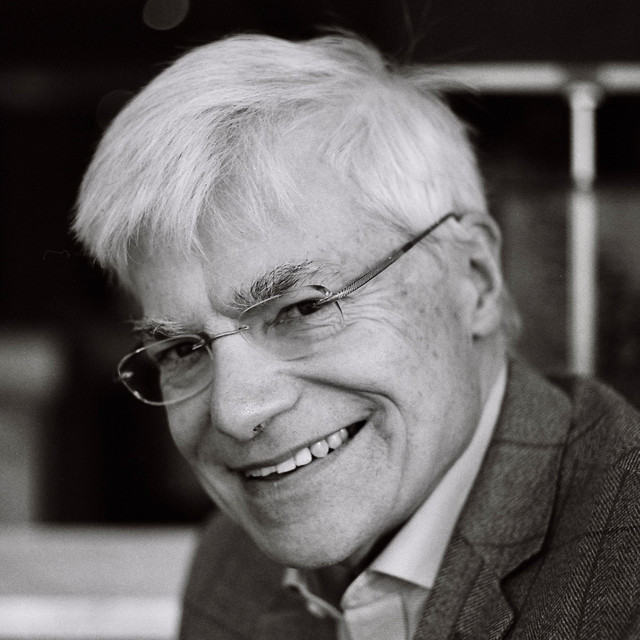
Jacob Herbert
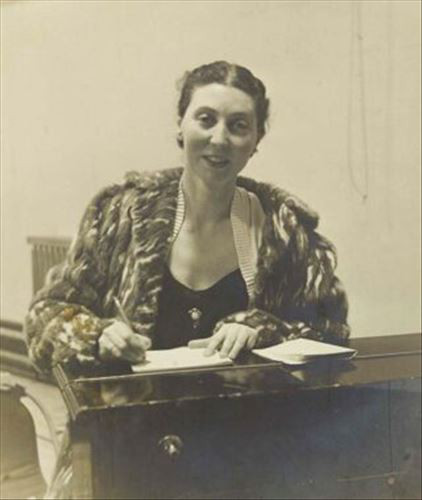
Elizabeth Poston

Kenneth Leighton
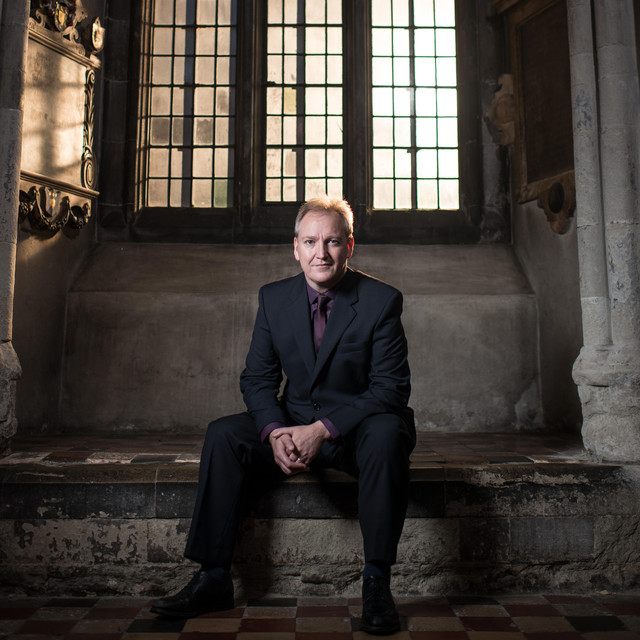



Sioned Williams

Dale Warland

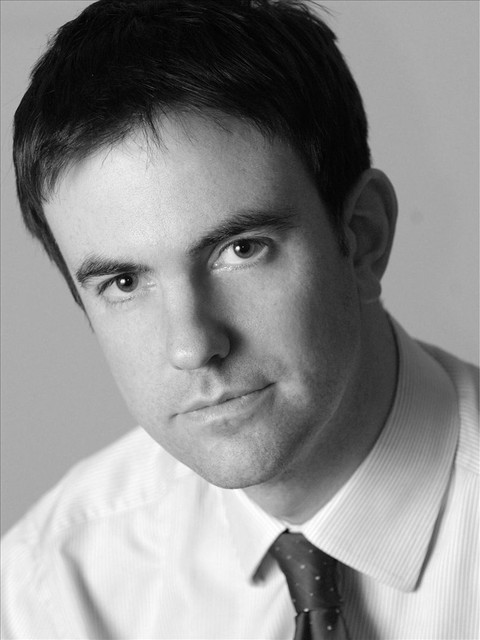
Boris Ord
John Joubert



Owen Burdick
The Sixteen / Harry Christophers
Peter Cornelius


Bill Ives