Data may be outdated
Last updated: 8 months ago — Click refresh to get the latest statistics.
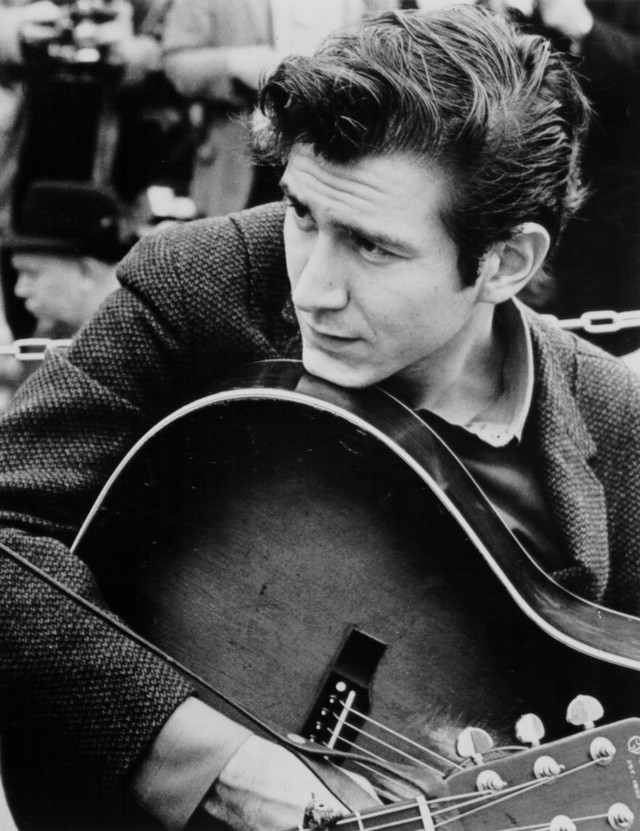
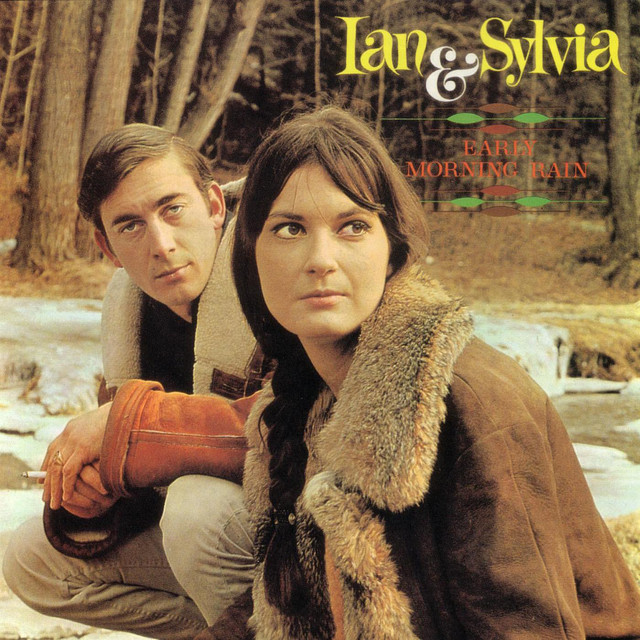
One of the most popular acts of the early-'60s folk revival, Canadian duo <a href="spotify:artist:20UltlhZa5iKdeQeEpdiX9">Ian Tyson</a> and <a href="spotify:artist:1glGHFu5fTfJN0yJHm0B5a">Sylvia Tyson</a> made several fine albums that spotlighted their stirring harmonies on a mixture of traditional and contemporary material. While these recordings can seem a tad earnest and dated today, they were overlooked influences upon early folk-rockers such as <a href="spotify:artist:2qFr8w5sWUITRlzZ9kZotF">the Jefferson Airplane</a>, <a href="spotify:artist:1XICntAIOLc3OPozkykv39">the We Five</a>, <a href="spotify:artist:1bs7HoMkSyQwcobCpE9KpN">the Mamas and the Papas</a>, and <a href="spotify:artist:2LIdnZDzySb04oH40be1fR">Fairport Convention</a>, all of whom utilized similar blends of male/female lead/harmony vocals. They were also inspirations to fellow Canadian singer/songwriters such as <a href="spotify:artist:6v8FB84lnmJs434UJf2Mrm">Neil Young</a>, <a href="spotify:artist:5hW4L92KnC6dX9t7tYM4Ve">Joni Mitchell</a>, and <a href="spotify:artist:23rleGXVOVVgTk3xgtmfE4">Gordon Lightfoot</a>. Like most acoustic folkies, after the mid-'60s they moved into folk-rock and country-rock, though the results were less impressive than their early work.
<a href="spotify:artist:20UltlhZa5iKdeQeEpdiX9">Tyson</a> took up folk music in his twenties while convalescing from a rodeo injury, and teamed up with Sylvia Fricker after moving to Toronto in the late '50s. In 1960, they moved to New York, where they were signed by Albert Grossman, famous for managing <a href="spotify:artist:74ASZWbe4lXaubB36ztrGX">Bob Dylan</a> and <a href="spotify:artist:6yrBBtqX2gKCHCrZOYBDrB">Peter, Paul, and Mary</a>. Their self-titled debut (1962) began a successful series of recordings for <a href="spotify:search:label%3A%22Vanguard%22">Vanguard</a>, on which they helped expand the range of folk by adding bass (sometimes played by Spike Lee's father <a href="spotify:artist:2GYDdjFOEdHrdLh50r5iFQ">Bill</a>) and mandolin to <a href="spotify:artist:20UltlhZa5iKdeQeEpdiX9">Ian</a>'s guitar and <a href="spotify:artist:1glGHFu5fTfJN0yJHm0B5a">Sylvia</a>'s autoharp. Just as crucially, they ranged far afield for their repertoire, which encompassed not just traditional folk ballads, but bluegrass, country, spirituals, blues, hillbilly, gospel, and French-Canadian songs.
Ian & Sylvia were among the first to cover songs by <a href="spotify:artist:74ASZWbe4lXaubB36ztrGX">Dylan</a>, <a href="spotify:artist:23rleGXVOVVgTk3xgtmfE4">Lightfoot</a>, <a href="spotify:artist:5hW4L92KnC6dX9t7tYM4Ve">Joni Mitchell</a>, and <a href="spotify:artist:3JhQGw54MOytJP3GZ8KNPo">Phil Ochs</a>, and also began writing material of their own. Although original compositions were never at the forefront of their early LPs, a couple of them would become very influential indeed. <a href="spotify:artist:20UltlhZa5iKdeQeEpdiX9">Ian</a>'s "Four Strong Winds" would be covered by <a href="spotify:artist:4QmkLL9JOqM9dusHS1Hghe">the Searchers</a> and (in the '70s) <a href="spotify:artist:6v8FB84lnmJs434UJf2Mrm">Neil Young</a>, and <a href="spotify:artist:1glGHFu5fTfJN0yJHm0B5a">Sylvia</a>'s "You Were on My Mind," given a far poppier treatment by <a href="spotify:artist:1XICntAIOLc3OPozkykv39">the We Five</a>, became one of the first big folk-rock hits.
By 1966, Ian & Sylvia had started to rely primarily on original material, and begun to use electric instruments. While some of these tracks were outstanding, generally their folk-rock lacked the focus and consistency of their acoustic recordings. In the late '60s, they would take stabs at country-rock and straight country music, even hooking up with young producer <a href="spotify:artist:0Lpr5wXzWLtDWm1SjNbpPb">Todd Rundgren</a> for the 1970 album Great Speckled Bird. The quality of their records, and the size of their audience, declined steadily after they ended their association with <a href="spotify:search:label%3A%22Vanguard%22">Vanguard</a> in 1967. In the '70s, they split up, professionally and personally (they had married in 1964). Both pursued solo careers: <a href="spotify:artist:20UltlhZa5iKdeQeEpdiX9">Ian</a>'s was far more successful, as he moved into country music, recording albums of songs with cowboy and rodeo themes that received much popular and critical acclaim in Canada. Ian Tyson died on December 29, 2022 in Longview, Alberta, Canada after struggling with cardiac illness. He was 89 years of age. ~ Richie Unterberger, Rovi
<a href="spotify:artist:20UltlhZa5iKdeQeEpdiX9">Tyson</a> took up folk music in his twenties while convalescing from a rodeo injury, and teamed up with Sylvia Fricker after moving to Toronto in the late '50s. In 1960, they moved to New York, where they were signed by Albert Grossman, famous for managing <a href="spotify:artist:74ASZWbe4lXaubB36ztrGX">Bob Dylan</a> and <a href="spotify:artist:6yrBBtqX2gKCHCrZOYBDrB">Peter, Paul, and Mary</a>. Their self-titled debut (1962) began a successful series of recordings for <a href="spotify:search:label%3A%22Vanguard%22">Vanguard</a>, on which they helped expand the range of folk by adding bass (sometimes played by Spike Lee's father <a href="spotify:artist:2GYDdjFOEdHrdLh50r5iFQ">Bill</a>) and mandolin to <a href="spotify:artist:20UltlhZa5iKdeQeEpdiX9">Ian</a>'s guitar and <a href="spotify:artist:1glGHFu5fTfJN0yJHm0B5a">Sylvia</a>'s autoharp. Just as crucially, they ranged far afield for their repertoire, which encompassed not just traditional folk ballads, but bluegrass, country, spirituals, blues, hillbilly, gospel, and French-Canadian songs.
Ian & Sylvia were among the first to cover songs by <a href="spotify:artist:74ASZWbe4lXaubB36ztrGX">Dylan</a>, <a href="spotify:artist:23rleGXVOVVgTk3xgtmfE4">Lightfoot</a>, <a href="spotify:artist:5hW4L92KnC6dX9t7tYM4Ve">Joni Mitchell</a>, and <a href="spotify:artist:3JhQGw54MOytJP3GZ8KNPo">Phil Ochs</a>, and also began writing material of their own. Although original compositions were never at the forefront of their early LPs, a couple of them would become very influential indeed. <a href="spotify:artist:20UltlhZa5iKdeQeEpdiX9">Ian</a>'s "Four Strong Winds" would be covered by <a href="spotify:artist:4QmkLL9JOqM9dusHS1Hghe">the Searchers</a> and (in the '70s) <a href="spotify:artist:6v8FB84lnmJs434UJf2Mrm">Neil Young</a>, and <a href="spotify:artist:1glGHFu5fTfJN0yJHm0B5a">Sylvia</a>'s "You Were on My Mind," given a far poppier treatment by <a href="spotify:artist:1XICntAIOLc3OPozkykv39">the We Five</a>, became one of the first big folk-rock hits.
By 1966, Ian & Sylvia had started to rely primarily on original material, and begun to use electric instruments. While some of these tracks were outstanding, generally their folk-rock lacked the focus and consistency of their acoustic recordings. In the late '60s, they would take stabs at country-rock and straight country music, even hooking up with young producer <a href="spotify:artist:0Lpr5wXzWLtDWm1SjNbpPb">Todd Rundgren</a> for the 1970 album Great Speckled Bird. The quality of their records, and the size of their audience, declined steadily after they ended their association with <a href="spotify:search:label%3A%22Vanguard%22">Vanguard</a> in 1967. In the '70s, they split up, professionally and personally (they had married in 1964). Both pursued solo careers: <a href="spotify:artist:20UltlhZa5iKdeQeEpdiX9">Ian</a>'s was far more successful, as he moved into country music, recording albums of songs with cowboy and rodeo themes that received much popular and critical acclaim in Canada. Ian Tyson died on December 29, 2022 in Longview, Alberta, Canada after struggling with cardiac illness. He was 89 years of age. ~ Richie Unterberger, Rovi
Monthly Listeners
75,567
Monthly Listeners History
Track the evolution of monthly listeners over the last 28 days.
Followers
34,004
Followers History
Track the evolution of followers over the last 28 days.
Top Cities
1,511 listeners

1,241 listeners
899 listeners
852 listeners
819 listeners
Related Artists
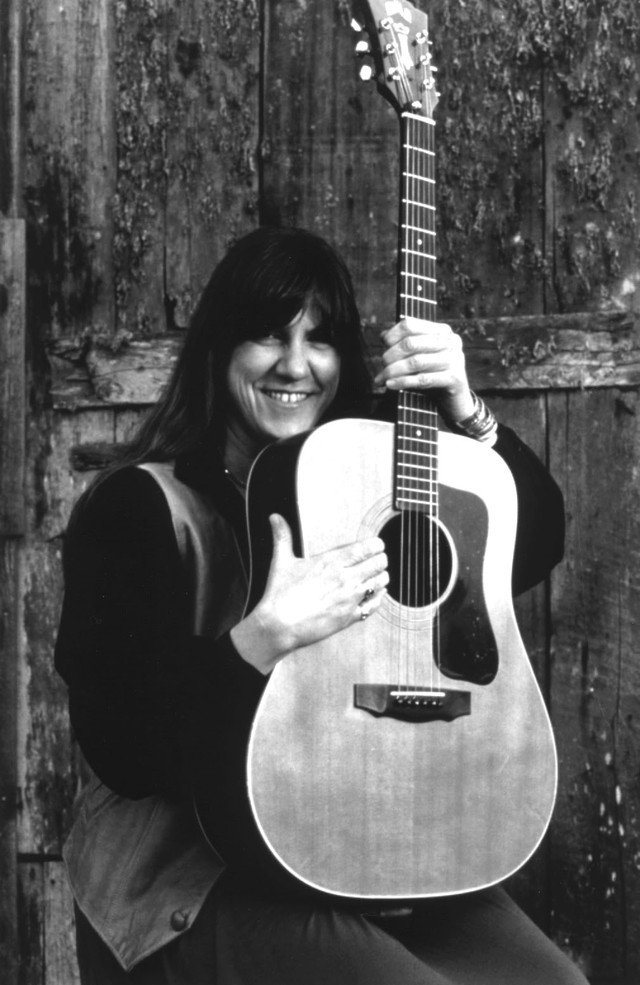
Mary McCaslin
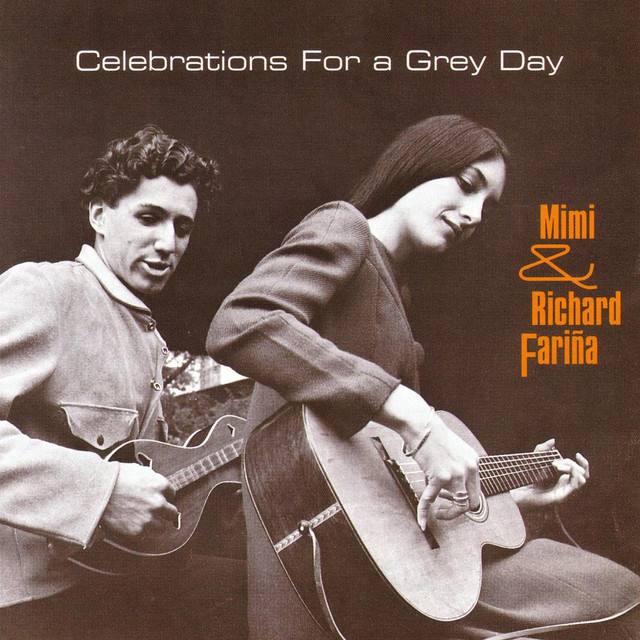

Mimi Fariña

Jim & Ingrid Croce

Ian Matthews