Genre
folk rock
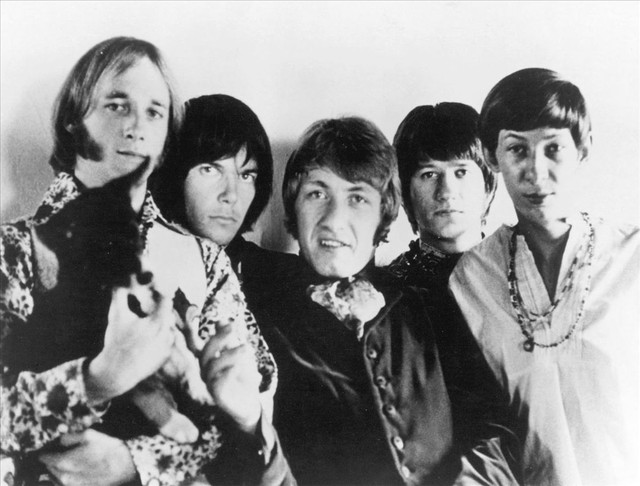
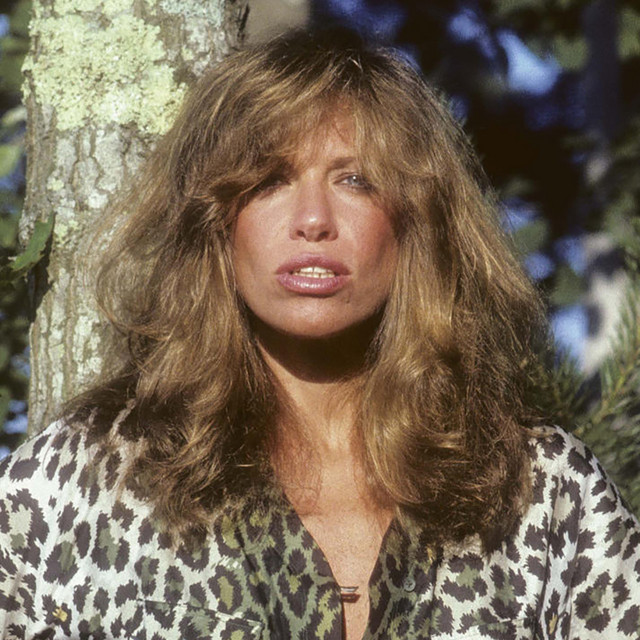
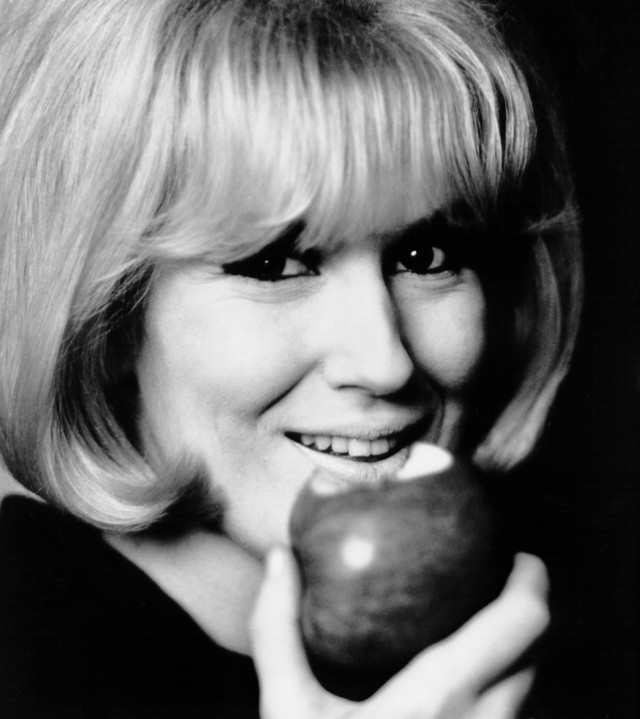
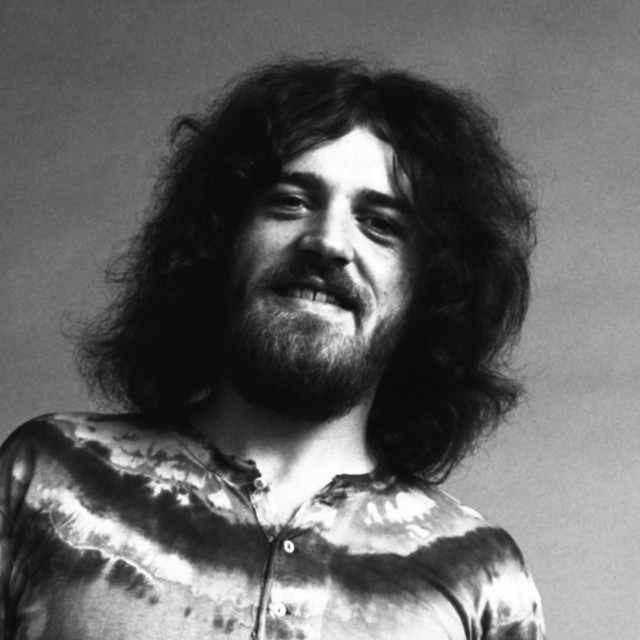
Top Folk rock Artists
Showing 25 of 1,002 artists


About Folk rock
Folk rock is a hybrid genre that fuses the storytelling and acoustic textures of traditional folk with the energy, rhythms, and instrumental punch of rock. It emerged in the mid-1960s, primarily in the United States and the United Kingdom, as artists began to blend protest-era folk’s lyrical urgency with electric guitars, drums, and a rock-based sonic drive. The result was a sound that could carry social commentary as deftly as a jangly melody or a soaring vocal harmony.
Origins and turning points. The critical spark often cited is Bob Dylan’s electric shift in 1965, most famously at the Newport Folk Festival, where his move toward amplified folk-rock forever changed the landscape. The same year The Byrds translated Dylan’s folk-rooted melodies into a bright, electric, 12‑string-driven “ jangly” rock template on tracks like Mr. Tambourine Man. This combination—folk’s lyrical focus and rock’s rhythmic propulsion—became the template for countless bands to follow. The genre quickly solidified in both sides of the Atlantic, with emergent scenes in the U.S. and a vibrant British counterpoint that would birth what critics call “British folk rock.”
Ambassadors and key artists. In the United States, The Byrds are often hailed as archetypal folk rock pioneers, alongside Bob Dylan and later Crosby, Stills, Nash & Young, whose three- and four-part harmonies framed a more expansive, harmonically rich folk-rock sound. Simon & Garfunkel, while frequently labeled folk, helped popularize the more contemplative, song-centered approach that sits at the core of the genre. In the British scene, Fairport Convention became a touchstone with their 1969 album Liege & Lief, which fused traditional English folk tunes with electric rock instrumentation and virtuosic playing. Other influential acts include Pentangle, who blended folk with jazz textures and intricate guitar work, and the psychedelic folk of the Incredible String Band, which broadened folk rock’s sonic palette. In the singer-songwriter vein, artists such as Joni Mitchell and Nick Drake—though not strictly rock acts—also pushed folk into more adventurous, guitar-centered, and lyrically intimate territory that fed back into the broader folk-rock milieu.
Sound and influences. Folk rock thrives on juxtaposing acoustic flavors with rock’s propulsion: electric guitars, bass, drums, and sometimes orchestral textures sit alongside traditional melodies, social commentary, and intimate lyrics. The “jangly” guitar tone associated with The Byrds became a sonic shorthand for the era, while harmonies—often three or four voices—became a defining weapon in the genre’s arsenal. Over time, folk rock branched into related currents: country-infused folk rock, more orchestral or jazz-tinged folk, and later indie folk and Americana that carried the same DNA into new decades.
Geographical footprint. Folk rock’s heartland remains the United States and the United Kingdom, where the movement began and left the deepest imprint. It also found fertile ground in Canada and parts of Western Europe and Australia, where musicians absorbed the form and reinterpreted it through local folk traditions and contemporary sensibilities.
Today, folk rock endures as a historical hinge and a living genre. It’s a lens for listeners who relish storytelling with musical nuance, and a reminder of how a shared passion for roots can spark a new, electrified voice. If you’re exploring the crossroads of tradition and rock, folk rock offers a rich, sonically diverse doorway.
Origins and turning points. The critical spark often cited is Bob Dylan’s electric shift in 1965, most famously at the Newport Folk Festival, where his move toward amplified folk-rock forever changed the landscape. The same year The Byrds translated Dylan’s folk-rooted melodies into a bright, electric, 12‑string-driven “ jangly” rock template on tracks like Mr. Tambourine Man. This combination—folk’s lyrical focus and rock’s rhythmic propulsion—became the template for countless bands to follow. The genre quickly solidified in both sides of the Atlantic, with emergent scenes in the U.S. and a vibrant British counterpoint that would birth what critics call “British folk rock.”
Ambassadors and key artists. In the United States, The Byrds are often hailed as archetypal folk rock pioneers, alongside Bob Dylan and later Crosby, Stills, Nash & Young, whose three- and four-part harmonies framed a more expansive, harmonically rich folk-rock sound. Simon & Garfunkel, while frequently labeled folk, helped popularize the more contemplative, song-centered approach that sits at the core of the genre. In the British scene, Fairport Convention became a touchstone with their 1969 album Liege & Lief, which fused traditional English folk tunes with electric rock instrumentation and virtuosic playing. Other influential acts include Pentangle, who blended folk with jazz textures and intricate guitar work, and the psychedelic folk of the Incredible String Band, which broadened folk rock’s sonic palette. In the singer-songwriter vein, artists such as Joni Mitchell and Nick Drake—though not strictly rock acts—also pushed folk into more adventurous, guitar-centered, and lyrically intimate territory that fed back into the broader folk-rock milieu.
Sound and influences. Folk rock thrives on juxtaposing acoustic flavors with rock’s propulsion: electric guitars, bass, drums, and sometimes orchestral textures sit alongside traditional melodies, social commentary, and intimate lyrics. The “jangly” guitar tone associated with The Byrds became a sonic shorthand for the era, while harmonies—often three or four voices—became a defining weapon in the genre’s arsenal. Over time, folk rock branched into related currents: country-infused folk rock, more orchestral or jazz-tinged folk, and later indie folk and Americana that carried the same DNA into new decades.
Geographical footprint. Folk rock’s heartland remains the United States and the United Kingdom, where the movement began and left the deepest imprint. It also found fertile ground in Canada and parts of Western Europe and Australia, where musicians absorbed the form and reinterpreted it through local folk traditions and contemporary sensibilities.
Today, folk rock endures as a historical hinge and a living genre. It’s a lens for listeners who relish storytelling with musical nuance, and a reminder of how a shared passion for roots can spark a new, electrified voice. If you’re exploring the crossroads of tradition and rock, folk rock offers a rich, sonically diverse doorway.