Data may be outdated
Last updated: 9 months ago — Click refresh to get the latest statistics.
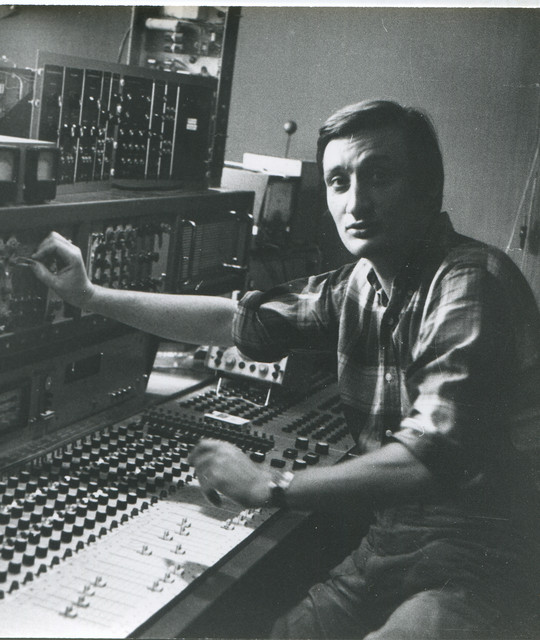
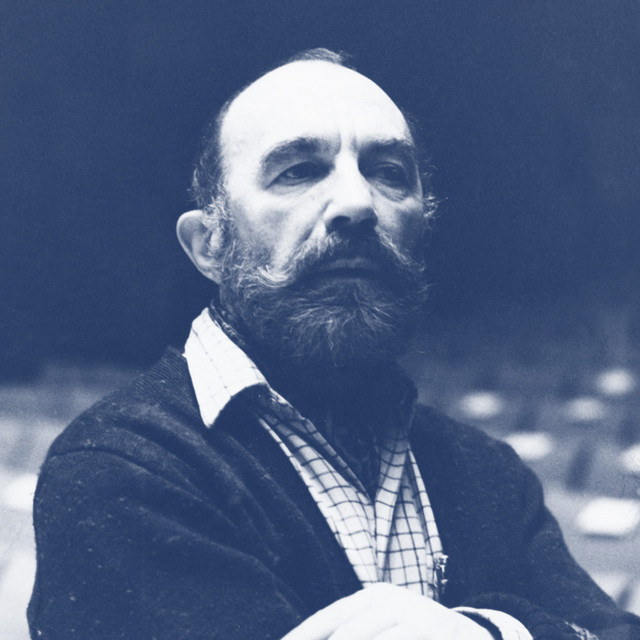
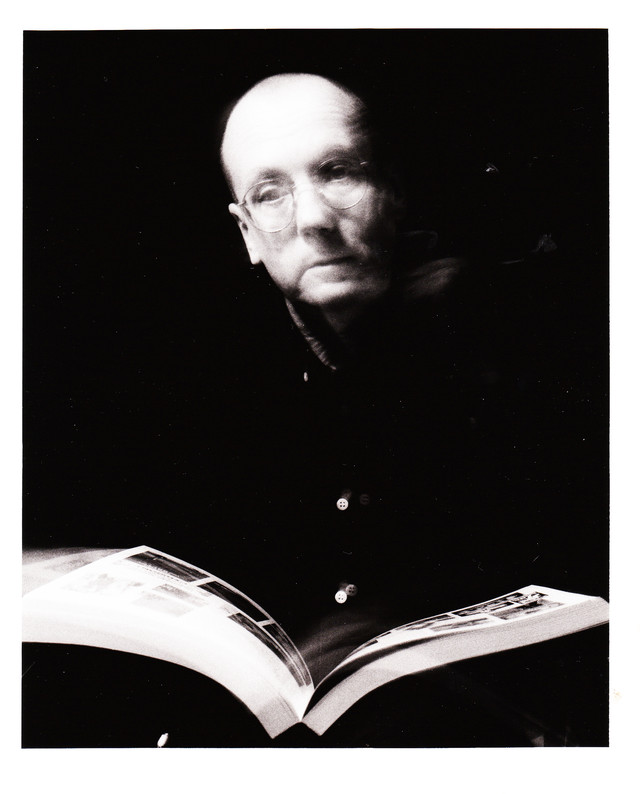
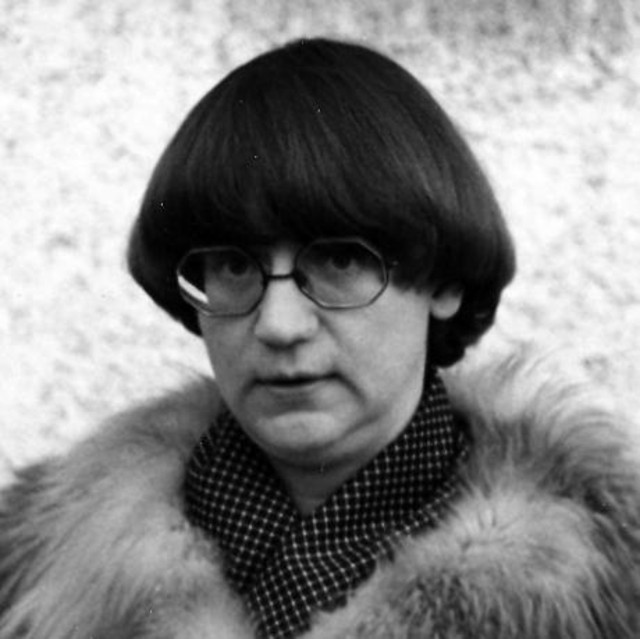
Composer Ilhan Mimaroglu was born in Istanbul, Turkey. His father died when Mimaroglu was not yet a year old and he was raised by his mother. His primary education was at the Lycée de Galatasaray, and later Mimaroglu studied law at the University of Ankara. From 1945 Mimaroglu gained a reputation in Turkish radio as a broadcaster and critic in tune with the latest trends developing in postwar European art music. From the early '50s Mimaroglu took an interest in electronic music, and coincidentally the Rockefeller Foundation took an interest in him, inviting Mimaroglu to the United States in 1955 to study at Columbia University. In 1959 Mimaroglu permanently settled in the United States, specifically in midtown Manhattan.
In 1959, Mimaroglu joined the staff of the Columbia-Princeton Electronic Music Center, working with its co-founder, <a href="spotify:artist:7IGFUlUZeXQrb9xcEAInD4">Vladimir Ussachevsky</a>. He also assisted composer <a href="spotify:artist:0enRaCZSvIUa2nVC7I4roi">Edgard Varèse</a> in the assemblage of the latter's revision of electronic segments attending to <a href="spotify:artist:0enRaCZSvIUa2nVC7I4roi">Varèse</a>'s orchestral piece Déserts. Ultimately, Mimaroglu would stay with the Center for nearly 30 years. Concurrently, Mimaroglu worked as a producer for <a href="spotify:search:label%3A%22Atlantic+Records%22">Atlantic Records</a>, mostly with Nesuhi Ertegun. In 1972 Mimaroglu was awarded a Guggenheim Foundation Grant, and not long after founded <a href="spotify:search:label%3A%22Finnadar+Records%22">Finnadar Records</a> as a subsidiary of <a href="spotify:search:label%3A%22Atlantic%22">Atlantic</a>, one of very few imprints within the major-label corporate structure devoted wholly to contemporary music. Pianist <a href="spotify:artist:5SBOWUBQdfga0xprPVBxOr">Idil Biret</a> made her debut on <a href="spotify:search:label%3A%22Finnadar%22">Finnadar</a>, and Mimaroglu also released acclaimed albums of music by <a href="spotify:artist:1Z3fF5lZdCM0ZHugkGoH8s">John Cage</a>, George Flynn, <a href="spotify:artist:5PkKmEWhfJ9jHVHXbZl0Ks">Karlheinz Stockhausen</a>, Negative Band, and <a href="spotify:artist:0enRaCZSvIUa2nVC7I4roi">Varèse</a>, among others. Sadly, <a href="spotify:search:label%3A%22Finnadar%22">Finnadar</a> did not survive into the digital era.
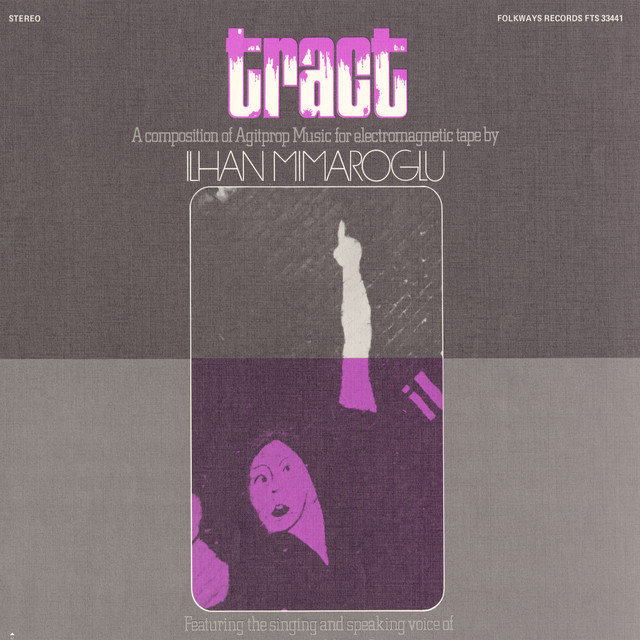
Mimaroglu's own electronic music feasibly represents a step forward from <a href="spotify:artist:0enRaCZSvIUa2nVC7I4roi">Varèse</a>; it is highly individual, sometimes dense, and invested in violent contrasts, but always unpredictable and engaging. Unfortunately, it also appears that Mimaroglu likewise inherited his mentor's predilection for distrusting his own output, and he discarded everything that was never performed or published within a year of its composition date. Originally issued mostly on <a href="spotify:search:label%3A%22Turnabout%22">Turnabout</a> and <a href="spotify:search:label%3A%22Finnadar%22">Finnadar</a> LPs, Mimaroglu's music was unavailable in CD form until the dawn of the 21st century, but first appeared in the collections Agitation and Outstanding Warrants. Mimaroglu was also a photographer of renown and a published author of several books. He died of pneumonia in Manhattan in July of 2012 at 86 years of age.
In 1959, Mimaroglu joined the staff of the Columbia-Princeton Electronic Music Center, working with its co-founder, <a href="spotify:artist:7IGFUlUZeXQrb9xcEAInD4">Vladimir Ussachevsky</a>. He also assisted composer <a href="spotify:artist:0enRaCZSvIUa2nVC7I4roi">Edgard Varèse</a> in the assemblage of the latter's revision of electronic segments attending to <a href="spotify:artist:0enRaCZSvIUa2nVC7I4roi">Varèse</a>'s orchestral piece Déserts. Ultimately, Mimaroglu would stay with the Center for nearly 30 years. Concurrently, Mimaroglu worked as a producer for <a href="spotify:search:label%3A%22Atlantic+Records%22">Atlantic Records</a>, mostly with Nesuhi Ertegun. In 1972 Mimaroglu was awarded a Guggenheim Foundation Grant, and not long after founded <a href="spotify:search:label%3A%22Finnadar+Records%22">Finnadar Records</a> as a subsidiary of <a href="spotify:search:label%3A%22Atlantic%22">Atlantic</a>, one of very few imprints within the major-label corporate structure devoted wholly to contemporary music. Pianist <a href="spotify:artist:5SBOWUBQdfga0xprPVBxOr">Idil Biret</a> made her debut on <a href="spotify:search:label%3A%22Finnadar%22">Finnadar</a>, and Mimaroglu also released acclaimed albums of music by <a href="spotify:artist:1Z3fF5lZdCM0ZHugkGoH8s">John Cage</a>, George Flynn, <a href="spotify:artist:5PkKmEWhfJ9jHVHXbZl0Ks">Karlheinz Stockhausen</a>, Negative Band, and <a href="spotify:artist:0enRaCZSvIUa2nVC7I4roi">Varèse</a>, among others. Sadly, <a href="spotify:search:label%3A%22Finnadar%22">Finnadar</a> did not survive into the digital era.
Mimaroglu's own electronic music feasibly represents a step forward from <a href="spotify:artist:0enRaCZSvIUa2nVC7I4roi">Varèse</a>; it is highly individual, sometimes dense, and invested in violent contrasts, but always unpredictable and engaging. Unfortunately, it also appears that Mimaroglu likewise inherited his mentor's predilection for distrusting his own output, and he discarded everything that was never performed or published within a year of its composition date. Originally issued mostly on <a href="spotify:search:label%3A%22Turnabout%22">Turnabout</a> and <a href="spotify:search:label%3A%22Finnadar%22">Finnadar</a> LPs, Mimaroglu's music was unavailable in CD form until the dawn of the 21st century, but first appeared in the collections Agitation and Outstanding Warrants. Mimaroglu was also a photographer of renown and a published author of several books. He died of pneumonia in Manhattan in July of 2012 at 86 years of age.
Monthly Listeners
6,713
Monthly Listeners History
Track the evolution of monthly listeners over the last 28 days.
Followers
3,364
Followers History
Track the evolution of followers over the last 28 days.
Top Cities
165 listeners

125 listeners

116 listeners

94 listeners
84 listeners
Related Artists

Vladimir Ussachevsky


Morton Subotnick

Takehisa Kosugi





Tod Dockstader
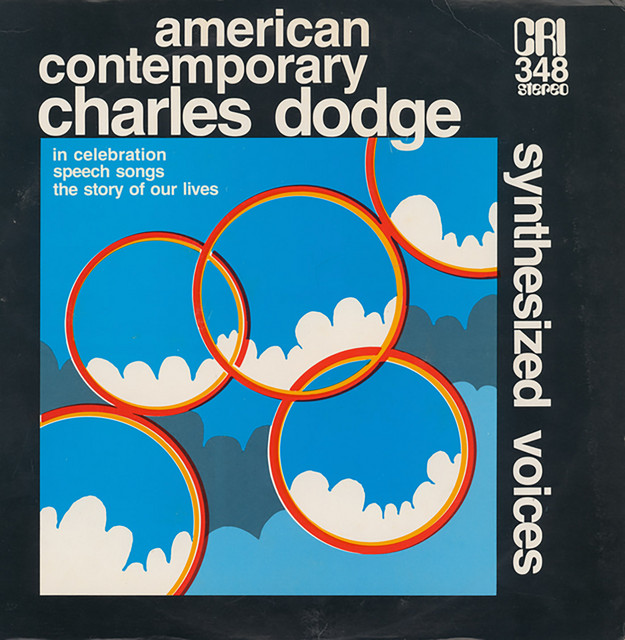


Oskar Sala

Walter Prati
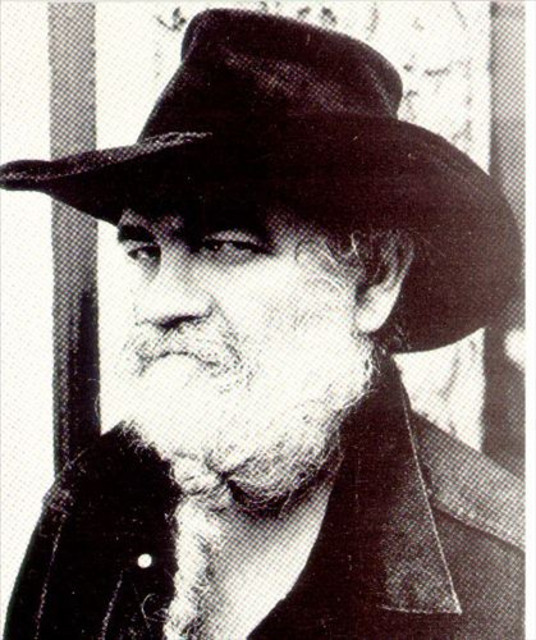
Alice Shields


Jean-Claude Risset

Michael Ranta






Iancu Dumitrescu