Data may be outdated
Last updated: 9 months ago — Click refresh to get the latest statistics.
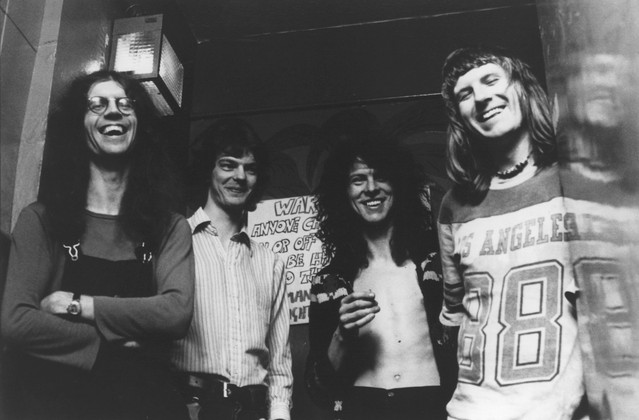
Jade Warrior was an eclectic group led by Jon Field and Tony Duhig, who met during the 1960s while working in a factory. The two did not immediately start a band, but spent several years improving their musical skills, Field on percussion, Duhig on guitar. They finally created a group named <a href="spotify:artist:5UcydON50lbHbBJNiTzyAI">July</a>, with <a href="spotify:artist:3yrnicAf4oIpp3TmG8zgWS">Tom Newman</a>, Chris Jackson, and <a href="spotify:artist:0jmIAcn3nHExpsv4b0hr9w">Alan James</a>. <a href="spotify:artist:4pjioeK9dSmPLidJt7tXcz">Newman</a> would later engineer <a href="spotify:artist:562Od3CffWedyz2BbeYWVn">Mike Oldfield</a>'s landmark album Tubular Bells. <a href="spotify:artist:5UcydON50lbHbBJNiTzyAI">July</a> released one album of eccentric psychedelic pop in 1968, then folded.
After the demise of <a href="spotify:artist:5UcydON50lbHbBJNiTzyAI">July</a>, Duhig traveled to Iran, where he met guitarist and future bandmate Glyn Havard. Field remained in England, learned to play flute, and created the Jade Warrior identity while writing music for a friend's dance drama. Jade warriors were the samurai of ancient Japan, cultured killers well-schooled in arts ranging from poetry to murder. Duhig and Havard returned from the Middle East and contacted Field, and the trio adopted the Jade Warrior name. Duhig and Field created most of the music, with Havard playing bass and contributing lyrics and vocals. This initial formation, supplemented at times by guitarist David Duhig and drummer <a href="spotify:artist:0rqVD4hTH1l8EoJasRHMeU">Allan Price</a>, signed with <a href="spotify:search:label%3A%22Vertigo+Records%22">Vertigo Records</a> and released three albums in three years: Jade Warrior, Released, and Last Autumn's Dream. The band's sound combined a straightforward rock style with the sudden tempo changes and experimental instrumentation typical of early-'70s art rock bands. Jade Warrior developed a loyal but small following. <a href="spotify:search:label%3A%22Vertigo%22">Vertigo</a> canceled their contract, although the band had recorded nearly two albums' worth of follow-up material. Most of this work was squelched for 25 years. The albums Eclipse and Fifth Element were recorded in 1973 but not released until 1998.
Jade Warrior were on the verge of breaking up when <a href="spotify:search:label%3A%22Island+Records%22">Island Records</a> offered them a three-album deal that eventually stretched to four records. However, the change in labels reflected a similar shift in the band's sound. <a href="spotify:search:label%3A%22Island%22">Island</a> wanted to emphasize instrumentals. This left little room for Havard, who left the band. Jade Warrior became a duo, as Duhig and Field played numerous instruments to realize their increasingly exotic musical vision. The music became increasingly dreamlike, pushing a lighter jazz sound to the forefront. During the <a href="spotify:search:label%3A%22Island%22">Island</a> period of 1974 through 1978, Jade Warrior albums featured myriad percussive sounds, but drum kits were rarely in evidence. The band liked to create a soothing, ethereal feel, then shatter it with gongs and unexpectedly raucous electric guitar, usually from guest David Duhig, Tony's brother. Their albums featured occasional celebrity guests such as <a href="spotify:artist:5gxynDEKwNDgxGJmJjZyte">Steve Winwood</a>, but Jade Warrior had a style of their own. The band's foray into what would later be labeled world and ambient music parallels the excursions of <a href="spotify:artist:7MSUfLeTdDEoZiJPDSBXgi">Brian Eno</a>, who described 1974's Floating World as an important album.
During the '80s, Field and Tony Duhig released a pair of albums, Horizon (1984) and At Peace (1989), but they couldn't rise beyond cult status. Duhig was under a great deal of stress during much of this period. He opened a recording studio, mortgaging his house for funds. The studio flopped and Duhig's lender foreclosed on the house.
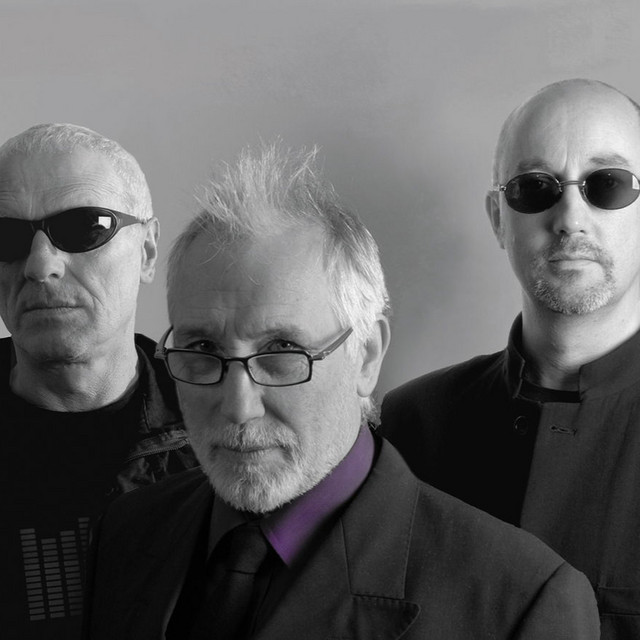
Field became a session player, but after meeting bassist <a href="spotify:artist:73JVqWb9Yu6pfb8W8Aw9t6">Dave Sturt</a>, he took steps to revive Jade Warrior. He recruited guitarist Colin Henson. Tony Duhig was about to rejoin the fold when he died of a heart attack. Field and the others carried on, releasing two albums on <a href="spotify:search:label%3A%22Red+Hot+Records%22">Red Hot Records</a>, Breathing the Storm and Distant Echoes, the latter featuring a guest appearance by former <a href="spotify:artist:7M1FPw29m5FbicYzS2xdpi">King Crimson</a> violinist <a href="spotify:artist:7LKhyb2VbpZ5PHdKJhuA4n">David Cross</a>. The band began another album in 1996, but it has never been finished. Field, <a href="spotify:artist:6OUTtVUjAvUF0uZ3wudxtv">Henson</a>, and <a href="spotify:artist:73JVqWb9Yu6pfb8W8Aw9t6">Sturt</a> scattered to live in different parts of England and showed no inclination to finish the project. ~ Casey Elston, Rovi
After the demise of <a href="spotify:artist:5UcydON50lbHbBJNiTzyAI">July</a>, Duhig traveled to Iran, where he met guitarist and future bandmate Glyn Havard. Field remained in England, learned to play flute, and created the Jade Warrior identity while writing music for a friend's dance drama. Jade warriors were the samurai of ancient Japan, cultured killers well-schooled in arts ranging from poetry to murder. Duhig and Havard returned from the Middle East and contacted Field, and the trio adopted the Jade Warrior name. Duhig and Field created most of the music, with Havard playing bass and contributing lyrics and vocals. This initial formation, supplemented at times by guitarist David Duhig and drummer <a href="spotify:artist:0rqVD4hTH1l8EoJasRHMeU">Allan Price</a>, signed with <a href="spotify:search:label%3A%22Vertigo+Records%22">Vertigo Records</a> and released three albums in three years: Jade Warrior, Released, and Last Autumn's Dream. The band's sound combined a straightforward rock style with the sudden tempo changes and experimental instrumentation typical of early-'70s art rock bands. Jade Warrior developed a loyal but small following. <a href="spotify:search:label%3A%22Vertigo%22">Vertigo</a> canceled their contract, although the band had recorded nearly two albums' worth of follow-up material. Most of this work was squelched for 25 years. The albums Eclipse and Fifth Element were recorded in 1973 but not released until 1998.
Jade Warrior were on the verge of breaking up when <a href="spotify:search:label%3A%22Island+Records%22">Island Records</a> offered them a three-album deal that eventually stretched to four records. However, the change in labels reflected a similar shift in the band's sound. <a href="spotify:search:label%3A%22Island%22">Island</a> wanted to emphasize instrumentals. This left little room for Havard, who left the band. Jade Warrior became a duo, as Duhig and Field played numerous instruments to realize their increasingly exotic musical vision. The music became increasingly dreamlike, pushing a lighter jazz sound to the forefront. During the <a href="spotify:search:label%3A%22Island%22">Island</a> period of 1974 through 1978, Jade Warrior albums featured myriad percussive sounds, but drum kits were rarely in evidence. The band liked to create a soothing, ethereal feel, then shatter it with gongs and unexpectedly raucous electric guitar, usually from guest David Duhig, Tony's brother. Their albums featured occasional celebrity guests such as <a href="spotify:artist:5gxynDEKwNDgxGJmJjZyte">Steve Winwood</a>, but Jade Warrior had a style of their own. The band's foray into what would later be labeled world and ambient music parallels the excursions of <a href="spotify:artist:7MSUfLeTdDEoZiJPDSBXgi">Brian Eno</a>, who described 1974's Floating World as an important album.
During the '80s, Field and Tony Duhig released a pair of albums, Horizon (1984) and At Peace (1989), but they couldn't rise beyond cult status. Duhig was under a great deal of stress during much of this period. He opened a recording studio, mortgaging his house for funds. The studio flopped and Duhig's lender foreclosed on the house.
Field became a session player, but after meeting bassist <a href="spotify:artist:73JVqWb9Yu6pfb8W8Aw9t6">Dave Sturt</a>, he took steps to revive Jade Warrior. He recruited guitarist Colin Henson. Tony Duhig was about to rejoin the fold when he died of a heart attack. Field and the others carried on, releasing two albums on <a href="spotify:search:label%3A%22Red+Hot+Records%22">Red Hot Records</a>, Breathing the Storm and Distant Echoes, the latter featuring a guest appearance by former <a href="spotify:artist:7M1FPw29m5FbicYzS2xdpi">King Crimson</a> violinist <a href="spotify:artist:7LKhyb2VbpZ5PHdKJhuA4n">David Cross</a>. The band began another album in 1996, but it has never been finished. Field, <a href="spotify:artist:6OUTtVUjAvUF0uZ3wudxtv">Henson</a>, and <a href="spotify:artist:73JVqWb9Yu6pfb8W8Aw9t6">Sturt</a> scattered to live in different parts of England and showed no inclination to finish the project. ~ Casey Elston, Rovi
Monthly Listeners
5,343
Monthly Listeners History
Track the evolution of monthly listeners over the last 28 days.
Followers
11,884
Followers History
Track the evolution of followers over the last 28 days.
Top Cities
140 listeners

61 listeners
58 listeners

56 listeners

54 listeners
Related Artists
Fruupp
Spring
East Of Eden
Kingdom Come
Quatermass

Peter Banks

Jack Lancaster

Druid
Robin Lumley

Pell Mell
Moving Gelatine Plates


If
Gnidrolog
Colosseum II

Schicke Führs Fröhling