Data may be outdated
Last updated: 9 months ago — Click refresh to get the latest statistics.
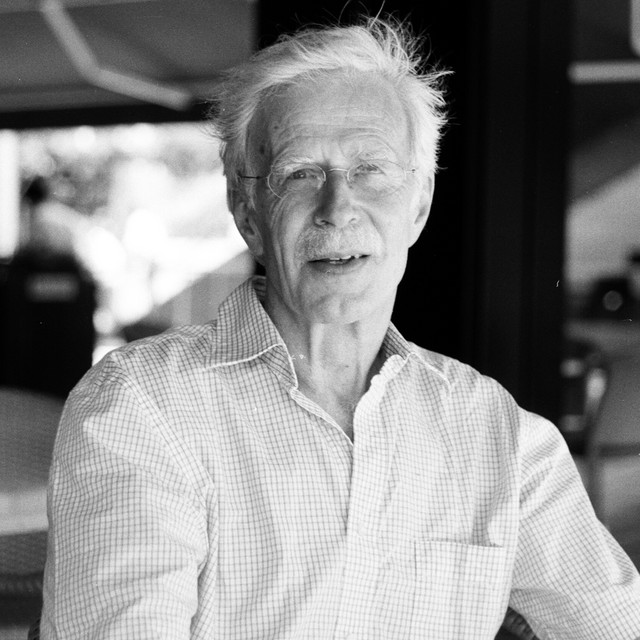
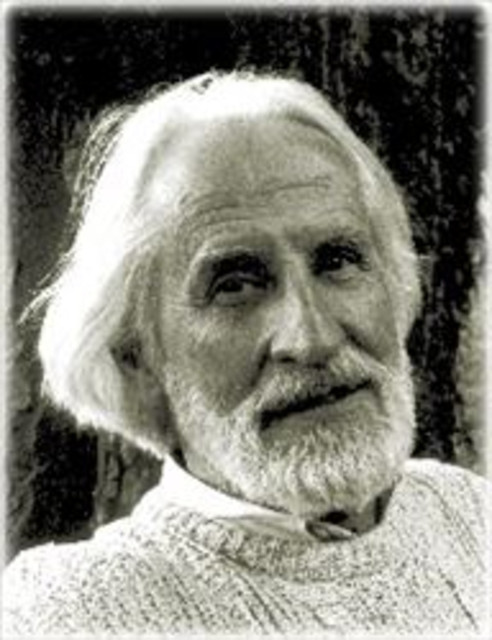
Jonathan Harvey could be thought of as an English <a href="spotify:artist:5PkKmEWhfJ9jHVHXbZl0Ks">Stockhausen</a>: he was perhaps best known for integrating electronically generated sound with live music in the service of a mystical outlook with many (especially non-Western) philosophical influences. However, Harvey's large output also contains many accessible choral pieces and acoustic avant-garde works for orchestra or chamber ensemble.
While a student at Cambridge, Harvey studied composition privately with Erwin Stein and Hans Keller (following the advice of <a href="spotify:artist:7MJ1pB5d6Vjmzep2zQlorn">Benjamin Britten</a>), from whom he learned the basics of serial technique. In 1966, Harvey had a "<a href="spotify:artist:5PkKmEWhfJ9jHVHXbZl0Ks">Stockhausen</a> conversion," and the German composer's alternately complex and simple textures had an immediate influence on him, most apparently in the instrumental pieces written from the late '60s through the 1970s, such as Quantumplation (1973) for chamber ensemble. Harvey spent much of the 1980s at IRCAM, the new-music research center in Paris under the direction of <a href="spotify:artist:2prZJWfQMnIgwUKxKcBxH7">Pierre Boulez</a>. In the first compositional result of this period, Mortuos plango, vivos voco (1980), Harvey combined the sound of his son's singing with that of a bell at Winchester Cathedral, with an effect similar to that of <a href="spotify:artist:5PkKmEWhfJ9jHVHXbZl0Ks">Stockhausen</a>'s Gesang der Jünglinge. Another important IRCAM composition was Ritual Melodies (1990) for tape, in which Harvey continually transformed synthesized instrumental and vocal sounds and their associated melodies. Harvey taught in various English and American universities, and in 1995 began teaching composition at Stanford University in California. He died in December 2012 in Lewes, England, at the age of 73.
While a student at Cambridge, Harvey studied composition privately with Erwin Stein and Hans Keller (following the advice of <a href="spotify:artist:7MJ1pB5d6Vjmzep2zQlorn">Benjamin Britten</a>), from whom he learned the basics of serial technique. In 1966, Harvey had a "<a href="spotify:artist:5PkKmEWhfJ9jHVHXbZl0Ks">Stockhausen</a> conversion," and the German composer's alternately complex and simple textures had an immediate influence on him, most apparently in the instrumental pieces written from the late '60s through the 1970s, such as Quantumplation (1973) for chamber ensemble. Harvey spent much of the 1980s at IRCAM, the new-music research center in Paris under the direction of <a href="spotify:artist:2prZJWfQMnIgwUKxKcBxH7">Pierre Boulez</a>. In the first compositional result of this period, Mortuos plango, vivos voco (1980), Harvey combined the sound of his son's singing with that of a bell at Winchester Cathedral, with an effect similar to that of <a href="spotify:artist:5PkKmEWhfJ9jHVHXbZl0Ks">Stockhausen</a>'s Gesang der Jünglinge. Another important IRCAM composition was Ritual Melodies (1990) for tape, in which Harvey continually transformed synthesized instrumental and vocal sounds and their associated melodies. Harvey taught in various English and American universities, and in 1995 began teaching composition at Stanford University in California. He died in December 2012 in Lewes, England, at the age of 73.
Monthly Listeners
910
Monthly Listeners History
Track the evolution of monthly listeners over the last 28 days.
Followers
2,460
Followers History
Track the evolution of followers over the last 28 days.
Top Cities
114 listeners

36 listeners

25 listeners

24 listeners

21 listeners
Related Artists

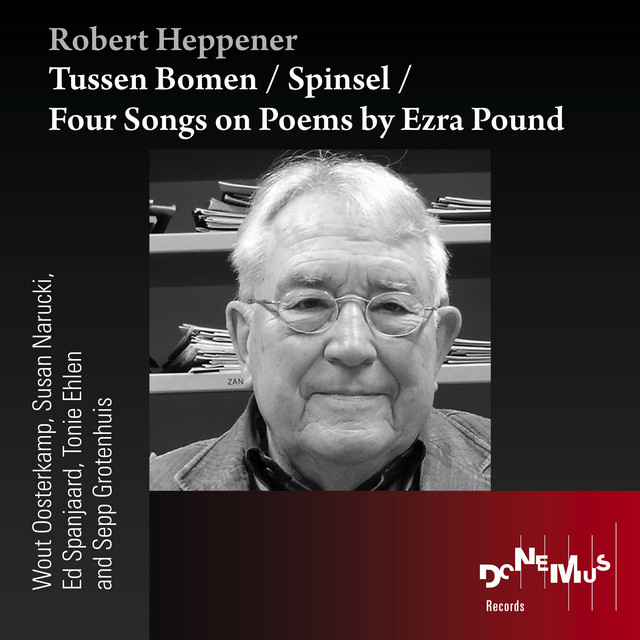
Robert Heppener
R. Murray Schafer

David Barnard
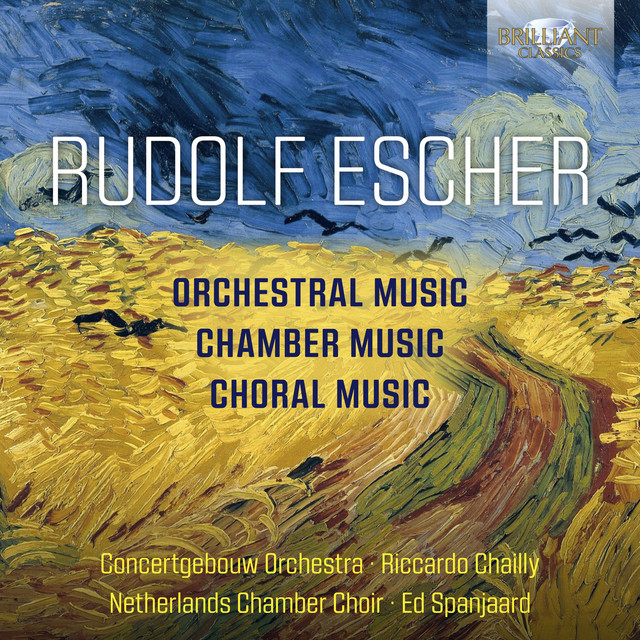
Rudolf Escher

Bengt Hambræus
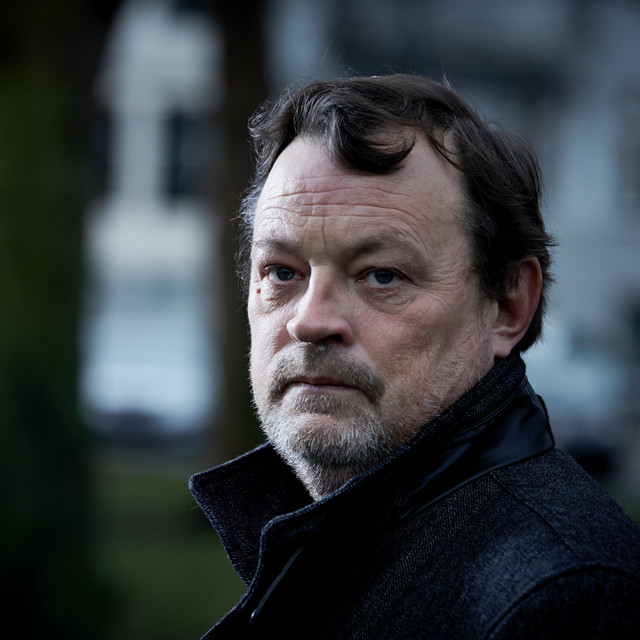
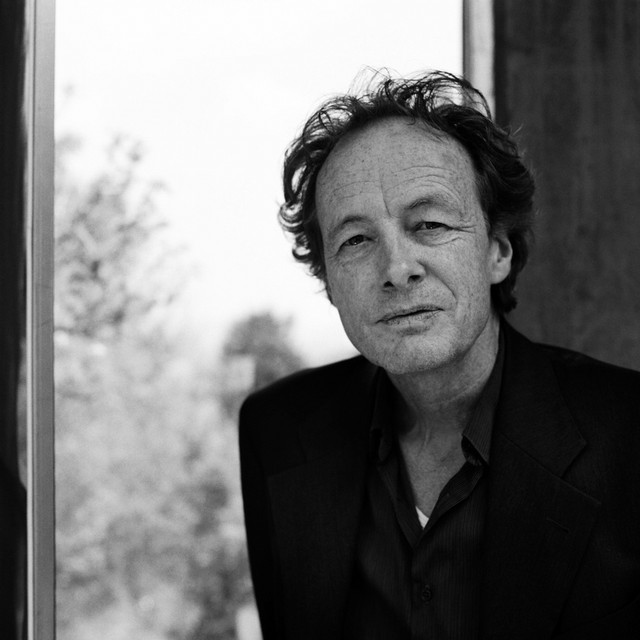
Beat Furrer
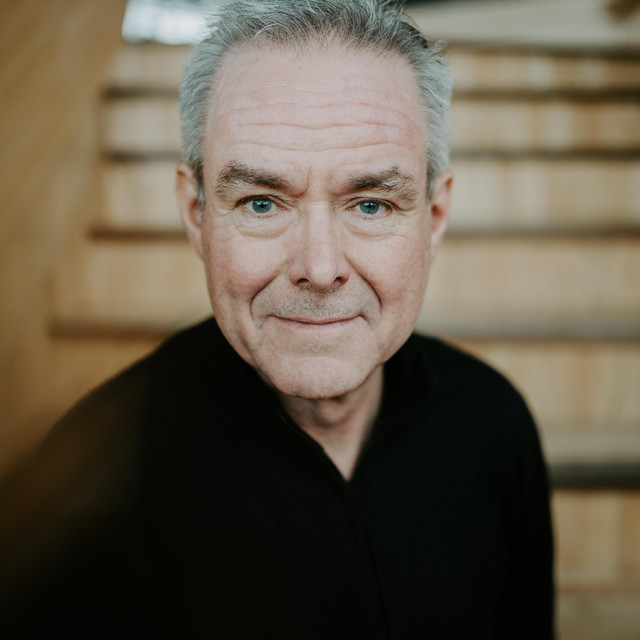
Nils Henrik Asheim
Rachid Safir
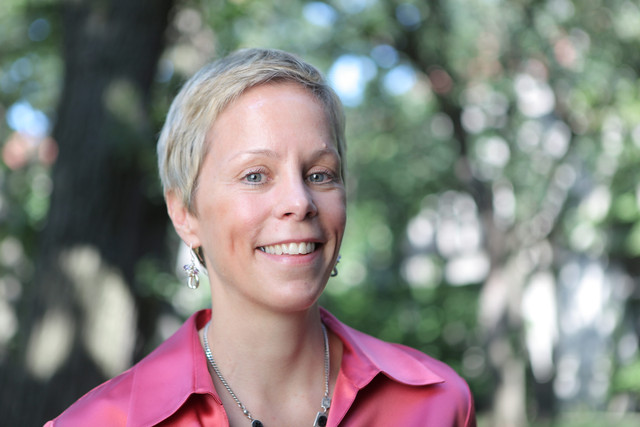

Tansy Davies
Pascal Dusapin
John Casken

Isabel Mundry

Wang Lu

