Data may be outdated
Last updated: 9 months ago — Click refresh to get the latest statistics.
b. José Antonio Fajardo, 18 October 1919, Pinar del Rio, Cuba, d. 11 December 2001, Jersey City, New Jersey, USA. Band leader, arranger, composer and producer Fajardo was one of the greatest Cuban flute players. He organized a flute, strings, rhythm section and voices charanga band which he called his All-Stars. In the course of his long career, he played a prominent role in the 50s’ cha cha chá fad, early 60s’ charanga/pachanga craze and 70s’ charanga revival. Prior to forming his own band, Fajardo did stints with female singer/band leader Paulina Alvarez (b. 1912, d. 1965) and Arcaño Y Sus Maravillas.
In 1956, Fajardo released Cuba (aka Cuban Cha Cha Chá) on the Tico Records label, which featured revered conga player Tata Güines (b. Federico Arístides Soto, 1926, Güines, Cuba). He signed with Panart Records and issued a string of albums on the label during the late 50s and early 60s. His early Panart releases emphasized the popular cha cha chá rhythm, which was developed by violinist-composer-arranger-band leader Enrique Jorrín while he was a member of Orquesta América. Fajardo and his band appeared at the prestigious Tropicana nightclub in Havana. In 1959 he was invited by the US Democratic Party to play at New York’s Waldorf Astoria hotel for John Kennedy’s presidential campaign. His All-Stars caused more commotion with the Latino community than with the Democrats and an engagement at New York’s famous Palladium Ballroom quickly followed.
After the Cuban revolution, Fajardo left Cuba in 1960 to settle in Miami, USA. Violinist/composer/arranger Félix Reina inherited his band, which was renamed the Estrellas Cubanas, and the flautist’s position was filled by Eddy Zervigón, who went on to co-found Orquesta Broadway in 1962. Meanwhile in 1960, the massive popularity of Charlie Palmieri’s Charanga ‘La Duboney’, featuring Johnny Pacheco on flute, sparked off a charanga boom which was dominated by the fast pachanga rhythm created by Cuban composer Eduardo Davidson. Pachanga fever started in New York with the success of Afro-Cuban singer Rolando La Serie’s version of Davidson’s ‘La Pachanga’ from his Sabor A Mi, on which he was accompanied by the brass and saxophone-led big band of Bebo Valdés. The song topped the Farándula chart for a couple of months in 1960. In its wake, a string of other pachanga compositions appeared over the next few years. Fajardo promptly responded to this new trend by including an interpretation of the much covered ‘La Pachanga’ and Davidson’s pachanga ‘Pancho Calma’ on his 1961 Panart release Fajardo & His All-Stars Vol. 6. The major label Columbia Records eventually picked-up on the fad and signed him for Mister Pachanga in 1962. He also recorded Sabor Guajiro for them. However, by 1964 the charanga/pachanga craze had run out of steam.
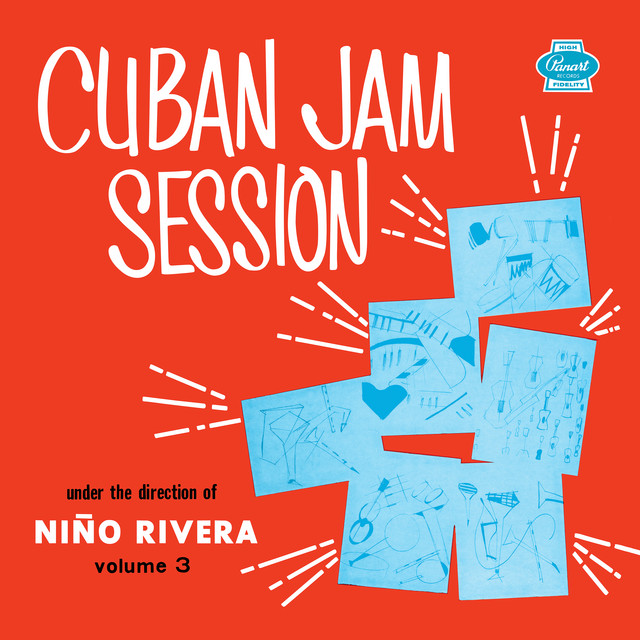
A Fajardo accompanist for many years, Osvaldo ‘Chi Hua Hua’ Martínez (b. c.1920, Cuba, d. early 80s, New York, USA; güiro/timbales) went on to work with Mongo Santamaría, Félix ‘Pupi’ Legarreta, Sonny Stitt, Ray Barretto, Kako, the Alegre All-Stars, Johnny Pacheco, Willie Bobo, Don Gonzalo Fernández, Mike Pérez, Israel ‘Cachao’ López, Julito Collazo, Lou Pérez, Javier Vázquez, among others; he recorded the classic Latin jam sets Descarga Cubana Vol. 1 (1966) and Latin Cuban Session Vol. 2 (c.1967) on Fonseca Records (which were both collected on the CD Descarga Cubana in 1991); and co-led Orquesta Metropolitana on New Horizons (1980). Fajardo maintained two charangas in 1963, one in New York and the other in Miami. He eventually tired of commuting and disbanded his Miami band, but retained Sonny Bravo (b. Elio Osacar Jnr., 7 October 1936, New York, USA, of Cuban parentage; pianist/arranger) for his New York outfit. In 1964, he issued the fifth and final volume in Panart’s legendary Cuban Jam Session series. In 1965, Fajardo decided to relocate to San Juan, Puerto Rico. Bravo left at this point and later became a founder member of Típica 73. In 1966, Fajardo hired the young classically trained Cuban violinist Alfredo De La Fé and in 1974 recruited Afro-Cuban pianist Alfredo Rodríguez to the quintet he was leading in Miami.
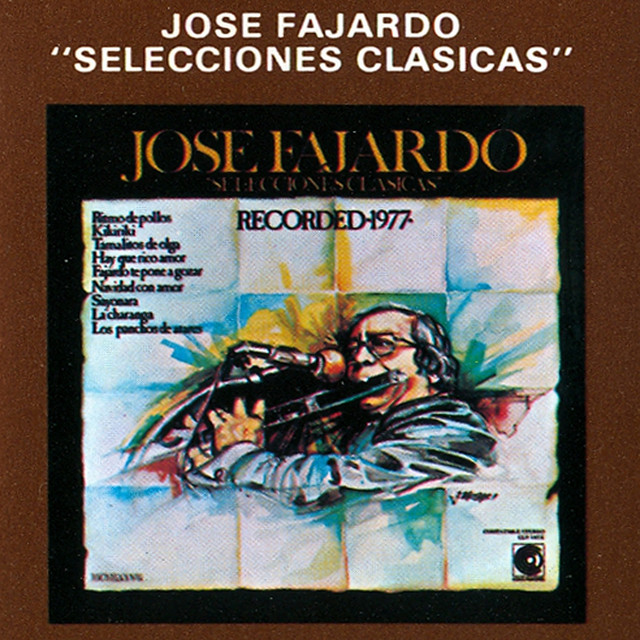
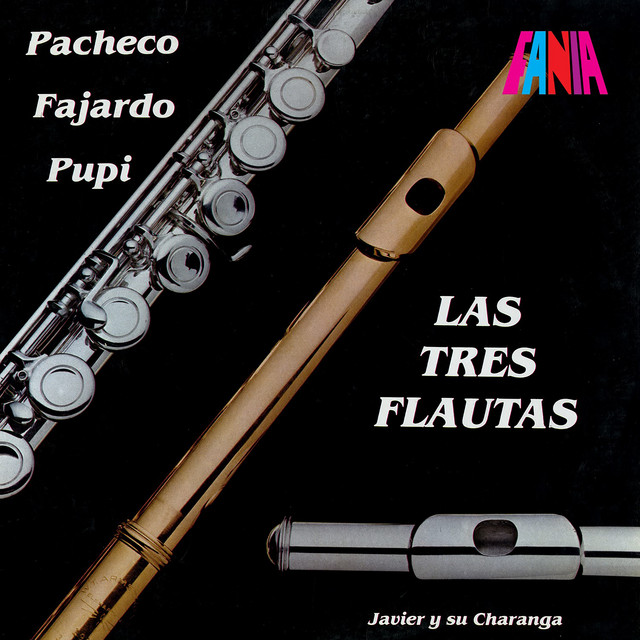
Fajardo signed with Harvey Averne’s Coco Records and released a series of four albums on the label between 1975 and 1978. Although his quintet was pictured on the sleeve of the first, Fajardo Y Sus Estrellas Del 75, the Miami recorded album featured a 14-piece charanga with five violins, including brother Alberto. Fajardo found himself amid a resurgence of the charanga sound which occurred in the second half of the 70s. Rodríguez departed and Sonny Bravo returned to session on 1977’s Selecciones Clasicas, which contained remakes of earlier hits. Ray Barretto co-produced this album and handled the entire production of El Talento Total in 1978. Fajardo switched to Fania Records for four releases between 1980 and 1984, which included two collaborations with Johnny Pacheco. Rodríguez regards the relationship between Fajardo and Pacheco as being akin to teacher and pupil: ‘Everybody knows Pacheco because of the selling of albums, and because of the Fania thing, but Fajardo is the master and Pacheco is the student’. De La Fé sessioned on all of Fajardo’s releases between 1977 and 1980, and Chi Hua Hua appeared on Las Tres Flautas and Pacheco Y Fajardo. In addition to recording as a band leader, Fajardo sessioned with an impressive list of Latin names, including Israel ‘Cachao’ López, Louie Ramírez, Fania All Stars, Alfredo Valdés Jnr. and José Mangual Jnr.
In 1956, Fajardo released Cuba (aka Cuban Cha Cha Chá) on the Tico Records label, which featured revered conga player Tata Güines (b. Federico Arístides Soto, 1926, Güines, Cuba). He signed with Panart Records and issued a string of albums on the label during the late 50s and early 60s. His early Panart releases emphasized the popular cha cha chá rhythm, which was developed by violinist-composer-arranger-band leader Enrique Jorrín while he was a member of Orquesta América. Fajardo and his band appeared at the prestigious Tropicana nightclub in Havana. In 1959 he was invited by the US Democratic Party to play at New York’s Waldorf Astoria hotel for John Kennedy’s presidential campaign. His All-Stars caused more commotion with the Latino community than with the Democrats and an engagement at New York’s famous Palladium Ballroom quickly followed.
After the Cuban revolution, Fajardo left Cuba in 1960 to settle in Miami, USA. Violinist/composer/arranger Félix Reina inherited his band, which was renamed the Estrellas Cubanas, and the flautist’s position was filled by Eddy Zervigón, who went on to co-found Orquesta Broadway in 1962. Meanwhile in 1960, the massive popularity of Charlie Palmieri’s Charanga ‘La Duboney’, featuring Johnny Pacheco on flute, sparked off a charanga boom which was dominated by the fast pachanga rhythm created by Cuban composer Eduardo Davidson. Pachanga fever started in New York with the success of Afro-Cuban singer Rolando La Serie’s version of Davidson’s ‘La Pachanga’ from his Sabor A Mi, on which he was accompanied by the brass and saxophone-led big band of Bebo Valdés. The song topped the Farándula chart for a couple of months in 1960. In its wake, a string of other pachanga compositions appeared over the next few years. Fajardo promptly responded to this new trend by including an interpretation of the much covered ‘La Pachanga’ and Davidson’s pachanga ‘Pancho Calma’ on his 1961 Panart release Fajardo & His All-Stars Vol. 6. The major label Columbia Records eventually picked-up on the fad and signed him for Mister Pachanga in 1962. He also recorded Sabor Guajiro for them. However, by 1964 the charanga/pachanga craze had run out of steam.
A Fajardo accompanist for many years, Osvaldo ‘Chi Hua Hua’ Martínez (b. c.1920, Cuba, d. early 80s, New York, USA; güiro/timbales) went on to work with Mongo Santamaría, Félix ‘Pupi’ Legarreta, Sonny Stitt, Ray Barretto, Kako, the Alegre All-Stars, Johnny Pacheco, Willie Bobo, Don Gonzalo Fernández, Mike Pérez, Israel ‘Cachao’ López, Julito Collazo, Lou Pérez, Javier Vázquez, among others; he recorded the classic Latin jam sets Descarga Cubana Vol. 1 (1966) and Latin Cuban Session Vol. 2 (c.1967) on Fonseca Records (which were both collected on the CD Descarga Cubana in 1991); and co-led Orquesta Metropolitana on New Horizons (1980). Fajardo maintained two charangas in 1963, one in New York and the other in Miami. He eventually tired of commuting and disbanded his Miami band, but retained Sonny Bravo (b. Elio Osacar Jnr., 7 October 1936, New York, USA, of Cuban parentage; pianist/arranger) for his New York outfit. In 1964, he issued the fifth and final volume in Panart’s legendary Cuban Jam Session series. In 1965, Fajardo decided to relocate to San Juan, Puerto Rico. Bravo left at this point and later became a founder member of Típica 73. In 1966, Fajardo hired the young classically trained Cuban violinist Alfredo De La Fé and in 1974 recruited Afro-Cuban pianist Alfredo Rodríguez to the quintet he was leading in Miami.
Fajardo signed with Harvey Averne’s Coco Records and released a series of four albums on the label between 1975 and 1978. Although his quintet was pictured on the sleeve of the first, Fajardo Y Sus Estrellas Del 75, the Miami recorded album featured a 14-piece charanga with five violins, including brother Alberto. Fajardo found himself amid a resurgence of the charanga sound which occurred in the second half of the 70s. Rodríguez departed and Sonny Bravo returned to session on 1977’s Selecciones Clasicas, which contained remakes of earlier hits. Ray Barretto co-produced this album and handled the entire production of El Talento Total in 1978. Fajardo switched to Fania Records for four releases between 1980 and 1984, which included two collaborations with Johnny Pacheco. Rodríguez regards the relationship between Fajardo and Pacheco as being akin to teacher and pupil: ‘Everybody knows Pacheco because of the selling of albums, and because of the Fania thing, but Fajardo is the master and Pacheco is the student’. De La Fé sessioned on all of Fajardo’s releases between 1977 and 1980, and Chi Hua Hua appeared on Las Tres Flautas and Pacheco Y Fajardo. In addition to recording as a band leader, Fajardo sessioned with an impressive list of Latin names, including Israel ‘Cachao’ López, Louie Ramírez, Fania All Stars, Alfredo Valdés Jnr. and José Mangual Jnr.
Monthly Listeners
1,529
Monthly Listeners History
Track the evolution of monthly listeners over the last 28 days.
Followers
1,762
Followers History
Track the evolution of followers over the last 28 days.
Top Cities
237 listeners

114 listeners
74 listeners
69 listeners
44 listeners
Related Artists
José Fajardo

Niño Rivera
Estrellas Cubanas

Estrellas De Chocolate
Fajardo Y Sus Estrellas
Roberto Faz Y Su Conjunto

Jose Curbelo Y Su Orquesta


Pupy y su Charanga

Los Salvajes del Ritmo

Joe Cuba And His Orchestra

Alfredito Valdez

The Cesta All-Stars


Lou Perez Y Su Charanga
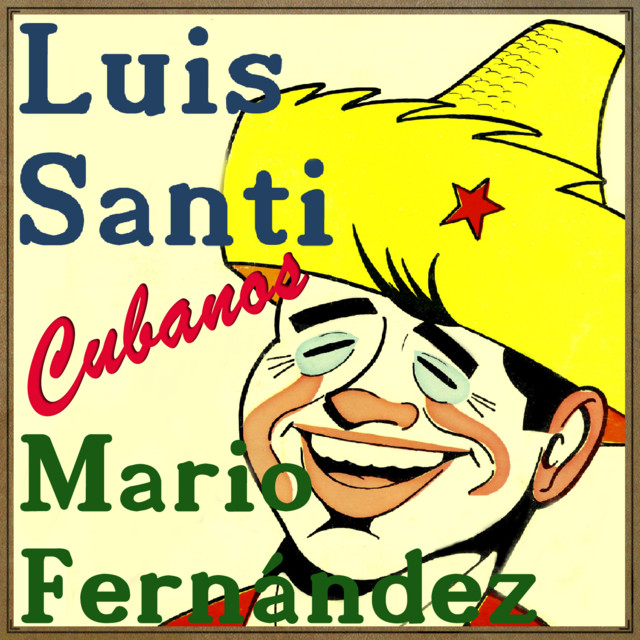
Luis Santi

Pacheco Y Su Charanga
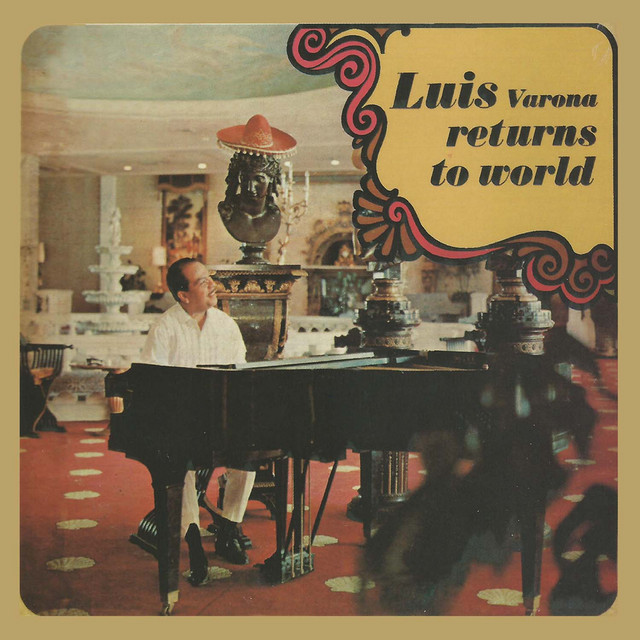
Luis Varona

Charanga Colonial
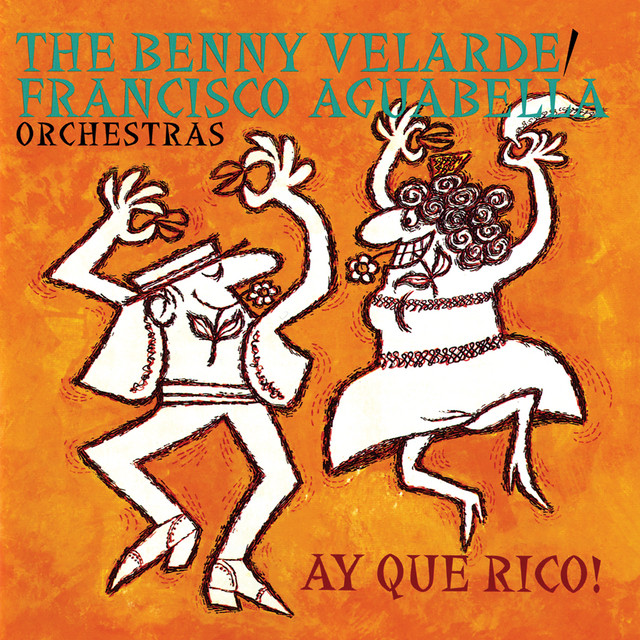
Benny Velarde Orchestra

Orquesta Elio Revé
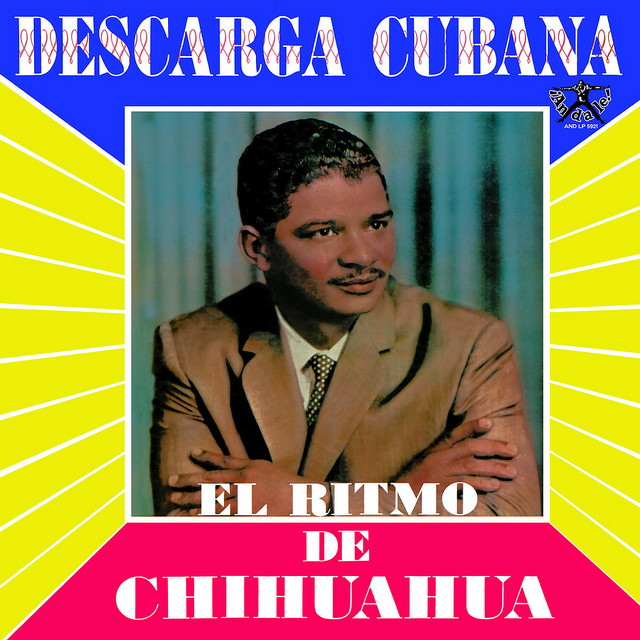
Chihuahua

Pupi Legarreta y su Charanga
Orquesta Tipica Ideal
Luis Santi Y Su Conjunto

Los Junior Star

Bush Y Sus Magníficos

Charanga del 20

Rosendo Ruiz Jr.

Tomás Martinez

Charlie Palmieri And His Charanga "La Duboney"


Orquesta La Moderna Of New York
Orquesta Cimarron


Randy Carlos And His Orchestra
