
Data may be outdated
Last updated: 9 months ago — Click refresh to get the latest statistics.
José Roberto Bertrami was a Brazilian composer, keyboardist, and arranger. He is best known for his role in the MPB-cum-jazz fusion group <a href="spotify:artist:5lYcr7Yue9FUB7MJDBtTJx">Azymuth</a>, who pioneered the samba doida (crazy samba) style. Before, during, and after <a href="spotify:artist:5lYcr7Yue9FUB7MJDBtTJx">Azymuth</a>, he was a prolific sideman and solo artist. His adaptability and deeply melodic, rhythm-conscious style adorned hundreds of recordings by major artists in Brazil and the U.S. He led an early version called Projeto III from 1967 to 1970, issuing two albums. With <a href="spotify:artist:5lYcr7Yue9FUB7MJDBtTJx">Azymuth</a>, his experimentation with Fender Rhodes piano and synthesizers, and his love of funk and disco, proved influential. The band's pioneering <a href="spotify:search:label%3A%22Milestone%22">Milestone</a> albums, from 1979's Light as a Feather through 1989's Carioca, continue to sell. Bertrami issued the solo Blue Wave in 1981 and Things Are Different in 2001. <a href="spotify:artist:5lYcr7Yue9FUB7MJDBtTJx">Azymuth</a> continued with acclaimed offerings for <a href="spotify:search:label%3A%22Far+Out%22">Far Out</a> including 2002's Partido Novo and 2009's Aurora, his final album with the group. He issued Aventura the same year.
Bertrami was born February 21, 1946, in the Tatui district of São Paulo. The eldest of seven children -- four are musicians -- his father Lázaro was a classical violinist and a professor at Tatuí's public conservatory. He began formal piano studies at seven but abandoned them two years later. He played soccer in school and discovered the jazz of <a href="spotify:artist:0kbYTNQb4Pb1rPbbaF0pT4">Miles Davis</a> and <a href="spotify:artist:4jXfFzeP66Zy67HM2mvIIF">Bill Evans</a>; jazz kept him interested in the piano. At 13, he returned to formal musical study: He auditioned for and enrolled in the conservatory, an almost entirely classically focused institution. While attending, he claims to have done seven years' worth of work in two. He was expelled for breaking the rules, including holding a jazz jam session on school property, which is still prohibited. During Bertrami's early teens, he fell under the spell of the emerging boss nova movement; in particular, he was taken with the playing and composing of pianist <a href="spotify:artist:13rnCB8WJOYBsPHOah6q73">Luiz Eça</a> of the influential <a href="spotify:artist:3NHFpmBuWOdkNalXJgdOqc">Tamba Trio</a>, and the older musician became a mentor.
Out of school, Bertrami was ready to start working. He'd sneak off to São Paulo by train to meet friends including pianist Mario Edson, who played in various clubs of ill repute. Bertrami's first solo job was at a club called Cancan. He founded the sextet <a href="spotify:artist:76wEYbtSuJPWxtmZ28FMsy">Os Tatuis</a> with his brother, bassist Claudio Bertrami, and cut a self-titled album for the local <a href="spotify:search:label%3A%22Farroupilha%22">Farroupilha</a> in 1965. The following year, the duo released Jose Roberto Trio, a Latin-jazz-cum bossa date on the same label. Both have been reissued.
An important break for the young pianist arrived 1967, when he met singer <a href="spotify:artist:6GaQjt3WJqroNLGfUsuMpk">Flora Purim</a> at São Paulo’s João Sebastião Bar. He ended up joining the band she was assembling with her husband, the percussionist <a href="spotify:artist:3poGT6mQeOlXOdJwvXz5T1">Airto Moreira</a>, and trombonist <a href="spotify:artist:4YuN1boMv1LQmVgV9prSs8">Raul de Souza</a>. It was scuttled when <a href="spotify:artist:6GaQjt3WJqroNLGfUsuMpk">Purim</a> and <a href="spotify:artist:3poGT6mQeOlXOdJwvXz5T1">Moreira</a> emigrated to New York and Bertrami moved to Rio. There, in 1967, he formed Projeto III, an early version of <a href="spotify:artist:5lYcr7Yue9FUB7MJDBtTJx">Azymuth</a> with bassist <a href="spotify:artist:2TRWk2Z5dtbxZGCAKoEALB">Alex Malheiros</a> and drummer/percussionist <a href="spotify:artist:2dfKG7aNtsTiPXBkXqQbVa">Ivan "Mamão" Conti</a>. They issued two now-classic albums for Equipe, Equipe: O Trio in 1968 and Encontro in 1970. Bertrami also released the album Organ Sound, Um Nôvo Estilo as <a href="spotify:artist:2VQ2u1e53bramSfaADGt2J">José Roberto e Seu Conjunto</a> for <a href="spotify:search:label%3A%22Polydor%22">Polydor</a>.
Over the next five years, Bertrami, <a href="spotify:artist:2dfKG7aNtsTiPXBkXqQbVa">Mamão</a>, and <a href="spotify:artist:2TRWk2Z5dtbxZGCAKoEALB">Malheiros</a> worked together and separately, establishing themselves individually and collectively as top session players. In 1972, still as Projeto III, they collaborated with <a href="spotify:artist:5I0EPnV9gwrZYTbScjnaOk">Marcos Valle</a> on the soundtracks Fly Cruzeiro and Som Ambiente. In 1973 they collaborated on the soundtrack to O Fabuloso Fittipaldi. Bertrami also joined singer <a href="spotify:artist:0yFvXd36g5sNKYDi0Kkvl8">Elis Regina</a>'s live group for two years, while playing, writing, and arranging for artists that included <a href="spotify:artist:0jOs0wnXCu1bGGP7kh5uIu">Tim Maia</a>, <a href="spotify:artist:6cHQUDAPGKRE2NbVjBlOcz">Erasmo Carlos</a>, <a href="spotify:artist:6UKz2oYWzE0ZBnciztCown">Clara Nunes</a>, <a href="spotify:artist:6YJmIS23jxjp6Edi2zTPzn">Ana Mazzotti</a>, and others. In mid- 1974, the trio got back together as "Azimuth," its name drawn from a <a href="spotify:artist:5I0EPnV9gwrZYTbScjnaOk">Valle</a> song, and issued a self-titled album for <a href="spotify:search:label%3A%22Polydor%22">Polydor</a> with session players in 1975 -- it was later retitled to reflect the spelling change of their name. The trademark <a href="spotify:artist:5lYcr7Yue9FUB7MJDBtTJx">Azymuth</a> sound was officially born as a meld of Fender Rhodes, synth, samba, bossa, MPB, funk, and jazz. The set contained one of the band's best-known songs, "Linha Do Horizonte."
<a href="spotify:artist:5lYcr7Yue9FUB7MJDBtTJx">Azymuth</a> toured with <a href="spotify:artist:7yyIIRJV6dklQEvISTzRjE">Airto </a>and <a href="spotify:artist:6GaQjt3WJqroNLGfUsuMpk">Purim</a>, as well as on their own. They returned in 1977 with Águia Não Come Mosca for <a href="spotify:search:label%3A%22Atlantic+Records%22">Atlantic Records</a>. The trio signed with San Francisco's <a href="spotify:search:label%3A%22Milestone%22">Milestone</a> label, and their debut, 1979's Light as a Feather, offered a charting title-track cover of the <a href="spotify:artist:6GaQjt3WJqroNLGfUsuMpk">Purim</a>/<a href="spotify:artist:1lGt9WgdYGpMnmwGkcCm05">Stanley Clarke</a> tune made immortal by <a href="spotify:artist:1txWOvvuItlRlkB4rM0cUK">Return to Forever</a> in 1973. The set also included the seminal jazz-funk and fusion anthems "Jazz Carnival" and "Existe Isto." That same year, Bertrami and a cast of Brazilian studio aces who included brother Claudio, <a href="spotify:artist:7zsxdMsODmHKTbTB00t9wS">Dorival Caymmi</a>, <a href="spotify:artist:6tXJsM9aKkrxuPox1ziD79">Nelson Angelo</a>, Wilson Das-Neves, <a href="spotify:artist:3Bnq7jiU506HcPjRgQ43TM">Milton Nascimento</a>, and others, backed jazz legend <a href="spotify:artist:1bgyxtWjZwA5PQlDsvs9b8">Sarah Vaughan</a> on the <a href="spotify:search:label%3A%22Pablo%22">Pablo</a> album I Love Brazil. In 1979, Bertrami appeared on <a href="spotify:artist:7yyIIRJV6dklQEvISTzRjE">Airto</a>'s charting Touching You, Touching Me. In 1980, <a href="spotify:artist:5lYcr7Yue9FUB7MJDBtTJx">Azymuth</a> issued the classic Outubro, the album that put them on the global jazz-funk/fusion map. It kicked off a run of popular and influential recordings over the next five years -- Telecommunication, Cascades, Rapid Transit, Flame, and Spectrum -- that established the band as legendary.
When they weren't recording or touring, the trio's members all did session work. Bertrami worked constantly, playing, composing, and arranging for a slew of artists. He issued the solo outing Blue Wave in 1983. He also worked with <a href="spotify:artist:1XIbUq7y7kiMUhmp5dywGx">Jim Capaldi</a>, <a href="spotify:artist:177N2fB1WvNBCQ4epjMQ3O">Quarteto Em Cy</a>, <a href="spotify:artist:1b8kpp4DUwt1hWaxTiWQhD">Gal Costa</a>, <a href="spotify:artist:3Bnq7jiU506HcPjRgQ43TM">Milton Nascimento</a>, <a href="spotify:artist:5I0EPnV9gwrZYTbScjnaOk">Valle</a>, and <a href="spotify:artist:5JYtpnUKxAzXfHEYpOeeit">Jorge Ben</a>, among many others. In 1987 <a href="spotify:artist:5lYcr7Yue9FUB7MJDBtTJx">Azymuth</a> collaborated with jazz vocalist <a href="spotify:artist:3NSAbrtudtKqp7j0C4bqxQ">Mark Murphy</a> (and saxophonist <a href="spotify:artist:65HhcbtTjbjB81u37nzaeP">Frank Morgan</a> and trumpeter <a href="spotify:artist:3mOGWmUQKJGWkqRGfYbnQP">Claudio Roditi</a>) on the singer's Night Mood, a program of songs composed by Brazilian <a href="spotify:artist:64neTfIIdYKNhJ9zxoz3jF">Ivan Lins</a>.
<a href="spotify:artist:5lYcr7Yue9FUB7MJDBtTJx">Azymuth</a> issued the seminal Crazy Rhythm in 1987, followed by 1988's Tudo Bem and 1989's Carioca, their final outings for <a href="spotify:search:label%3A%22Milestone%22">Milestone</a>. Bertrami amicably left the group for the first time in 1988, though he played on and produced the aforementioned albums. <a href="spotify:artist:5lYcr7Yue9FUB7MJDBtTJx">Azymuth</a> carried on with Jota Moraes as he pursued session and production work.
Bertrami issued Dreams Are Real in 1990, and All My Songs in 1991. The following year he played on <a href="spotify:artist:2TRWk2Z5dtbxZGCAKoEALB">Malheiros</a>' solo album, Zenith. In 1994 he began working with Brazilian jazz and pop vocalist <a href="spotify:artist:7KQHVahWZB5Q0WxfdDJ41m">Ithamara Koorax</a>, live and in studio. Their first album together was 1995's Rio Vermelho; they followed it with the star-studded Red River in 1996. He worked with her for the rest of his life.
He reunited with <a href="spotify:artist:5lYcr7Yue9FUB7MJDBtTJx">Azymuth</a> that year. They signed to London's <a href="spotify:search:label%3A%22Far+Out+Recordings%22">Far Out Recordings</a> and issued Carnival; it became a dance club hit across Europe due to the single "Jazz Carnival." The label issued a collection of remixes entitled Misturada 2 in 1997. <a href="spotify:artist:5lYcr7Yue9FUB7MJDBtTJx">Azymuth</a>, fresh from a European tour, returned to the recording studio and emerged with Woodland Warrior in 1998. The following year, it too was followed by the remix collection Misturada 3. The band closed the century with the Euro and Brazilian club smash Pieces of Ipanema in 1999.
After kicking off the new millennium with <a href="spotify:artist:5lYcr7Yue9FUB7MJDBtTJx">Azymuth</a> Before We Forget, Bertrami played on <a href="spotify:artist:2dbFjCcHCIFfQrvvd24kcE">Grupo Batuque</a>'s Africa Brazil and <a href="spotify:artist:7KQHVahWZB5Q0WxfdDJ41m">Koorax</a>'s Serenade In Blue. He also issued the widely acclaimed solo album Things Are Different in 2001 and worked on <a href="spotify:artist:7KQHVahWZB5Q0WxfdDJ41m">Koorax</a>'s Cry Me a River the same year. In 2002 <a href="spotify:artist:5lYcr7Yue9FUB7MJDBtTJx">Azymuth</a> released the seminal Partido Novo, an album that reflected the deep fusion jazz leanings of their earliest work without losing their samba, funk, or electro elements. The following year, Bertrami again joined <a href="spotify:artist:7KQHVahWZB5Q0WxfdDJ41m">Koorax</a> on the sessions for Love Dance: The Ballad Album.
In 2005, <a href="spotify:artist:5lYcr7Yue9FUB7MJDBtTJx">Azymuth</a> returned to MPB, samba, and bossa nova on the glorious Brazilian Soul, a set that employed the latest digital and keyboard technology while adhering closely to song forms, registering echoes of their self-titled <a href="spotify:search:label%3A%22Polydor%22">Polydor</a> debut in 1974. <a href="spotify:search:label%3A%22Far+Out%22">Far Out</a> licensed their debut, then remastered and reissued it in 2007 in a two-disc set that included an album of remixes by <a href="spotify:artist:3KjYnDT3cEQ8ngiCLTCIl9">Peanut Butter Wolf</a>, <a href="spotify:artist:1BlBZ9jQGOjmj6Zykgg43L">4Hero</a>, and others. That same year, the band and <a href="spotify:artist:64neTfIIdYKNhJ9zxoz3jF">Lins</a> were co-billed collaborators on <a href="spotify:artist:1tP3R35TdPW8BMwmTPOoVZ">Arthur Verocai</a>'s Encore. Bertrami also played on <a href="spotify:artist:7KQHVahWZB5Q0WxfdDJ41m">Koorax</a>'s Tributo to Stellinha Egg. <a href="spotify:artist:5lYcr7Yue9FUB7MJDBtTJx">Azymuth</a>'s 2008 album Butterfly followed the breezy, summery template of Brazilian Soul, and made the European charts.
Following a tour, <a href="spotify:artist:5lYcr7Yue9FUB7MJDBtTJx">Azymuth</a> re-entered the studio and cut Aurora, Bertrami's final album with the band; he left quite amicably. That same year he released his final solo album Aventura as Jose Roberto Bertrami & His Modern Sound, using two bassists and drummers <a href="spotify:artist:2dfKG7aNtsTiPXBkXqQbVa">Conti</a> and José's own son, Victor Bertrami. Also that year, he appeared on <a href="spotify:artist:5I0EPnV9gwrZYTbScjnaOk">Valle</a>'s and <a href="spotify:artist:4zanHFwOXpPRKMMk3qUuHu">Celso Fonseca</a>'s Apresentam Página Central and <a href="spotify:artist:0nTErwSOllrcUWt3knOG2T">Jazzanova</a>'s Of All the Things. He also performed with <a href="spotify:artist:1tP3R35TdPW8BMwmTPOoVZ">Verocai</a> and an international cast of stars in Los Angeles for the recording and filming of Mochilla Presents Timeless: Arthur Verocai. Contributors included <a href="spotify:artist:6SlLXvZvYEGnurxBUpUdri">Miguel Atwood-Ferguson</a>, <a href="spotify:artist:5LhTec3c7dcqBvpLRWbMcf">Madlib</a>, <a href="spotify:artist:7yyIIRJV6dklQEvISTzRjE">Airto</a>, <a href="spotify:artist:2dfKG7aNtsTiPXBkXqQbVa">Conti</a>, <a href="spotify:artist:5S1TUGaTnOzoL6ukSVw8iN">Justo Almario</a>, and more than a dozen others. He and <a href="spotify:artist:2dfKG7aNtsTiPXBkXqQbVa">Conti</a> also played on Que Beleza by <a href="spotify:artist:57SSNiDayriZOVnjtwYZUZ">the Ipanemas</a> on <a href="spotify:search:label%3A%22Far+Out%22">Far Out</a>.
Aurora finally appeared and charted in Europe in 2011 as Bertrami was recording Caçador De Mim with <a href="spotify:artist:3Bnq7jiU506HcPjRgQ43TM">Milton Nascimento</a>, and with <a href="spotify:artist:7KQHVahWZB5Q0WxfdDJ41m">Koorax</a> for her standards set Got to Be Real. He recorded two more albums with the singer, Ecstasy, an extended, conceptual three-part jazz-house suite, and Ithamara Koorax Sings Getz/Gilberto. These were his last recording sessions. Bertrami became ill and was hospitalized in June 2012. He died on July 8 from liver failure. He was 66. ~ Thom Jurek, Rovi
Bertrami was born February 21, 1946, in the Tatui district of São Paulo. The eldest of seven children -- four are musicians -- his father Lázaro was a classical violinist and a professor at Tatuí's public conservatory. He began formal piano studies at seven but abandoned them two years later. He played soccer in school and discovered the jazz of <a href="spotify:artist:0kbYTNQb4Pb1rPbbaF0pT4">Miles Davis</a> and <a href="spotify:artist:4jXfFzeP66Zy67HM2mvIIF">Bill Evans</a>; jazz kept him interested in the piano. At 13, he returned to formal musical study: He auditioned for and enrolled in the conservatory, an almost entirely classically focused institution. While attending, he claims to have done seven years' worth of work in two. He was expelled for breaking the rules, including holding a jazz jam session on school property, which is still prohibited. During Bertrami's early teens, he fell under the spell of the emerging boss nova movement; in particular, he was taken with the playing and composing of pianist <a href="spotify:artist:13rnCB8WJOYBsPHOah6q73">Luiz Eça</a> of the influential <a href="spotify:artist:3NHFpmBuWOdkNalXJgdOqc">Tamba Trio</a>, and the older musician became a mentor.
Out of school, Bertrami was ready to start working. He'd sneak off to São Paulo by train to meet friends including pianist Mario Edson, who played in various clubs of ill repute. Bertrami's first solo job was at a club called Cancan. He founded the sextet <a href="spotify:artist:76wEYbtSuJPWxtmZ28FMsy">Os Tatuis</a> with his brother, bassist Claudio Bertrami, and cut a self-titled album for the local <a href="spotify:search:label%3A%22Farroupilha%22">Farroupilha</a> in 1965. The following year, the duo released Jose Roberto Trio, a Latin-jazz-cum bossa date on the same label. Both have been reissued.
An important break for the young pianist arrived 1967, when he met singer <a href="spotify:artist:6GaQjt3WJqroNLGfUsuMpk">Flora Purim</a> at São Paulo’s João Sebastião Bar. He ended up joining the band she was assembling with her husband, the percussionist <a href="spotify:artist:3poGT6mQeOlXOdJwvXz5T1">Airto Moreira</a>, and trombonist <a href="spotify:artist:4YuN1boMv1LQmVgV9prSs8">Raul de Souza</a>. It was scuttled when <a href="spotify:artist:6GaQjt3WJqroNLGfUsuMpk">Purim</a> and <a href="spotify:artist:3poGT6mQeOlXOdJwvXz5T1">Moreira</a> emigrated to New York and Bertrami moved to Rio. There, in 1967, he formed Projeto III, an early version of <a href="spotify:artist:5lYcr7Yue9FUB7MJDBtTJx">Azymuth</a> with bassist <a href="spotify:artist:2TRWk2Z5dtbxZGCAKoEALB">Alex Malheiros</a> and drummer/percussionist <a href="spotify:artist:2dfKG7aNtsTiPXBkXqQbVa">Ivan "Mamão" Conti</a>. They issued two now-classic albums for Equipe, Equipe: O Trio in 1968 and Encontro in 1970. Bertrami also released the album Organ Sound, Um Nôvo Estilo as <a href="spotify:artist:2VQ2u1e53bramSfaADGt2J">José Roberto e Seu Conjunto</a> for <a href="spotify:search:label%3A%22Polydor%22">Polydor</a>.
Over the next five years, Bertrami, <a href="spotify:artist:2dfKG7aNtsTiPXBkXqQbVa">Mamão</a>, and <a href="spotify:artist:2TRWk2Z5dtbxZGCAKoEALB">Malheiros</a> worked together and separately, establishing themselves individually and collectively as top session players. In 1972, still as Projeto III, they collaborated with <a href="spotify:artist:5I0EPnV9gwrZYTbScjnaOk">Marcos Valle</a> on the soundtracks Fly Cruzeiro and Som Ambiente. In 1973 they collaborated on the soundtrack to O Fabuloso Fittipaldi. Bertrami also joined singer <a href="spotify:artist:0yFvXd36g5sNKYDi0Kkvl8">Elis Regina</a>'s live group for two years, while playing, writing, and arranging for artists that included <a href="spotify:artist:0jOs0wnXCu1bGGP7kh5uIu">Tim Maia</a>, <a href="spotify:artist:6cHQUDAPGKRE2NbVjBlOcz">Erasmo Carlos</a>, <a href="spotify:artist:6UKz2oYWzE0ZBnciztCown">Clara Nunes</a>, <a href="spotify:artist:6YJmIS23jxjp6Edi2zTPzn">Ana Mazzotti</a>, and others. In mid- 1974, the trio got back together as "Azimuth," its name drawn from a <a href="spotify:artist:5I0EPnV9gwrZYTbScjnaOk">Valle</a> song, and issued a self-titled album for <a href="spotify:search:label%3A%22Polydor%22">Polydor</a> with session players in 1975 -- it was later retitled to reflect the spelling change of their name. The trademark <a href="spotify:artist:5lYcr7Yue9FUB7MJDBtTJx">Azymuth</a> sound was officially born as a meld of Fender Rhodes, synth, samba, bossa, MPB, funk, and jazz. The set contained one of the band's best-known songs, "Linha Do Horizonte."
<a href="spotify:artist:5lYcr7Yue9FUB7MJDBtTJx">Azymuth</a> toured with <a href="spotify:artist:7yyIIRJV6dklQEvISTzRjE">Airto </a>and <a href="spotify:artist:6GaQjt3WJqroNLGfUsuMpk">Purim</a>, as well as on their own. They returned in 1977 with Águia Não Come Mosca for <a href="spotify:search:label%3A%22Atlantic+Records%22">Atlantic Records</a>. The trio signed with San Francisco's <a href="spotify:search:label%3A%22Milestone%22">Milestone</a> label, and their debut, 1979's Light as a Feather, offered a charting title-track cover of the <a href="spotify:artist:6GaQjt3WJqroNLGfUsuMpk">Purim</a>/<a href="spotify:artist:1lGt9WgdYGpMnmwGkcCm05">Stanley Clarke</a> tune made immortal by <a href="spotify:artist:1txWOvvuItlRlkB4rM0cUK">Return to Forever</a> in 1973. The set also included the seminal jazz-funk and fusion anthems "Jazz Carnival" and "Existe Isto." That same year, Bertrami and a cast of Brazilian studio aces who included brother Claudio, <a href="spotify:artist:7zsxdMsODmHKTbTB00t9wS">Dorival Caymmi</a>, <a href="spotify:artist:6tXJsM9aKkrxuPox1ziD79">Nelson Angelo</a>, Wilson Das-Neves, <a href="spotify:artist:3Bnq7jiU506HcPjRgQ43TM">Milton Nascimento</a>, and others, backed jazz legend <a href="spotify:artist:1bgyxtWjZwA5PQlDsvs9b8">Sarah Vaughan</a> on the <a href="spotify:search:label%3A%22Pablo%22">Pablo</a> album I Love Brazil. In 1979, Bertrami appeared on <a href="spotify:artist:7yyIIRJV6dklQEvISTzRjE">Airto</a>'s charting Touching You, Touching Me. In 1980, <a href="spotify:artist:5lYcr7Yue9FUB7MJDBtTJx">Azymuth</a> issued the classic Outubro, the album that put them on the global jazz-funk/fusion map. It kicked off a run of popular and influential recordings over the next five years -- Telecommunication, Cascades, Rapid Transit, Flame, and Spectrum -- that established the band as legendary.
When they weren't recording or touring, the trio's members all did session work. Bertrami worked constantly, playing, composing, and arranging for a slew of artists. He issued the solo outing Blue Wave in 1983. He also worked with <a href="spotify:artist:1XIbUq7y7kiMUhmp5dywGx">Jim Capaldi</a>, <a href="spotify:artist:177N2fB1WvNBCQ4epjMQ3O">Quarteto Em Cy</a>, <a href="spotify:artist:1b8kpp4DUwt1hWaxTiWQhD">Gal Costa</a>, <a href="spotify:artist:3Bnq7jiU506HcPjRgQ43TM">Milton Nascimento</a>, <a href="spotify:artist:5I0EPnV9gwrZYTbScjnaOk">Valle</a>, and <a href="spotify:artist:5JYtpnUKxAzXfHEYpOeeit">Jorge Ben</a>, among many others. In 1987 <a href="spotify:artist:5lYcr7Yue9FUB7MJDBtTJx">Azymuth</a> collaborated with jazz vocalist <a href="spotify:artist:3NSAbrtudtKqp7j0C4bqxQ">Mark Murphy</a> (and saxophonist <a href="spotify:artist:65HhcbtTjbjB81u37nzaeP">Frank Morgan</a> and trumpeter <a href="spotify:artist:3mOGWmUQKJGWkqRGfYbnQP">Claudio Roditi</a>) on the singer's Night Mood, a program of songs composed by Brazilian <a href="spotify:artist:64neTfIIdYKNhJ9zxoz3jF">Ivan Lins</a>.
<a href="spotify:artist:5lYcr7Yue9FUB7MJDBtTJx">Azymuth</a> issued the seminal Crazy Rhythm in 1987, followed by 1988's Tudo Bem and 1989's Carioca, their final outings for <a href="spotify:search:label%3A%22Milestone%22">Milestone</a>. Bertrami amicably left the group for the first time in 1988, though he played on and produced the aforementioned albums. <a href="spotify:artist:5lYcr7Yue9FUB7MJDBtTJx">Azymuth</a> carried on with Jota Moraes as he pursued session and production work.
Bertrami issued Dreams Are Real in 1990, and All My Songs in 1991. The following year he played on <a href="spotify:artist:2TRWk2Z5dtbxZGCAKoEALB">Malheiros</a>' solo album, Zenith. In 1994 he began working with Brazilian jazz and pop vocalist <a href="spotify:artist:7KQHVahWZB5Q0WxfdDJ41m">Ithamara Koorax</a>, live and in studio. Their first album together was 1995's Rio Vermelho; they followed it with the star-studded Red River in 1996. He worked with her for the rest of his life.
He reunited with <a href="spotify:artist:5lYcr7Yue9FUB7MJDBtTJx">Azymuth</a> that year. They signed to London's <a href="spotify:search:label%3A%22Far+Out+Recordings%22">Far Out Recordings</a> and issued Carnival; it became a dance club hit across Europe due to the single "Jazz Carnival." The label issued a collection of remixes entitled Misturada 2 in 1997. <a href="spotify:artist:5lYcr7Yue9FUB7MJDBtTJx">Azymuth</a>, fresh from a European tour, returned to the recording studio and emerged with Woodland Warrior in 1998. The following year, it too was followed by the remix collection Misturada 3. The band closed the century with the Euro and Brazilian club smash Pieces of Ipanema in 1999.
After kicking off the new millennium with <a href="spotify:artist:5lYcr7Yue9FUB7MJDBtTJx">Azymuth</a> Before We Forget, Bertrami played on <a href="spotify:artist:2dbFjCcHCIFfQrvvd24kcE">Grupo Batuque</a>'s Africa Brazil and <a href="spotify:artist:7KQHVahWZB5Q0WxfdDJ41m">Koorax</a>'s Serenade In Blue. He also issued the widely acclaimed solo album Things Are Different in 2001 and worked on <a href="spotify:artist:7KQHVahWZB5Q0WxfdDJ41m">Koorax</a>'s Cry Me a River the same year. In 2002 <a href="spotify:artist:5lYcr7Yue9FUB7MJDBtTJx">Azymuth</a> released the seminal Partido Novo, an album that reflected the deep fusion jazz leanings of their earliest work without losing their samba, funk, or electro elements. The following year, Bertrami again joined <a href="spotify:artist:7KQHVahWZB5Q0WxfdDJ41m">Koorax</a> on the sessions for Love Dance: The Ballad Album.
In 2005, <a href="spotify:artist:5lYcr7Yue9FUB7MJDBtTJx">Azymuth</a> returned to MPB, samba, and bossa nova on the glorious Brazilian Soul, a set that employed the latest digital and keyboard technology while adhering closely to song forms, registering echoes of their self-titled <a href="spotify:search:label%3A%22Polydor%22">Polydor</a> debut in 1974. <a href="spotify:search:label%3A%22Far+Out%22">Far Out</a> licensed their debut, then remastered and reissued it in 2007 in a two-disc set that included an album of remixes by <a href="spotify:artist:3KjYnDT3cEQ8ngiCLTCIl9">Peanut Butter Wolf</a>, <a href="spotify:artist:1BlBZ9jQGOjmj6Zykgg43L">4Hero</a>, and others. That same year, the band and <a href="spotify:artist:64neTfIIdYKNhJ9zxoz3jF">Lins</a> were co-billed collaborators on <a href="spotify:artist:1tP3R35TdPW8BMwmTPOoVZ">Arthur Verocai</a>'s Encore. Bertrami also played on <a href="spotify:artist:7KQHVahWZB5Q0WxfdDJ41m">Koorax</a>'s Tributo to Stellinha Egg. <a href="spotify:artist:5lYcr7Yue9FUB7MJDBtTJx">Azymuth</a>'s 2008 album Butterfly followed the breezy, summery template of Brazilian Soul, and made the European charts.
Following a tour, <a href="spotify:artist:5lYcr7Yue9FUB7MJDBtTJx">Azymuth</a> re-entered the studio and cut Aurora, Bertrami's final album with the band; he left quite amicably. That same year he released his final solo album Aventura as Jose Roberto Bertrami & His Modern Sound, using two bassists and drummers <a href="spotify:artist:2dfKG7aNtsTiPXBkXqQbVa">Conti</a> and José's own son, Victor Bertrami. Also that year, he appeared on <a href="spotify:artist:5I0EPnV9gwrZYTbScjnaOk">Valle</a>'s and <a href="spotify:artist:4zanHFwOXpPRKMMk3qUuHu">Celso Fonseca</a>'s Apresentam Página Central and <a href="spotify:artist:0nTErwSOllrcUWt3knOG2T">Jazzanova</a>'s Of All the Things. He also performed with <a href="spotify:artist:1tP3R35TdPW8BMwmTPOoVZ">Verocai</a> and an international cast of stars in Los Angeles for the recording and filming of Mochilla Presents Timeless: Arthur Verocai. Contributors included <a href="spotify:artist:6SlLXvZvYEGnurxBUpUdri">Miguel Atwood-Ferguson</a>, <a href="spotify:artist:5LhTec3c7dcqBvpLRWbMcf">Madlib</a>, <a href="spotify:artist:7yyIIRJV6dklQEvISTzRjE">Airto</a>, <a href="spotify:artist:2dfKG7aNtsTiPXBkXqQbVa">Conti</a>, <a href="spotify:artist:5S1TUGaTnOzoL6ukSVw8iN">Justo Almario</a>, and more than a dozen others. He and <a href="spotify:artist:2dfKG7aNtsTiPXBkXqQbVa">Conti</a> also played on Que Beleza by <a href="spotify:artist:57SSNiDayriZOVnjtwYZUZ">the Ipanemas</a> on <a href="spotify:search:label%3A%22Far+Out%22">Far Out</a>.
Aurora finally appeared and charted in Europe in 2011 as Bertrami was recording Caçador De Mim with <a href="spotify:artist:3Bnq7jiU506HcPjRgQ43TM">Milton Nascimento</a>, and with <a href="spotify:artist:7KQHVahWZB5Q0WxfdDJ41m">Koorax</a> for her standards set Got to Be Real. He recorded two more albums with the singer, Ecstasy, an extended, conceptual three-part jazz-house suite, and Ithamara Koorax Sings Getz/Gilberto. These were his last recording sessions. Bertrami became ill and was hospitalized in June 2012. He died on July 8 from liver failure. He was 66. ~ Thom Jurek, Rovi
Monthly Listeners
2,068
Monthly Listeners History
Track the evolution of monthly listeners over the last 28 days.
Followers
1,317
Followers History
Track the evolution of followers over the last 28 days.
Top Cities
141 listeners

73 listeners
32 listeners
31 listeners

21 listeners

Related Artists

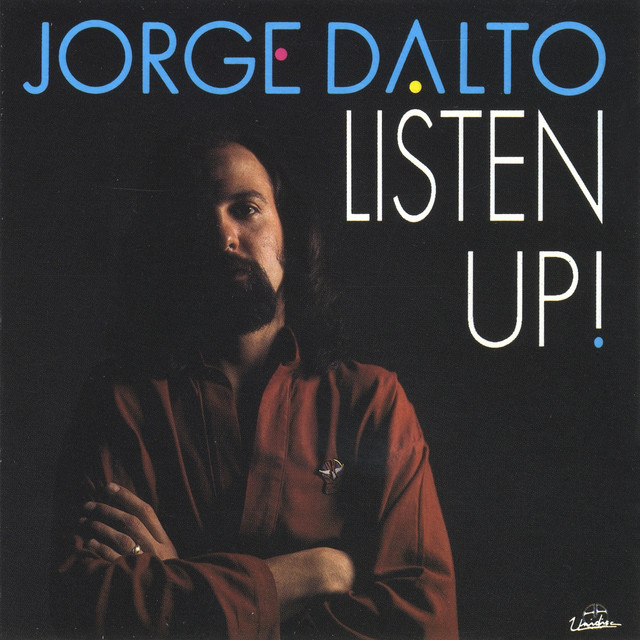
Jorge Dalto


Mário Negrão Borgonovi

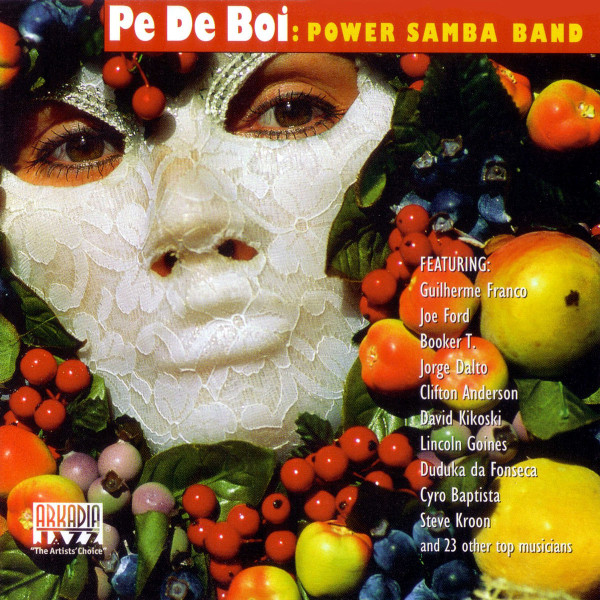
Pe De Boi



Mandrake Som

George Muribus




Paulo Moura 8T

Som Ambiente

Grupo Medusa
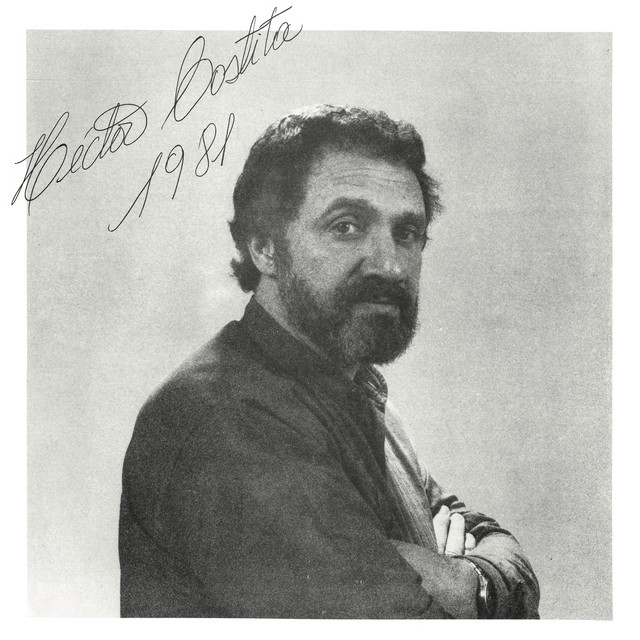
Hector Costita

Paulus Neo

山本剛

Massimo Guantini

Grupo Medusa

Omar Hill
Nova Bossa Nova

Nivaldo Ornelas

古澤良治郎
Mestizo Afroperuvian

Martial Cohen-Solal

Paolo Achenza Trio

Intensive Jazz Sextet

ROBIN JONES SEVEN

Ira Kris


Bossa 3

Ray Pizzi
Guilherme Vergueiro
Salvador Da Silva Filho

稲垣次郎とリズム・マシーン

Pamela Wise
