Data may be outdated
Last updated: 9 months ago — Click refresh to get the latest statistics.
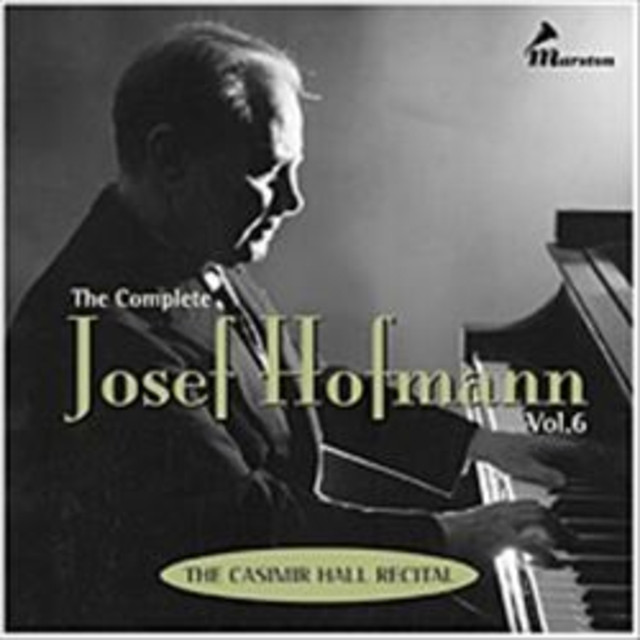
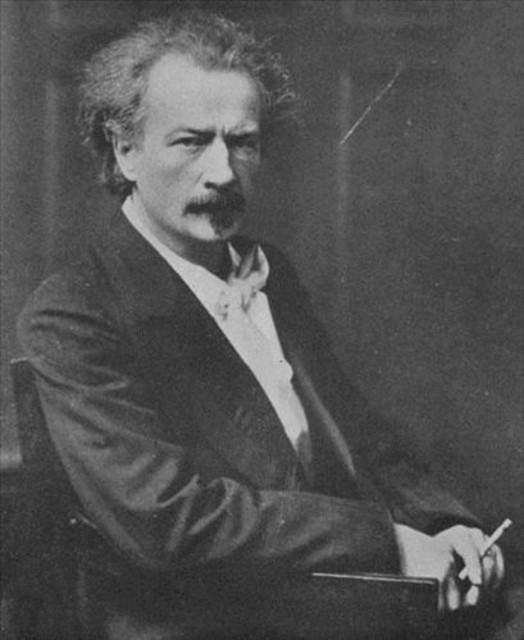
Josef Hofmann was one of the top pianists during the first half of the 20th century. He was admired for his wide dynamic range, flawless technique, and for his spontaneous and exciting sense of musicality.
Hofmann was born in Kraków, Poland, in 1876, and his parents were both musicians. His father, Kazimierz, taught harmony and counterpoint, and conducted at the Kraków Theater, and his mother, Matylda, was a singer who also performed at the Kraków Theater. Hofmann began learning music theory from his father when he was just three years old. He learned quickly and was also found to be just as gifted in other subjects, such as science and mathematics. At the age of five, he performed his debut recital in Warsaw, and two years later he toured Europe. In 1886, he moved with his family to Berlin, where he would have access to the leading music educators of the time. The following year, he performed a sensational debut at the Metropolitan Opera House. The performance was a huge success and critics compared Hofmann to <a href="spotify:artist:4NJhFmfw43RLBLjQvxDuRS">Mozart</a> and <a href="spotify:artist:6MF58APd3YV72Ln2eVg710">Mendelssohn</a>. He also visited the labs of Thomas Edison in New Jersey and made wax cylinder recordings before returning to Germany. In 1892, Hofmann began studying composition with Heinrich Urban, and piano with <a href="spotify:artist:5x2Ufw4gSPVw4TNcGCpFT1">Moritz Moszkowski</a>. However, <a href="spotify:artist:5x2Ufw4gSPVw4TNcGCpFT1">Moszkowski</a> and Hofmann did not get along very well, which led the young pianist to audition for <a href="spotify:artist:01ngcjkCXOFGBB3UVG3saM">Anton Rubinstein</a>, who was impressed and accepted him as his only student. After two years of studies with <a href="spotify:artist:01ngcjkCXOFGBB3UVG3saM">Rubinstein</a>, Hofmann performed his teacher's Fourth Piano Concerto in Dresden with <a href="spotify:artist:01ngcjkCXOFGBB3UVG3saM">Rubinstein</a> conducting.
For the next 30 years or so, Hofmann composed and toured extensively throughout Russia, Europe, and North and South America. His abilities were commonly regarded as unsurpassable, and he influenced countless piano students who aspired to play like him. <a href="spotify:artist:0Kekt6CKSo0m5mivKcoH51">Rachmaninov</a> dedicated his Third Piano Concerto to Hofmann in 1909, but the pianist never performed it because he said it had "too many notes." From 1926 to 1938, he served as director at the Curtis Institute of Music in Philadelphia. He also continued touring, but it was around this time that he became an alcoholic, which ultimately led to his decline as a performer. Around 1940, Hofmann began reducing his performance schedule until his eventual retirement in 1946. He spent his final years conceptualizing and inventing for a broad spectrum of applications, ranging from automotive components to designs for Steinway piano actions. Hofmann passed away in Los Angeles in 1957, after suffering from pneumonia. ~ RJ Lambert, Rovi
Hofmann was born in Kraków, Poland, in 1876, and his parents were both musicians. His father, Kazimierz, taught harmony and counterpoint, and conducted at the Kraków Theater, and his mother, Matylda, was a singer who also performed at the Kraków Theater. Hofmann began learning music theory from his father when he was just three years old. He learned quickly and was also found to be just as gifted in other subjects, such as science and mathematics. At the age of five, he performed his debut recital in Warsaw, and two years later he toured Europe. In 1886, he moved with his family to Berlin, where he would have access to the leading music educators of the time. The following year, he performed a sensational debut at the Metropolitan Opera House. The performance was a huge success and critics compared Hofmann to <a href="spotify:artist:4NJhFmfw43RLBLjQvxDuRS">Mozart</a> and <a href="spotify:artist:6MF58APd3YV72Ln2eVg710">Mendelssohn</a>. He also visited the labs of Thomas Edison in New Jersey and made wax cylinder recordings before returning to Germany. In 1892, Hofmann began studying composition with Heinrich Urban, and piano with <a href="spotify:artist:5x2Ufw4gSPVw4TNcGCpFT1">Moritz Moszkowski</a>. However, <a href="spotify:artist:5x2Ufw4gSPVw4TNcGCpFT1">Moszkowski</a> and Hofmann did not get along very well, which led the young pianist to audition for <a href="spotify:artist:01ngcjkCXOFGBB3UVG3saM">Anton Rubinstein</a>, who was impressed and accepted him as his only student. After two years of studies with <a href="spotify:artist:01ngcjkCXOFGBB3UVG3saM">Rubinstein</a>, Hofmann performed his teacher's Fourth Piano Concerto in Dresden with <a href="spotify:artist:01ngcjkCXOFGBB3UVG3saM">Rubinstein</a> conducting.
For the next 30 years or so, Hofmann composed and toured extensively throughout Russia, Europe, and North and South America. His abilities were commonly regarded as unsurpassable, and he influenced countless piano students who aspired to play like him. <a href="spotify:artist:0Kekt6CKSo0m5mivKcoH51">Rachmaninov</a> dedicated his Third Piano Concerto to Hofmann in 1909, but the pianist never performed it because he said it had "too many notes." From 1926 to 1938, he served as director at the Curtis Institute of Music in Philadelphia. He also continued touring, but it was around this time that he became an alcoholic, which ultimately led to his decline as a performer. Around 1940, Hofmann began reducing his performance schedule until his eventual retirement in 1946. He spent his final years conceptualizing and inventing for a broad spectrum of applications, ranging from automotive components to designs for Steinway piano actions. Hofmann passed away in Los Angeles in 1957, after suffering from pneumonia. ~ RJ Lambert, Rovi
Monthly Listeners
22,170
Monthly Listeners History
Track the evolution of monthly listeners over the last 28 days.
Followers
3,707
Followers History
Track the evolution of followers over the last 28 days.
Top Cities
351 listeners
273 listeners

260 listeners

199 listeners

198 listeners

Related Artists
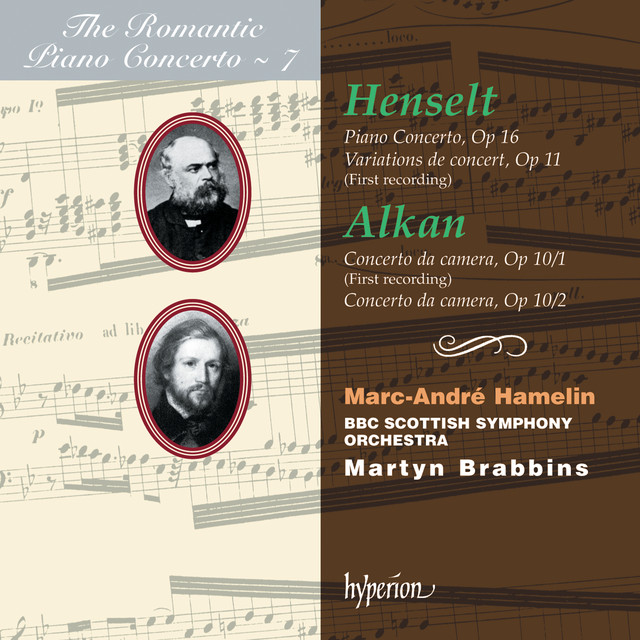
Adolf von Henselt

Rudolph Ganz
Gottlieb Wallisch
Leslie Howard
Arthur Friedheim
Guiomar Novaes

Theodor Leschetizky
Carl Friedberg
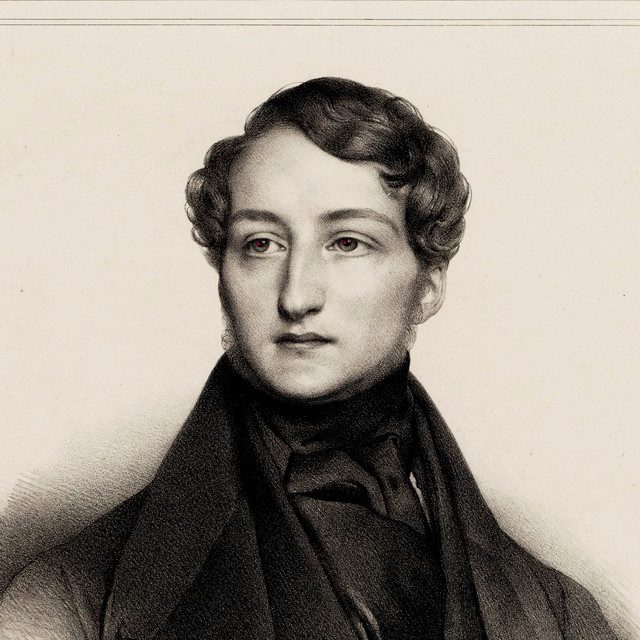
Sigismond Thalberg
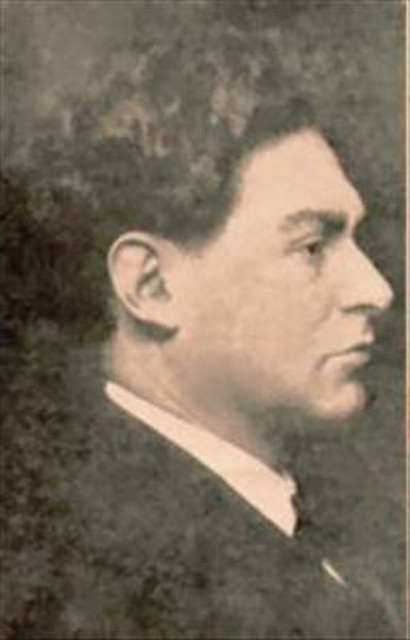
Harold Bauer
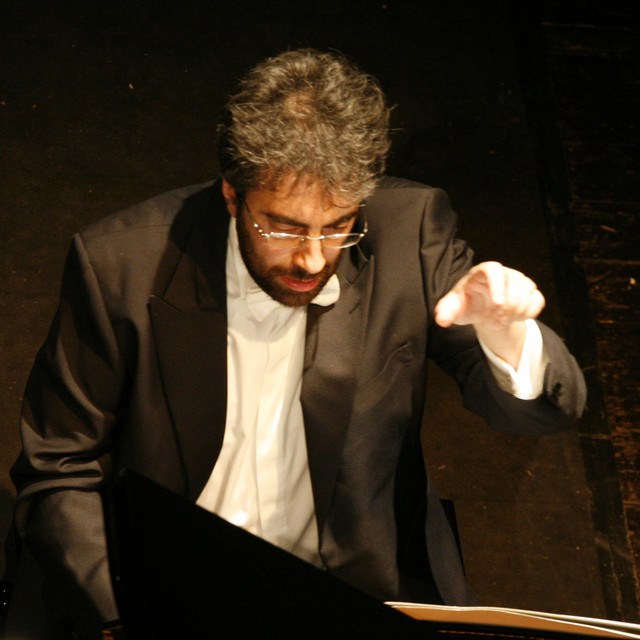
Paolo Ceccarini
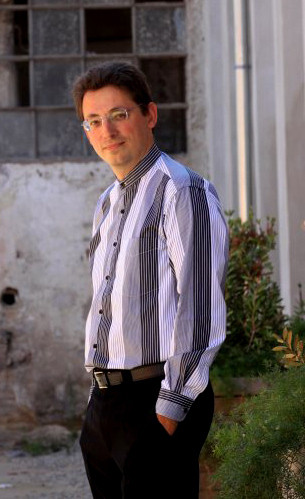
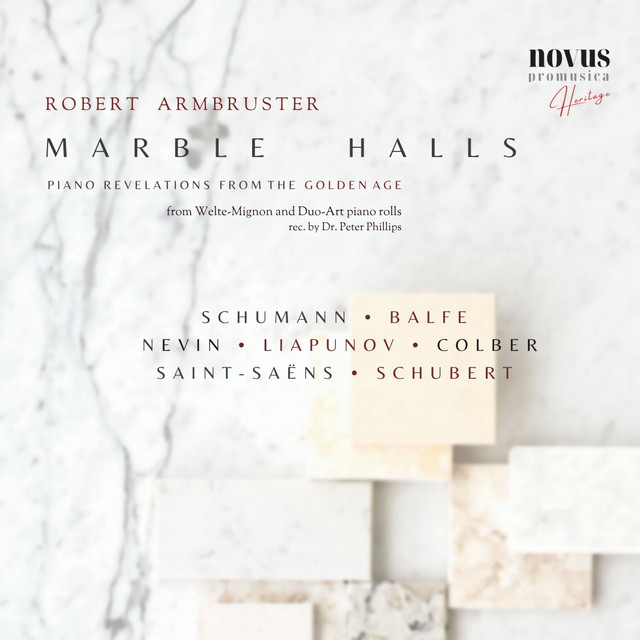
Robert Armbruster
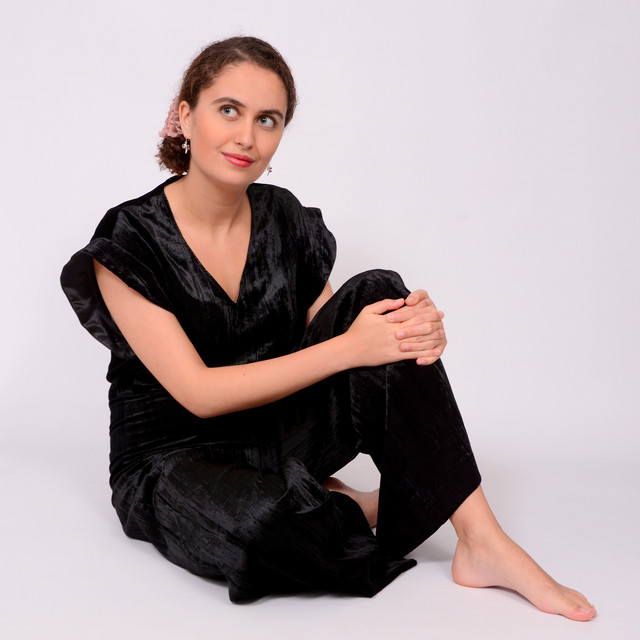
Laura Ballestrino

Ivana Gavrić
Dana Ciocarlie
Ethel Leginska
Andrés Navarro
Alberto Nones

Anna Lipiak

Roberte Mamou


Arthur Nikisch


Hélène de Montgeroult
John Henry Powell
Sophia Vaillant
Jonathan Plowright
