Data may be outdated
Last updated: 9 months ago — Click refresh to get the latest statistics.
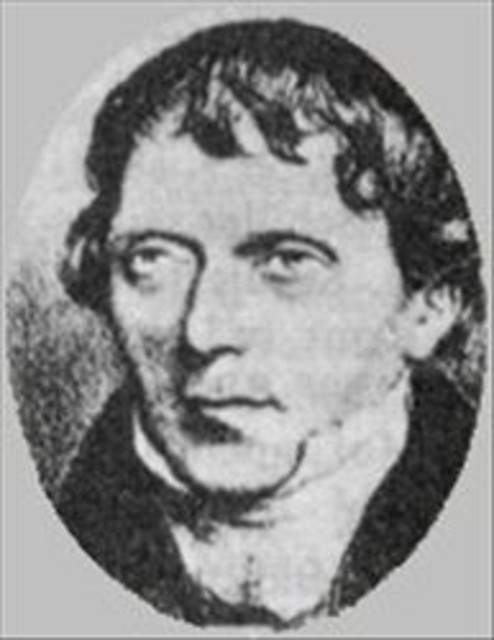
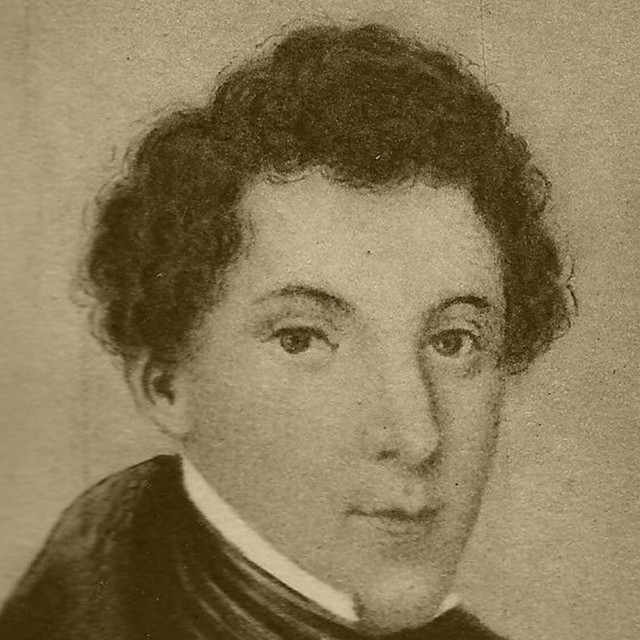
The remarkable career of composer Juan Crisóstomo Arriaga, dubbed the "Spanish Mozart" by musicians of the late nineteenth century, was cut tragically short by his death just ten days before his 20th birthday. Today his fame rests as much on brilliant potential as it does on his actual output of music (of which there is, sadly, quite little).
Arriaga was born on January 27, 1806 (50 years to the day after Mozart), in the Basque town of Bilbao. An account of his life by musicologist and composer <a href="spotify:artist:7LTP6aJXsP1XJ1JxSy2LgL">Francois Fétis</a> (with whom Arriaga would later study) indicates that young Juan Crisóstomo received almost no childhood training in music, though it is quite possible that this account (like many later ones, including those that claim Arriaga was born two years later than he actually was) is slanted so as to make Arriaga's already exceptional precociousness even more pronounced. One way or the other, the pieces composed by Arriaga in Bilbao, while not as finely crafted as the music from just a few years later, show no lack of formal understanding. He was, in addition, a skilled violinist as a youth, though whether his ability derived solely from innate talent or was in part the result of study with some nameless violinist remains unknown.
At 15 Arriaga enrolled at the Paris Conservatoire, where he studied violin with the legendary Pierre Baillot and was trained in counterpoint and harmony by Fétis. In 1823 he earned the Conservatoire's second prize in fugue and counterpoint and shortly thereafter was hired as an assistant for one of the Conservatoire's harmony courses. During 1824 he published three string quartets (D minor, A major, and E flat major). For the remaining two years of his life Arriaga focused his creative energies on vocal and choral music (both sacred and secular, including such large-scale works as the Stabat Mater, a mass which has since been lost, and several cantatas/dramatic "scenes"), though he found time to complete the large Symphony in D major as well. His death may have been due to a lung infection.
Arriaga was essentially a conservative composer whose innate personality was strong enough to manifest itself despite the rigid academic constraints maintained by the Paris Conservatoire at that time. The Italian influence which saturates Arriaga's earliest music (including the Overture for orchestra, Op. 1, and the opera The Happy Slaves, produced in Bilbao in 1820) was discarded almost immediately upon entering the Conservatoire, where Arriaga's developing contrapuntal and harmonic skills enabled him to forge an elegant style that owes much to the aristocratic, formal (but nevertheless very flexible) outlines of the Viennese Classical masters.
Once a forgotten figure in the history of music, Arriaga was brought back into the concert hall during the late nineteenth century, and a publishing campaign was begun in his native Bilbao during the middle twentieth century. The comparatively meager size of Arriaga's contribution to the concert repertory, however, has ensured that he remains a little-known, undervalued musical gem.
Arriaga was born on January 27, 1806 (50 years to the day after Mozart), in the Basque town of Bilbao. An account of his life by musicologist and composer <a href="spotify:artist:7LTP6aJXsP1XJ1JxSy2LgL">Francois Fétis</a> (with whom Arriaga would later study) indicates that young Juan Crisóstomo received almost no childhood training in music, though it is quite possible that this account (like many later ones, including those that claim Arriaga was born two years later than he actually was) is slanted so as to make Arriaga's already exceptional precociousness even more pronounced. One way or the other, the pieces composed by Arriaga in Bilbao, while not as finely crafted as the music from just a few years later, show no lack of formal understanding. He was, in addition, a skilled violinist as a youth, though whether his ability derived solely from innate talent or was in part the result of study with some nameless violinist remains unknown.
At 15 Arriaga enrolled at the Paris Conservatoire, where he studied violin with the legendary Pierre Baillot and was trained in counterpoint and harmony by Fétis. In 1823 he earned the Conservatoire's second prize in fugue and counterpoint and shortly thereafter was hired as an assistant for one of the Conservatoire's harmony courses. During 1824 he published three string quartets (D minor, A major, and E flat major). For the remaining two years of his life Arriaga focused his creative energies on vocal and choral music (both sacred and secular, including such large-scale works as the Stabat Mater, a mass which has since been lost, and several cantatas/dramatic "scenes"), though he found time to complete the large Symphony in D major as well. His death may have been due to a lung infection.
Arriaga was essentially a conservative composer whose innate personality was strong enough to manifest itself despite the rigid academic constraints maintained by the Paris Conservatoire at that time. The Italian influence which saturates Arriaga's earliest music (including the Overture for orchestra, Op. 1, and the opera The Happy Slaves, produced in Bilbao in 1820) was discarded almost immediately upon entering the Conservatoire, where Arriaga's developing contrapuntal and harmonic skills enabled him to forge an elegant style that owes much to the aristocratic, formal (but nevertheless very flexible) outlines of the Viennese Classical masters.
Once a forgotten figure in the history of music, Arriaga was brought back into the concert hall during the late nineteenth century, and a publishing campaign was begun in his native Bilbao during the middle twentieth century. The comparatively meager size of Arriaga's contribution to the concert repertory, however, has ensured that he remains a little-known, undervalued musical gem.
Monthly Listeners
1,614
Monthly Listeners History
Track the evolution of monthly listeners over the last 28 days.
Followers
1,686
Followers History
Track the evolution of followers over the last 28 days.
Top Cities
174 listeners
90 listeners
43 listeners
32 listeners
27 listeners

Related Artists
Andrea Bischof


Klenke Quartet

Lindsay String Quartet
Arvid Engegard
Ignaz Pleyel

Andreas Jakob Romberg
Hausmusik
Anton Wranitzky
Berlin Philharmonic Octet
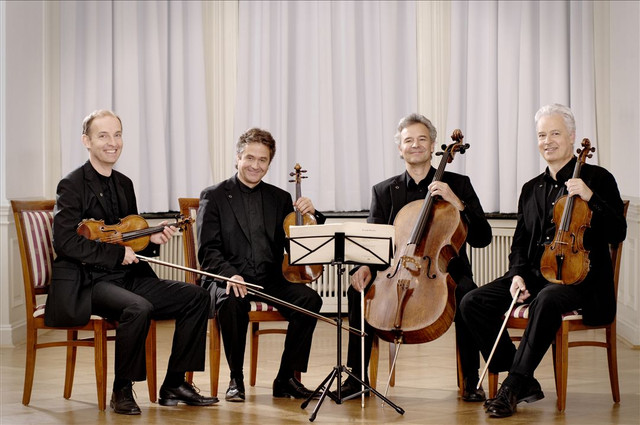
Auryn Quartet
George Onslow
Yuko Inoue
Vienna String Quartet

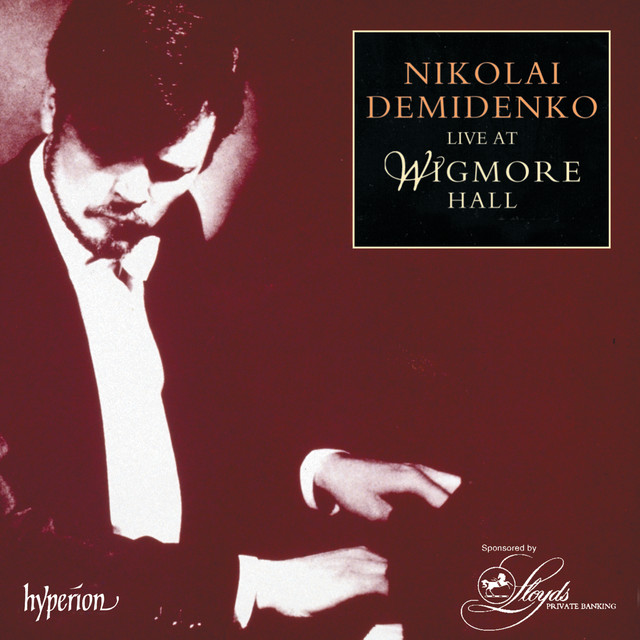
Jan Václav Vorísek

Stamic Quartet
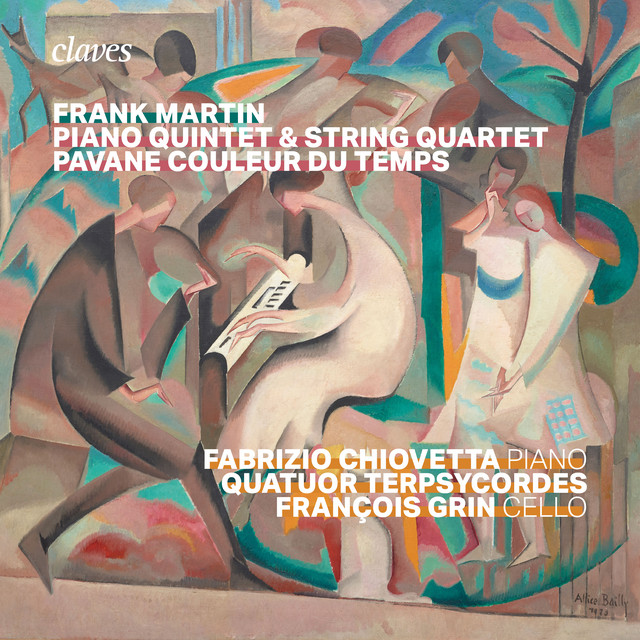
Quatuor Terpsycordes
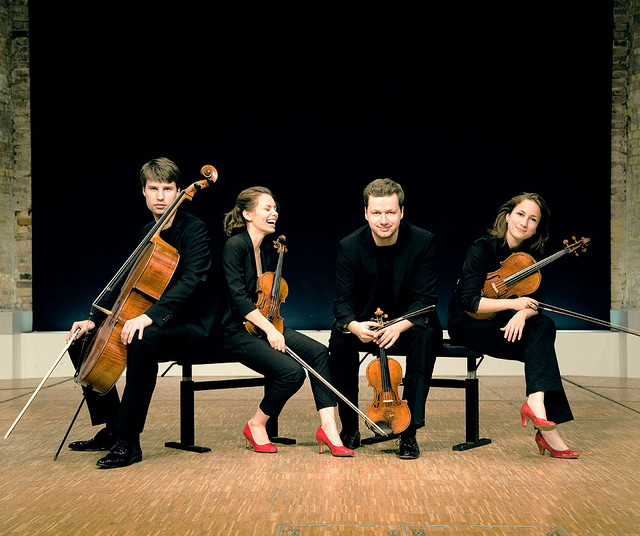
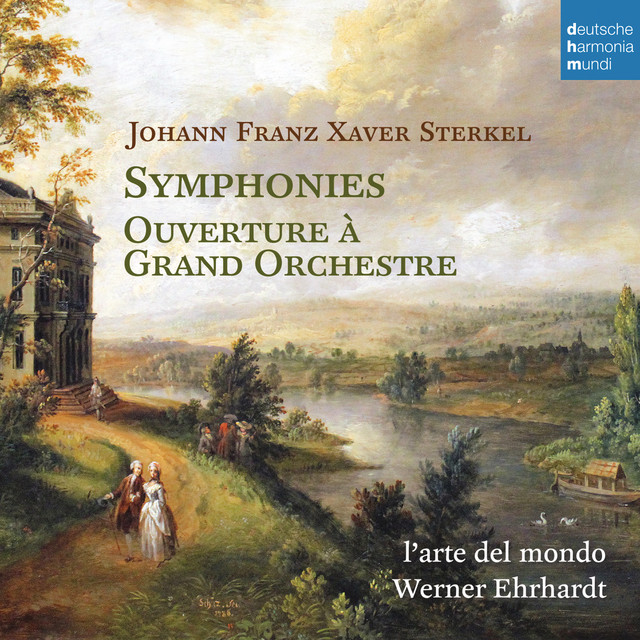
Johann Franz Xaver Sterkel
I Virtuosi del Teatro alla Scala

Hyacinthe Jadin

Maddalena Laura Lombardini Sirmen
Dieter Klöcker
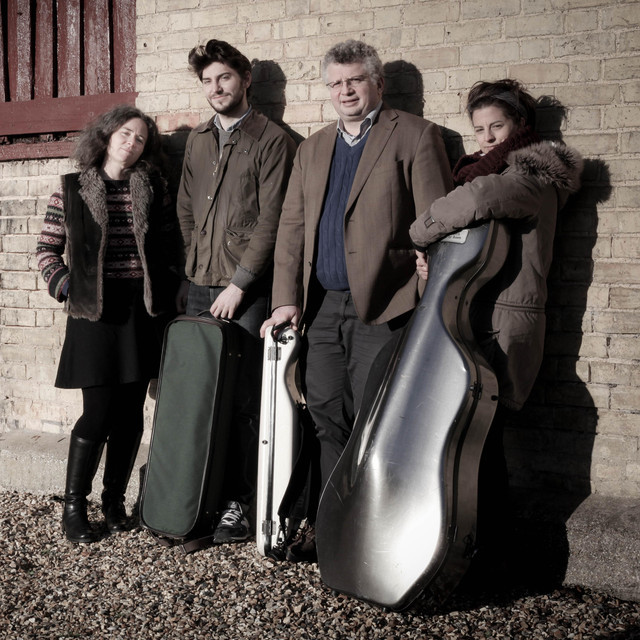
Allegri String Quartet
Friedrich Witt
Rainer Küchl

Franz Krommer
Czech Nonet
Adalbert Gyrowetz
Norbert Brainin

Lorenzo Gatto
Franz Joseph Haydn