Data may be outdated
Last updated: 9 months ago — Click refresh to get the latest statistics.
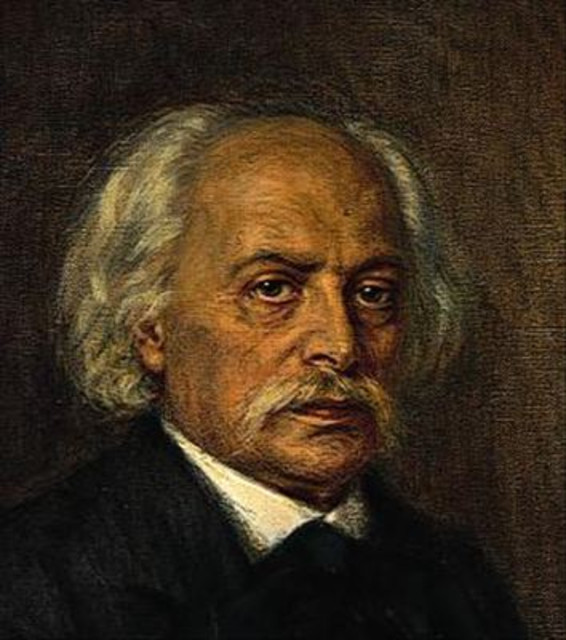
Composer Karl Goldmark, famous in Vienna throughout the second half of the nineteenth century, was born into an enormous Jewish family (Goldmark had over 20 siblings) in Hungary in 1830. The family moved to the outskirts of Ödenburg (now Sopron) in 1834, and seven years later Goldmark began to study the violin (in a most rudimentary way, his first teacher being a singer with little instrumental experience). After two years at the Ödenburg music school (1842-1843) the talented but untrained 14-year-old was sent to Vienna for serious violin studies (1844). Forced for monetary reasons to abandon the lessons after a little over a year, but nevertheless determined to pursue music as a vocation, Goldmark managed to gain admittance first to the Vienna technical school and, in 1847, to the city's conservatory, where he studied violin with the respected performer Joseph Böhm and harmony (for a very brief time) with Gottfried Preyer.
Political troubles in the city in 1848 -- which shut down many Viennese institutions of learning, including the conservatory -- forced Goldmark to abandon school after just a year of formal study. Working as a theater violinist and music teacher (first in Ödenburg and later in back in Vienna) for the next several years, Goldmark began trying to hone his skills as a composer, and in 1858 he organized a concert of his own music in Vienna. The concert was not a success, and Goldmark, disillusioned by the reception of his music in the city and uncomfortable with his lack of thorough compositional grounding, opted to relocate to Budapest, where he immersed himself in the music of <a href="spotify:artist:5aIqB5nVVvmFsvSdExz408">Bach</a>, <a href="spotify:artist:4NJhFmfw43RLBLjQvxDuRS">Mozart</a>, <a href="spotify:artist:656RXuyw7CE0dtjdPgjJV6">Haydn</a>, and Beethoven and studied contemporary texts on musical form and language.
Upon his return to Vienna in 1860 Goldmark met with considerable and immediate success, and by the 1870s a string of successful works (such as the String Quartet, Op. 8 of 1860, the Sakuntala overture of 1865, and, most significantly, the 1875 opera Die Königin von Saba [The Queen of Saba]) and the 1877 symphonic poem Rustic Wedding had placed Goldmark in the front tier of contemporary Austro-German composers. Despite the objections of many leading musicians (among them the outspoken critic Eduard Hanslick) who considered him to be just another second-rate Wagnerian, Goldmark remained an honored and very visible part of Viennese musical life until his death in 1915 at the age of 84.
Goldmark's musical influences were many and varied, beginning with his exposure to local folk dances while a child in Hungary, and later moving through <a href="spotify:artist:1C1x4MVkql8AiABuTw6DgE">Wagner</a> towards a unique blend of German classicism and impressionism (a style he was just beginning to explore at the time of his death). Some of Goldmark's mature pieces, particularly the operas Die Königin von Saba and Ein Wintermärchen (A Winter Tale, 1908) and the Op.28 violin concerto, successfully employ a unique and beautiful language, rich in melody and warmly chromatic; at other times (as in most of the music for piano, an instrument for which Goldmark had little native sympathy) his work falls rather short of its hyper-expressive goal.
Political troubles in the city in 1848 -- which shut down many Viennese institutions of learning, including the conservatory -- forced Goldmark to abandon school after just a year of formal study. Working as a theater violinist and music teacher (first in Ödenburg and later in back in Vienna) for the next several years, Goldmark began trying to hone his skills as a composer, and in 1858 he organized a concert of his own music in Vienna. The concert was not a success, and Goldmark, disillusioned by the reception of his music in the city and uncomfortable with his lack of thorough compositional grounding, opted to relocate to Budapest, where he immersed himself in the music of <a href="spotify:artist:5aIqB5nVVvmFsvSdExz408">Bach</a>, <a href="spotify:artist:4NJhFmfw43RLBLjQvxDuRS">Mozart</a>, <a href="spotify:artist:656RXuyw7CE0dtjdPgjJV6">Haydn</a>, and Beethoven and studied contemporary texts on musical form and language.
Upon his return to Vienna in 1860 Goldmark met with considerable and immediate success, and by the 1870s a string of successful works (such as the String Quartet, Op. 8 of 1860, the Sakuntala overture of 1865, and, most significantly, the 1875 opera Die Königin von Saba [The Queen of Saba]) and the 1877 symphonic poem Rustic Wedding had placed Goldmark in the front tier of contemporary Austro-German composers. Despite the objections of many leading musicians (among them the outspoken critic Eduard Hanslick) who considered him to be just another second-rate Wagnerian, Goldmark remained an honored and very visible part of Viennese musical life until his death in 1915 at the age of 84.
Goldmark's musical influences were many and varied, beginning with his exposure to local folk dances while a child in Hungary, and later moving through <a href="spotify:artist:1C1x4MVkql8AiABuTw6DgE">Wagner</a> towards a unique blend of German classicism and impressionism (a style he was just beginning to explore at the time of his death). Some of Goldmark's mature pieces, particularly the operas Die Königin von Saba and Ein Wintermärchen (A Winter Tale, 1908) and the Op.28 violin concerto, successfully employ a unique and beautiful language, rich in melody and warmly chromatic; at other times (as in most of the music for piano, an instrument for which Goldmark had little native sympathy) his work falls rather short of its hyper-expressive goal.
Monthly Listeners
2,124
Monthly Listeners History
Track the evolution of monthly listeners over the last 28 days.
Followers
1,873
Followers History
Track the evolution of followers over the last 28 days.
Top Cities



Related Artists
Arthur Foote
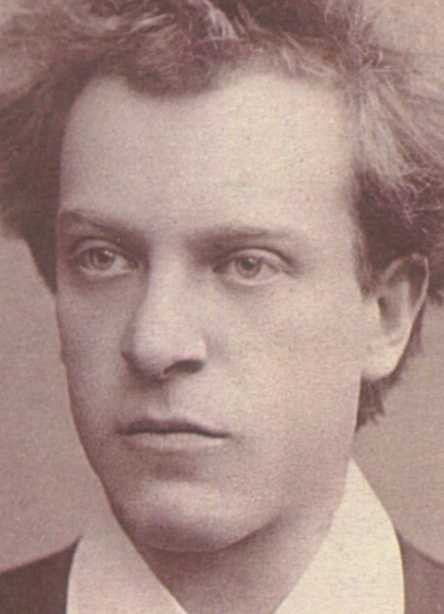
Hans Rott
Helena Munktell

Bochumer Symphoniker
Düsseldorfer Symphoniker
Granville Bantock

Einar Englund
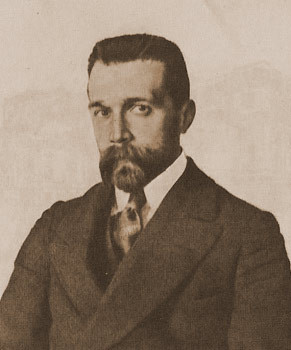
Nikolai Myaskovsky
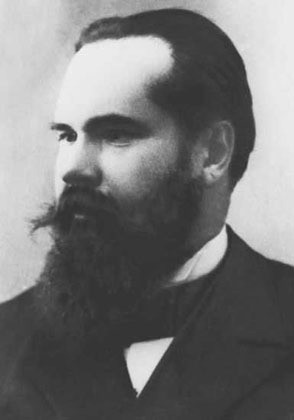
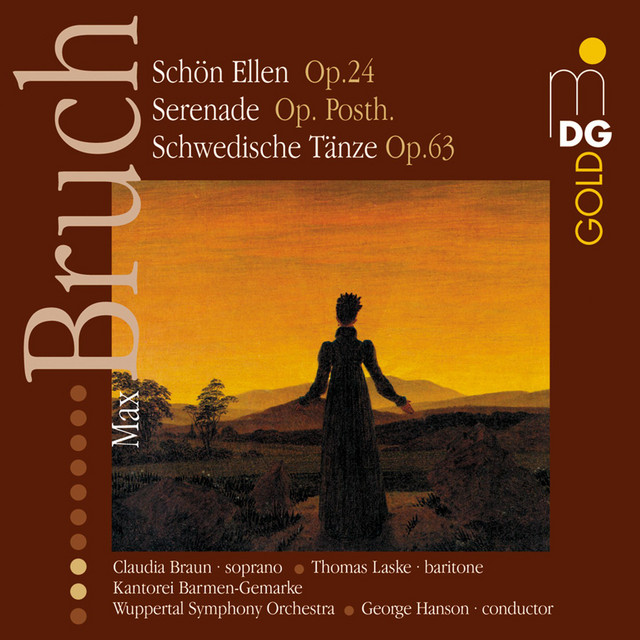

Soo-Hyun Park
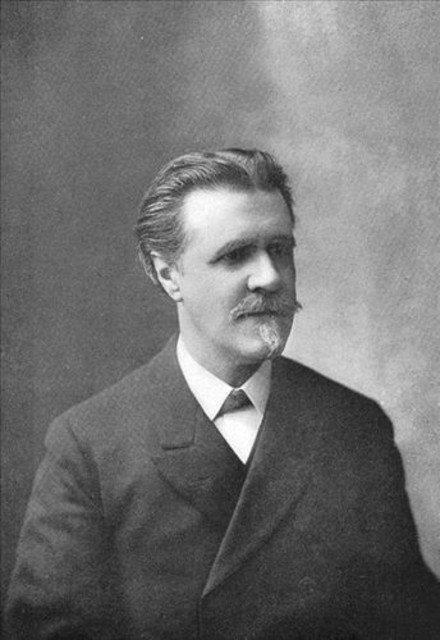
Karl Davidov

Josef Bohuslav Foerster

Louis Théodore Gouvy
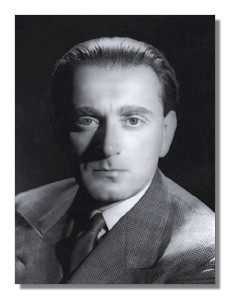
László Lajtha
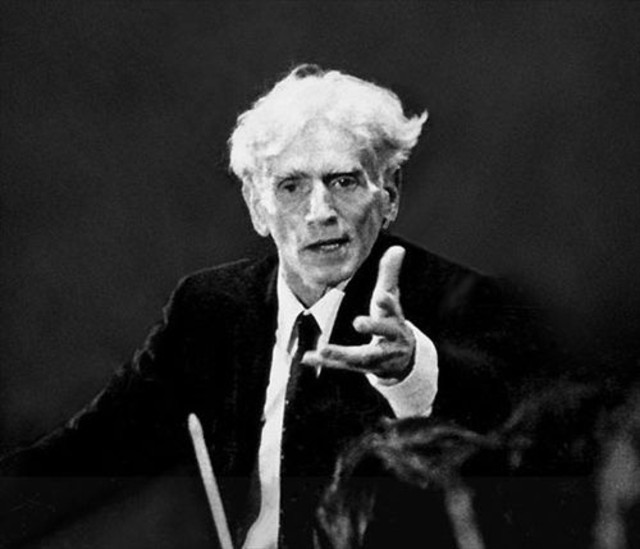

Louis Glass
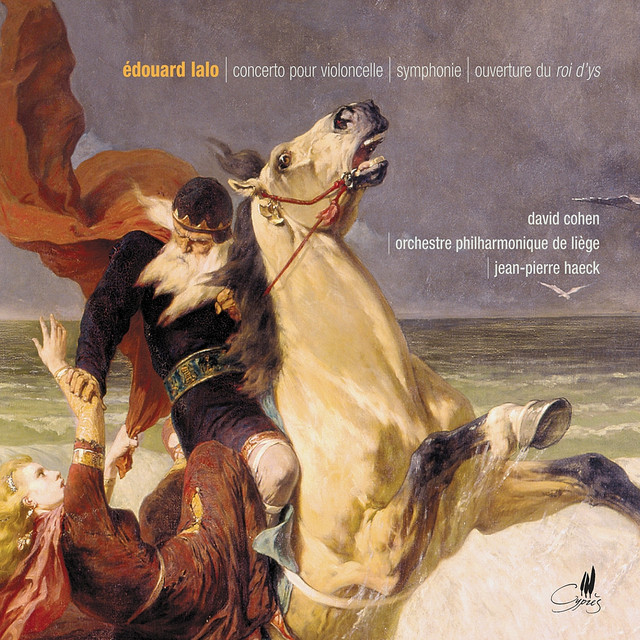
David Cohen
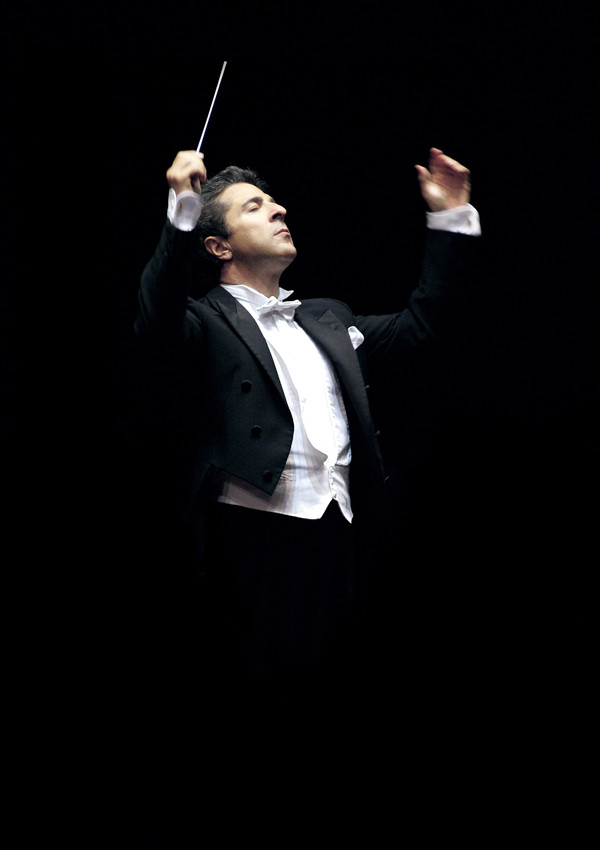
Rome Symphony Orchestra
Woldemar Bargiel
Laurent Verney
Paul Cortese

Dennis Burkh
György Selmeczi
Oxalys
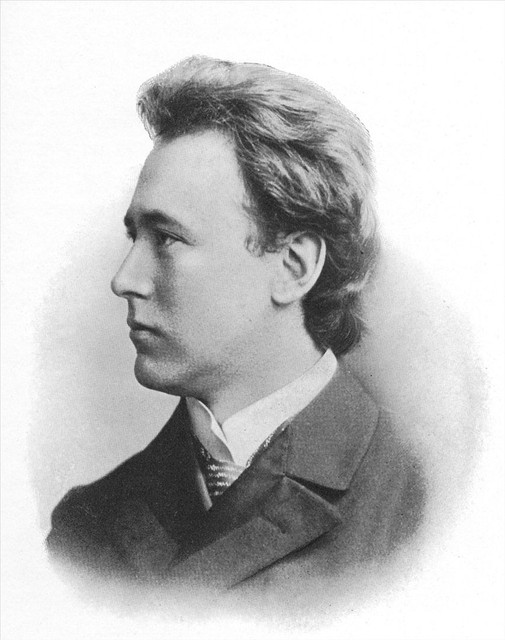
Felix Weingartner
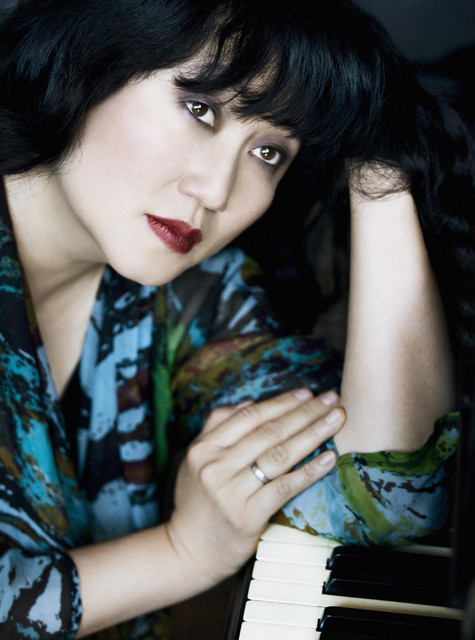
Wu Han

Westphalian Symphony Orchestra

Ronald Zollman

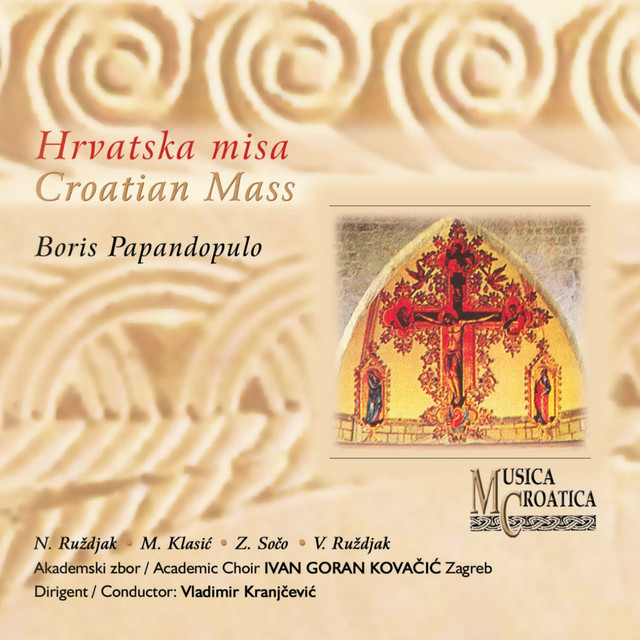
Boris Papandopulo

Eduard Franck

Cape Town Philharmonic Orchestra