Data may be outdated
Last updated: 2 months ago — Click refresh to get the latest statistics.
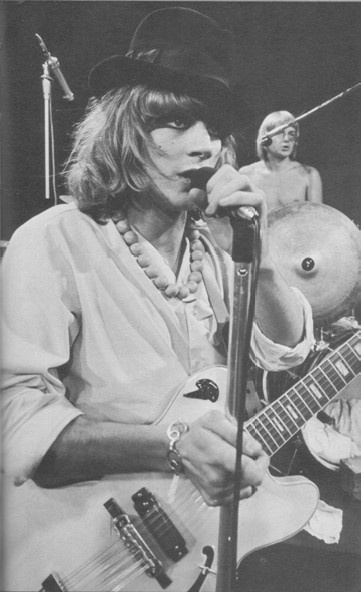
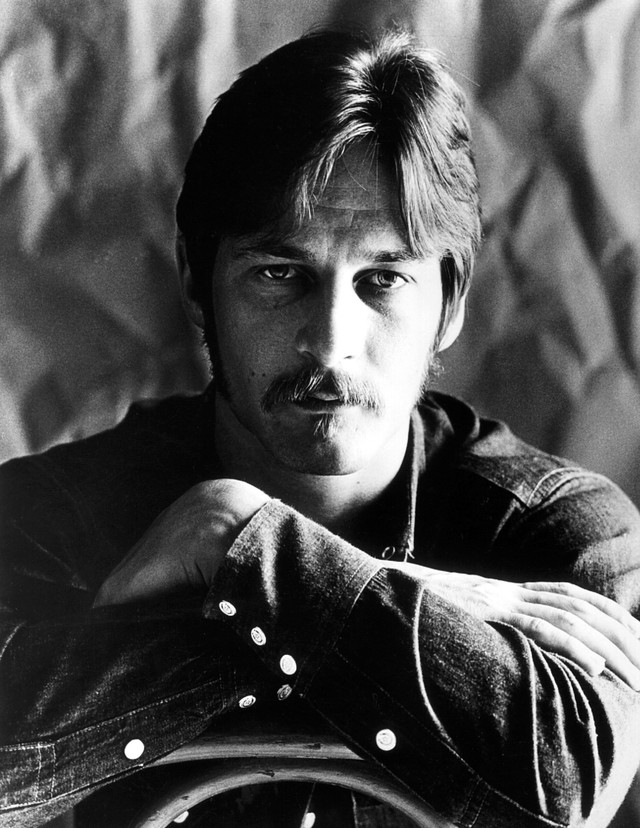
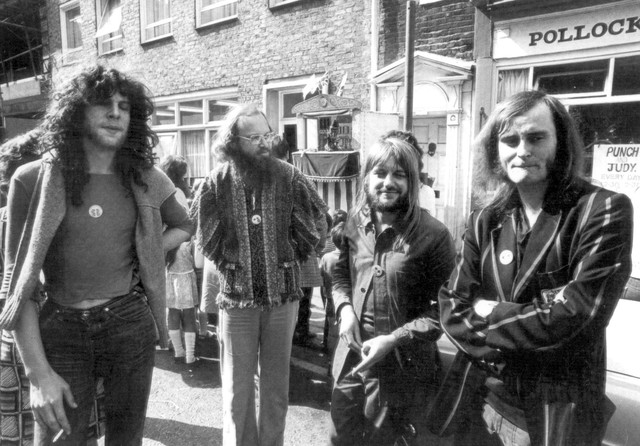
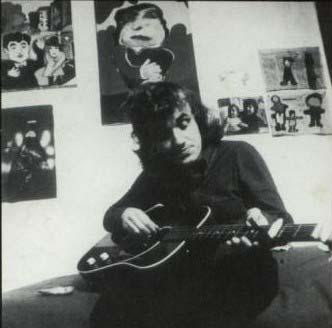
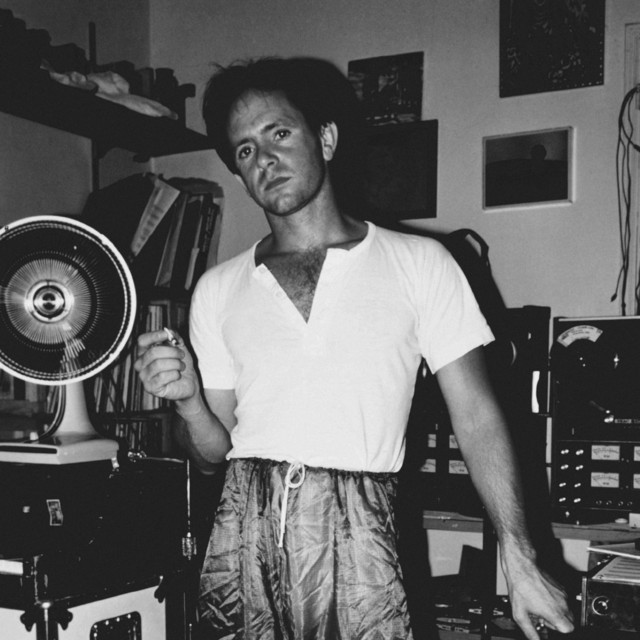
Ayers cultivated a taste for the bohemian lifestyle early, spending much of his childhood in Majorca before he moved with his mother to Canterbury in the early '60s. There he fell in with the town's fermenting underground scene, which included future members of <a href="spotify:artist:5A0MH7JfEBEMySevsmauds">Soft Machine</a> and <a href="spotify:artist:5kwbFaRKf9HCFGrJPacZ7s">Caravan</a>. For a while he sang with <a href="spotify:artist:2CgwH754tVfpTo5tHjMDzP">the Wilde Flowers</a>, a group that also included future <a href="spotify:artist:5A0MH7JfEBEMySevsmauds">Softs</a> <a href="spotify:artist:5iksmHDN2qZQcgFfXqIXtT">Robert Wyatt</a> and <a href="spotify:artist:4e9osZQKPYzAaIceas7ezQ">Hugh Hopper</a>. He left in 1965, met fellow freak <a href="spotify:artist:4TKZe6WKiBlHCvnhO1lsa7">Daevid Allen</a> in Majorca, and returned to the U.K. in 1966 to found the first <a href="spotify:artist:5A0MH7JfEBEMySevsmauds">Soft Machine</a> lineup with <a href="spotify:artist:4TKZe6WKiBlHCvnhO1lsa7">Allen</a>, <a href="spotify:artist:5iksmHDN2qZQcgFfXqIXtT">Wyatt</a>, and <a href="spotify:artist:5qwzRqCWqo8sLL9fLAytbD">Mike Ratledge</a>.
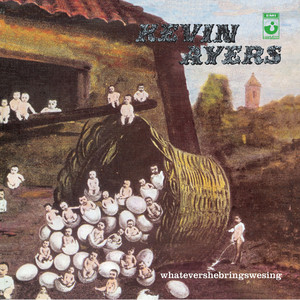
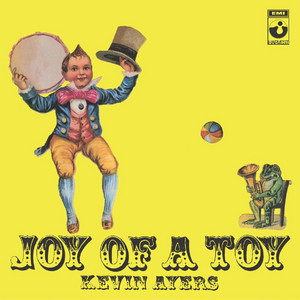
<a href="spotify:artist:5iksmHDN2qZQcgFfXqIXtT">Wyatt</a> is often regarded as the prime mover behind <a href="spotify:artist:5A0MH7JfEBEMySevsmauds">Soft Machine</a>, but Ayers' contributions carried equal weight in the early days. Besides playing bass, he wrote and sang much of their material. He can be heard on their 1967 demos and their 1968 debut album, but by the end of 1968 he felt burned out and quit. Selling his bass to <a href="spotify:artist:5oDKuJduSZVqcOszqPs26t">Mitch Mitchell</a> of the Jimi Hendrix Experience, he began to write songs on guitar, leading to a contract with <a href="spotify:search:label%3A%22Harvest%22">Harvest</a> in 1969. His relationship with his ex-<a href="spotify:artist:5A0MH7JfEBEMySevsmauds">Soft Machine</a> mates remained amiable; in fact, <a href="spotify:artist:5iksmHDN2qZQcgFfXqIXtT">Wyatt</a> and <a href="spotify:artist:5qwzRqCWqo8sLL9fLAytbD">Ratledge</a> (as well as Ayers' replacement, <a href="spotify:artist:4e9osZQKPYzAaIceas7ezQ">Hugh Hopper</a>) guested on Ayers' 1969 debut.
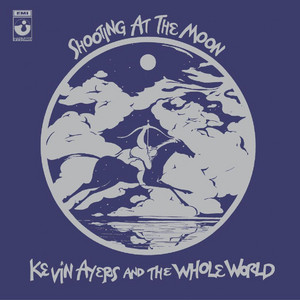
Ayers' solo material reflected a folkier, lazier, and gentler bent than <a href="spotify:artist:5A0MH7JfEBEMySevsmauds">Soft Machine</a>. In some respects he was comparable to <a href="spotify:artist:6Lt3HS8R2v8Q4G7ZkUWa8R">Syd Barrett</a>, without the madness -- and without the ferocious heights of <a href="spotify:artist:6Lt3HS8R2v8Q4G7ZkUWa8R">Barrett</a>'s most innovative work. Ayers was never less than enjoyable and original, though his albums were erratic right from the start, veering from singalong ditties and pleasant, frothy folk ballads to dissonant improvisation. The more ambitious progressive rock elements came to the forefront when he fronted the Whole World in the early '70s. The backing band included a teenage <a href="spotify:artist:562Od3CffWedyz2BbeYWVn">Mike Oldfield</a> on guitar, <a href="spotify:artist:6o53arTX9JwsDGkT1wOT2L">Lol Coxhill</a> on sax, and <a href="spotify:artist:5RpNVhi7FsTrp6cKdPwmzX">David Bedford</a> on piano. But Ayers only released one album with them before they dissolved.
Ayers continued to release albums in a poppier vein throughout the '70s, at a regular pace. As some critics have noted, this dependable output formed an ironic counterpoint to much of his lyrics, which often celebrated a life of leisure, or even laziness. That lazy charm was often a dominant feature of his records, although Ayers always kept things interesting with offbeat arrangements, occasionally singing in foreign tongues, and flavoring his production with unusual instruments and world music rhythms. He (or <a href="spotify:search:label%3A%22Harvest%22">Harvest</a>) never gave up on the singles market, and indeed his best early-'70s efforts in that direction were accessible enough to have been hits with a little more push. Or a little less weirdness. Even Ayers at his most accessible and direct wasn't mainstream, a virtue that endeared him to his loyal cult.
That cult was limited to the rock underground, and Ayers logically concentrated on the album market throughout the 1970s. Almost always pleasant, eccentric, and catchy, these nonetheless started to sound like a cul-de-sac by the mid-'70s. Ayers pressed on without changing his approach, despite the dwindling audience for progressive rock and the oncoming train of punk and new wave. He only recorded sporadically after 1980, though he remained active in the early '90s, mostly on the European continent. Released in 2007, The Unfairground returned Ayers to the recording studio supported by a host of admiring younger musicians (including <a href="spotify:artist:6nC2QUWQf9EldmFq3iQwoL">Norman Blake</a> from <a href="spotify:artist:2Sp19cOHSqAUlE64hekARW">Teenage Fanclub</a>, <a href="spotify:artist:1symcfB0KMf0vEg2nE1pHZ">Bill Wells</a>, Frank Reader from <a href="spotify:artist:0i2IEcWvtHUBYPkYWwCgjC">Trash Can Sinatras</a>, and <a href="spotify:artist:4ZIAXslcwSuPJXw2qmztU8">Euros Childs</a> from <a href="spotify:artist:5ShFRZUGJZL1qMkIPtYV5M">Gorky's Zygotic Mynci</a>) as well as old friends and collaborators (including <a href="spotify:artist:48NRGRV9MmSBScnKTLztSt">Phil Manzanera</a>, <a href="spotify:artist:5iksmHDN2qZQcgFfXqIXtT">Robert Wyatt</a>, <a href="spotify:artist:4e9osZQKPYzAaIceas7ezQ">Hugh Hopper</a>, and <a href="spotify:artist:0YqZ5VxrmB8Ur0ziDIURdZ">Bridget St. John</a>). The album garnered a positive critical response but did not signal a return to the public eye for Ayers, however, and he returned to a reclusive life in the south of France. Ayers died in February 2013 at his home in the village of Montolieu; he was 68 years old. ~ Richie Unterberger, Rovi
Monthly Listeners
62,995
Monthly Listeners History
Track the evolution of monthly listeners over the last 28 days.
Followers
61,354
Followers History
Track the evolution of followers over the last 28 days.
Total Streams
31.3 million
Total Streams History
Track the evolution of total streams over the last 28 days. This data is calculated from all tracks listed in the artist's discography.



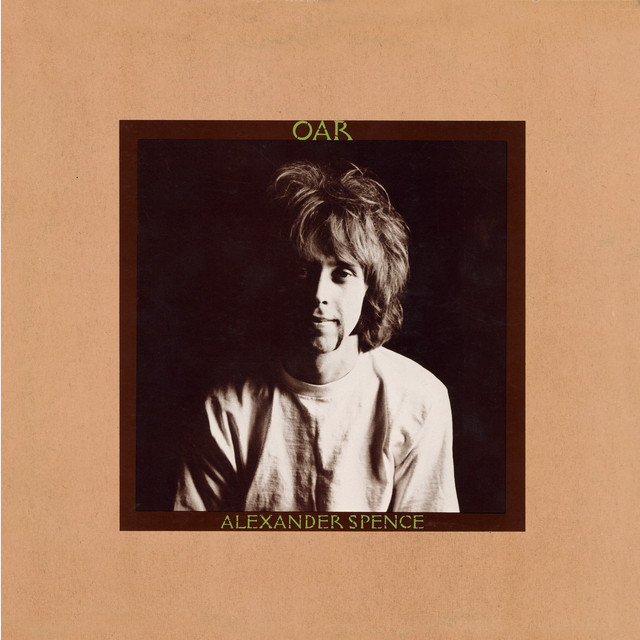





![BBC In Concert [Hampstead Theatre Club, 20th September 1972]](https://i.scdn.co/image/ab67616d00001e02926c4c961fbc78e386892039)
![BBC In Concert [Paris Theatre, 6th January 1972]](https://i.scdn.co/image/ab67616d00001e027127712004aaed2a777cd406)