Data may be outdated
Last updated: 9 months ago — Click refresh to get the latest statistics.
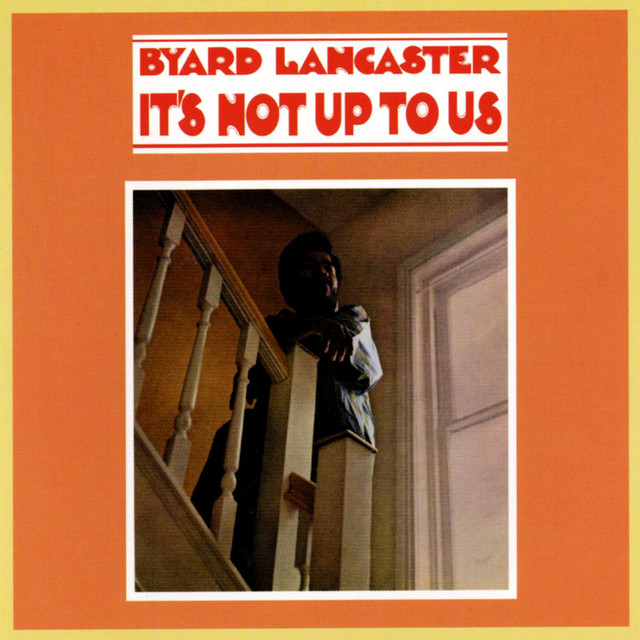
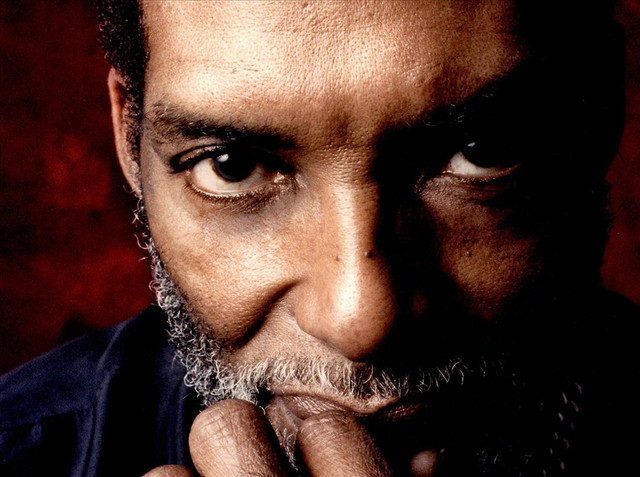
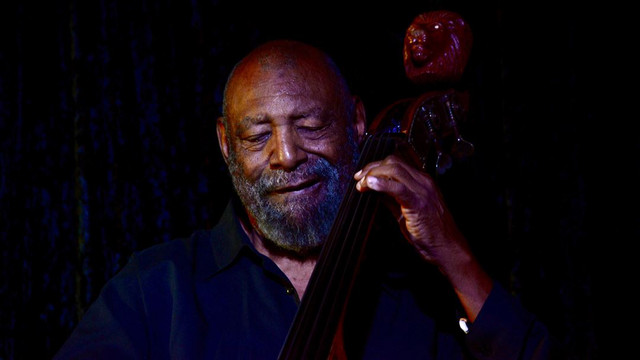
Khan Jamal was an American jazz vibraphonist, bandleader, and composer based in Philadelphia. A key figure in the city's wildly creative jazz scene, he cut his teeth on hard bop, free jazz, and vanguard jazz. His instantly identifiable warm polyrhythmic sound readily referenced the vibraphone's African origins, and his playing offered a dark, intense yet grooving vibrato that added a contrasting dimension to the cheerful tones usually associated with the instrument. Jamal co-founded the free funk septet <a href="spotify:artist:4NzXhDrFLsRYQroII5bbVG">Sounds of Liberation</a> with saxophonist <a href="spotify:artist:4EeqD5ulSmYhfXSXegeRHi">Byard Lancaster</a>. Their 1972 self-titled studio offering is widely considered a classic. 1984's Infinity is his most influential leader outing with drummer <a href="spotify:artist:1sEOsClatR9SKKmELXJVUJ">Sunny Murray</a>. In the 21st century, Jamal guested on recordings by artists as varied as <a href="spotify:artist:1Lw2WbL7CWZXAWSLWYXq4r">Matthew Shipp</a>, <a href="spotify:artist:7FEmduuEjfoagq6Qrgviji">Scanner</a>, and <a href="spotify:artist:1O8yrjjifkCO8txB4CxuOm">DJ Spooky</a> in addition to leading his own jazz ensembles on dates such as Balafon Dance and Black Awareness. 2009's Impressions of Coltrane won acclaim globally. In 2019, Unreleased, a 1973 studio date by <a href="spotify:artist:4NzXhDrFLsRYQroII5bbVG">Sounds of Liberation</a>, saw issue for the first time.
Jamal was born Warren Robert Cheeseboro in Jacksonville, Florida, to an entrepreneur father and a stride pianist mother. He left Florida as a child and was raised in Philadelphia. He studied piano in elementary and middle school but was drawn to percussion. As a teen, he would come home after school and pull out a big barrel on which to play hand drums along with <a href="spotify:artist:6QQuESLtKhAOcLW2TeWC2t">Art Blakey</a> records. After seeing <a href="spotify:artist:23i8EixXKG0EWGRCfHlUGN">Milt Jackson</a> and <a href="spotify:artist:2PjgZkwAEk7UTin4jP6HLP">Lionel Hampton</a> in Philly, he gravitated toward the vibraphone. He got his first set in 1964 as a senior in high school. His studies waited, however, while he served in the armed forces in Vietnam. Upon his discharge, Jamal found a vibes teacher in Bill Lewis at Philadelphia's Granoff School of Music before moving on to Combs College of Music. During his college years, Cheeseboro cast aside his "slave name" to become Khan Jamal.
After <a href="spotify:artist:5V5vvh5MgM7vDuPp4lJYkh">Sun Ra's Arkestra</a> relocated from New York City to Philadelphia, Jamal played with them. He also joined several of its members in the offshoot band Cosmic Forces. In addition, he teamed up with several other of its former members to play in drummer <a href="spotify:artist:1sEOsClatR9SKKmELXJVUJ">Sunny Murray's</a> Untouchable Factor. Jamal briefly moved to New York with <a href="spotify:artist:1sEOsClatR9SKKmELXJVUJ">Murray</a>, sharing a loft space on the Lower East Side. The vibraphonist spent much time hanging out at <a href="spotify:artist:0DNuWm5ZBKuCIXLNmrzuk5">Sam Rivers</a>' Rivbea and <a href="spotify:artist:47odibUtrN3lnWx0p0pk2P">Ornette Coleman</a>'s Artists House lofts and established relationships with other experimental peers.
In 1970 Jamal returned to Philly and co founded <a href="spotify:artist:4NzXhDrFLsRYQroII5bbVG">Sounds of Liberation</a> with saxophonist <a href="spotify:artist:4EeqD5ulSmYhfXSXegeRHi">Byard Lancaster</a>. Its other members included guitarist <a href="spotify:artist:2fpZE1ggqfYWHevSACcbbI">Monnette Sudler</a>, bassist Billy Mills, percussionists <a href="spotify:artist:1gxP421GOfVfA7pGhr52XY">Omar Hill</a> and Rashid Salim, and drummer Dwight James. Sounds of Liberation, an independently issued 1972 studio album, made few waves when it appeared, but in the 21st century it is regarded as a classic fusion of spiritual jazz and free funk. He followed with Drum Dance to the Motherland by the <a href="spotify:artist:5WawHtbK3Lp5hfiPnzBPc4">Creative Arts Ensemble</a>, a sextet that included <a href="spotify:artist:2fpZE1ggqfYWHevSACcbbI">Sudler</a>, Mills, and James (who, along with Jamal, also played clarinet on the date). Live and studio work was tough to come by in 1973. Frustrated, Jamal decamped to Paris in 1974, where he cut Give the Vibes Some for PALM 10, Disques Vendémiaire. Jamal floated between Europe and Philly for the next three years. He took a train to Copenhagen for a gig and met South African bassist <a href="spotify:artist:5aAplFNZE4KHKvdmo7xbNw">Johnny Dyani</a> and guitarist <a href="spotify:artist:3gBynn8PnjaFH5QZIs3XZI">Pierre Dorge</a>, with whom he would play and later record.
Jamal kept Philly as his primary base and returned to the U.S. in 1976. Given its close proximity to New York City, he spent time playing with many musicians on the loft scene (and appears on several of the classic Wildflowers volumes). In 1977, he appeared on Ted Daniels' acclaimed Tapestry, which also included drummer <a href="spotify:artist:1X6RQ2k4GB3g2CuGUhBZyv">Jerome Cooper</a> among its personnel. Jamal also played on <a href="spotify:artist:2fpZE1ggqfYWHevSACcbbI">Sudler</a>'s acclaimed <a href="spotify:search:label%3A%22Steeplechase%22">Steeplechase</a> date Brighter Days for You in 1978 and released The River, a duet album with former teacher Bill Lewis.
During the early '80s, Jamal served in drummer <a href="spotify:artist:6N3z0lCP8c9cSN9QnFp6ot">Ronald Shannon Jackson's Decoding Society</a> and was featured on the group's third album, 1982's Nasty. The same year, he worked in the <a href="spotify:artist:3ZP8PnQIJw6GJxZxWxSYkR">Jemeel Moondoc Sextet</a> for Konstanze's Delight, and with <a href="spotify:artist:1ytHXKB2HiX4Bmz8KhjjD5">Billy Bang</a> on Outline No. 12. In 1984, Jamal released Infinity on his <a href="spotify:search:label%3A%22Con%27brio%22">Con'brio</a> (later <a href="spotify:search:label%3A%22Jambrio%22">Jambrio</a>) label, his best known and most influential album, often compared to masterworks by <a href="spotify:artist:3JLUCojZaHrX2LaUkSj7Ud">Pharoah Sanders</a> and <a href="spotify:artist:0oKYiTD5CdNbrofRvM1dIr">Alice Coltrane</a>. The outing included James, <a href="spotify:artist:1sEOsClatR9SKKmELXJVUJ">Murray</a> and <a href="spotify:artist:1gxP421GOfVfA7pGhr52XY">Hill</a> on drums and percussion, <a href="spotify:artist:4EeqD5ulSmYhfXSXegeRHi">Lancaster</a> on saxophone, and Reggie Curry on bass. The set went down a storm among jazz players at the time; it was reissued just a few years later by the better-distributed New York label <a href="spotify:search:label%3A%22Stash+Records%22">Stash Records</a>.
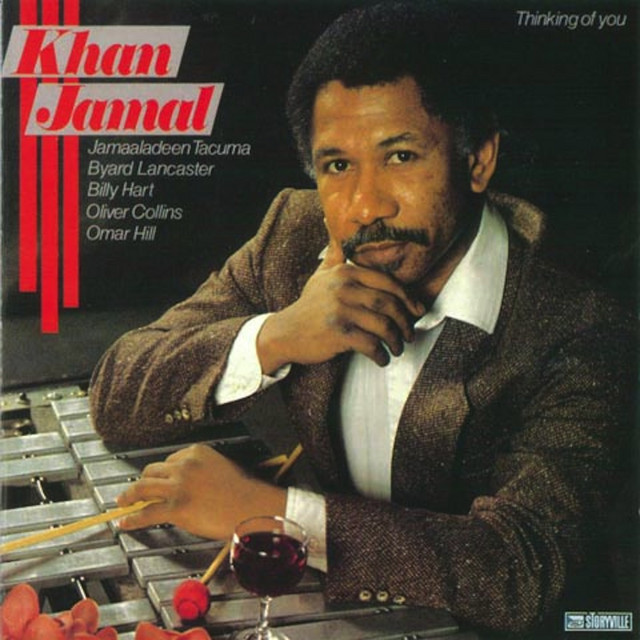
Also in 1984, Jamal made his <a href="spotify:search:label%3A%22Steeplechase%22">Steeplechase</a> leader debut with Dark Warrior leading a quartet with saxophonist <a href="spotify:artist:3vUKE8RtjtiowUq8FSYHAF">Charles Tyler</a>, South African bassist bassist <a href="spotify:artist:5aAplFNZE4KHKvdmo7xbNw">Johnny Dyani</a>, and drummer Leroy Lowe. The following year, he issued Three, a trio offering with <a href="spotify:artist:5aAplFNZE4KHKvdmo7xbNw">Dyani</a> and guitarist <a href="spotify:artist:3gBynn8PnjaFH5QZIs3XZI">Pierre Dorge</a>, and followed it immediately with The Traveller with <a href="spotify:artist:5aAplFNZE4KHKvdmo7xbNw">Dyani</a> and Lowe. In 1987 Jamal released Thinking of You for <a href="spotify:search:label%3A%22Storyville%22">Storyville</a>, leading an all-star ensemble that included <a href="spotify:artist:4EeqD5ulSmYhfXSXegeRHi">Lancaster</a> and <a href="spotify:artist:1gxP421GOfVfA7pGhr52XY">Hill</a>, but also electric bassist <a href="spotify:artist:4Q6rJWmXt75wi3OemnrbYd">Jamaaladeen Tacuma</a>, drummer <a href="spotify:artist:5DFipPOMNcZT3XMGx59s5I">Billy Hart</a>, and keyboardist Oliver Collins. The accessibility of the date drew many new listeners while pleasantly surprising fans of his vanguard material. In 1988 he played on pianist <a href="spotify:artist:5aw7ceKEBoC9jvYp9gViY1">Joe Bonner</a>'s Suite for Chocolate, and <a href="spotify:search:label%3A%22Stash%22">Stash</a> reissued Infinity. A year later, they released the then-current offering Don't Take No! featuring many of the same players as Infinity, plus <a href="spotify:artist:2fpZE1ggqfYWHevSACcbbI">Sudler</a>. Also, the <a href="spotify:search:label%3A%22Gazell%22">Gazell</a> label released the quartet offering Speak Easy under Jamal's name; its star-studded lineup included <a href="spotify:artist:1sEOsClatR9SKKmELXJVUJ">Murray</a>, bassist <a href="spotify:artist:5r65V3tfKsDc3nHfpIl7D0">William Parker</a>, and pianist <a href="spotify:artist:5CsxtursJ0wOOXyIdGaJKr">Dave Burrell</a>. It was co-produced by Jamal with writer, historian, and musician Samuel Charters. Unfortunately, for all its creative firepower, Speak Easy was virtually ignored by the jazz press. It would be his last appearance on a record for eight years.
Though he was away from recording, Jamal stayed musically active in Philly, teaching, mentoring, and performing. He returned with 1997's Percussion & Strings on <a href="spotify:search:label%3A%22CIMP%22">CIMP</a>, a quintet date for vibes, marimba, drums, bass, and cello. Two years later, Jamal and <a href="spotify:artist:1sEOsClatR9SKKmELXJVUJ">Murray</a> were featured soloists on Romulus Franceschini's Change of the Century Orchestra. Other members of the big band included <a href="spotify:artist:4EeqD5ulSmYhfXSXegeRHi">Lancaster</a>, <a href="spotify:artist:2fpZE1ggqfYWHevSACcbbI">Sudler</a>, trombonist <a href="spotify:artist:5NrnFpBCv4Z43MgMVXfrrY">Grachan Moncur III</a>, trumpeter <a href="spotify:artist:1FLOg5JySSGcfIlRxKY2hI">Ted Curson</a>, and saxophonist <a href="spotify:artist:25VrYpcRc9jtLEIDDn3LDG">Odean Pope</a>. Jamal returned in 2000 with the stellar Cubano Chant on his <a href="spotify:search:label%3A%22Jambrio%22">Jambrio</a> label. The electro-acoustic set offered his compositions in a sextet setting that included his son, rapper Tahir Jamal. He also appeared on Revolt of the Negro Lawn Jockeys by <a href="spotify:artist:2TVOeMTfHBWtBO9yrPlaMy">Moondoc</a>. In 2001 he appeared in the <a href="spotify:search:label%3A%22Thirsty+Ear%22">Thirsty Ear</a> label's Blue series on <a href="spotify:artist:60zXI7kDOma2j6HV89DESU">Roy Campbell Quartet</a>'s It's Krunch Time with pianist <a href="spotify:artist:1Lw2WbL7CWZXAWSLWYXq4r">Matthew Shipp</a>, bassist <a href="spotify:artist:1AJxHHB7aEkXsIhtdb6HQE">Wilber Morris</a>, and drummer Guillermo Brown.
In 2002 the vibist issued the acclaimed Cool, a quartet offering for vibes, drums, bass, and cello. In 2003 Jamal performed as a sideman on <a href="spotify:artist:1Lw2WbL7CWZXAWSLWYXq4r">Shipp</a>'s Equilibrium, <a href="spotify:artist:0dkZpLt6ER0tJWzHGigJQ3">DJ Wally</a>'s Nothing Stays the Same, and on electronic producer <a href="spotify:artist:4vSWMuZIpvFGdXOwth6JYz">Antipop Consortium</a>'s Antipop Vs. Matthew Shipp with the pianist, bassist <a href="spotify:artist:5r65V3tfKsDc3nHfpIl7D0">Parker</a>, and saxophonist <a href="spotify:artist:783kRxpzUwR6w8ggk2vUE4">Daniel Carter</a>. His final recorded appearances of the year were on Nothing Is Wrong in a quartet he co-led with <a href="spotify:artist:25VrYpcRc9jtLEIDDn3LDG">Pope</a>. That year, Jamal's African Rhythm Tongues also issued a self-titled album combining jazz, funk, and spoken word.
2005's Return from Exile showcased an all-Philly quartet with Hammond B-3 organist <a href="spotify:artist:3xBd8Jd96VbmRbzshT79ZO">Mark Kramer</a>, spoken word poet Pheralyn Dove, and James on percussion. Later that year, Jamal released Balafon Dance and Black Awareness, both internationally acclaimed outings for <a href="spotify:search:label%3A%22CIMP%22">CIMP</a>. In 2006 Jamal was prominently featured on vibes and balafon on <a href="spotify:artist:2FJQdHYf58BsnOcJJdU0xs">Thunderbird Service</a>'s Soul Unity for <a href="spotify:search:label%3A%22Heavenly+Sweetness%22">Heavenly Sweetness</a>. All 12 tracks were completed in six hours.
Two years later, Jamal teamed with cellist/bassist <a href="spotify:artist:71eX7X0sK5YeXUnGYxbtQJ">Dylan Taylor</a> for the <a href="spotify:search:label%3A%22CIMP%22">CIMP</a> offering Fire & Water. In 2009 Jamal issued one final outing for <a href="spotify:search:label%3A%22Steeplechase%22">Steeplechase</a>, Impressions of Coltrane. Its lineup also included <a href="spotify:artist:25VrYpcRc9jtLEIDDn3LDG">Pope</a>, <a href="spotify:artist:4EeqD5ulSmYhfXSXegeRHi">Lancaster</a>, bassist <a href="spotify:artist:268qOyQLJyffQJGYoXNH22">Curtis Lundy</a>, drummer Edgar Bateman, and pianist Farid Barron. He also appeared on <a href="spotify:artist:1O8yrjjifkCO8txB4CxuOm">DJ Spooky</a>'s The Secret Song.
In 2010, the independent <a href="spotify:search:label%3A%22Porter+Records%22">Porter Records</a> remastered and reissued <a href="spotify:artist:4NzXhDrFLsRYQroII5bbVG">Sounds of Liberation</a>'s New Horizons as a self-titled offering. Later that year, he returned to <a href="spotify:search:label%3A%22Thirsty+Ear%22">Thirsty Ear</a>'s Blue Series, working with electronics producer <a href="spotify:artist:7FEmduuEjfoagq6Qrgviji">Scanner</a> (Robin Rimbaud) and the Post Modern Jazz Quartet (with <a href="spotify:artist:1Lw2WbL7CWZXAWSLWYXq4r">Shipp</a>, bassist <a href="spotify:artist:4i4kKMGfo993XYwl0Wt7n8">Michael Bisio</a>, and drummer Michael Thompson) on Blink of an Eye.
Jamal continued to perform, compose, teach, and organize, but he didn't issue another recording of new material during his lifetime. In 2018, Philly independent <a href="spotify:search:label%3A%22Dogtown+Records%22">Dogtown Records</a> issued Unreleased, from a recently discovered 1973 <a href="spotify:artist:4NzXhDrFLsRYQroII5bbVG">Sounds of Liberation</a> studio session from Columbia University. The label followed it with a reissue of New Horizons. In 2021, the U.K.'s <a href="spotify:search:label%3A%22Jazz+Room%22">Jazz Room</a> label offered a remastered re-release of his 1984 classic Infinity. Khan Jamal died of kidney failure in 2022; he was 75. ~ Thom Jurek, Rovi
Jamal was born Warren Robert Cheeseboro in Jacksonville, Florida, to an entrepreneur father and a stride pianist mother. He left Florida as a child and was raised in Philadelphia. He studied piano in elementary and middle school but was drawn to percussion. As a teen, he would come home after school and pull out a big barrel on which to play hand drums along with <a href="spotify:artist:6QQuESLtKhAOcLW2TeWC2t">Art Blakey</a> records. After seeing <a href="spotify:artist:23i8EixXKG0EWGRCfHlUGN">Milt Jackson</a> and <a href="spotify:artist:2PjgZkwAEk7UTin4jP6HLP">Lionel Hampton</a> in Philly, he gravitated toward the vibraphone. He got his first set in 1964 as a senior in high school. His studies waited, however, while he served in the armed forces in Vietnam. Upon his discharge, Jamal found a vibes teacher in Bill Lewis at Philadelphia's Granoff School of Music before moving on to Combs College of Music. During his college years, Cheeseboro cast aside his "slave name" to become Khan Jamal.
After <a href="spotify:artist:5V5vvh5MgM7vDuPp4lJYkh">Sun Ra's Arkestra</a> relocated from New York City to Philadelphia, Jamal played with them. He also joined several of its members in the offshoot band Cosmic Forces. In addition, he teamed up with several other of its former members to play in drummer <a href="spotify:artist:1sEOsClatR9SKKmELXJVUJ">Sunny Murray's</a> Untouchable Factor. Jamal briefly moved to New York with <a href="spotify:artist:1sEOsClatR9SKKmELXJVUJ">Murray</a>, sharing a loft space on the Lower East Side. The vibraphonist spent much time hanging out at <a href="spotify:artist:0DNuWm5ZBKuCIXLNmrzuk5">Sam Rivers</a>' Rivbea and <a href="spotify:artist:47odibUtrN3lnWx0p0pk2P">Ornette Coleman</a>'s Artists House lofts and established relationships with other experimental peers.
In 1970 Jamal returned to Philly and co founded <a href="spotify:artist:4NzXhDrFLsRYQroII5bbVG">Sounds of Liberation</a> with saxophonist <a href="spotify:artist:4EeqD5ulSmYhfXSXegeRHi">Byard Lancaster</a>. Its other members included guitarist <a href="spotify:artist:2fpZE1ggqfYWHevSACcbbI">Monnette Sudler</a>, bassist Billy Mills, percussionists <a href="spotify:artist:1gxP421GOfVfA7pGhr52XY">Omar Hill</a> and Rashid Salim, and drummer Dwight James. Sounds of Liberation, an independently issued 1972 studio album, made few waves when it appeared, but in the 21st century it is regarded as a classic fusion of spiritual jazz and free funk. He followed with Drum Dance to the Motherland by the <a href="spotify:artist:5WawHtbK3Lp5hfiPnzBPc4">Creative Arts Ensemble</a>, a sextet that included <a href="spotify:artist:2fpZE1ggqfYWHevSACcbbI">Sudler</a>, Mills, and James (who, along with Jamal, also played clarinet on the date). Live and studio work was tough to come by in 1973. Frustrated, Jamal decamped to Paris in 1974, where he cut Give the Vibes Some for PALM 10, Disques Vendémiaire. Jamal floated between Europe and Philly for the next three years. He took a train to Copenhagen for a gig and met South African bassist <a href="spotify:artist:5aAplFNZE4KHKvdmo7xbNw">Johnny Dyani</a> and guitarist <a href="spotify:artist:3gBynn8PnjaFH5QZIs3XZI">Pierre Dorge</a>, with whom he would play and later record.
Jamal kept Philly as his primary base and returned to the U.S. in 1976. Given its close proximity to New York City, he spent time playing with many musicians on the loft scene (and appears on several of the classic Wildflowers volumes). In 1977, he appeared on Ted Daniels' acclaimed Tapestry, which also included drummer <a href="spotify:artist:1X6RQ2k4GB3g2CuGUhBZyv">Jerome Cooper</a> among its personnel. Jamal also played on <a href="spotify:artist:2fpZE1ggqfYWHevSACcbbI">Sudler</a>'s acclaimed <a href="spotify:search:label%3A%22Steeplechase%22">Steeplechase</a> date Brighter Days for You in 1978 and released The River, a duet album with former teacher Bill Lewis.
During the early '80s, Jamal served in drummer <a href="spotify:artist:6N3z0lCP8c9cSN9QnFp6ot">Ronald Shannon Jackson's Decoding Society</a> and was featured on the group's third album, 1982's Nasty. The same year, he worked in the <a href="spotify:artist:3ZP8PnQIJw6GJxZxWxSYkR">Jemeel Moondoc Sextet</a> for Konstanze's Delight, and with <a href="spotify:artist:1ytHXKB2HiX4Bmz8KhjjD5">Billy Bang</a> on Outline No. 12. In 1984, Jamal released Infinity on his <a href="spotify:search:label%3A%22Con%27brio%22">Con'brio</a> (later <a href="spotify:search:label%3A%22Jambrio%22">Jambrio</a>) label, his best known and most influential album, often compared to masterworks by <a href="spotify:artist:3JLUCojZaHrX2LaUkSj7Ud">Pharoah Sanders</a> and <a href="spotify:artist:0oKYiTD5CdNbrofRvM1dIr">Alice Coltrane</a>. The outing included James, <a href="spotify:artist:1sEOsClatR9SKKmELXJVUJ">Murray</a> and <a href="spotify:artist:1gxP421GOfVfA7pGhr52XY">Hill</a> on drums and percussion, <a href="spotify:artist:4EeqD5ulSmYhfXSXegeRHi">Lancaster</a> on saxophone, and Reggie Curry on bass. The set went down a storm among jazz players at the time; it was reissued just a few years later by the better-distributed New York label <a href="spotify:search:label%3A%22Stash+Records%22">Stash Records</a>.
Also in 1984, Jamal made his <a href="spotify:search:label%3A%22Steeplechase%22">Steeplechase</a> leader debut with Dark Warrior leading a quartet with saxophonist <a href="spotify:artist:3vUKE8RtjtiowUq8FSYHAF">Charles Tyler</a>, South African bassist bassist <a href="spotify:artist:5aAplFNZE4KHKvdmo7xbNw">Johnny Dyani</a>, and drummer Leroy Lowe. The following year, he issued Three, a trio offering with <a href="spotify:artist:5aAplFNZE4KHKvdmo7xbNw">Dyani</a> and guitarist <a href="spotify:artist:3gBynn8PnjaFH5QZIs3XZI">Pierre Dorge</a>, and followed it immediately with The Traveller with <a href="spotify:artist:5aAplFNZE4KHKvdmo7xbNw">Dyani</a> and Lowe. In 1987 Jamal released Thinking of You for <a href="spotify:search:label%3A%22Storyville%22">Storyville</a>, leading an all-star ensemble that included <a href="spotify:artist:4EeqD5ulSmYhfXSXegeRHi">Lancaster</a> and <a href="spotify:artist:1gxP421GOfVfA7pGhr52XY">Hill</a>, but also electric bassist <a href="spotify:artist:4Q6rJWmXt75wi3OemnrbYd">Jamaaladeen Tacuma</a>, drummer <a href="spotify:artist:5DFipPOMNcZT3XMGx59s5I">Billy Hart</a>, and keyboardist Oliver Collins. The accessibility of the date drew many new listeners while pleasantly surprising fans of his vanguard material. In 1988 he played on pianist <a href="spotify:artist:5aw7ceKEBoC9jvYp9gViY1">Joe Bonner</a>'s Suite for Chocolate, and <a href="spotify:search:label%3A%22Stash%22">Stash</a> reissued Infinity. A year later, they released the then-current offering Don't Take No! featuring many of the same players as Infinity, plus <a href="spotify:artist:2fpZE1ggqfYWHevSACcbbI">Sudler</a>. Also, the <a href="spotify:search:label%3A%22Gazell%22">Gazell</a> label released the quartet offering Speak Easy under Jamal's name; its star-studded lineup included <a href="spotify:artist:1sEOsClatR9SKKmELXJVUJ">Murray</a>, bassist <a href="spotify:artist:5r65V3tfKsDc3nHfpIl7D0">William Parker</a>, and pianist <a href="spotify:artist:5CsxtursJ0wOOXyIdGaJKr">Dave Burrell</a>. It was co-produced by Jamal with writer, historian, and musician Samuel Charters. Unfortunately, for all its creative firepower, Speak Easy was virtually ignored by the jazz press. It would be his last appearance on a record for eight years.
Though he was away from recording, Jamal stayed musically active in Philly, teaching, mentoring, and performing. He returned with 1997's Percussion & Strings on <a href="spotify:search:label%3A%22CIMP%22">CIMP</a>, a quintet date for vibes, marimba, drums, bass, and cello. Two years later, Jamal and <a href="spotify:artist:1sEOsClatR9SKKmELXJVUJ">Murray</a> were featured soloists on Romulus Franceschini's Change of the Century Orchestra. Other members of the big band included <a href="spotify:artist:4EeqD5ulSmYhfXSXegeRHi">Lancaster</a>, <a href="spotify:artist:2fpZE1ggqfYWHevSACcbbI">Sudler</a>, trombonist <a href="spotify:artist:5NrnFpBCv4Z43MgMVXfrrY">Grachan Moncur III</a>, trumpeter <a href="spotify:artist:1FLOg5JySSGcfIlRxKY2hI">Ted Curson</a>, and saxophonist <a href="spotify:artist:25VrYpcRc9jtLEIDDn3LDG">Odean Pope</a>. Jamal returned in 2000 with the stellar Cubano Chant on his <a href="spotify:search:label%3A%22Jambrio%22">Jambrio</a> label. The electro-acoustic set offered his compositions in a sextet setting that included his son, rapper Tahir Jamal. He also appeared on Revolt of the Negro Lawn Jockeys by <a href="spotify:artist:2TVOeMTfHBWtBO9yrPlaMy">Moondoc</a>. In 2001 he appeared in the <a href="spotify:search:label%3A%22Thirsty+Ear%22">Thirsty Ear</a> label's Blue series on <a href="spotify:artist:60zXI7kDOma2j6HV89DESU">Roy Campbell Quartet</a>'s It's Krunch Time with pianist <a href="spotify:artist:1Lw2WbL7CWZXAWSLWYXq4r">Matthew Shipp</a>, bassist <a href="spotify:artist:1AJxHHB7aEkXsIhtdb6HQE">Wilber Morris</a>, and drummer Guillermo Brown.
In 2002 the vibist issued the acclaimed Cool, a quartet offering for vibes, drums, bass, and cello. In 2003 Jamal performed as a sideman on <a href="spotify:artist:1Lw2WbL7CWZXAWSLWYXq4r">Shipp</a>'s Equilibrium, <a href="spotify:artist:0dkZpLt6ER0tJWzHGigJQ3">DJ Wally</a>'s Nothing Stays the Same, and on electronic producer <a href="spotify:artist:4vSWMuZIpvFGdXOwth6JYz">Antipop Consortium</a>'s Antipop Vs. Matthew Shipp with the pianist, bassist <a href="spotify:artist:5r65V3tfKsDc3nHfpIl7D0">Parker</a>, and saxophonist <a href="spotify:artist:783kRxpzUwR6w8ggk2vUE4">Daniel Carter</a>. His final recorded appearances of the year were on Nothing Is Wrong in a quartet he co-led with <a href="spotify:artist:25VrYpcRc9jtLEIDDn3LDG">Pope</a>. That year, Jamal's African Rhythm Tongues also issued a self-titled album combining jazz, funk, and spoken word.
2005's Return from Exile showcased an all-Philly quartet with Hammond B-3 organist <a href="spotify:artist:3xBd8Jd96VbmRbzshT79ZO">Mark Kramer</a>, spoken word poet Pheralyn Dove, and James on percussion. Later that year, Jamal released Balafon Dance and Black Awareness, both internationally acclaimed outings for <a href="spotify:search:label%3A%22CIMP%22">CIMP</a>. In 2006 Jamal was prominently featured on vibes and balafon on <a href="spotify:artist:2FJQdHYf58BsnOcJJdU0xs">Thunderbird Service</a>'s Soul Unity for <a href="spotify:search:label%3A%22Heavenly+Sweetness%22">Heavenly Sweetness</a>. All 12 tracks were completed in six hours.
Two years later, Jamal teamed with cellist/bassist <a href="spotify:artist:71eX7X0sK5YeXUnGYxbtQJ">Dylan Taylor</a> for the <a href="spotify:search:label%3A%22CIMP%22">CIMP</a> offering Fire & Water. In 2009 Jamal issued one final outing for <a href="spotify:search:label%3A%22Steeplechase%22">Steeplechase</a>, Impressions of Coltrane. Its lineup also included <a href="spotify:artist:25VrYpcRc9jtLEIDDn3LDG">Pope</a>, <a href="spotify:artist:4EeqD5ulSmYhfXSXegeRHi">Lancaster</a>, bassist <a href="spotify:artist:268qOyQLJyffQJGYoXNH22">Curtis Lundy</a>, drummer Edgar Bateman, and pianist Farid Barron. He also appeared on <a href="spotify:artist:1O8yrjjifkCO8txB4CxuOm">DJ Spooky</a>'s The Secret Song.
In 2010, the independent <a href="spotify:search:label%3A%22Porter+Records%22">Porter Records</a> remastered and reissued <a href="spotify:artist:4NzXhDrFLsRYQroII5bbVG">Sounds of Liberation</a>'s New Horizons as a self-titled offering. Later that year, he returned to <a href="spotify:search:label%3A%22Thirsty+Ear%22">Thirsty Ear</a>'s Blue Series, working with electronics producer <a href="spotify:artist:7FEmduuEjfoagq6Qrgviji">Scanner</a> (Robin Rimbaud) and the Post Modern Jazz Quartet (with <a href="spotify:artist:1Lw2WbL7CWZXAWSLWYXq4r">Shipp</a>, bassist <a href="spotify:artist:4i4kKMGfo993XYwl0Wt7n8">Michael Bisio</a>, and drummer Michael Thompson) on Blink of an Eye.
Jamal continued to perform, compose, teach, and organize, but he didn't issue another recording of new material during his lifetime. In 2018, Philly independent <a href="spotify:search:label%3A%22Dogtown+Records%22">Dogtown Records</a> issued Unreleased, from a recently discovered 1973 <a href="spotify:artist:4NzXhDrFLsRYQroII5bbVG">Sounds of Liberation</a> studio session from Columbia University. The label followed it with a reissue of New Horizons. In 2021, the U.K.'s <a href="spotify:search:label%3A%22Jazz+Room%22">Jazz Room</a> label offered a remastered re-release of his 1984 classic Infinity. Khan Jamal died of kidney failure in 2022; he was 75. ~ Thom Jurek, Rovi
Monthly Listeners
899
Monthly Listeners History
Track the evolution of monthly listeners over the last 28 days.
Followers
1,934
Followers History
Track the evolution of followers over the last 28 days.
Top Cities
27 listeners

18 listeners
12 listeners
10 listeners
9 listeners
Related Artists