Data may be outdated
Last updated: 9 months ago — Click refresh to get the latest statistics.
Tenor saxophonist Rudolph Johnson was a heady and deeply focused improviser, recognized for his huge tone and long architectural phrases in the <a href="spotify:artist:2hGh5VOeeqimQFxqXvfCUf">John Coltrane</a> tradition. A member of organist <a href="spotify:artist:1A0QR12gcj2L5hYh1WWDeh">Jimmy McGriff</a>'s hard-swinging group of the early 1960s, Johnson came into his own in the '70s, releasing a two albums on the <a href="spotify:search:label%3A%22Black+Jazz+Records%22">Black Jazz Records</a> label, including 1972's Spring Rain, before spending the latter part of his career as a member of <a href="spotify:artist:1eYhYunlNJlDoQhtYBvPsi">Ray Charles</a>' orchestra.
Hailing from Columbus, Ohio, Johnson started playing saxophone in junior high. There, he cultivated a love of jazz, playing alongside two of his classmates, saxophonist <a href="spotify:artist:06O4cRjKTmqrS5l7evO2kc">Gene Walker</a> and pianist <a href="spotify:artist:46A82OhB6mKuQAWsA29x1H">Bobby Pierce</a>. After high school, he moved east, where he joined organist <a href="spotify:artist:1A0QR12gcj2L5hYh1WWDeh">Jimmy McGriff</a>'s band, touring and appearing on albums like At the Apollo and Jimmy McGriff at the Organ.
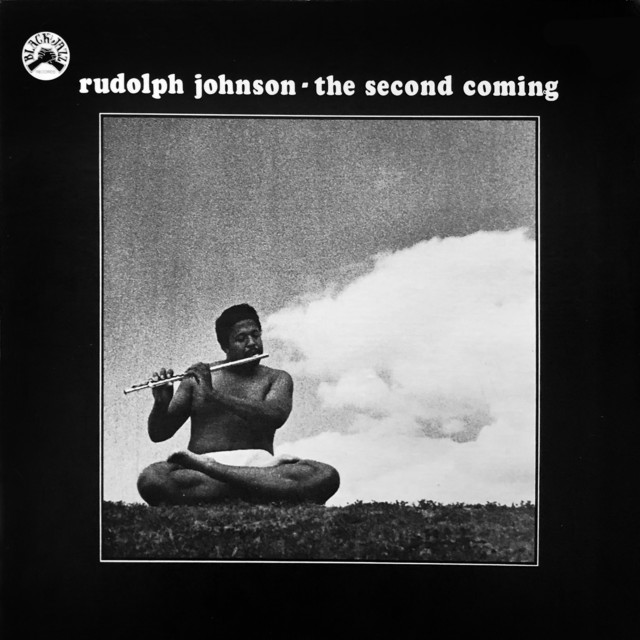
By the mid-'60s, Johnson had relocated to the West Coast, where he spent time leading a trio and playing in Los Angeles and the San Francisco Bay Area. In 1972, he made his debut as leader on the <a href="spotify:search:label%3A%22Black+Jazz+Records%22">Black Jazz Records</a> label with Spring Rain. A funky, modal-leaning production, it featured his quartet with well-regarded jazz and R&B pros, pianist <a href="spotify:artist:22XeiWx6GAYnTkAcsFFrBy">John Barnes</a>, bassist Reggie Johnson, and drummer Ray Pounds. He released two more albums during this period with 1974's Second Coming and Habiba, the latter of which was a collaboration with pianist <a href="spotify:artist:20XugxiKfBdgSLOdn7RX8y">Kirk Lightsey</a>. Over the next 20 years, Johnson continued to lead his own groups but stayed primarily active touring as a member of <a href="spotify:artist:1eYhYunlNJlDoQhtYBvPsi">Ray Charles</a>' big band. He died in 2007 in California from complications of a diabetes-related illness. ~ Matt Collar, Rovi
Hailing from Columbus, Ohio, Johnson started playing saxophone in junior high. There, he cultivated a love of jazz, playing alongside two of his classmates, saxophonist <a href="spotify:artist:06O4cRjKTmqrS5l7evO2kc">Gene Walker</a> and pianist <a href="spotify:artist:46A82OhB6mKuQAWsA29x1H">Bobby Pierce</a>. After high school, he moved east, where he joined organist <a href="spotify:artist:1A0QR12gcj2L5hYh1WWDeh">Jimmy McGriff</a>'s band, touring and appearing on albums like At the Apollo and Jimmy McGriff at the Organ.
By the mid-'60s, Johnson had relocated to the West Coast, where he spent time leading a trio and playing in Los Angeles and the San Francisco Bay Area. In 1972, he made his debut as leader on the <a href="spotify:search:label%3A%22Black+Jazz+Records%22">Black Jazz Records</a> label with Spring Rain. A funky, modal-leaning production, it featured his quartet with well-regarded jazz and R&B pros, pianist <a href="spotify:artist:22XeiWx6GAYnTkAcsFFrBy">John Barnes</a>, bassist Reggie Johnson, and drummer Ray Pounds. He released two more albums during this period with 1974's Second Coming and Habiba, the latter of which was a collaboration with pianist <a href="spotify:artist:20XugxiKfBdgSLOdn7RX8y">Kirk Lightsey</a>. Over the next 20 years, Johnson continued to lead his own groups but stayed primarily active touring as a member of <a href="spotify:artist:1eYhYunlNJlDoQhtYBvPsi">Ray Charles</a>' big band. He died in 2007 in California from complications of a diabetes-related illness. ~ Matt Collar, Rovi
Monthly Listeners
986
Monthly Listeners History
Track the evolution of monthly listeners over the last 28 days.
Followers
1,681
Followers History
Track the evolution of followers over the last 28 days.
Top Cities
35 listeners

19 listeners

17 listeners
17 listeners

16 listeners
Related Artists


Buddy Terry


Bayeté
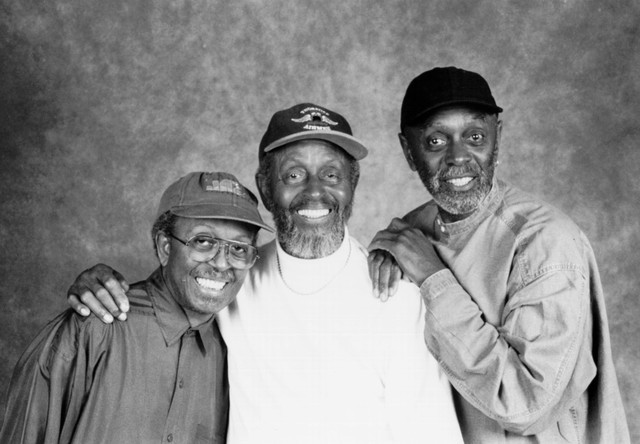
The Heath Brothers

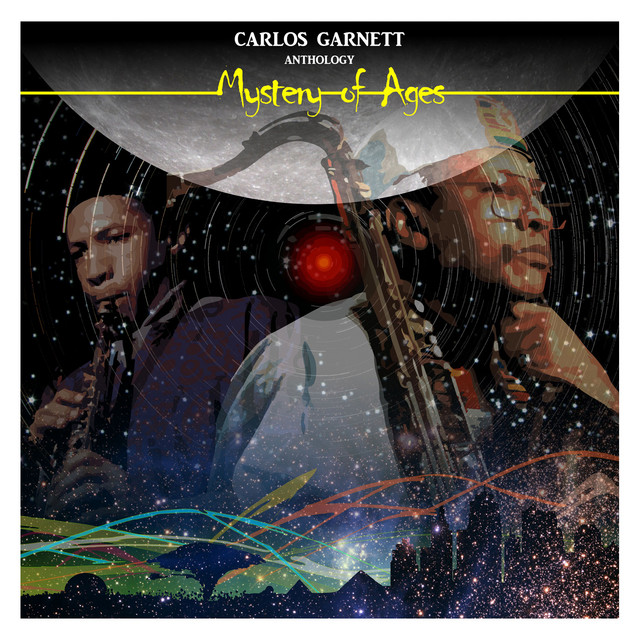
Carlos Garnett
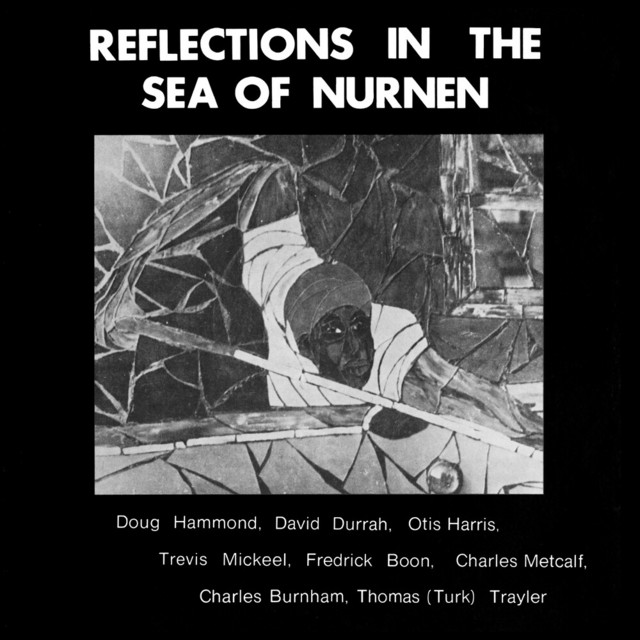

Shamek Farrah
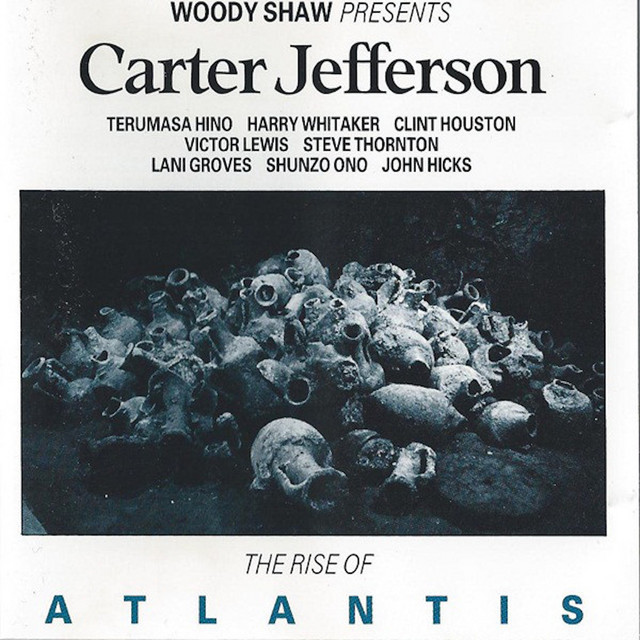
Carter Jefferson

Don Rendell Quintet