Data may be outdated
Last updated: 5 months ago — Click refresh to get the latest statistics.
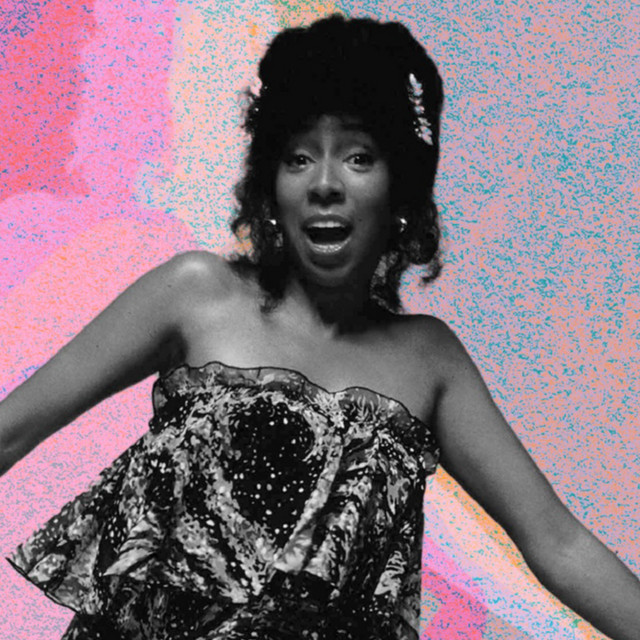
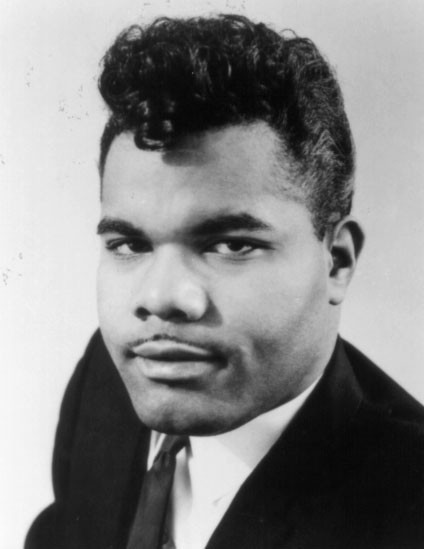
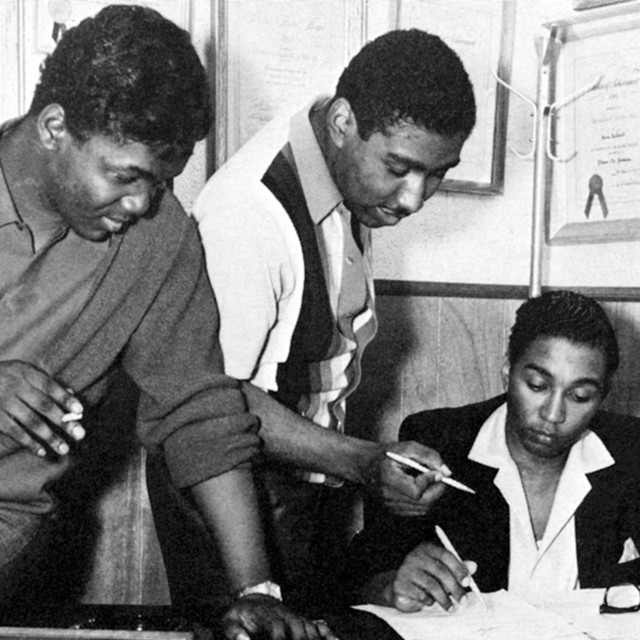
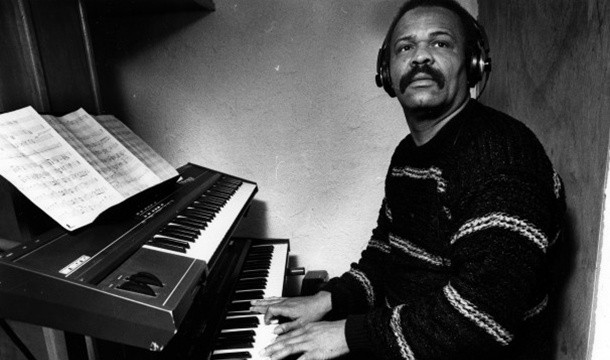
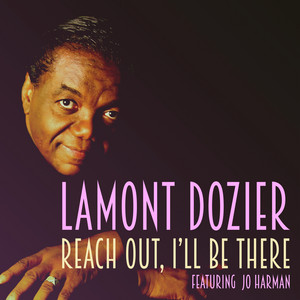
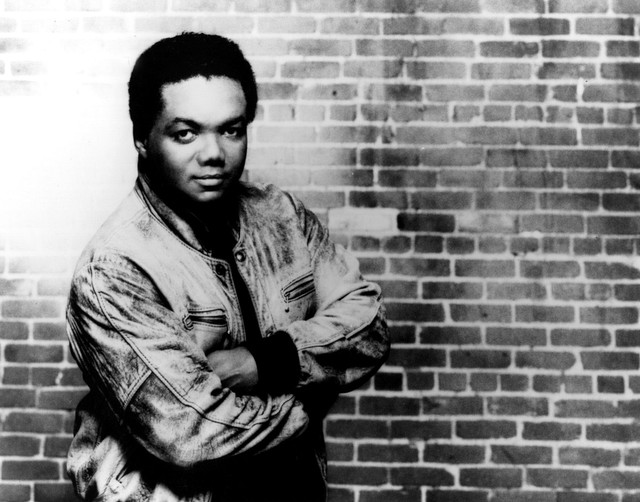
Born June 16, 1941 in Detroit, Lamont Dozier was part of the Motor City's late-'50s vibrant vocal scene, singing with the Romeos and the Voice Masters. Signing with then-fledgling local songwriter and producer <a href="spotify:artist:4xRLKAf96K6YdGDWjY6ra8">Berry Gordy</a>, Dozier's first single, "Benny the Skinny Man," was issued in 1960 on <a href="spotify:artist:4xRLKAf96K6YdGDWjY6ra8">Gordy</a>'s sister's label, Anna Records, and was credited to his nom de plume, Lamont Anthony. He also worked with <a href="spotify:artist:4xRLKAf96K6YdGDWjY6ra8">Gordy</a> on <a href="spotify:search:label%3A%22Motown%22">Motown</a> singles for Mare Johnson. Two other singles followed. In 1963, he was paired with singer/songwriter <a href="spotify:artist:2BgyJtxoixkegtJX6HqT4w">Eddie Holland</a> for a single release. <a href="spotify:artist:2BgyJtxoixkegtJX6HqT4w">Holland</a> had a <a href="spotify:search:label%3A%22Motown%22">Motown</a> hit with the <a href="spotify:artist:4VnomLtKTm9Ahe1tZfmZju">Jackie Wilson</a> sound-alike single "Jamie" in 1962. The following year, Dozier, <a href="spotify:artist:2BgyJtxoixkegtJX6HqT4w">Eddie Holland</a>, and <a href="spotify:artist:2BgyJtxoixkegtJX6HqT4w">Holland</a>'s brother Brian began writing together. Beginning with <a href="spotify:artist:57bUPid8xztkieZfS7OlEV">the Supremes</a>' number one R&B smash "Where Did Our Love Go," the <a href="spotify:artist:3ig4Yf8S2Bjq2yVsiayKM0">HDH</a> writing/production/arranging trio enjoyed a phenomenal five-year run at the top of the R&B and pop charts, selling millions of records for <a href="spotify:search:label%3A%22Motown%22">Motown</a>. Another <a href="spotify:search:label%3A%22Motown%22">Motown</a> act, <a href="spotify:artist:7fIvjotigTGWqjIz6EP1i4">the Four Tops</a>, had a certain affinity for <a href="spotify:artist:3ig4Yf8S2Bjq2yVsiayKM0">HDH</a>'s songs, scoring number one R&B and pop hits such as "I Can't Help Myself (Sugar Pie, Honey Bunch)" and "Reach Out I'll Be There."
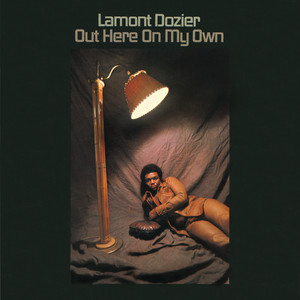
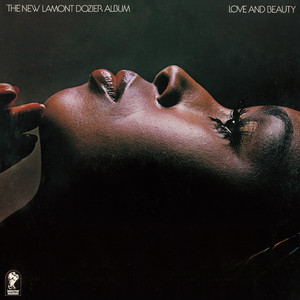
Amid lawsuits, royalty disputes, and creative differences, <a href="spotify:artist:3ig4Yf8S2Bjq2yVsiayKM0">HDH</a> left <a href="spotify:search:label%3A%22Motown%22">Motown</a> in 1967, and set up <a href="spotify:search:label%3A%22Invictus%22">Invictus</a> and <a href="spotify:search:label%3A%22Hot+Wax+Records%22">Hot Wax Records</a>, releasing <a href="spotify:artist:3ig4Yf8S2Bjq2yVsiayKM0">HDH</a>-powered hit singles by the likes of <a href="spotify:artist:69g2TelswPN1IiFDKvaoSL">Chairmen of the Board</a> ("Give Me Just a Little More Time") and <a href="spotify:artist:0701Axu6yvUIoctaKMbDIZ">Freda Payne</a> ("Band of Gold"), among other recordings by acts such as <a href="spotify:artist:0CXNdUUhv5Cw42dr0wWrjd">the Honey Cone</a>, Parliament, and 100 Proof Aged in Soul. Dozier restarted his recording career on <a href="spotify:search:label%3A%22Invictus%22">Invictus</a> with the midtempo ballad "Why Can't We Be Lovers," a collaboration with Brian Holland that went to number six R&B. The follow-up Holland-Dozier single, "New Breed Kinda Woman," peaked at number 61 R&B in 1973. That same year, the <a href="spotify:artist:3ig4Yf8S2Bjq2yVsiayKM0">HDH</a> team splintered and Dozier signed with <a href="spotify:search:label%3A%22ABC+Records%22">ABC Records</a> as a solo artist. Dozier's debut <a href="spotify:search:label%3A%22ABC%22">ABC</a> LP, Out Here on My Own, yielded the ballad "Trying to Hold on to My Woman" and the grittier and upbeat "Fish Ain't Bitin'," number four R&B hits that respectively reached number 15 and number 26 on the pop chart. His next album, 1974's Black Bach, included another number four R&B smash, "Let Me Start Tonite," and was followed later that year by Love and Beauty, his final <a href="spotify:search:label%3A%22Invictus%22">Invictus</a> release. Around this time, Dozier produced and wrote most of the tunes for the self-titled debut album of actor Lawrence Hilton-Jacobs.
Switching to <a href="spotify:search:label%3A%22Warner+Bros.%22">Warner Bros.</a> in 1976, Dozier's next LP was Right There. The LP was full of smooth-as-molasses groovers such as "Groovin' on a Natural High" and "With a Little Bit of Mending (We Could Be as Good as New)," and briefly charted. His next <a href="spotify:search:label%3A%22Warner%22">Warner</a> album, 1977's Peddlin' Music on the Side, also touched the R&B chart and similarly peaked at number 59. The ten-minute single "Going Back to My Roots," a self-identity anthem embraced in clubs, reached number 35 on Billboard's disco chart. (<a href="spotify:artist:4Qk0lWGeXydDvfrDufDQ9p">Richie Havens</a> and <a href="spotify:artist:5b4SvpTqll0LSqJWPpXya5">Odyssey</a> would record well-received covers over the next few years.) Bittersweet followed in 1979 and produced another charting club record with "Boogie Business." A year later, a single Dozier produced for the group <a href="spotify:artist:0bfqWbMPyL2kb4UoU8moCe">Zingara</a> titled "Love's Calling" (with <a href="spotify:artist:5bTTx0CRvZj1kRJwUsWWYo">James Ingram</a> on lead vocal) hit number 29 R&B in late 1980. Dozier signed to <a href="spotify:search:label%3A%22Columbia%22">Columbia</a> in 1981 and released Working on You. It included a handful of singles but didn't gain commercial traction. By the end of the year, Dozier returned on M&M Records, a short-lived venture of former <a href="spotify:search:label%3A%22Motown%22">Motown</a> executives Mike Roshkind and Mike Lushka, with the album Lamont. One single, the jubilant "Shout About It," peaked at number 61 R&B in early 1982.
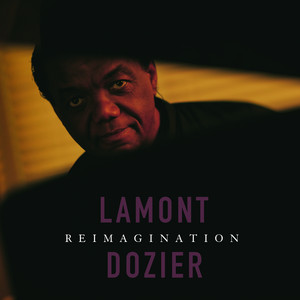
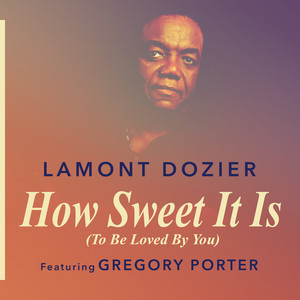
After the 1983 U.K. release Bigger Than Life, Dozier took a break from solo recordings and wrote songs for younger and established artists alike, including <a href="spotify:artist:6PAt558ZEZl0DmdXlnjMgD">Eric Clapton</a> (two songs on August) and <a href="spotify:artist:4lxfqrEsLX6N1N4OCSkILp">Phil Collins</a> (the number one pop hit "Two Hearts," a Grammy-winner for Best Song Written Specifically for a Motion Picture or Television). <a href="spotify:artist:3ig4Yf8S2Bjq2yVsiayKM0">Holland-Dozier-Holland</a> were inducted into the Songwriters Hall of Fame in 1988, and in 1990 entered the Rock & Roll Hall of Fame. The following year, Dozier's Inside Seduction, co-produced by <a href="spotify:artist:4lxfqrEsLX6N1N4OCSkILp">Collins</a>, was released by <a href="spotify:search:label%3A%22Atlantic%22">Atlantic</a>. New Dozier albums became increasingly rare. His lone 2000s recording, An American Original -- an independent release featuring fresh versions of vintage highlights from his songbook -- was nominated for a Grammy in the category of Best Traditional R&B Album. All the while, Dozier was invested in artist advocacy and occasionally collaborated with other musicians as accolades piled up. In 2009 alone, his "Living in High Definition" was recorded by <a href="spotify:artist:4N8BwYTEC6XqykGvXXlmfv">George Benson</a> for Songs and Stories, and he and the Holland brothers were honored with the Johnny Mercer Award. With help from the likes of <a href="spotify:artist:2nvKpWcP8etYTq4JrRiUiy">Cliff Richard</a>, <a href="spotify:artist:2E6Roj0oQnJIm2BeXwDica">Graham Nash</a>, and <a href="spotify:artist:06nevPmNVfWUXyZkccahL8">Gregory Porter</a>, Dozier revisited his catalog again for the "unplugged" set Reimagination, issued in 2018. Dozier died on August 8, 2022 at his home in Scottsdale, Arizona. ~ Ed Hogan & Andy Kellman, Rovi
Monthly Listeners
36,160
Monthly Listeners History
Track the evolution of monthly listeners over the last 28 days.
Followers
43,037
Followers History
Track the evolution of followers over the last 28 days.
Total Streams
9.7 million
Total Streams History
Track the evolution of total streams over the last 28 days. This data is calculated from all tracks listed in the artist's discography.