Data may be outdated
Last updated: 9 months ago — Click refresh to get the latest statistics.
Though his profile outside the United Kingdom was overshadowed somewhat by the illustrious careers of <a href="spotify:artist:6RsX7qYw5KVKiOjS8BxjL5">Walton</a>, <a href="spotify:artist:0hW5OU8cM6ANp2gTi5WR2P">Tippett</a>, and <a href="spotify:artist:7MJ1pB5d6Vjmzep2zQlorn">Britten</a>, Sir Lennox Berkeley left an indelible mark on British music in the twentieth century. A student of <a href="spotify:artist:1vfC2bld90kx966JTCSwf7">Nadia Boulanger</a> with an ear for songlike lyricism, Berkeley established a style that combined French melodic elegance with English triadic sonority and neo-Classical clarity.
Berkeley was born into an aristocratic family, but lost out on his inheritance because his birth had preceded his parents' marriage. He nonetheless enjoyed a relatively comfortable childhood and eventually arrived at Oxford, where he studied French. (This academic background lent his later songs on French texts a particularly elegant contour.) <a href="spotify:artist:17hR0sYHpx7VYTMRfFUOmY">Ravel</a>, upon examining some of Berkeley's student compositions, encouraged him to focus on musical studies and recommended him for study with <a href="spotify:artist:1vfC2bld90kx966JTCSwf7">Nadia Boulanger</a>. Berkeley was well-suited to <a href="spotify:artist:1vfC2bld90kx966JTCSwf7">Boulanger</a>'s infamously methodic, craft-like approach, and thrived under her tutelage. Works such as his Serenade, Op. 12, and the Divertimento, Op. 18, which remain in the British orchestral repertoire, resonate with <a href="spotify:artist:1vfC2bld90kx966JTCSwf7">Boulanger</a>'s influence; <a href="spotify:artist:2rKifrEG0KeKOqiKzh4nG6">Peter Dickinson</a> has described the Finale of the latter piece as "a cross between <a href="spotify:artist:656RXuyw7CE0dtjdPgjJV6">Haydn</a> and <a href="spotify:artist:4IAWVxo2fpTBPn6k7GZ3eY">Poulenc</a>." Berkeley's piano works and chamber pieces demonstrate a similar disposition. Also, during his time in Paris, he converted Catholicism, a decision that would infuse his later vocal and choral works, such as the Missa brevis, with a particular spiritual fervor. As a young composer he maintained his friendship with <a href="spotify:artist:17hR0sYHpx7VYTMRfFUOmY">Ravel</a>, and also made the acquaintance of <a href="spotify:artist:4IAWVxo2fpTBPn6k7GZ3eY">Poulenc</a>; in fact, much of his music betrays the influence of Les Six.
Berkeley was employed for a time as a programmer for the BBC during World War II, then in 1946 took a position at the Royal Academy of Music, where he remained on the faculty for over two decades and mentored a number of important figures in the subsequent generation, including <a href="spotify:artist:0x18ovS0dAzgGlZOWuc52W">Bennett</a>, <a href="spotify:artist:3rQu4vxfJq5f4N89Jak7Ci">Maw</a>, and, most familiar to non-Brits, <a href="spotify:artist:45ff9QmiC1LkmDPk5TBN21">John Tavener</a>. Berkeley counted <a href="spotify:artist:7MJ1pB5d6Vjmzep2zQlorn">Britten</a> among his closest friends, and, following <a href="spotify:artist:7MJ1pB5d6Vjmzep2zQlorn">Britten</a>'s revival of British opera, he wrote a number of operatic works as well, including the successful A Dinner Engagement. A subsequent opera, Faldon Park, remained incomplete in the composer's later life. In fact, his faculties gradually deteriorated over the course of several years preceding his death in 1989. His last years were spent, rather, receiving the honors due him; subsequent to his knighthood in 1974, he received numerous accolades and an honorary degree from the international musical community.
Berkeley was born into an aristocratic family, but lost out on his inheritance because his birth had preceded his parents' marriage. He nonetheless enjoyed a relatively comfortable childhood and eventually arrived at Oxford, where he studied French. (This academic background lent his later songs on French texts a particularly elegant contour.) <a href="spotify:artist:17hR0sYHpx7VYTMRfFUOmY">Ravel</a>, upon examining some of Berkeley's student compositions, encouraged him to focus on musical studies and recommended him for study with <a href="spotify:artist:1vfC2bld90kx966JTCSwf7">Nadia Boulanger</a>. Berkeley was well-suited to <a href="spotify:artist:1vfC2bld90kx966JTCSwf7">Boulanger</a>'s infamously methodic, craft-like approach, and thrived under her tutelage. Works such as his Serenade, Op. 12, and the Divertimento, Op. 18, which remain in the British orchestral repertoire, resonate with <a href="spotify:artist:1vfC2bld90kx966JTCSwf7">Boulanger</a>'s influence; <a href="spotify:artist:2rKifrEG0KeKOqiKzh4nG6">Peter Dickinson</a> has described the Finale of the latter piece as "a cross between <a href="spotify:artist:656RXuyw7CE0dtjdPgjJV6">Haydn</a> and <a href="spotify:artist:4IAWVxo2fpTBPn6k7GZ3eY">Poulenc</a>." Berkeley's piano works and chamber pieces demonstrate a similar disposition. Also, during his time in Paris, he converted Catholicism, a decision that would infuse his later vocal and choral works, such as the Missa brevis, with a particular spiritual fervor. As a young composer he maintained his friendship with <a href="spotify:artist:17hR0sYHpx7VYTMRfFUOmY">Ravel</a>, and also made the acquaintance of <a href="spotify:artist:4IAWVxo2fpTBPn6k7GZ3eY">Poulenc</a>; in fact, much of his music betrays the influence of Les Six.
Berkeley was employed for a time as a programmer for the BBC during World War II, then in 1946 took a position at the Royal Academy of Music, where he remained on the faculty for over two decades and mentored a number of important figures in the subsequent generation, including <a href="spotify:artist:0x18ovS0dAzgGlZOWuc52W">Bennett</a>, <a href="spotify:artist:3rQu4vxfJq5f4N89Jak7Ci">Maw</a>, and, most familiar to non-Brits, <a href="spotify:artist:45ff9QmiC1LkmDPk5TBN21">John Tavener</a>. Berkeley counted <a href="spotify:artist:7MJ1pB5d6Vjmzep2zQlorn">Britten</a> among his closest friends, and, following <a href="spotify:artist:7MJ1pB5d6Vjmzep2zQlorn">Britten</a>'s revival of British opera, he wrote a number of operatic works as well, including the successful A Dinner Engagement. A subsequent opera, Faldon Park, remained incomplete in the composer's later life. In fact, his faculties gradually deteriorated over the course of several years preceding his death in 1989. His last years were spent, rather, receiving the honors due him; subsequent to his knighthood in 1974, he received numerous accolades and an honorary degree from the international musical community.
Monthly Listeners
7,290
Monthly Listeners History
Track the evolution of monthly listeners over the last 28 days.
Followers
894
Followers History
Track the evolution of followers over the last 28 days.
Top Cities



Related Artists
St. Albans Cathedral Choir

Paul Spicer
Herbert Sumsion
Alan Bullard
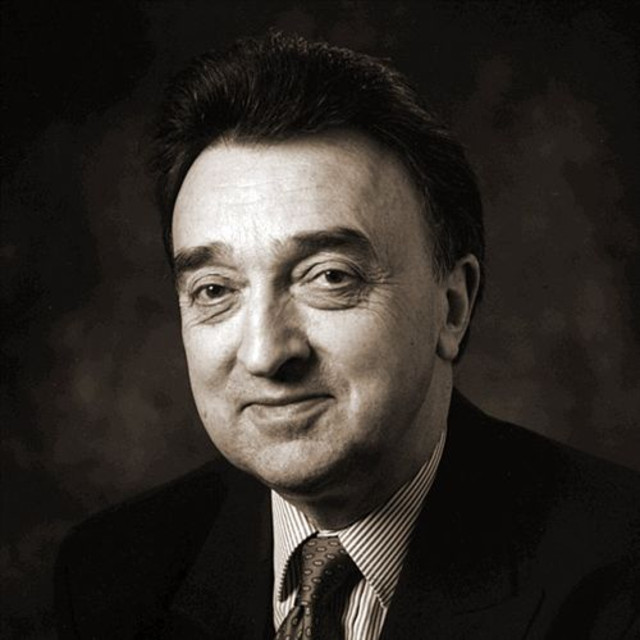
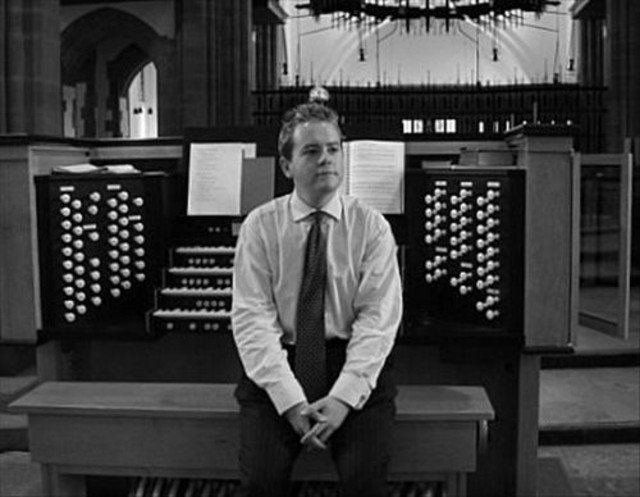
David Bednall
Louis Halsey

Pierre Villette
Paul Manz
Herbert Murrill
Edward Bairstow
Grayston Ives
Christ Church Cathedral Choir

Carl Rütti

Barry Smith
Chamber Choir Ireland

The Concord Singers
Benedict Preece
St. Albans Abbey Girls Choir
Robert Rice

Jeffrey Smith
Clive Osgood

David Flood
Michael Higgins
James Bassi
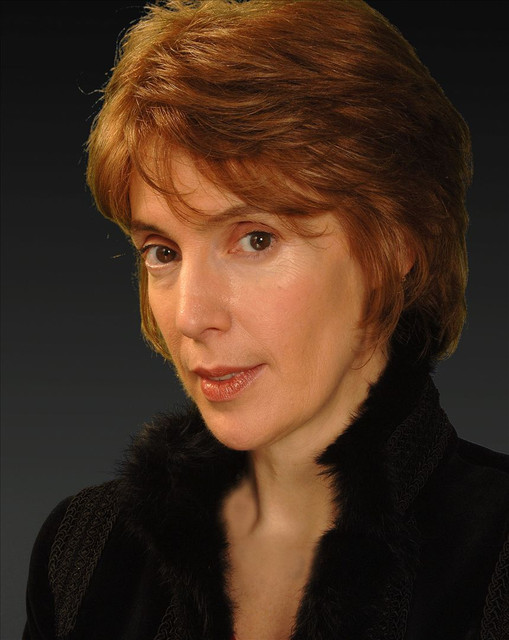
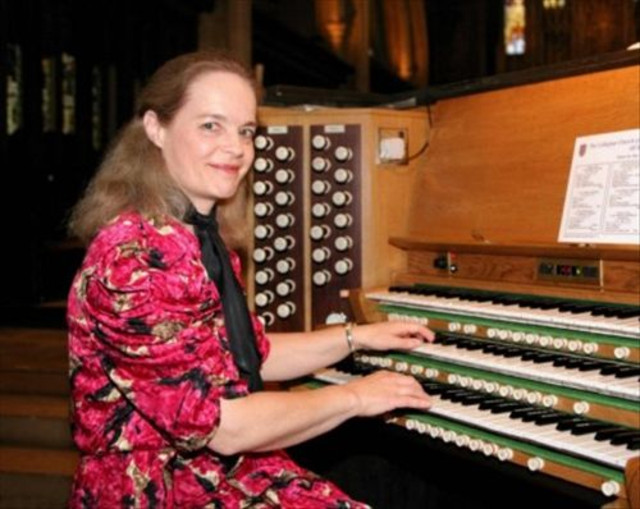
Margaret Phillips

Jonathan Willcocks

Leo Nestor
Jean de Brébeuf