Data may be outdated
Last updated: 9 months ago — Click refresh to get the latest statistics.
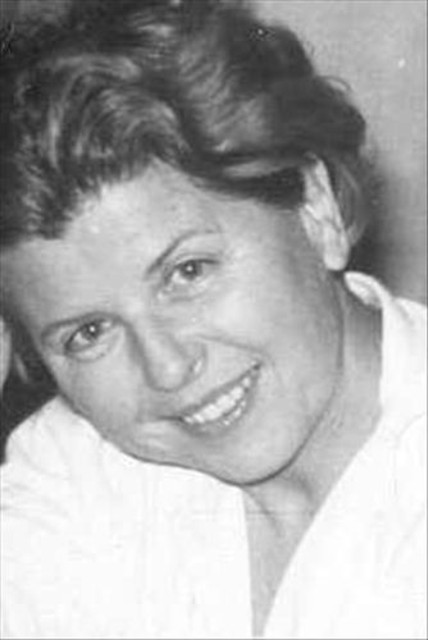
Blessed with a silvery lyric soprano, true in timbre and beautifully trained, Maria Stader was unable to enjoy the opera career she deserved. Only 4'9" in height, she was deemed too diminutive to be a viable figure on-stage. Thus, she was confined to recording congenial opera roles and to making concert appearances. Despite what some might have regarded as a setback, she achieved genuine celebrity and became an artist favored by many first-rank conductors. Orphaned in Hungary during WWI, Stader was brought by the International Red Cross to Switzerland, where she was adopted by fisherman Hans Stader. She began her music training near her home on the shores of Lake Constance. Later, she studied with Hans Keller in Karlsruhe, Germany, with the famous dramatic soprano Giannina Arangi-Lombardi in Milan and with Therese Schnabel in New York. She attracted international attention when she won first prize for singing in the Concourse International d'Execution Musicale in Geneva in 1939. After WWII, Stader taught at the Musikacademie in Zurich while at the same time launching a concert career. Recognized as an exemplary <a href="spotify:artist:4NJhFmfw43RLBLjQvxDuRS">Mozart</a> singer, she was heard in other parts of Europe, Africa and the Far East, and eventually, in the United States. A rare opera appearance presented her as the Queen of the Night at Covent Garden during the 1949-1950 season. One of four sopranos to sing the role in that production, Stader did not attract sufficient attention to bring about reengagement. Her first American appearances took place in 1954 when she sang with the <a href="spotify:artist:3gacryguGmpmCvgPGt2CBI">New York Philharmonic</a>, the <a href="spotify:artist:6tdexW8bZTG8NgOFUCYQn1">Philadelphia Orchestra</a>, and the <a href="spotify:artist:0jJszR81GjA87jeRq0Jgwz">Cleveland Orchestra</a>. In 1956, she sang a series of concert performances in Israel of both Lucia di Lammermoor and Judas Maccabaeus under conductor <a href="spotify:artist:0BjUTtTzgWxoQkbGjz4NmZ">Ferenc Fricsay</a>. Among Stader's recordings, her Konstanze, Pamina, and Marzelline are attractive realizations. In the concert repertory, recordings of the <a href="spotify:artist:6n7nd5iceYpXVwcx8VPpxF">Dvorák</a> Requiem, several <a href="spotify:artist:4NJhFmfw43RLBLjQvxDuRS">Mozart</a> masses, and <a href="spotify:artist:4NJhFmfw43RLBLjQvxDuRS">Mozart</a>'s Exsultate, jubilate are worthy examples of her art. Before her retirement in 1969, Stader published a text on the performance of <a href="spotify:artist:5aIqB5nVVvmFsvSdExz408">Bach</a> arias. During her career, she was honored with several awards, among them the <a href="spotify:artist:1MfGjo5n4S42qQJNetbjZ8">Lilli Lehmann</a> Medal, the Silver <a href="spotify:artist:4NJhFmfw43RLBLjQvxDuRS">Mozart</a> Medal (City of Salzburg), and the Austrian Order of Merit.
Monthly Listeners
19,359
Monthly Listeners History
Track the evolution of monthly listeners over the last 28 days.
Followers
785
Followers History
Track the evolution of followers over the last 28 days.
Top Cities



Related Artists
Georg Munzel
Georg Ratzinger
Dietmar Keller

Vratislav Vinický

Alphons von Aarburg

Anna Schmidt
Dresden Kreuzchor
Fritz Neumeyer

Sándor Szokolay
Bachchor Mainz

Peter Dicke
Ingomar Rainer
Friedemann Winklhofer


Christian Heiss
Gregor Meyer
Czech Philharmonic Children's Choir
Gábor Trajtler
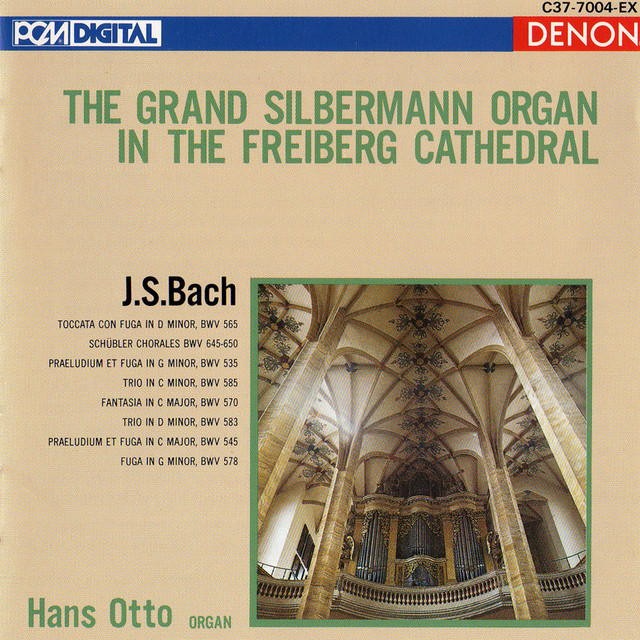
Josef Schnabel
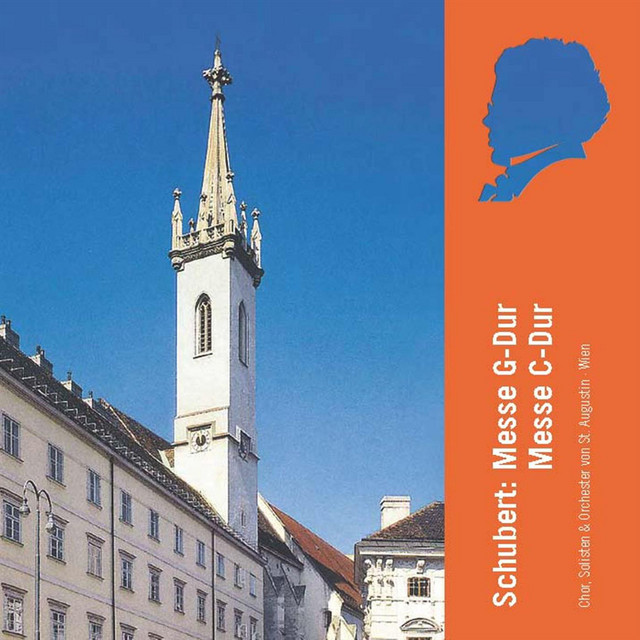
Chor und Orchester von St. Augustin

Camilla Nylund
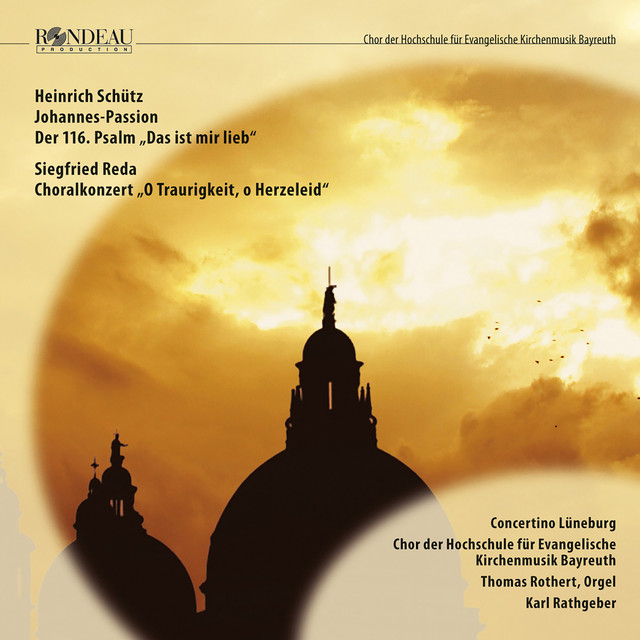
Bernhard Schneider

Adam Gumpelzhaimer
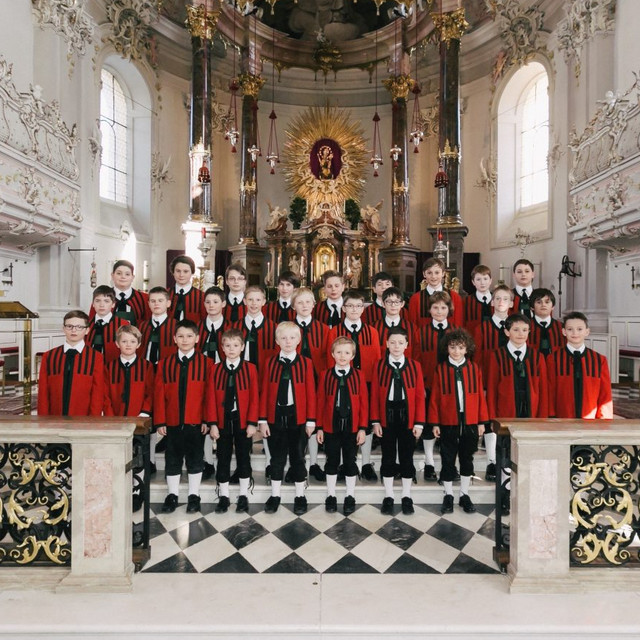
Wiltener Sängerknaben

Jakub Jan Ryba
Günther Ramin
Karl Kempter