Data may be outdated
Last updated: 9 months ago — Click refresh to get the latest statistics.
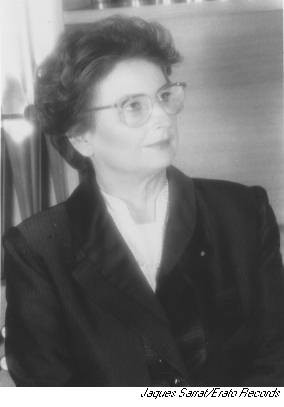
Marie-Claire Alain was the youngest child in a family of distinguished musicians, born August 10, 1926, in St. Germain-en Laye, a Paris suburb. Her father, Albert Alain, a composer and amateur organ builder, had been a pupil of <a href="spotify:artist:6emD64QGKpOHsYaiPuhWf1">Guilmant</a> and <a href="spotify:artist:2gClsBep1tt1rv1CN210SO">Fauré</a>. Her sister Odile was a promising soprano and pianist who lost her life early in a mountaineering accident; her older brother, Olivier, was a composer, pianist, and musicologist. Her oldest brother was the renowned <a href="spotify:artist:0AFbebB7EpLm1qzqBRwyWt">Jehan Alain</a>, a composer and organist whose teachers included <a href="spotify:artist:1wyuV2UwDaVUPcvuC8YG68">Dupré</a>, <a href="spotify:artist:3KpcdlqCaWWruPfmM2rWy1">Dukas</a>, and Jean Roger-Ducasse. He numbered <a href="spotify:artist:6CS9O2pE67oq44GZuBEBuD">Messiaen</a> and <a href="spotify:artist:4IAWVxo2fpTBPn6k7GZ3eY">Poulenc</a> among his closest friends and his works for organ -- Litanies, in particular -- established him as one of the brightest stars among rising French composers in the decade before his battlefield death in 1940, at 29. A twin sense of loss and inheritance informed her studies and career.
With the allied liberation of Paris in August 1944, she entered the Paris Conservatoire, studying with <a href="spotify:artist:1wyuV2UwDaVUPcvuC8YG68">Dupré</a> for organ, Pié-Caussade for counterpoint and fugue, and <a href="spotify:artist:7Fph7U6qidZ2E97xKKsD4m">Maurice Duruflé</a> for harmony. <a href="spotify:artist:7Fph7U6qidZ2E97xKKsD4m">Duruflé</a> composed one of the finest of his small but masterly group of organ works as an hommage to Marie-Claire's brother, the Prélude et fugue sur le nom d'Alain, Op. 7 (1942). She studied with <a href="spotify:artist:7Fph7U6qidZ2E97xKKsD4m">Duruflé</a> from 1944 until 1950, schoolwork being augmented by private lessons. During her Conservatoire years, she carried off four Premier Prix. After the inauguration of her career in 1950, she took a prize for organ at the Geneva International Competition and gave her first public recital. The Amis de Orgue awarded her the <a href="spotify:artist:5aIqB5nVVvmFsvSdExz408">Bach</a> Prize in 1951. After a further two years of study with <a href="spotify:artist:1A1BQdzh8Bw8g0S4BtgSyl">Gaston Litaize</a>, she took up her career in earnest, giving well over 2000 recitals worldwide. Her recordings number in the hundreds, and she thrice recorded the complete organ works of <a href="spotify:artist:5aIqB5nVVvmFsvSdExz408">Bach</a>. By the 1980s, she had become known as a specialist in 17th and 18th century music, with numerous recordings of works by <a href="spotify:artist:4kVLtXuKJTE7SgYd2sQtaL">Couperin</a>, <a href="spotify:artist:6yi6O1O0DZ6X4ejbvumTaT">Grigny</a>, <a href="spotify:artist:35eG5pVUcUcmYLmWBlNTpN">Daquin</a>, <a href="spotify:artist:2QOIawHpSlOwXDvSqQ9YJR">Vivaldi</a>, <a href="spotify:artist:2YfFYZnshSzgfLsKZMM4VL">Buxtehude</a>, <a href="spotify:artist:62TD7509VQIxUe4WpwO0s3">Pachelbel</a>, <a href="spotify:artist:1QL7yTHrdahRMpvNtn6rI2">Handel</a>, <a href="spotify:artist:3meioy7GWDwpwmjv2LPyAb">C.P.E. Bach</a>, <a href="spotify:artist:656RXuyw7CE0dtjdPgjJV6">Haydn</a>, and <a href="spotify:artist:4NJhFmfw43RLBLjQvxDuRS">Mozart</a> -- among many others -- to her credit. But she also made distinguished recordings of Romantic repertoire with albums of works by <a href="spotify:artist:6MF58APd3YV72Ln2eVg710">Mendelssohn</a>, <a href="spotify:artist:1C3sffOOvQNUwg4YIsvKqy">César Franck</a>, <a href="spotify:artist:1385hLNbrnbCJGokfH2ac2">Liszt</a>, <a href="spotify:artist:6wgviqppMkEUf4p2WJ2uVa">Widor</a>, <a href="spotify:artist:5s5DbmkHjHiMe5rlFdUMGL">Vierne</a>, <a href="spotify:artist:4IAWVxo2fpTBPn6k7GZ3eY">Poulenc</a>, and <a href="spotify:artist:0AFbebB7EpLm1qzqBRwyWt">Jehan Alain</a> -- whose punctilious execution is suffused with passion -- carrying into the 21st century living traditions extending to the middle of the 19th. She was also much in demand as a teacher.
With the allied liberation of Paris in August 1944, she entered the Paris Conservatoire, studying with <a href="spotify:artist:1wyuV2UwDaVUPcvuC8YG68">Dupré</a> for organ, Pié-Caussade for counterpoint and fugue, and <a href="spotify:artist:7Fph7U6qidZ2E97xKKsD4m">Maurice Duruflé</a> for harmony. <a href="spotify:artist:7Fph7U6qidZ2E97xKKsD4m">Duruflé</a> composed one of the finest of his small but masterly group of organ works as an hommage to Marie-Claire's brother, the Prélude et fugue sur le nom d'Alain, Op. 7 (1942). She studied with <a href="spotify:artist:7Fph7U6qidZ2E97xKKsD4m">Duruflé</a> from 1944 until 1950, schoolwork being augmented by private lessons. During her Conservatoire years, she carried off four Premier Prix. After the inauguration of her career in 1950, she took a prize for organ at the Geneva International Competition and gave her first public recital. The Amis de Orgue awarded her the <a href="spotify:artist:5aIqB5nVVvmFsvSdExz408">Bach</a> Prize in 1951. After a further two years of study with <a href="spotify:artist:1A1BQdzh8Bw8g0S4BtgSyl">Gaston Litaize</a>, she took up her career in earnest, giving well over 2000 recitals worldwide. Her recordings number in the hundreds, and she thrice recorded the complete organ works of <a href="spotify:artist:5aIqB5nVVvmFsvSdExz408">Bach</a>. By the 1980s, she had become known as a specialist in 17th and 18th century music, with numerous recordings of works by <a href="spotify:artist:4kVLtXuKJTE7SgYd2sQtaL">Couperin</a>, <a href="spotify:artist:6yi6O1O0DZ6X4ejbvumTaT">Grigny</a>, <a href="spotify:artist:35eG5pVUcUcmYLmWBlNTpN">Daquin</a>, <a href="spotify:artist:2QOIawHpSlOwXDvSqQ9YJR">Vivaldi</a>, <a href="spotify:artist:2YfFYZnshSzgfLsKZMM4VL">Buxtehude</a>, <a href="spotify:artist:62TD7509VQIxUe4WpwO0s3">Pachelbel</a>, <a href="spotify:artist:1QL7yTHrdahRMpvNtn6rI2">Handel</a>, <a href="spotify:artist:3meioy7GWDwpwmjv2LPyAb">C.P.E. Bach</a>, <a href="spotify:artist:656RXuyw7CE0dtjdPgjJV6">Haydn</a>, and <a href="spotify:artist:4NJhFmfw43RLBLjQvxDuRS">Mozart</a> -- among many others -- to her credit. But she also made distinguished recordings of Romantic repertoire with albums of works by <a href="spotify:artist:6MF58APd3YV72Ln2eVg710">Mendelssohn</a>, <a href="spotify:artist:1C3sffOOvQNUwg4YIsvKqy">César Franck</a>, <a href="spotify:artist:1385hLNbrnbCJGokfH2ac2">Liszt</a>, <a href="spotify:artist:6wgviqppMkEUf4p2WJ2uVa">Widor</a>, <a href="spotify:artist:5s5DbmkHjHiMe5rlFdUMGL">Vierne</a>, <a href="spotify:artist:4IAWVxo2fpTBPn6k7GZ3eY">Poulenc</a>, and <a href="spotify:artist:0AFbebB7EpLm1qzqBRwyWt">Jehan Alain</a> -- whose punctilious execution is suffused with passion -- carrying into the 21st century living traditions extending to the middle of the 19th. She was also much in demand as a teacher.
Monthly Listeners
25,553
Monthly Listeners History
Track the evolution of monthly listeners over the last 28 days.
Followers
4,868
Followers History
Track the evolution of followers over the last 28 days.
Top Cities


Related Artists
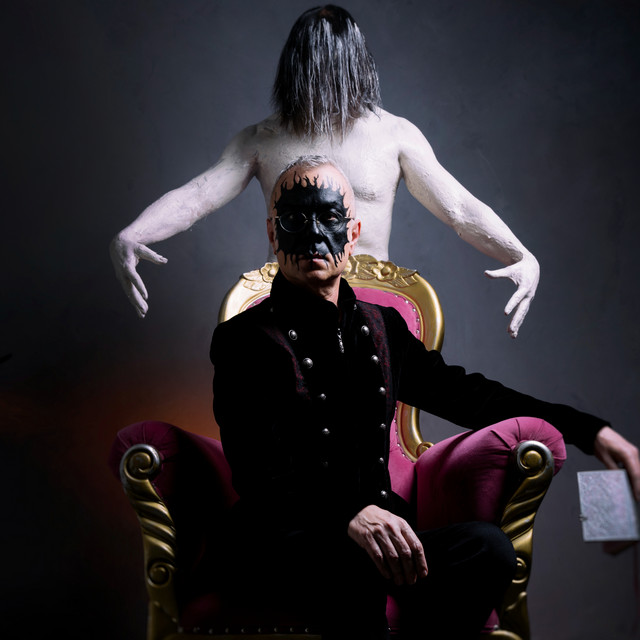
Olivier Vernet
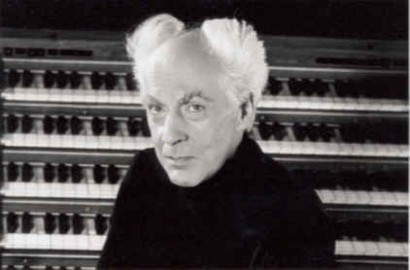
David Sanger
Gerhard Weinberger
Johann Gottfried Walther
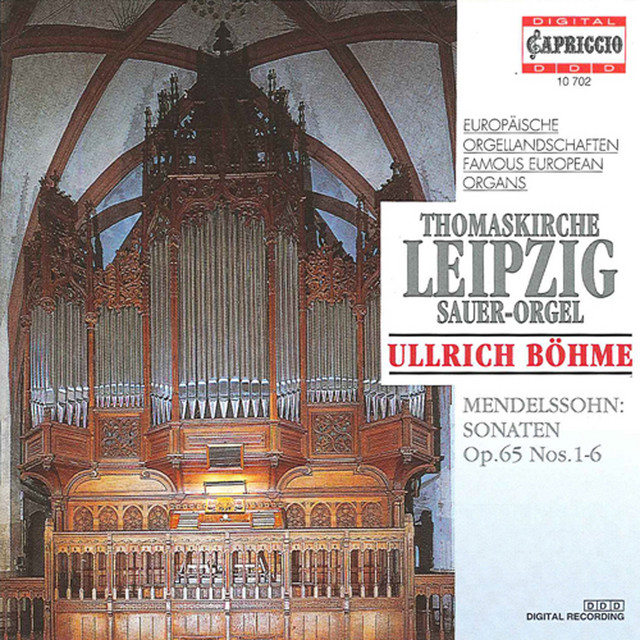
Ullrich Böhme
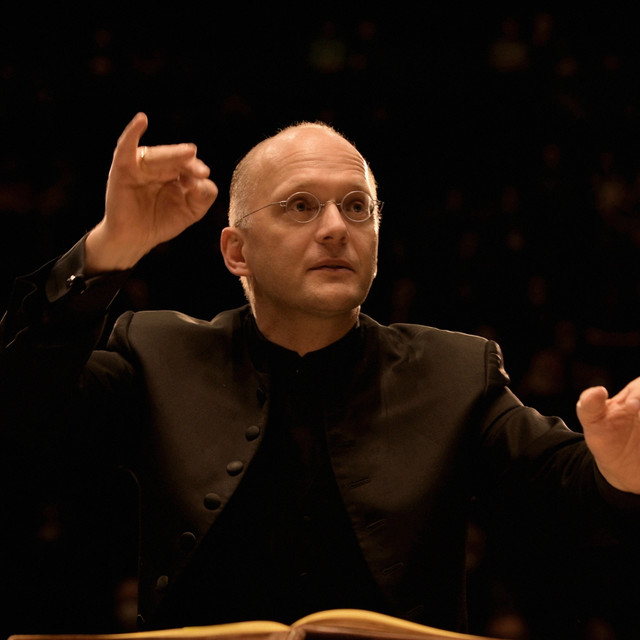
Hansjörg Albrecht
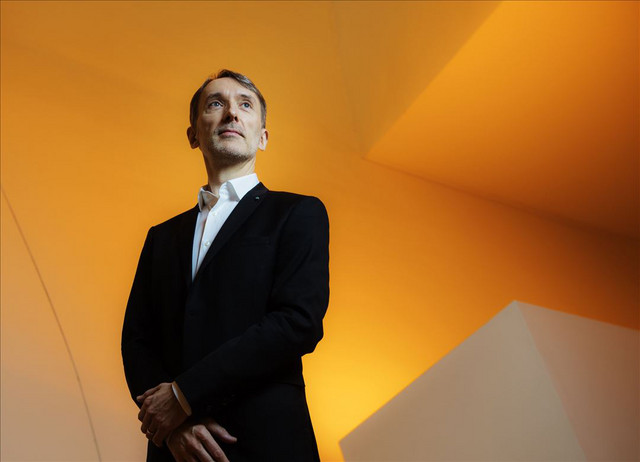
Leo Van Doeselaar
Claude Balbastre
Pierre Bardon
Francis Jacob
Nicolas de Grigny

Louis Vierne


Jennifer Bate
Vincent Dubois
Martin Schmeding
Johannes-Ernst Köhler
Brigitte Geller

Piet Kee
Thomas Trotter
Johann Christian Kittel
Georg Böhm


Martin Sander

Albert Schweitzer
