Data may be outdated
Last updated: 9 months ago — Click refresh to get the latest statistics.
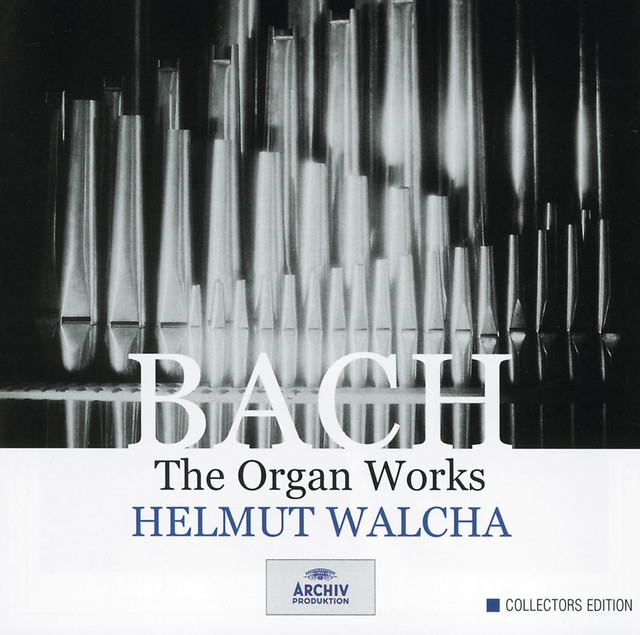
Organist Helmut Walcha was a native of Leipzig who was blinded at age 16 due to a botched vaccination against smallpox. Nevertheless, Walcha did not allow this infirmity to discourage him from pursuing his life's ambition as a church musician, and he entered the Leipzig Conservatory at the age of 19. Walcha's potential was noticed by Günther Ramin, professor of organ at the Conservatory and kapellmeister at the Thomaskirche in Leipzig, the very church that employed <a href="spotify:artist:5aIqB5nVVvmFsvSdExz408">Johann Sebastian Bach</a> from 1724 until his death in 1750. Walcha became Ramin's assistant at the Thomaskirche and made his public performance debut there in 1924. In 1929, Walcha accepted a position at the Friedenskirche at Frankfurt, where he was based the rest of his long life; in 1938, Walcha began teaching at the Musikhochschule in Frankfurt, and in 1946 he moved from the Friedenskirche to the Dreikönigskirche. While he retired from teaching in 1972, Walcha continued to work as organist of the Dreikönigskirche until his public retirement in 1981.
Being blind, Helmut Walcha memorized all of the music he played, first with the help of his mother and later with his wife's assistance: he heard each individual line of music played in either hand, or from the foot pedals -- once he'd heard each part played four times through, he could re-assemble them in his head. Through this method, Walcha was able to memorize all of the organ works of <a href="spotify:artist:5aIqB5nVVvmFsvSdExz408">Bach</a> known in his time, which he recorded twice, for the first time toward the end of the 78 era in mono, and the second in stereo beginning in 1956. Walcha's blindness was actually an aid to his interpretations of these works as he could "see" <a href="spotify:artist:5aIqB5nVVvmFsvSdExz408">Bach</a>'s music as consisting of individual lines of counterpoint, and Walcha focused his interpretation on making all such details clear as separate entities within <a href="spotify:artist:5aIqB5nVVvmFsvSdExz408">Bach</a>'s general musical texture. Walcha toured extensively in Europe as an organist and frequently broadcast, but his fame spread most readily through his long association with recording firm Deutsche Grammophon, lasting from 1947 until his retirement from recording at the end of the second <a href="spotify:artist:5aIqB5nVVvmFsvSdExz408">Bach</a> cycle in 1971. His recording of <a href="spotify:artist:5aIqB5nVVvmFsvSdExz408">Bach</a>'s Die Kunst die Füge from 1956, which many critics feel is definitive, was the first stereo recording made by Deutsche Grammophon.
Walcha disdained the big Romantic organs common in Europe in his time, mainly due to what he felt were their overabundant mechanisms, and he went in search of the best surviving Baroque instruments, surveying them throughout Europe. In doing so, Walcha helped set a standard for others in the appreciation and preservation of older organs, and he personally contributed to the restoration of several important instruments through playing fundraisers. Among organs he preferred were a Silbermann instrument at St. Pierre-le-Jeune in Strasbourg and the Schnitger organ at Laurenskerk in Altmaar in The Netherlands, the ones with which he made the lion's share of his recordings. Walcha also played the harpsichord and prepared an edition of <a href="spotify:artist:1QL7yTHrdahRMpvNtn6rI2">George Frideric Handel</a>'s 16 organ concerti and made a realization of the unfinished fugue in <a href="spotify:artist:5aIqB5nVVvmFsvSdExz408">Bach</a>'s Die Kunst der Füge.
Being blind, Helmut Walcha memorized all of the music he played, first with the help of his mother and later with his wife's assistance: he heard each individual line of music played in either hand, or from the foot pedals -- once he'd heard each part played four times through, he could re-assemble them in his head. Through this method, Walcha was able to memorize all of the organ works of <a href="spotify:artist:5aIqB5nVVvmFsvSdExz408">Bach</a> known in his time, which he recorded twice, for the first time toward the end of the 78 era in mono, and the second in stereo beginning in 1956. Walcha's blindness was actually an aid to his interpretations of these works as he could "see" <a href="spotify:artist:5aIqB5nVVvmFsvSdExz408">Bach</a>'s music as consisting of individual lines of counterpoint, and Walcha focused his interpretation on making all such details clear as separate entities within <a href="spotify:artist:5aIqB5nVVvmFsvSdExz408">Bach</a>'s general musical texture. Walcha toured extensively in Europe as an organist and frequently broadcast, but his fame spread most readily through his long association with recording firm Deutsche Grammophon, lasting from 1947 until his retirement from recording at the end of the second <a href="spotify:artist:5aIqB5nVVvmFsvSdExz408">Bach</a> cycle in 1971. His recording of <a href="spotify:artist:5aIqB5nVVvmFsvSdExz408">Bach</a>'s Die Kunst die Füge from 1956, which many critics feel is definitive, was the first stereo recording made by Deutsche Grammophon.
Walcha disdained the big Romantic organs common in Europe in his time, mainly due to what he felt were their overabundant mechanisms, and he went in search of the best surviving Baroque instruments, surveying them throughout Europe. In doing so, Walcha helped set a standard for others in the appreciation and preservation of older organs, and he personally contributed to the restoration of several important instruments through playing fundraisers. Among organs he preferred were a Silbermann instrument at St. Pierre-le-Jeune in Strasbourg and the Schnitger organ at Laurenskerk in Altmaar in The Netherlands, the ones with which he made the lion's share of his recordings. Walcha also played the harpsichord and prepared an edition of <a href="spotify:artist:1QL7yTHrdahRMpvNtn6rI2">George Frideric Handel</a>'s 16 organ concerti and made a realization of the unfinished fugue in <a href="spotify:artist:5aIqB5nVVvmFsvSdExz408">Bach</a>'s Die Kunst der Füge.
Monthly Listeners
23,516
Monthly Listeners History
Track the evolution of monthly listeners over the last 28 days.
Followers
4,989
Followers History
Track the evolution of followers over the last 28 days.
Top Cities


Related Artists
Kenneth Gilbert

Gerhard Weinberger
Peter Kofler

Albert Schweitzer

Hans Vollenweider
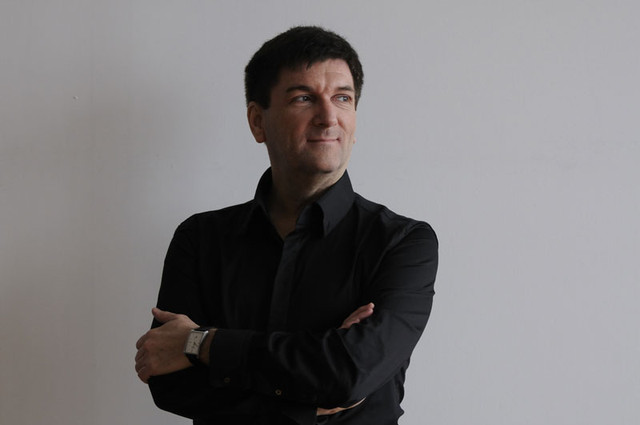
Luc Beauséjour
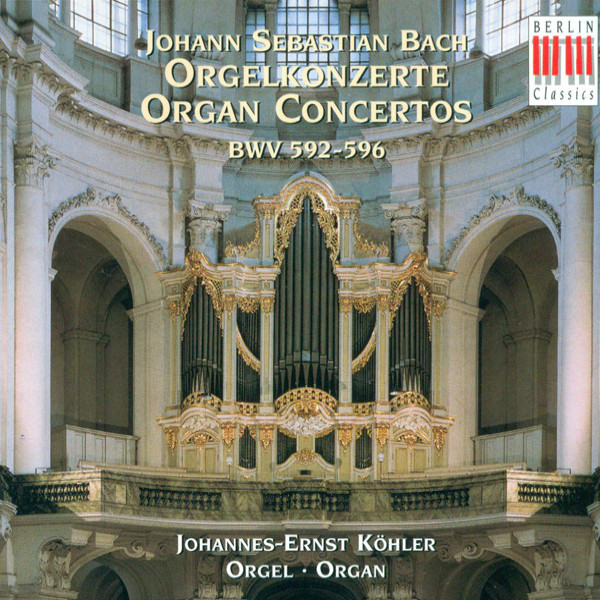
Johannes-Ernst Köhler
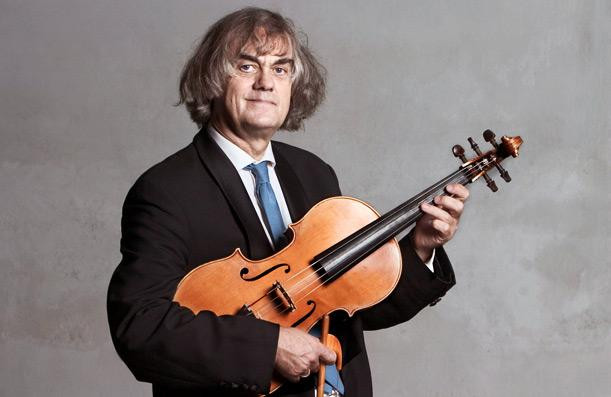

Robert Aldwinckle
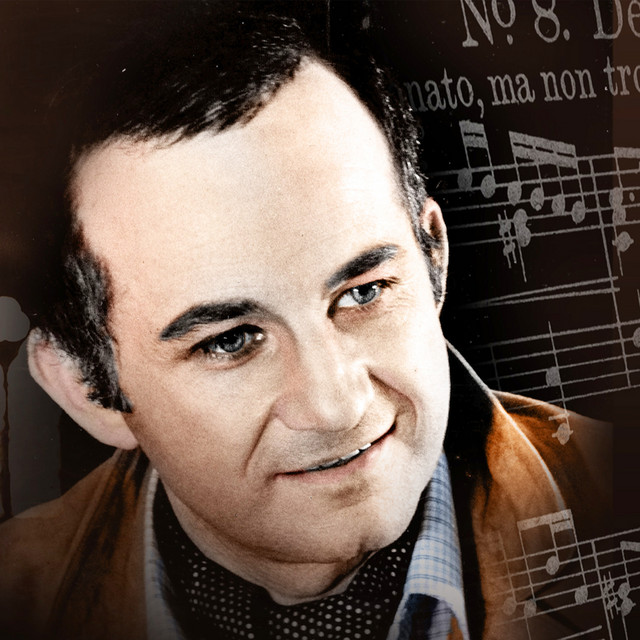
Brigitte Geller
Olivier Vernet

Jean-Patrice Brosse

David Sanger
Hans Helmut Tillmanns

Burkhard Glaetzner


Douglas Lawrence

Walter Kraft

London Conchord Ensemble
Leo Van Doeselaar

Wolfgang Schöne
Kristóf Baráti
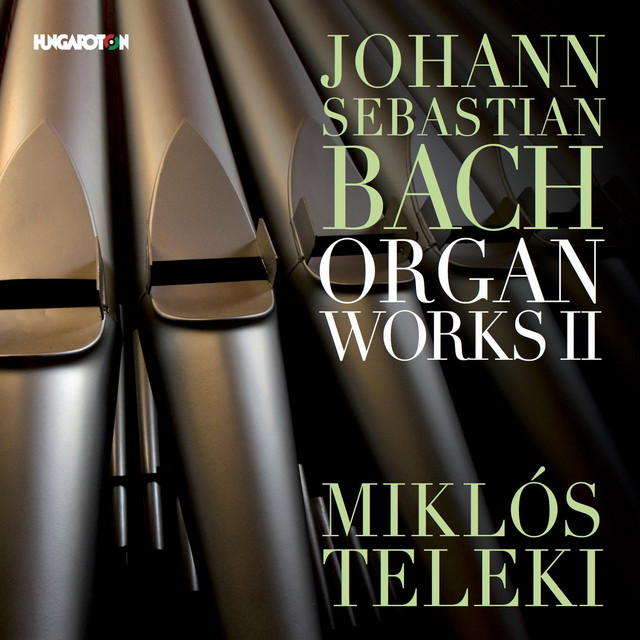
Miklós Teleki