Data may be outdated
Last updated: 9 months ago — Click refresh to get the latest statistics.
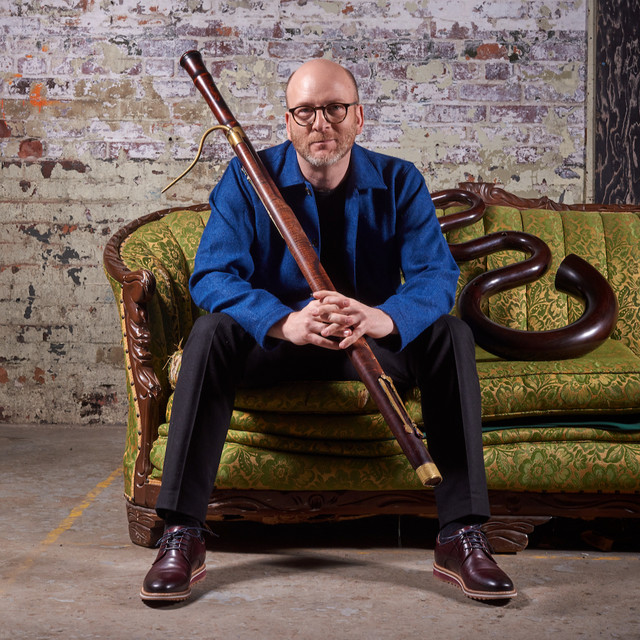
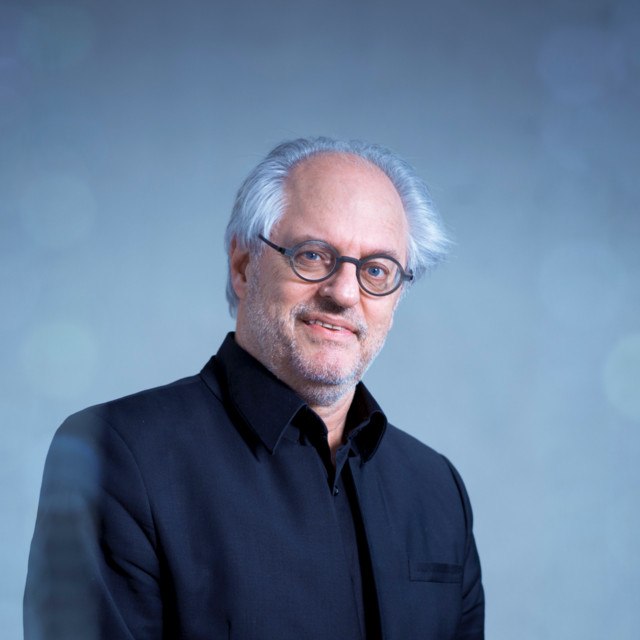
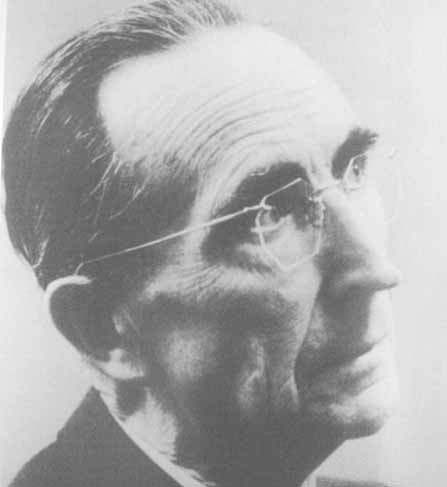
Martin Haselböck has been counted among the world's most prominent organists since the mid-'70s, making over 50 solo recordings and giving numerous concerts at the world's major concert venues. Since the early '80s he has been active as a conductor, too, both in concert and in operatic performances, turning out even more recordings in this role, mostly with his own Wiener Akademie Orchester in repertory favoring <a href="spotify:artist:656RXuyw7CE0dtjdPgjJV6">Haydn</a>, <a href="spotify:artist:4NJhFmfw43RLBLjQvxDuRS">Mozart</a>, <a href="spotify:artist:2p0UyoPfYfI76PCStuXfOP">Schubert</a>, and <a href="spotify:artist:1385hLNbrnbCJGokfH2ac2">Liszt</a> on period instruments.
Haselböck was born in Vienna on November 23, 1954. After keyboard and composition studies at home at the Musikhochschule, he traveled to Paris for further study on organ with <a href="spotify:artist:4wrXOZhlMnGq7gv0fyu8da">Daniel Roth</a> and <a href="spotify:artist:4O8EGydL6ABgETz11eqPFG">Jean Langlais</a>. He also studied composition with Michael Radulescu, <a href="spotify:artist:0x51w1NUM49dEwlOPG1jtr">Anton Heiller</a>, and <a href="spotify:artist:4S4oIxSwFzDCb0XSU8eSAW">Friedrich Cerha</a>. He captured first prize in the 1972 Vienna-Melk organ competition, then launched his professional career the following year. While maintaining a busy concert schedule he accepted two prestigious organist posts in Vienna, the first at St. Augustine's Church, the second at the Vienna Hofkapelle (1977) as Court Organist. In the 1980s Haselböck began to conduct regularly. In 1985 he founded the period-instrument ensemble Wiener Akademie Orchester, though he continues to guest conduct other orchestras in Europe and America. He maintained both his organ and conducting careers while holding teaching posts in organ as well, first at Iowa's Luther College (1977), then at the Vienna Musikhochschule (1979) and later at the Lübeck Musikhochschule (1986). Haselböck was chief editor of Universal Edition's Organ Edition publications from 1978 to 2000. Haselböck also began conducting opera, and by 1991 became recognized as a major talent when he led an acclaimed performance of Don Giovanni at the Prague Mozart Festival. In the meantime, he took on large projects on organ, recording cycles of works by <a href="spotify:artist:5aIqB5nVVvmFsvSdExz408">J.S. Bach</a> and <a href="spotify:artist:1385hLNbrnbCJGokfH2ac2">Liszt</a>, as well as numerous individual compositions that included organ concertos by <a href="spotify:artist:656RXuyw7CE0dtjdPgjJV6">Haydn</a> and <a href="spotify:artist:7ABfksc6hkcvh4mo8qzL5A">Krenek</a>, the latter being just one of the composers who have written expressly for Haselböck. It was the Liszt (1986) cycle that won the Hungarian Liszt prize, and his recordings have garnered other major European awards as well. Haselböck has continued to score triumphs on all fronts, gaining particular notice with his productions of operas by <a href="spotify:artist:1QL7yTHrdahRMpvNtn6rI2">Handel</a>, with Radamisto (2002) and Il trionfo del tempo (2004) staged at the Salzburg Festival. He maintains his interest in teaching, as well, holding a professorship in organ at the University of Vienna. He adjudicates organ competitions and has helped oversee organ installations. Beginning with the 2005-2006 concert season, Haselböck assumed duties as music director of Musica Angelica, an ensemble dedicated to Baroque music based in Los Angeles. His inaugural concert featured a warmly received all-<a href="spotify:artist:5aIqB5nVVvmFsvSdExz408">Bach</a> program, in which Haselböck also played the organ for Cantata No. 35. In the 2010s, Haselböck and the Wiener Akademie recorded Beethoven's symphonies for the <a href="spotify:search:label%3A%22Alpha%22">Alpha</a> label, trying to reconstruct the conditions of Beethoven's original performances, in their original venues. The earlier recordings of Haselböck and the Akademie were remastered and reissued by <a href="spotify:search:label%3A%22Aparte%22">Aparte</a> in 2021. In 2022, they began a new series recordings devoted to the sacred music of <a href="spotify:artist:1385hLNbrnbCJGokfH2ac2">Liszt</a>. ~ Robert Cummings & Patsy Morita, Rovi
Haselböck was born in Vienna on November 23, 1954. After keyboard and composition studies at home at the Musikhochschule, he traveled to Paris for further study on organ with <a href="spotify:artist:4wrXOZhlMnGq7gv0fyu8da">Daniel Roth</a> and <a href="spotify:artist:4O8EGydL6ABgETz11eqPFG">Jean Langlais</a>. He also studied composition with Michael Radulescu, <a href="spotify:artist:0x51w1NUM49dEwlOPG1jtr">Anton Heiller</a>, and <a href="spotify:artist:4S4oIxSwFzDCb0XSU8eSAW">Friedrich Cerha</a>. He captured first prize in the 1972 Vienna-Melk organ competition, then launched his professional career the following year. While maintaining a busy concert schedule he accepted two prestigious organist posts in Vienna, the first at St. Augustine's Church, the second at the Vienna Hofkapelle (1977) as Court Organist. In the 1980s Haselböck began to conduct regularly. In 1985 he founded the period-instrument ensemble Wiener Akademie Orchester, though he continues to guest conduct other orchestras in Europe and America. He maintained both his organ and conducting careers while holding teaching posts in organ as well, first at Iowa's Luther College (1977), then at the Vienna Musikhochschule (1979) and later at the Lübeck Musikhochschule (1986). Haselböck was chief editor of Universal Edition's Organ Edition publications from 1978 to 2000. Haselböck also began conducting opera, and by 1991 became recognized as a major talent when he led an acclaimed performance of Don Giovanni at the Prague Mozart Festival. In the meantime, he took on large projects on organ, recording cycles of works by <a href="spotify:artist:5aIqB5nVVvmFsvSdExz408">J.S. Bach</a> and <a href="spotify:artist:1385hLNbrnbCJGokfH2ac2">Liszt</a>, as well as numerous individual compositions that included organ concertos by <a href="spotify:artist:656RXuyw7CE0dtjdPgjJV6">Haydn</a> and <a href="spotify:artist:7ABfksc6hkcvh4mo8qzL5A">Krenek</a>, the latter being just one of the composers who have written expressly for Haselböck. It was the Liszt (1986) cycle that won the Hungarian Liszt prize, and his recordings have garnered other major European awards as well. Haselböck has continued to score triumphs on all fronts, gaining particular notice with his productions of operas by <a href="spotify:artist:1QL7yTHrdahRMpvNtn6rI2">Handel</a>, with Radamisto (2002) and Il trionfo del tempo (2004) staged at the Salzburg Festival. He maintains his interest in teaching, as well, holding a professorship in organ at the University of Vienna. He adjudicates organ competitions and has helped oversee organ installations. Beginning with the 2005-2006 concert season, Haselböck assumed duties as music director of Musica Angelica, an ensemble dedicated to Baroque music based in Los Angeles. His inaugural concert featured a warmly received all-<a href="spotify:artist:5aIqB5nVVvmFsvSdExz408">Bach</a> program, in which Haselböck also played the organ for Cantata No. 35. In the 2010s, Haselböck and the Wiener Akademie recorded Beethoven's symphonies for the <a href="spotify:search:label%3A%22Alpha%22">Alpha</a> label, trying to reconstruct the conditions of Beethoven's original performances, in their original venues. The earlier recordings of Haselböck and the Akademie were remastered and reissued by <a href="spotify:search:label%3A%22Aparte%22">Aparte</a> in 2021. In 2022, they began a new series recordings devoted to the sacred music of <a href="spotify:artist:1385hLNbrnbCJGokfH2ac2">Liszt</a>. ~ Robert Cummings & Patsy Morita, Rovi
Monthly Listeners
6,089
Monthly Listeners History
Track the evolution of monthly listeners over the last 28 days.
Followers
664
Followers History
Track the evolution of followers over the last 28 days.
Top Cities
116 listeners

81 listeners

77 listeners

74 listeners

69 listeners

Related Artists
Joseph Martin Kraus
Johannes Goritzki
Hermann Scherchen
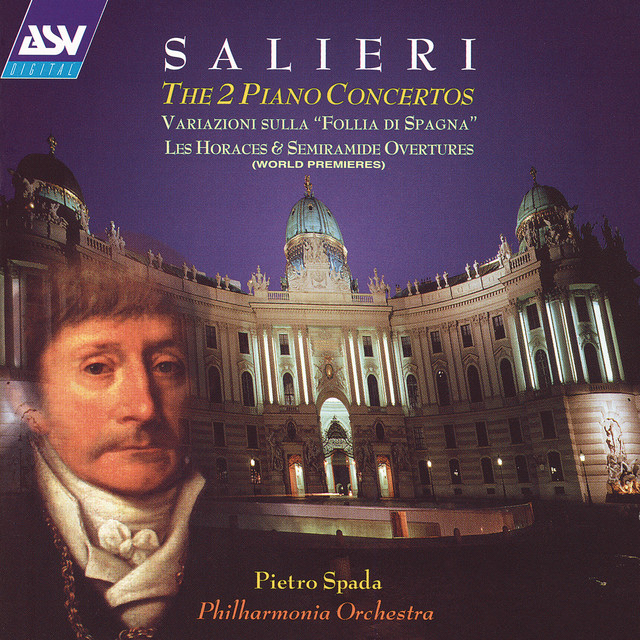
Pietro Spada
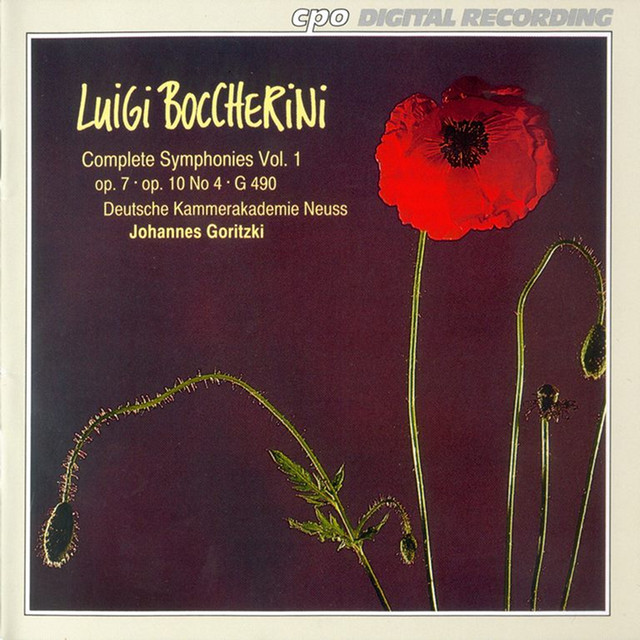
German Chamber Academy Neuss
Massimo Belli

Serge Baudo
Karl Ristenpart


Coro Gulbenkian




Johannes Somary
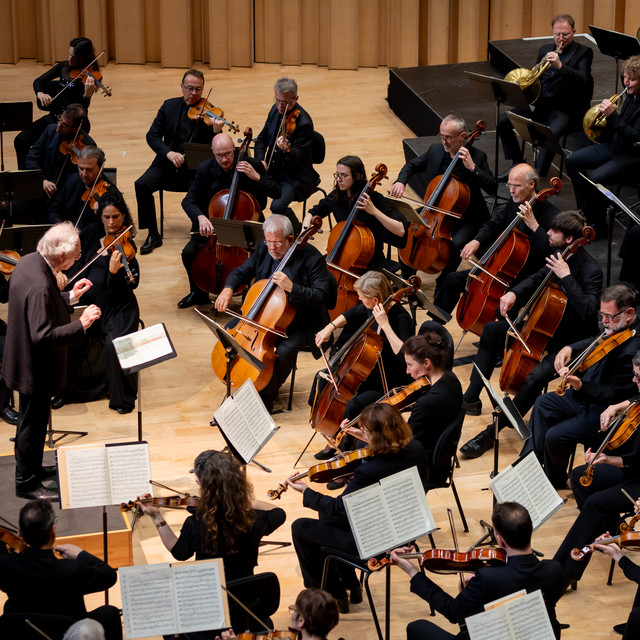

Magda Kalmár

Marek Stryncl

Württembergisches Kammerorchester

Alun Francis
Wolfgang Bauer
Georg Matthias Monn
Georg Fischer

Camilla Tilling