Data may be outdated
Last updated: 2 weeks ago — Click refresh to get the latest statistics.
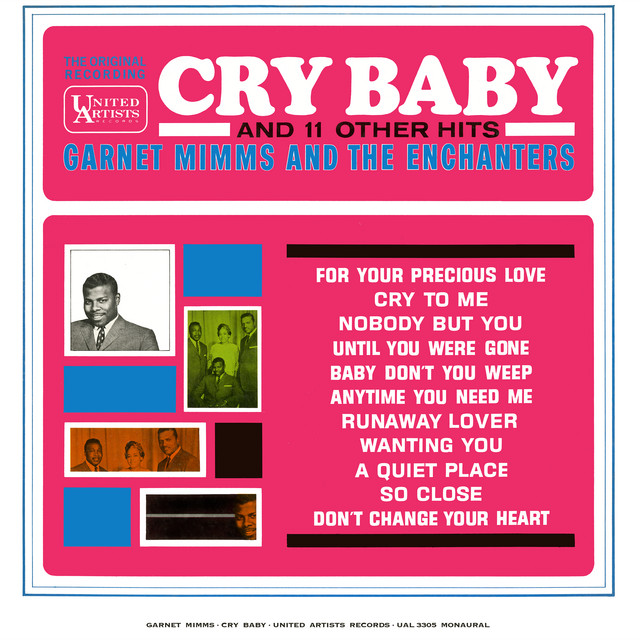
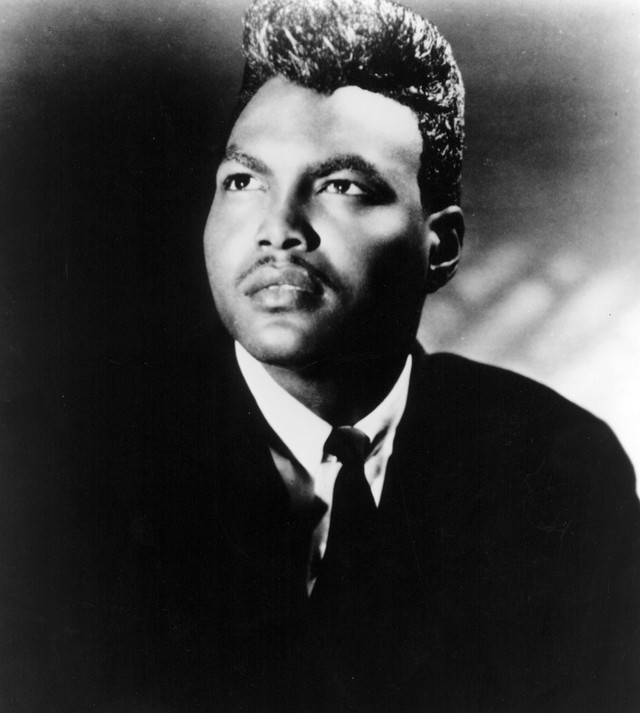
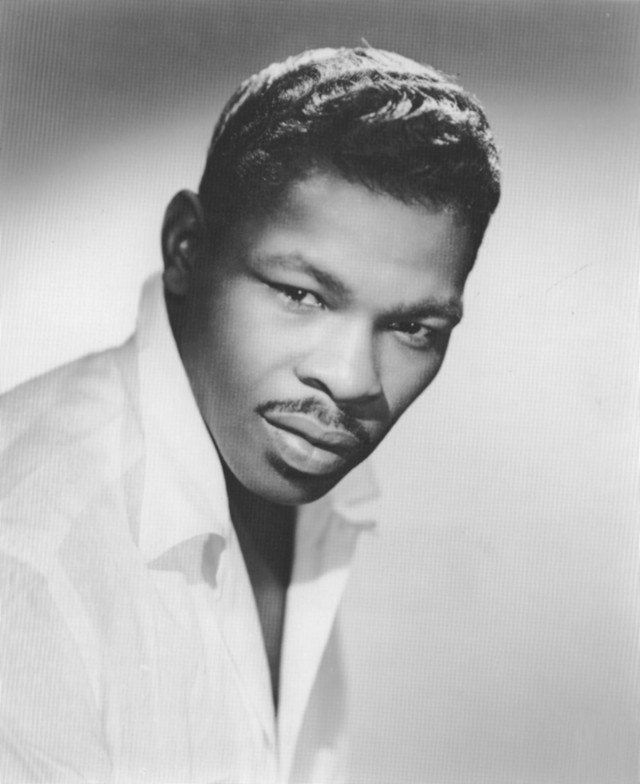
After Johnson played his original song "Come to Me" for <a href="spotify:artist:4xRLKAf96K6YdGDWjY6ra8">Gordy</a> and his future wife Raynoma, the couple chose Johnson as the first artist for their fledgling record label, <a href="spotify:search:label%3A%22Tamla%22">Tamla</a>. Because the new label didn't have distribution outside of Detroit, "Come to Me" (credited to <a href="spotify:artist:4xRLKAf96K6YdGDWjY6ra8">Gordy</a> and Johnson) was released nationally by <a href="spotify:search:label%3A%22United+Artists%22">United Artists</a>, and rose to number six on the R&B charts and number 30 on the pop charts. <a href="spotify:artist:4xRLKAf96K6YdGDWjY6ra8">Gordy</a> soon lost direct control of his first discovery after <a href="spotify:search:label%3A%22United+Artists%22">United Artists</a> signed Johnson directly, but continued as the singer's manager. Johnson also toured with <a href="spotify:search:label%3A%22Motown%22">Motown</a> acts such as <a href="spotify:artist:6TqQLejnHXMGr7KcegxUND">the Miracles</a> in addition to appearing on <a href="spotify:artist:1wNkMmCAKqLRipNCmJxYZ2">Alan Freed</a>'s rock & roll revues and media venues such as American Bandstand, and joined early package tours and stage revues where he shared bills with his idols <a href="spotify:artist:6hnWRPzGGKiapVX1UCdEAC">Sam Cooke</a> and <a href="spotify:artist:4VnomLtKTm9Ahe1tZfmZju">Jackie Wilson</a>.
Johnson's second single fared poorly, but his third, 1959's "You've Got What It Takes," exploded onto the charts, becoming a Top Ten hit and earning a gold record. The 1960 follow-up "I Love the Way You Love" also landed in the Top Ten; among his subsequent singles, "You've Got to Move Two Mountains" was a more pop-flavored effort that reached the Top 20, while "Happy Days" got to number seven on the R&B charts late in 1960. "Merry-Go-Round," issued in early 1961, was Johnson's last chart success.
In 1965, with the British Invasion in full swing, Johnson's contract was dropped by <a href="spotify:search:label%3A%22United+Artists%22">United Artists</a>; he finally came "home" to <a href="spotify:search:label%3A%22Motown%22">Motown</a>, joining the <a href="spotify:artist:4xRLKAf96K6YdGDWjY6ra8">Gordy</a> label, but never enjoyed another American hit, although he earned a British gold record with "I'll Pick a Rose for My Rose" for <a href="spotify:search:label%3A%22Tamla%22">Tamla</a> in 1968. He later worked in a front-office job for <a href="spotify:search:label%3A%22Motown%22">Motown</a>, and also wrote songs for <a href="spotify:artist:76agLI5oSCFbmZnBqKcBJd">Tyrone Davis</a> and <a href="spotify:artist:4OGuNAnRFWZOgOA2d51taz">Johnny Taylor</a>. Johnson's recording career ended in the late '60s, but he never stopped performing, and remained active on-stage into the early '90s. Johnson died from a stroke at a concert in Columbia, South Carolina on May 16, 1993. ~ Bruce Eder, Rovi
Monthly Listeners
26,660
Monthly Listeners History
Track the evolution of monthly listeners over the last 28 days.
Followers
22,788
Followers History
Track the evolution of followers over the last 28 days.
Total Streams
22.7 million
Total Streams History
Track the evolution of total streams over the last 28 days. This data is calculated from all tracks listed in the artist's discography.
Top Cities

Related Artists
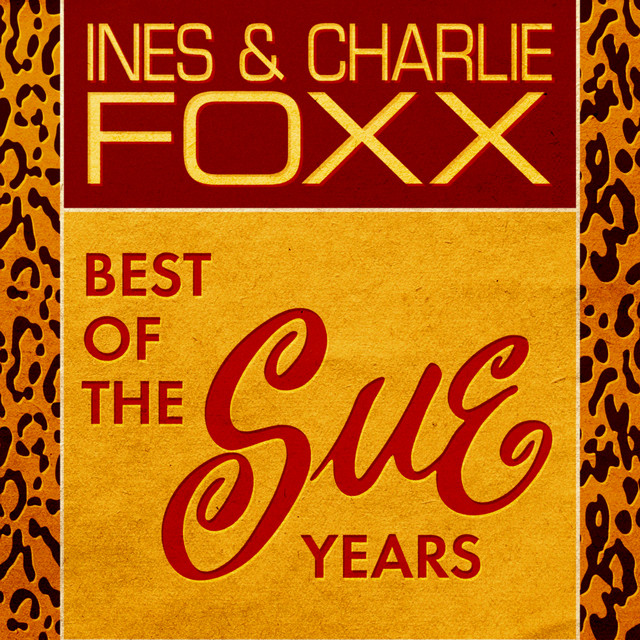
Inez & Charlie Foxx
The Jarmels


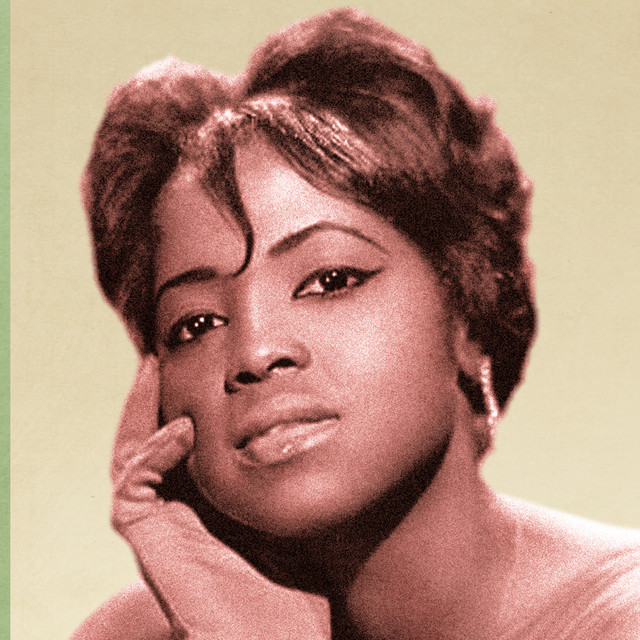

The Majors
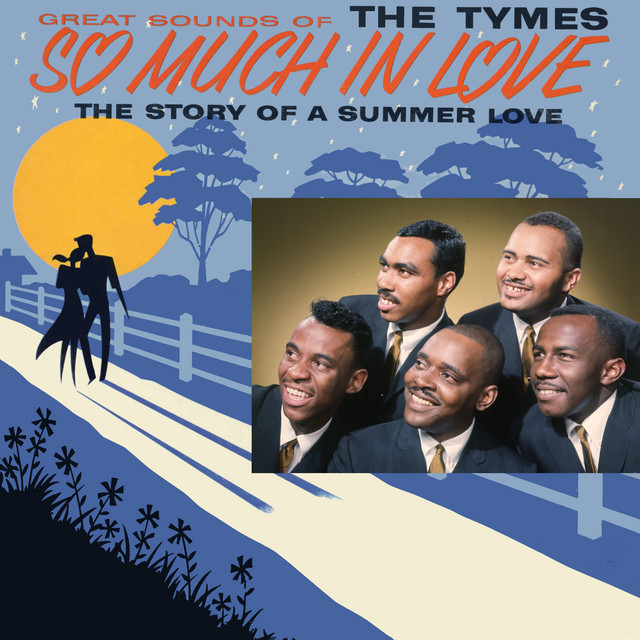
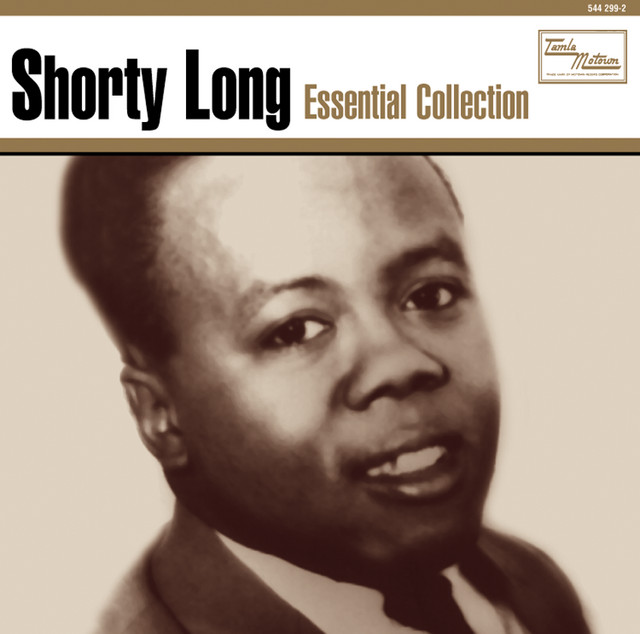
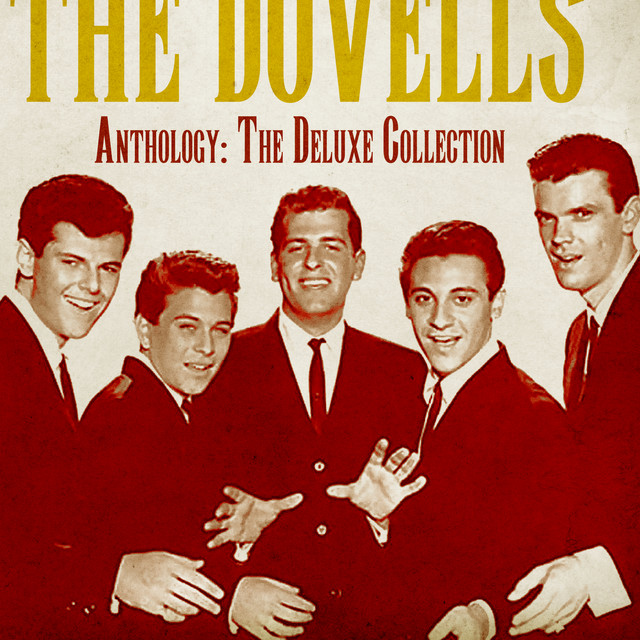
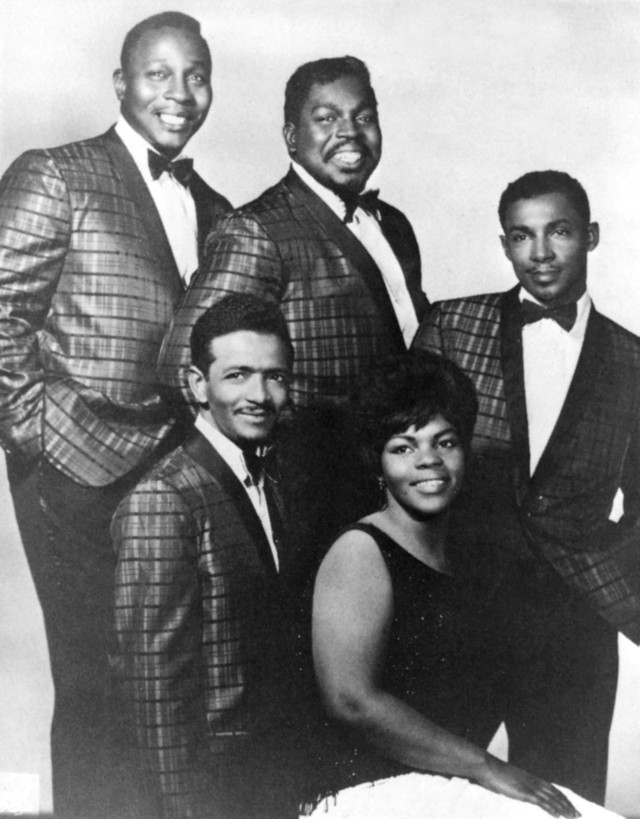
The Ad Libs
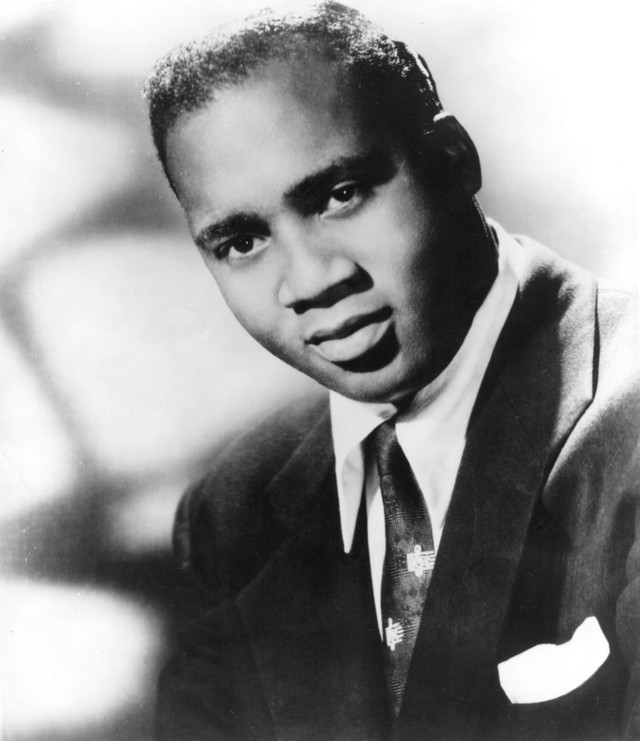
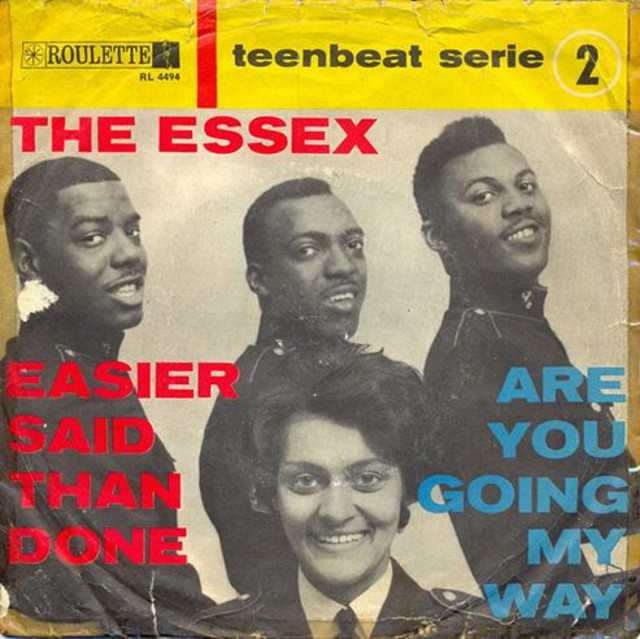
The Essex