Data may be outdated
Last updated: 1 month ago — Click refresh to get the latest statistics.
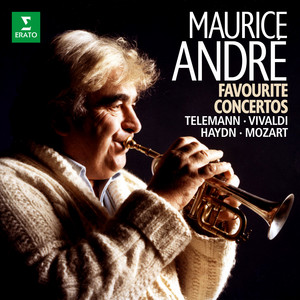
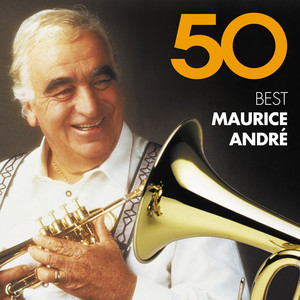
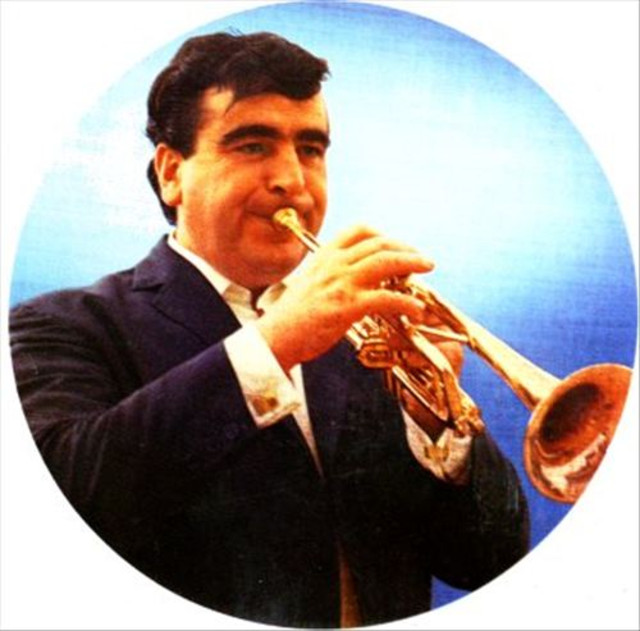
André was born in the Cévennes district of southern France. Young Maurice began taking vocal instruction (solfeggio) at age ten, but two years later, influenced by his father -- a miner, but also an excellent amateur trumpeter -- began playing the cornet and eventually the trumpet. But he also followed his father's occupation, becoming a miner at age 14. It was not long until his father realized the depth of his son's talent and arranged lessons for him with local teacher Leon Barthélémy. Because his father's wages were meager, André could not consider study at the Paris Conservatory, but through Barthélémy's clever plan, he gained admittance, tuition-free, by first joining a military band. At the age of 18, André began studies at the conservatory under Raymond Sabarich. He quickly demonstrated his immense talents, winning first prizes there for both cornet and trumpet playing in his first two years. In 1953, he began playing professionally in two ensembles, the <a href="spotify:artist:4tDjDQ9tVGZmsaBosyXSwX">Lamoureux Concert Association Orchestra</a> and the <a href="spotify:artist:2Mwa328GasJUju1YNDLSXd">Radio France Philharmonic Orchestra</a>. André captured first prize in trumpet at the 1955 Geneva International Competition. He left the two orchestral posts in 1960 and 1962, respectively, joining the orchestra of the Opéra Comique in the latter year. In 1963, André was asked to sit on the jury of the Munich International Competition, but entered as a candidate instead and captured first prize, thus establishing himself at the age of 30 as one of the leading young trumpeters in the world. He immediately launched a solo career, which was eventually managed by his wife Liliane. He began making his first recordings around this time, most with the French label <a href="spotify:search:label%3A%22Erato%22">Erato</a>. Many of his most important and popular later ones, however, were done for <a href="spotify:search:label%3A%22EMI%22">EMI</a>. He also recorded for <a href="spotify:search:label%3A%22Deutsche+Grammophon%22">Deutsche Grammophon</a>, <a href="spotify:search:label%3A%22Philips%22">Philips</a>, and smaller labels. Because the repertory for the trumpet was relatively small, he began transcribing -- or engaged others to transcribe -- works for oboe, violin, and other instruments. The <a href="spotify:artist:46x75iFAkipaG5IEAFN4L4">Tartini</a> Violin Concerto in D major was one such example, the transcription being done by Jean Thilde. André also began commissioning works from some of the leading composers of the day. Throughout the 1960s and 1970s, André maintained a heavy concert schedule, playing with many of the leading orchestras and conductors in Europe and the United States and making numerous recordings. In a 1978 interview, André estimated that he typically played a 180-concert schedule and had made over 220 recordings up to that time. By 2003, André had appeared on over 300 recordings, though he had significantly reduced his concert schedule. While he had recorded music from most periods, he tended to focus on Baroque repertory, such as works by <a href="spotify:artist:5aIqB5nVVvmFsvSdExz408">Bach</a>, <a href="spotify:artist:2fg5h5pzleqI4RjFopWroj">Telemann</a>, <a href="spotify:artist:1QL7yTHrdahRMpvNtn6rI2">Handel</a>, <a href="spotify:artist:0iGlEKhYsOH3m6K7SHHJ2z">Torelli</a>, and <a href="spotify:artist:17OArJzEhRR3OmhtGcnfBq">Albinoni</a>. On many of his concert tours, André's younger brother Raymond, also a trumpeter of some renown, accompanied him. In 1979, the first Maurice André Trumpet Competition was held. Subsequent events in the series took place in 1988, 1997, and 2000. André usually served as chairman of the jury.
Monthly Listeners
61,216
Monthly Listeners History
Track the evolution of monthly listeners over the last 28 days.
Followers
17,806
Followers History
Track the evolution of followers over the last 28 days.
Total Streams
42.0 million
Total Streams History
Track the evolution of total streams over the last 28 days. This data is calculated from all tracks listed in the artist's discography.
Top Cities



Related Artists




Francesco Onofrio Manfredini

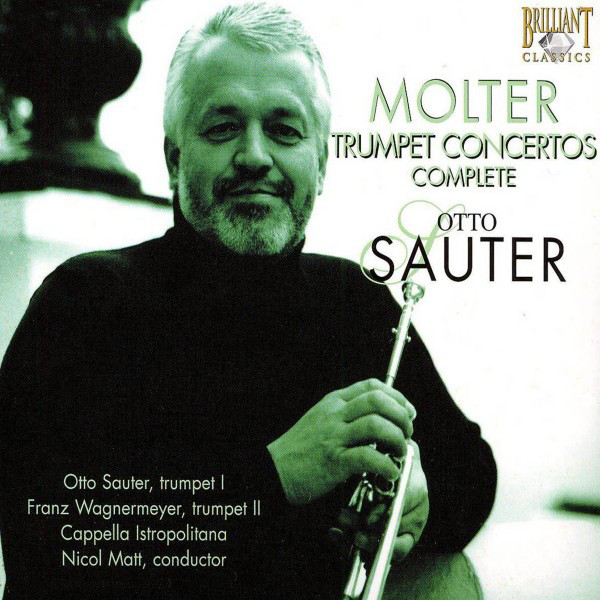
Johann Melchior Molter





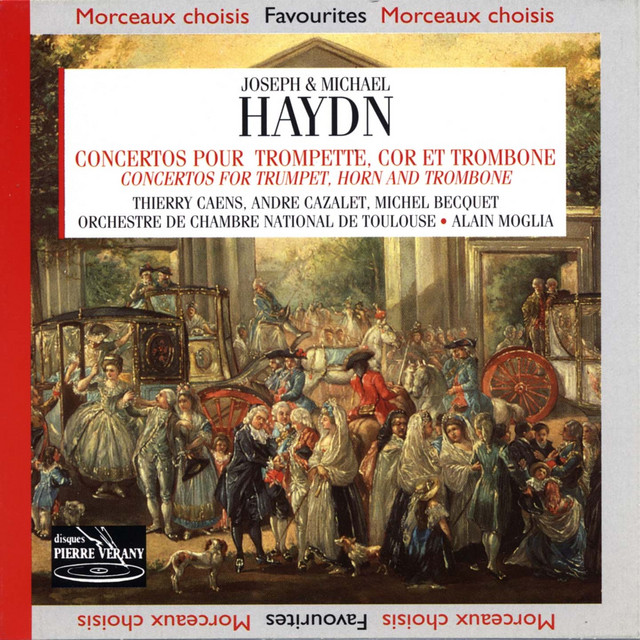
Thierry Caens
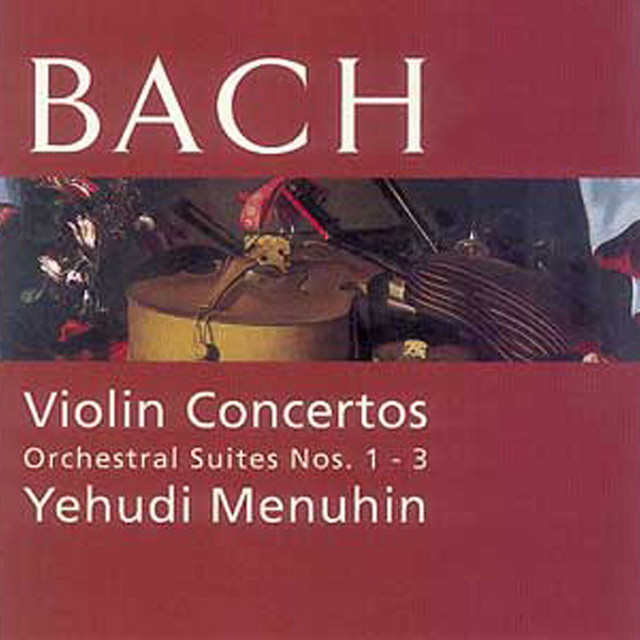
Bath Festival Orchestra
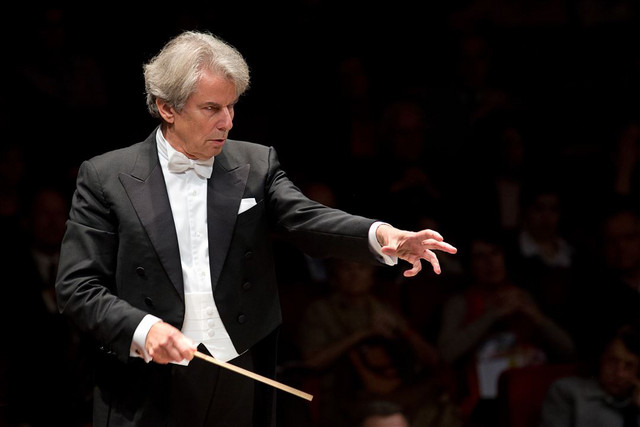
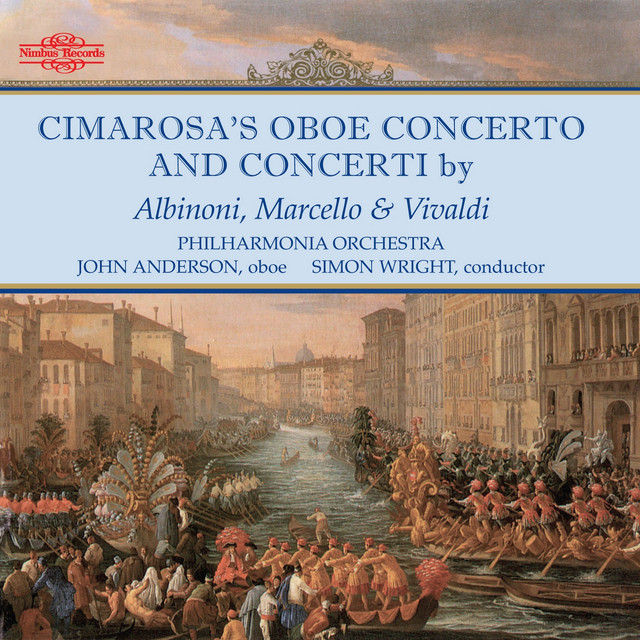
John Anderson


Frederick the Great
John Wallace
Giorgio Sasso
Giuseppe Sammartini

Raffaele Trevisani
Popular Tracks
1292 tracks
Concerto for 2 Trumpets in C Major, Op. 46, No 1 RV 537: II - Largo
Jan 1, 1997
2.5 million
streams

Concerto For 2 Trumpets, Strings And Continuo In C Major, RV 537: 1. Allegro
Jan 1, 1977
1.3 million
streams
![Gounod: Ave Maria, CG 89a (After Bach's Prelude, BWV 846) [Arr. for Trumpet and Organ]](https://i.scdn.co/image/ab67616d00001e02be5f31f7473a0ec9bac34dd0)
Gounod: Ave Maria, CG 89a (After Bach's Prelude, BWV 846) [Arr. for Trumpet and Organ]
Jan 1, 1987
1.1 million
streams

Stanley / Arr. Defaye: 10 Voluntaries, Op. 6: No. 5, Trumpet Tune in D Major
Jan 1, 1987
923,014
streams