Data may be outdated
Last updated: 9 months ago — Click refresh to get the latest statistics.
An acclaimed Italian guitar virtuoso and composer, Mauro Giuliani, along with Fernando Sor, was one of the last great classical proponents of his instrument until its revival in the early twentieth century. He studied counterpoint and the cello, but on the six-string guitar he was entirely self-taught, and that became his principal instrument early on. Italy abounded with fine guitarists at the beginning of the nineteenth century (Carulli remains the most familiar today), but few of them could make a living because of the public's preoccupation with opera. So Giuliani embarked on a successful tour of Europe when he was 19, and in 1806 he settled in Vienna, where he entered the musical circle of <a href="spotify:artist:5S07yOKHJQw62NK0u0r00D">Diabelli</a>, Moscheles, and Hummel. He solidified his reputation with the 1808 premiere of his Guitar Concerto in A major, Op. 30, and was soon heralded as the greatest living guitar virtuoso. Even Beethoven noticed Giuliani, and wrote of his admiration for him. Perhaps to return the favor, Giuliani played cello in the 1813 premiere of Beethoven's Symphony No. 7.
Around 1814, Giuliani was named virtuoso onorario di camera to Napoleon's second wife, Empress Marie-Louise. But, deeply in debt, he returned to Italy in 1819. An 1823 trip to London brought him acclaim in the English-speaking world, and resulted in a short-lived fan publication called The Giulianiad. After this visit, the guitarist settled in Naples, enjoying the patronage of the court of the Kingdom of Two Sicilies. He became adept on an obscure instrument called the lyre-guitar (which was marketed mainly to female amateurs), and perfected the design of the "ghitarra di terza," an instrument with a shorter fingerboard than that of the regular "Spanish" guitar.
Giuliani published more than 200 works; his most durable pieces include three lyrical concertos in a late Classical/early Romantic style, and, for solo guitar, the Grand Overture, Op. 61, and a series of six sometimes long-winded suites, Le Rossiniane, based on tunes by <a href="spotify:artist:0roWUeP7Ac4yK4VN6L2gF4">Gioacchino Rossini</a>. As a special help to other players, Giuliani notated his works on the treble clef in an innovative manner, with the rests and note-stem directions distinguishing the melody from the bass line and inner voices.
Around 1814, Giuliani was named virtuoso onorario di camera to Napoleon's second wife, Empress Marie-Louise. But, deeply in debt, he returned to Italy in 1819. An 1823 trip to London brought him acclaim in the English-speaking world, and resulted in a short-lived fan publication called The Giulianiad. After this visit, the guitarist settled in Naples, enjoying the patronage of the court of the Kingdom of Two Sicilies. He became adept on an obscure instrument called the lyre-guitar (which was marketed mainly to female amateurs), and perfected the design of the "ghitarra di terza," an instrument with a shorter fingerboard than that of the regular "Spanish" guitar.
Giuliani published more than 200 works; his most durable pieces include three lyrical concertos in a late Classical/early Romantic style, and, for solo guitar, the Grand Overture, Op. 61, and a series of six sometimes long-winded suites, Le Rossiniane, based on tunes by <a href="spotify:artist:0roWUeP7Ac4yK4VN6L2gF4">Gioacchino Rossini</a>. As a special help to other players, Giuliani notated his works on the treble clef in an innovative manner, with the rests and note-stem directions distinguishing the melody from the bass line and inner voices.
Monthly Listeners
23,105
Monthly Listeners History
Track the evolution of monthly listeners over the last 28 days.
Followers
10,638
Followers History
Track the evolution of followers over the last 28 days.
Top Cities
319 listeners

269 listeners

240 listeners

209 listeners

186 listeners
Related Artists
Federico Moreno Torroba
Lucio Matarazzo


Park Kyuhee
Franz Halász
Enno Voorhorst

Anabel Montesinos
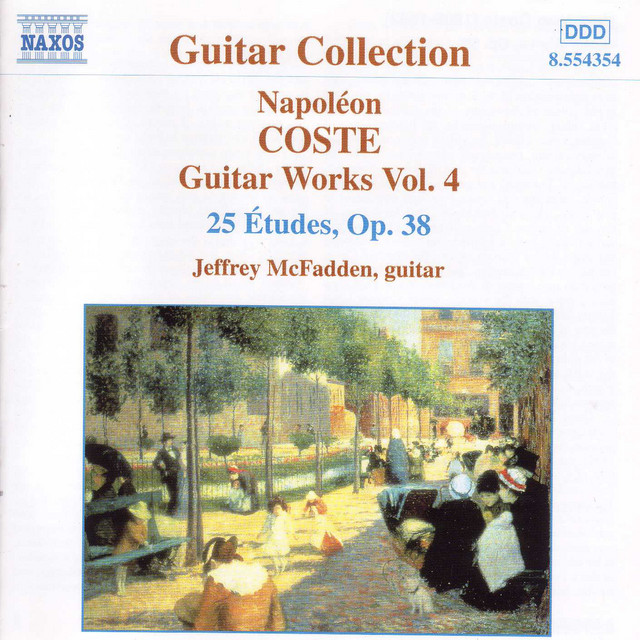
Napoléon Coste

Giulio Regondi

Celedonio Romero
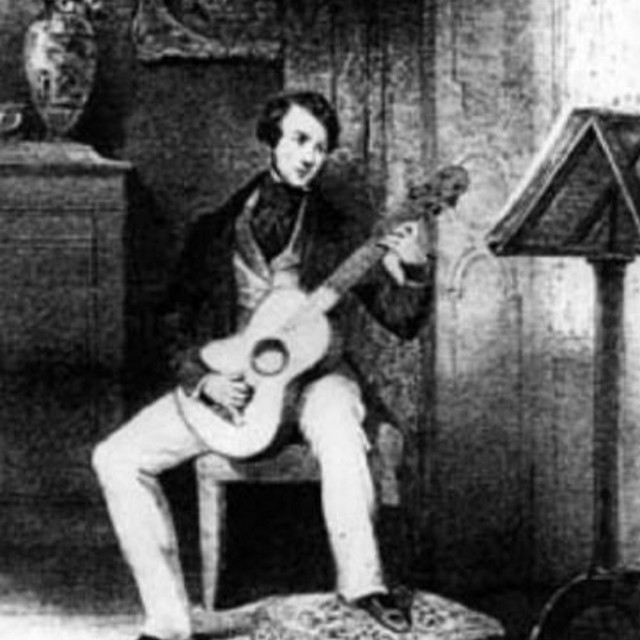
Matteo Carcassi
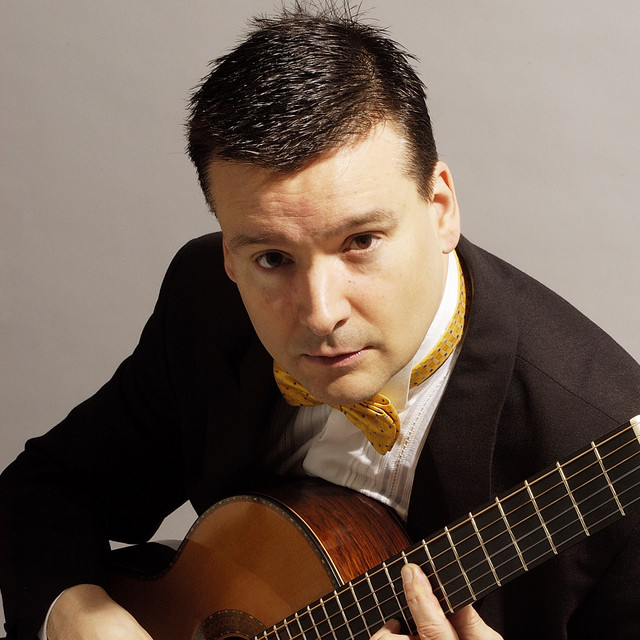
Agustín Maruri
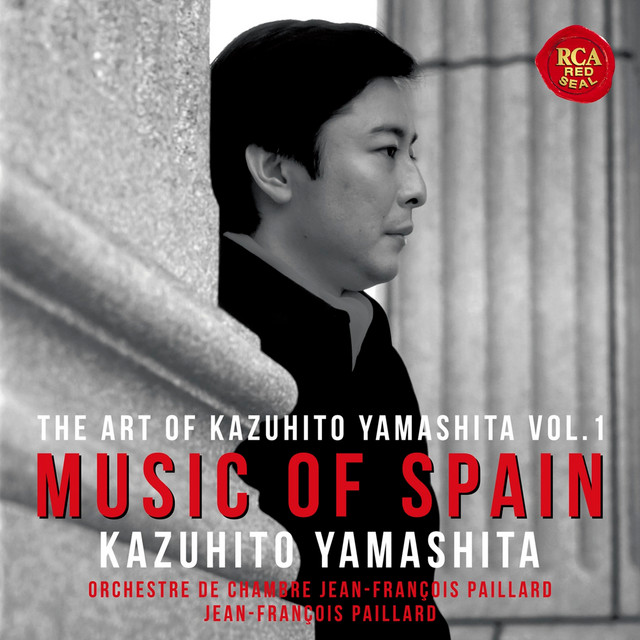
Kazuhito Yamashita
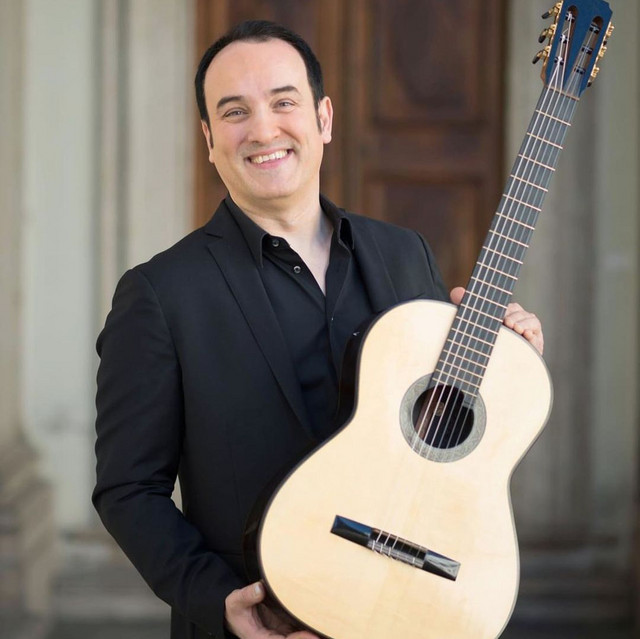

Sebastien Llinares

Antonio Ruiz Pipó

Maurizio Baudino
Ana Vidović
Ida Presti
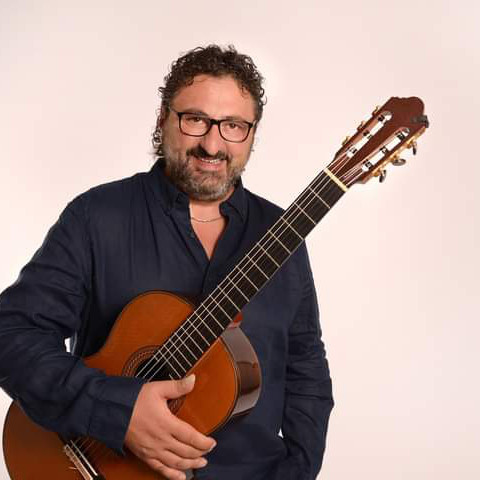
Aniello Desiderio
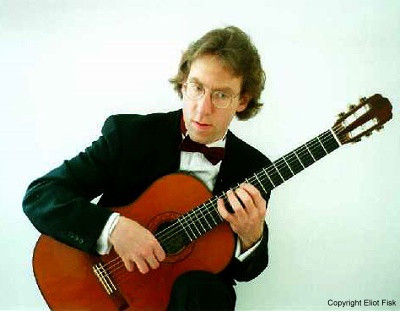
Eliot Fisk

Stefano Grondona
Johannes Möller
Ernesto Bitetti

Judicaël Perroy

Arash Ahmadi