Data may be outdated
Last updated: 7 months ago — Click refresh to get the latest statistics.
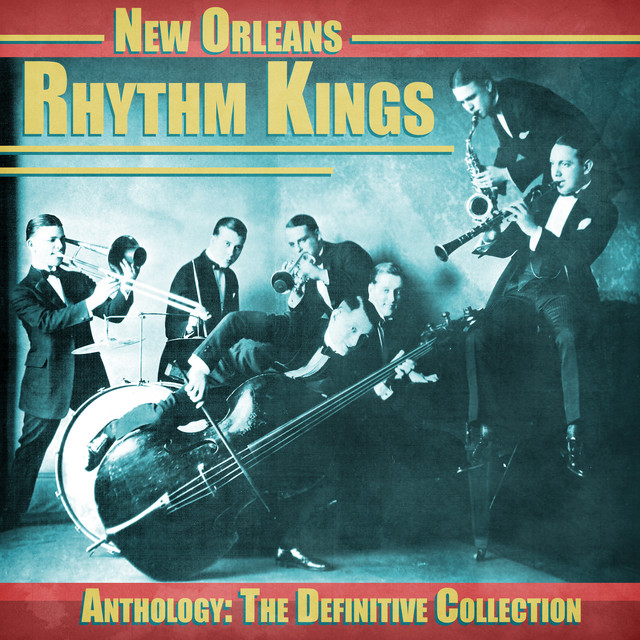
The New Orleans Rhythm Kings (NORK) were the finest jazz group to be on record in 1922, and the white band has served as proof that, even that early, African-Americans were not the only ones who could play jazz with individuality and integrity. The key members of the group (leader/cornetist <a href="spotify:artist:0TsYQ2O9nDko9XpgcMwF4z">Paul Mares</a>, trombonist <a href="spotify:artist:5UeUpNr1ta2YBIAUCzlcge">George Brunis</a>, and clarinetist Leon Roppolo) were childhood friends from New Orleans. In 1922, they started a 17-month residency at the Friar's Inn Nightclub in Chicago and in August they made their first recordings. Although <a href="spotify:artist:0TsYQ2O9nDko9XpgcMwF4z">Mares</a> (unlike <a href="spotify:artist:1EtAkiO2au7ohYhrJ95hNZ">Nick LaRocca</a> of <a href="spotify:artist:112yP6AwAT6QG34fiGGpmh">the Original Dixieland Jazz Band</a>) was modest about his own playing, saying that he was very influenced by <a href="spotify:artist:24PJRbYtu3Cq5CuF24c1QZ">King Oliver</a>, he actually sounded quite a bit different and had a voice of his own. Roppolo was the first significant soloist on record, while <a href="spotify:artist:5UeUpNr1ta2YBIAUCzlcge">Brunis</a> would have a long career playing Dixieland. The changing rhythm sections sometimes included the first great jazz bassist Steve Brown (although largely inaudible on his early session), drummer <a href="spotify:artist:4hQaUh9IelwGiurvBz4Dwh">Ben Pollack</a> (a future bandleader), and, on a pair of memorable sessions in 1923, pianist <a href="spotify:artist:4XepUkisa56DUeA3gbjDQD">Jelly Roll Morton</a>. Among the future standards introduced by the NORK were "Farewell Blues," "Panama," "That's a Plenty," and "Tin Roof Blues"; the latter included a famous <a href="spotify:artist:5UeUpNr1ta2YBIAUCzlcge">Brunis</a> trombone solo. The band broke up in 1924 when <a href="spotify:artist:0TsYQ2O9nDko9XpgcMwF4z">Mares</a> and Roppolo returned to New Orleans. With <a href="spotify:artist:1qBzlbPIjKdxghRrPwmj1z">Santo Pecora</a> on trombone they regrouped for a fine session on January 1925, but Roppolo was already suffering from mental problems; the group's final date two months later was without Roppolo, who would soon be institutionalized for the remainder of his life. <a href="spotify:artist:0TsYQ2O9nDko9XpgcMwF4z">Mares</a> came back for one further session in 1935 but seemed happy in retirement, leaving the legacy of the NORK to history. ~ Scott Yanow, Rovi
Monthly Listeners
4,228
Monthly Listeners History
Track the evolution of monthly listeners over the last 28 days.
Followers
10,233
Followers History
Track the evolution of followers over the last 28 days.
Top Cities
69 listeners

41 listeners
41 listeners
39 listeners
38 listeners
Related Artists


King Oliver & His Orchestra
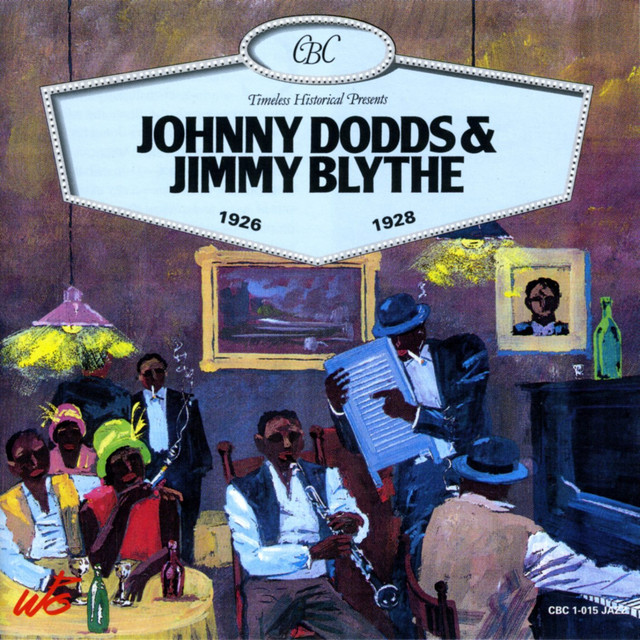
Jimmy Blythe
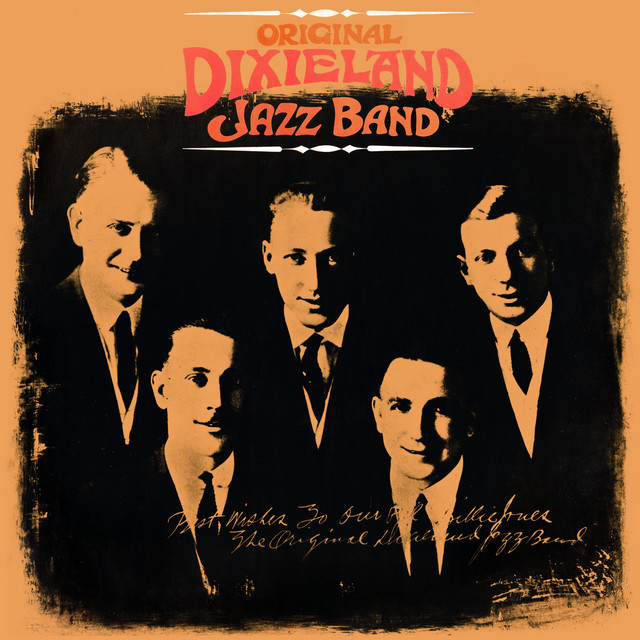
The Original Dixieland Five
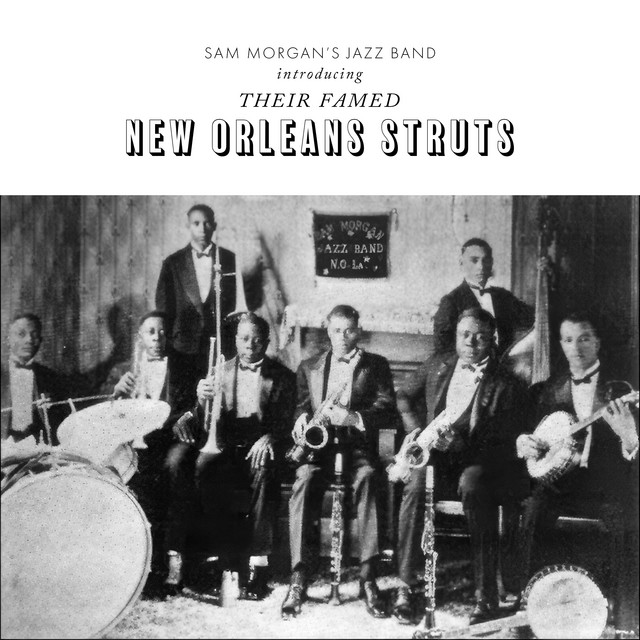
Sam Morgan's Jazz Band


Miff Mole

Original Memphis Five


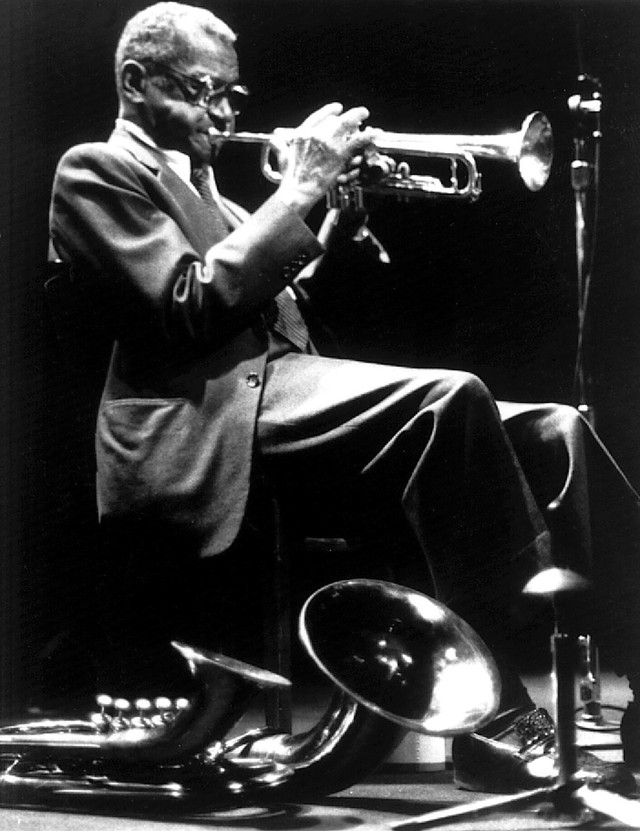
Jabbo Smith


Irving Mills & His Hotsy Totsy Gang
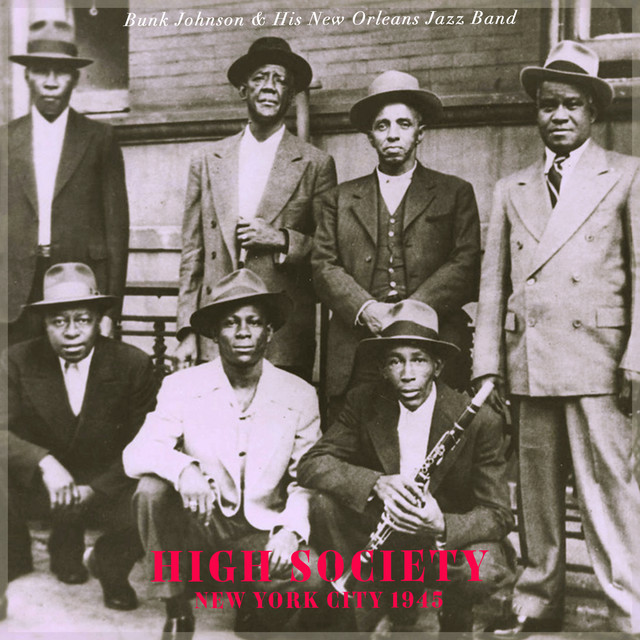
Bunk Johnson And His New Orleans Band

Tiny Parham And His Musicians

Piron's New Orleans Orchestra

Charlie Johnson And His Orchestra

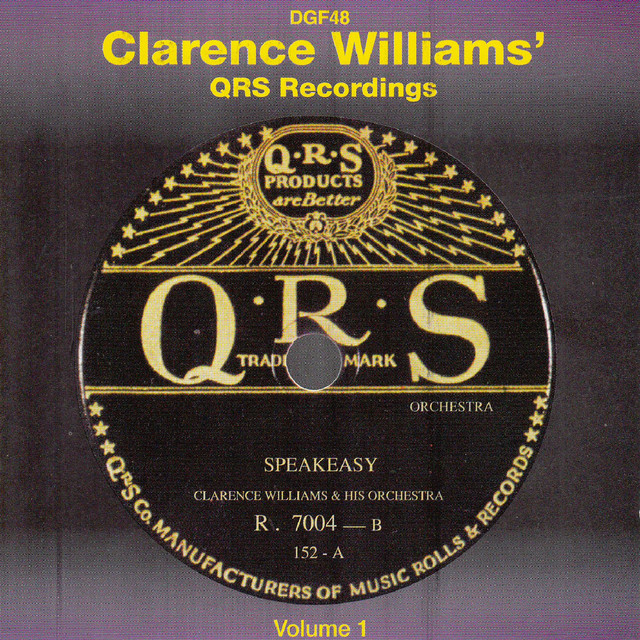
Clarence Williams & His Orchestra

The Chocolate Dandies