Artist
Orchestre Philharmonique de Radio France
Data may be outdated
Last updated: 8 months ago — Click refresh to get the latest statistics.
Guided by composer and conductor <a href="spotify:artist:2prZJWfQMnIgwUKxKcBxH7">Pierre Boulez</a> in the 1970s, the Orchestre Philharmonique de Radio France evolved into a versatile group whose repertory includes a good deal of contemporary French music. Beginning in the 1980s, the orchestra has been a spawning ground for conductors, not all of them French, who have gone on to international careers.
What is now the Orchestre Philharmonique de Radio France, or in English the Radio France Philharmonic Orchestra, was founded in 1937 in Paris, under the auspices of the Radiodiffusion Française national radio network. Its original name was the Orchestre Radio-Symphonique, and its first conductor was Rhené-Baton (René-Emmanuel Baton), who led the group until he died in 1940. The group limped through World War II with Eugène Bigot as the conductor; there were pauses as musicians were stranded in Paris while the group came under the control of the collaborationist French government in Vichy. After the end of World War II, the orchestra was re-formed; Bigot remained the music director until 1965, and the group gave performances at the Salle Érard and the Théâtre des Champs Élysées. In 1960, the orchestra was renamed the Orchestre Philharmonique de la Radiodiffusion Française, and in 1964, it became the Orchestre Philharmonique de l'ORTF. The name was changed again, to Nouvel Orchestre Philharmonique de Radio France, in 1975, and at that time, it was reconceptualized, with input from <a href="spotify:artist:2prZJWfQMnIgwUKxKcBxH7">Boulez</a>, as an ensemble that could handle many kinds of contemporary music. The orchestra assumed its present name in 1989. Conductors have included Charles Bruck (1965-1970), <a href="spotify:artist:68dw0lrJCaRisguXq9rHpZ">Marek Janowski</a> (1989-2000), <a href="spotify:artist:4hdiwtmc6OEFFxpSlwwmby">Myung-Whun Chung</a> (2000-2015), and <a href="spotify:artist:4NDdDDmlbZ0CNT7rxKUPGq">Mikko Franck</a>, whose contract has been extended through 2025. In addition to performances at the Maison de la Radio in Paris, the orchestra performs at the new Philharmonie de Paris.
The Orchestre Philharmonique de Radio France has recorded some 20 albums since the mid-1990s when <a href="spotify:artist:4hdiwtmc6OEFFxpSlwwmby">Chung</a> stimulated the orchestra's recording program. Many have involved contemporary French music, but the group has also performed popular repertory such as music by <a href="spotify:artist:2D7RkvtKKb6E5UmbjQM1Jd">Bizet</a>, <a href="spotify:artist:3KpcdlqCaWWruPfmM2rWy1">Dukas</a>, and <a href="spotify:artist:4OihBPCQzR4GfbzqOY69Xm">Offenbach</a> on the album French Spectacular (1998). The Orchestre Philharmonique de Radio France has recorded for <a href="spotify:search:label%3A%22Virgin+Classics%22">Virgin Classics</a>, <a href="spotify:search:label%3A%22Aeon%22">Aeon</a>, and <a href="spotify:search:label%3A%22Deutsche+Grammophon%22">Deutsche Grammophon</a>, where the group released the album Paris, with violinist <a href="spotify:artist:5JdT0LYJdlPbTC58p60WTX">Hilary Hahn</a>, in 2021.
What is now the Orchestre Philharmonique de Radio France, or in English the Radio France Philharmonic Orchestra, was founded in 1937 in Paris, under the auspices of the Radiodiffusion Française national radio network. Its original name was the Orchestre Radio-Symphonique, and its first conductor was Rhené-Baton (René-Emmanuel Baton), who led the group until he died in 1940. The group limped through World War II with Eugène Bigot as the conductor; there were pauses as musicians were stranded in Paris while the group came under the control of the collaborationist French government in Vichy. After the end of World War II, the orchestra was re-formed; Bigot remained the music director until 1965, and the group gave performances at the Salle Érard and the Théâtre des Champs Élysées. In 1960, the orchestra was renamed the Orchestre Philharmonique de la Radiodiffusion Française, and in 1964, it became the Orchestre Philharmonique de l'ORTF. The name was changed again, to Nouvel Orchestre Philharmonique de Radio France, in 1975, and at that time, it was reconceptualized, with input from <a href="spotify:artist:2prZJWfQMnIgwUKxKcBxH7">Boulez</a>, as an ensemble that could handle many kinds of contemporary music. The orchestra assumed its present name in 1989. Conductors have included Charles Bruck (1965-1970), <a href="spotify:artist:68dw0lrJCaRisguXq9rHpZ">Marek Janowski</a> (1989-2000), <a href="spotify:artist:4hdiwtmc6OEFFxpSlwwmby">Myung-Whun Chung</a> (2000-2015), and <a href="spotify:artist:4NDdDDmlbZ0CNT7rxKUPGq">Mikko Franck</a>, whose contract has been extended through 2025. In addition to performances at the Maison de la Radio in Paris, the orchestra performs at the new Philharmonie de Paris.
The Orchestre Philharmonique de Radio France has recorded some 20 albums since the mid-1990s when <a href="spotify:artist:4hdiwtmc6OEFFxpSlwwmby">Chung</a> stimulated the orchestra's recording program. Many have involved contemporary French music, but the group has also performed popular repertory such as music by <a href="spotify:artist:2D7RkvtKKb6E5UmbjQM1Jd">Bizet</a>, <a href="spotify:artist:3KpcdlqCaWWruPfmM2rWy1">Dukas</a>, and <a href="spotify:artist:4OihBPCQzR4GfbzqOY69Xm">Offenbach</a> on the album French Spectacular (1998). The Orchestre Philharmonique de Radio France has recorded for <a href="spotify:search:label%3A%22Virgin+Classics%22">Virgin Classics</a>, <a href="spotify:search:label%3A%22Aeon%22">Aeon</a>, and <a href="spotify:search:label%3A%22Deutsche+Grammophon%22">Deutsche Grammophon</a>, where the group released the album Paris, with violinist <a href="spotify:artist:5JdT0LYJdlPbTC58p60WTX">Hilary Hahn</a>, in 2021.
Monthly Listeners
199,623
Monthly Listeners History
Track the evolution of monthly listeners over the last 28 days.
Followers
4,995
Followers History
Track the evolution of followers over the last 28 days.
Top Cities

Related Artists
Linh

Léman

Eloïz

Jeck

SANTA
Charles

Esmée
Yvard

The Voice

Cobalt

Philippine Lavrey
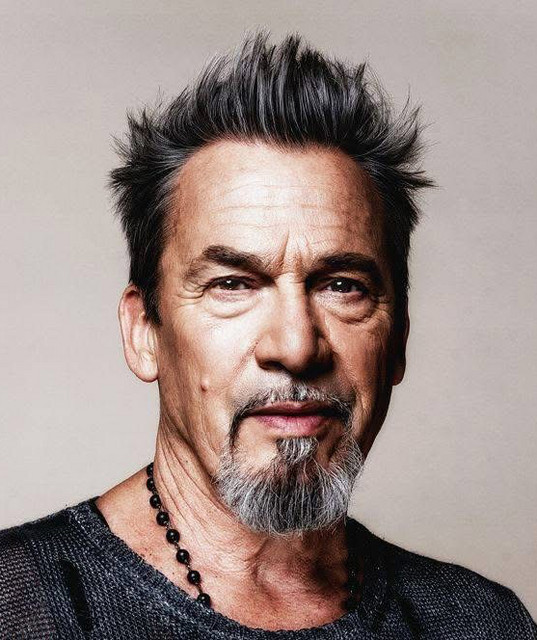
Florent Pagny

Styleto
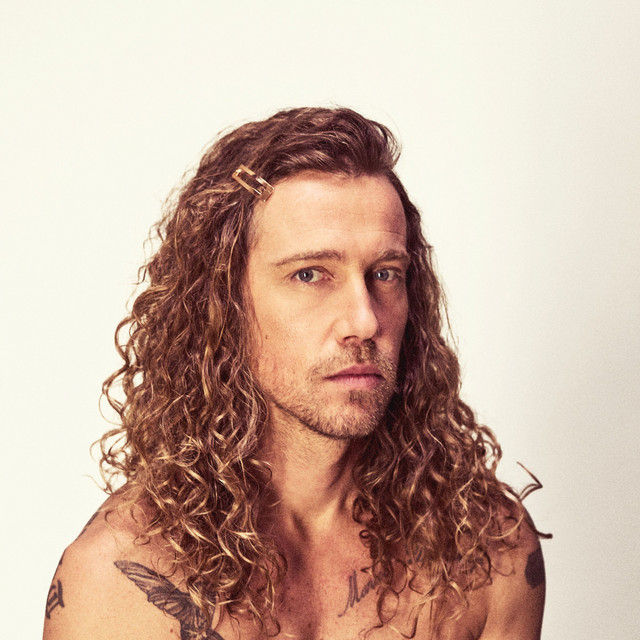

Grégoire
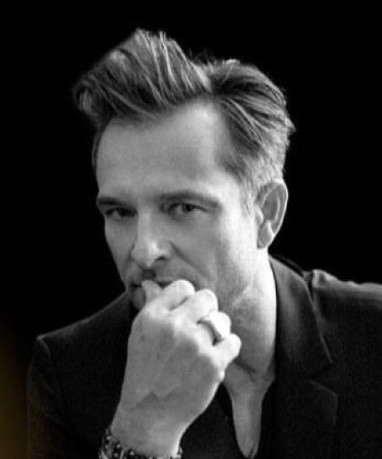
David Hallyday

Joseph Kamel
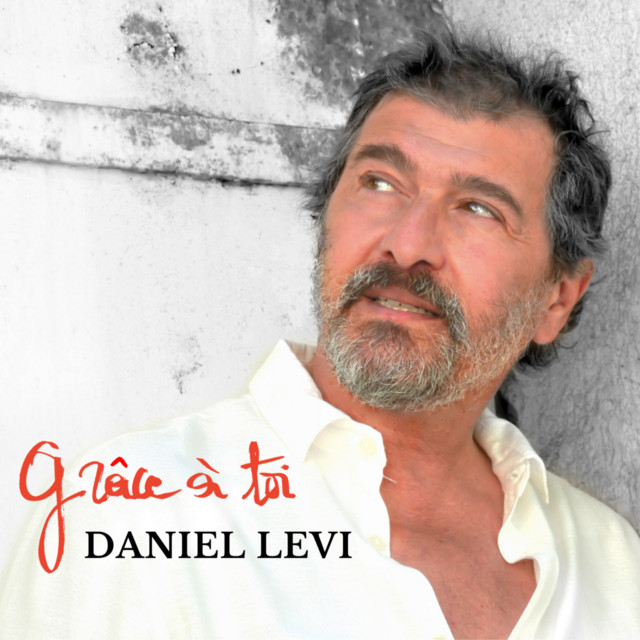
Félix Radu


Les Dix Commandements



Charles Doré