Genre
impressionism
Top Impressionism Artists
Showing 25 of 150 artists










About Impressionism
Impressionism in music is a late-19th and early-20th‑century French movement that prioritizes atmosphere, color, and suggestion over strict narrative or overt drama. Born in the shadow of German Romanticism, it grew from a wish to paint sound with light, much as painters like Monet sought to capture fleeting impressions of nature. The term is borrowed from the visual arts, where critics described paintings that hint at a moment’s mood rather than presenting a detailed scene; music critics soon applied the label to a similar sensibility in sound.
Crucially, impressionism is less a set of rules than a sensibility. Composers sought ravishing timbres and delicate orchestral or piano textures, often favoring ambiguity in harmony and form. Harmonic techniques moved away from sturdy functional progressions toward coloristic richness: whole-tone and pentatonic scales, parallel chords, modal mixtures, and subtle shifts in mode. Cadences became less decisive, yielding to a sense of continuous, shimmering flux. The result is music that often feels as if it is “evoking” rather than “explaining,” inviting listeners to linger in mood, atmosphere, and suggestion.
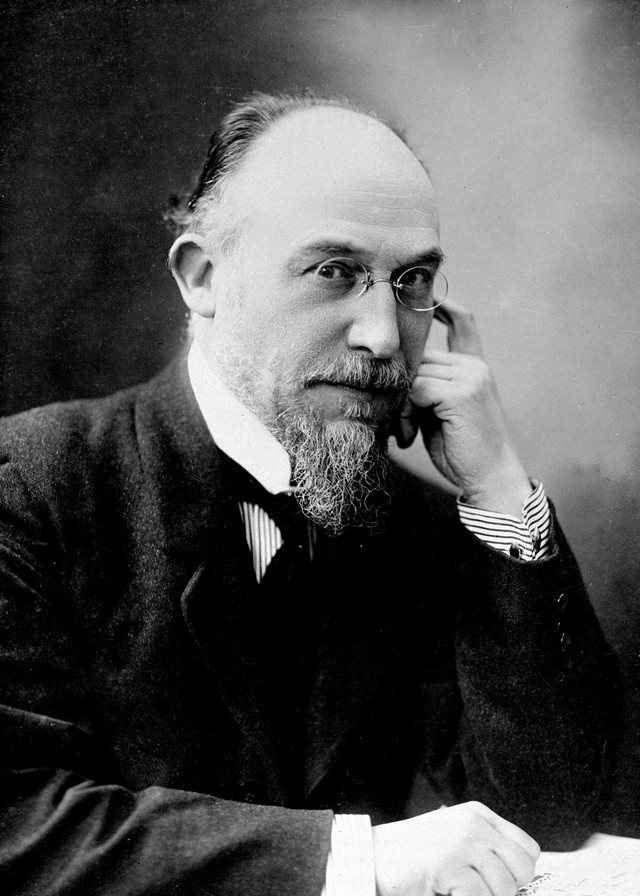
Key works and figures anchor the movement. Claude Debussy is the central ambassador and most cited exemplar: pieces like Prélude à l’après-midi d’un faune (1894) launched the aesthetic, La Mer (1903–1905) demonstrates oceanic color and orchestral panorama, and the Nocturnes (1899–1909) present a suite of watercolor-like scenes. Debussy’s piano Preludes and Suite Bergamasque (which contains Clair de Lune) showcase a refined, color-driven piano language that feels impressionistic in its emphasis on hue and texture. Maurice Ravel, often paired with Debussy in discussions of the movement, pushed timbre and precision to dazzling effect in works like Daphnis et Chloé (1912), Gaspard de la Nuit (1908), and the piano suite Miroirs. Erik Satie, sometimes labeled as an impressionist or as a peripheral ally, contributed a spare, surface-silent aesthetic with Gymnopédies and Gnossiennes that helped widen the palette of mood and color.
Geographically, impressionism is most closely associated with France—Paris in particular—where salons, subscription concerts, and a vibrant artist culture nurtured the dialogue between music and other arts. Yet its influence traveled widely. In the early 20th century, composers across Europe and beyond absorbed its emphasis on timbre, subtle orchestration, and nonprogrammatic mood. The movement’s spirit fed into broader modernist currents, affecting orchestral technique, piano writing, and even film music later in the century.
For listeners, impressionism rewards attentive listening: hear how a single chord progression dissolves into color; how orchestration creates a sense of place—the sea, a moonlit garden, a hazy afternoon. It is music about perception itself. Iconic quick listening starts include Debussy’s Prélude and La Mer, Ravel’s Daphnis et Chloé and Gaspard de la Nuit, and Debussy’s Clair de Lune from Suite Bergamasque. An enthusiast’s journey through impressionism reveals a sensitivity to sound as landscape—quiet, elusive, and endlessly evocative.
Crucially, impressionism is less a set of rules than a sensibility. Composers sought ravishing timbres and delicate orchestral or piano textures, often favoring ambiguity in harmony and form. Harmonic techniques moved away from sturdy functional progressions toward coloristic richness: whole-tone and pentatonic scales, parallel chords, modal mixtures, and subtle shifts in mode. Cadences became less decisive, yielding to a sense of continuous, shimmering flux. The result is music that often feels as if it is “evoking” rather than “explaining,” inviting listeners to linger in mood, atmosphere, and suggestion.
Key works and figures anchor the movement. Claude Debussy is the central ambassador and most cited exemplar: pieces like Prélude à l’après-midi d’un faune (1894) launched the aesthetic, La Mer (1903–1905) demonstrates oceanic color and orchestral panorama, and the Nocturnes (1899–1909) present a suite of watercolor-like scenes. Debussy’s piano Preludes and Suite Bergamasque (which contains Clair de Lune) showcase a refined, color-driven piano language that feels impressionistic in its emphasis on hue and texture. Maurice Ravel, often paired with Debussy in discussions of the movement, pushed timbre and precision to dazzling effect in works like Daphnis et Chloé (1912), Gaspard de la Nuit (1908), and the piano suite Miroirs. Erik Satie, sometimes labeled as an impressionist or as a peripheral ally, contributed a spare, surface-silent aesthetic with Gymnopédies and Gnossiennes that helped widen the palette of mood and color.
Geographically, impressionism is most closely associated with France—Paris in particular—where salons, subscription concerts, and a vibrant artist culture nurtured the dialogue between music and other arts. Yet its influence traveled widely. In the early 20th century, composers across Europe and beyond absorbed its emphasis on timbre, subtle orchestration, and nonprogrammatic mood. The movement’s spirit fed into broader modernist currents, affecting orchestral technique, piano writing, and even film music later in the century.
For listeners, impressionism rewards attentive listening: hear how a single chord progression dissolves into color; how orchestration creates a sense of place—the sea, a moonlit garden, a hazy afternoon. It is music about perception itself. Iconic quick listening starts include Debussy’s Prélude and La Mer, Ravel’s Daphnis et Chloé and Gaspard de la Nuit, and Debussy’s Clair de Lune from Suite Bergamasque. An enthusiast’s journey through impressionism reveals a sensitivity to sound as landscape—quiet, elusive, and endlessly evocative.