Data may be outdated
Last updated: 1 month ago — Click refresh to get the latest statistics.
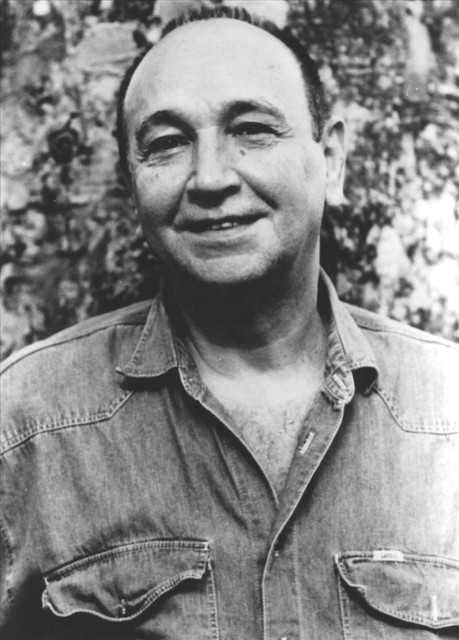
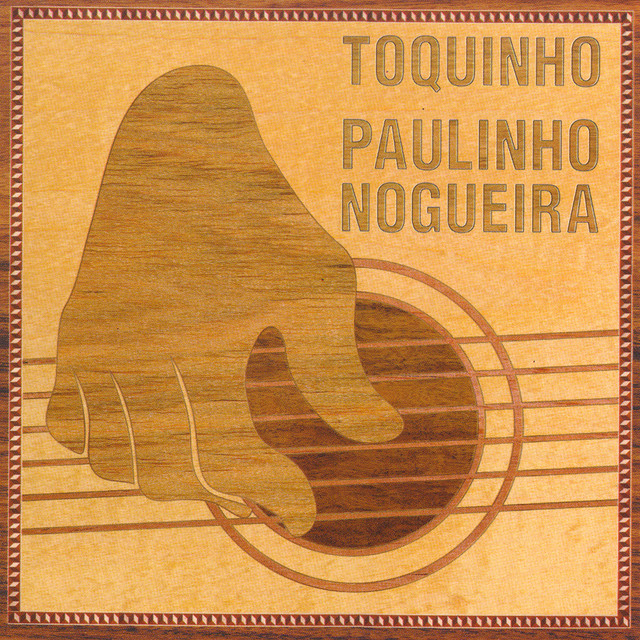
At an early age, Nogueira began to learn the violão. At 11, he joined his older brother Celso Mendes' group Kacique. Finishing his high-school studies, in 1950 he went to São Paulo city, playing at nightclubs such as Itapoã and presenting himself on radio stations Bandeirante and Gazeta as a soloist. In 1959, he recorded his first LP, for CBS. In 1964, he was awarded with Paraná's government-sponsored Pinheiro de Ouro trophy, repeating the accomplishment in the next year. In those bossa nova years, he was active both as a soloist and an accompanist; and was invited to the historic show recorded in May 25, 1964, O Fino da Bossa (released as an album under the same title), in which he shared the stage with names such as Alaíde Costa, <a href="spotify:artist:55ya732YIbmYcA2E9foMJe">Zimbo Trio</a>, <a href="spotify:artist:55PO0aYAH6lYKr0SqYR3Z9">Oscar Castro-Neves</a>, and others. The show was followed by a regular TV show, also called O Fino da Bossa, on TV Record. The show, hosted by <a href="spotify:artist:0yFvXd36g5sNKYDi0Kkvl8">Elis Regina</a> and <a href="spotify:artist:7K4gHixgiMhvBDewgHoxVk">Jair Rodrigues</a>, also included Nogueira as a regular accompanist. Recorded live, those shows, which had the biggest audience of their time, were released on another seven LPs, reissued later on CD. Nogueira's samba "Menino, Desce Daí," reaching millions through the massive TV broadcast, was his first nationwide hit. In 1966, Nogueira was awarded with the Prêmio Guarani by music journalists and critics.
In 1968, his book on violão method, which would have more than 20 editions through the years, was published. In the next year, he presented his project for a new 12-string instrument, called by him the "craviola" because it blended the sounds of a harpsichord (cravo) and a Brazilian viola (viola). The project was taken on by musical instrument manufacturer Gianinni, which still sells a large number of the units worldwide. In the same year, the major newspaper O Estado de São Paulo awarded Nogueira as Best Musician of the Year. In 1970, his composition "Menina" reached number one on Brazil's Top Ten, having also been a hit in Italy and France. In 1979, he participated in Cuba's Carifesta, an international festival of the Caribbean countries. In 1986, Nogueira released his Tons e Semitons series: violão solos recorded on LPs accompanied with sheet music. In 1990, he released another instructional project, pioneering the music education video in Brazil with Violão em Harmonia, soon followed by four other videos. In 1991, he participated in the International Guitar Festival in Italy. In 1992, Nogueira performed in the Guitars in Concert show, held in Naples, Florence, Campobasso, Milan, and Rome, which also featured performances by guitarists Gianni Oalazzo (Italian), <a href="spotify:artist:3PCmED1ckvLHpYTJ8VuX7N">Jorge Morel</a> (Argentinean), and <a href="spotify:artist:4DuZTASH5eSyd0K73W6fuZ">Joe Pass</a> (American). In the same year, Movie Play released his CD Late Night Guitar. Also for that label, he released in 1995 the CD Coração Violão. In the next year, he was featured in Guitar Player magazine and toured through Brazil in the Brasil Musical project, together with names such as Arthur Moreira Lima, <a href="spotify:artist:6L31zhaK3DUZEze55P3lYJ">Egberto Gismonti</a>, <a href="spotify:artist:76fzwKR3KSEFtwPsIeQATA">André Geraissati</a>, <a href="spotify:artist:4zDDX3udfNQUTtsYHSAs9t">Altamiro Carrilho</a>, and <a href="spotify:artist:6YUV5Gq9AP9BMxyKAmvlFq">Wagner Tiso</a>. He continued to release albums, including Reflections in 1999, Late Night Guitar in 2000 and in 2003, an album of Chico Buarque compositions titled Primeiras Composicoes. Nogueira suffered a heart attack at his home in Sao Paulo and died August 2, 2003. ~ Alvaro Neder, Rovi
Monthly Listeners
106,358
Monthly Listeners History
Track the evolution of monthly listeners over the last 28 days.
Followers
42,763
Followers History
Track the evolution of followers over the last 28 days.
Total Streams
33.6 million
Total Streams History
Track the evolution of total streams over the last 28 days. This data is calculated from all tracks listed in the artist's discography.
Top Cities
Related Artists
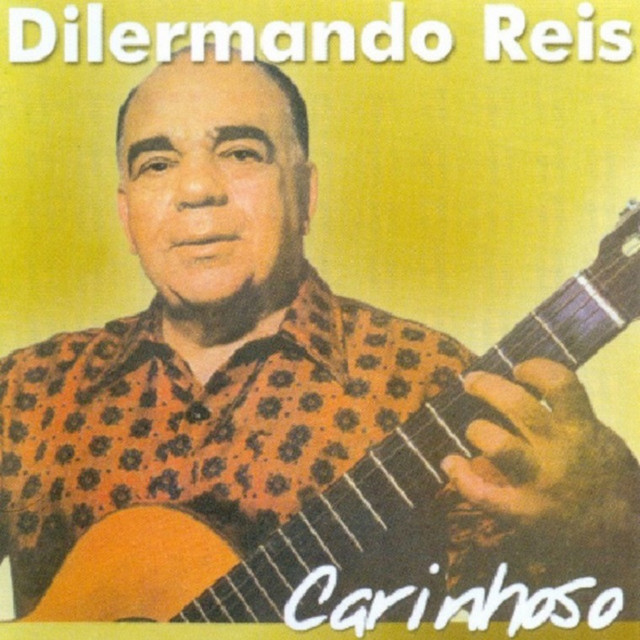
Dilermando Reis
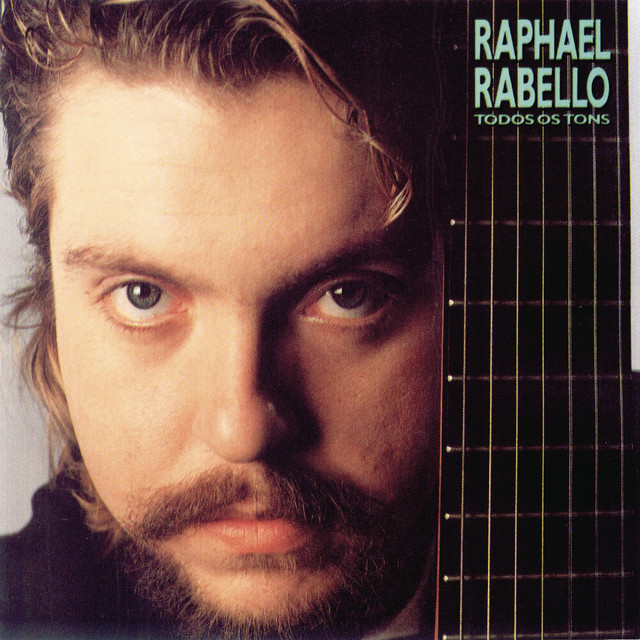
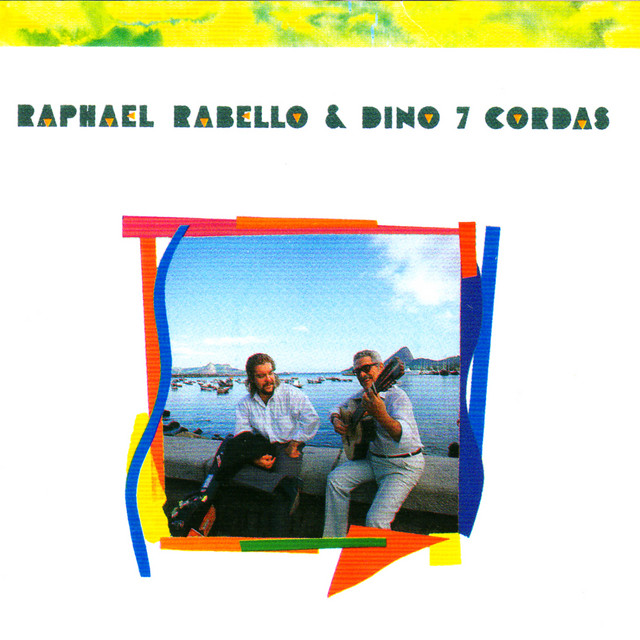
Raphael Rabello & Dino 7 Cordas
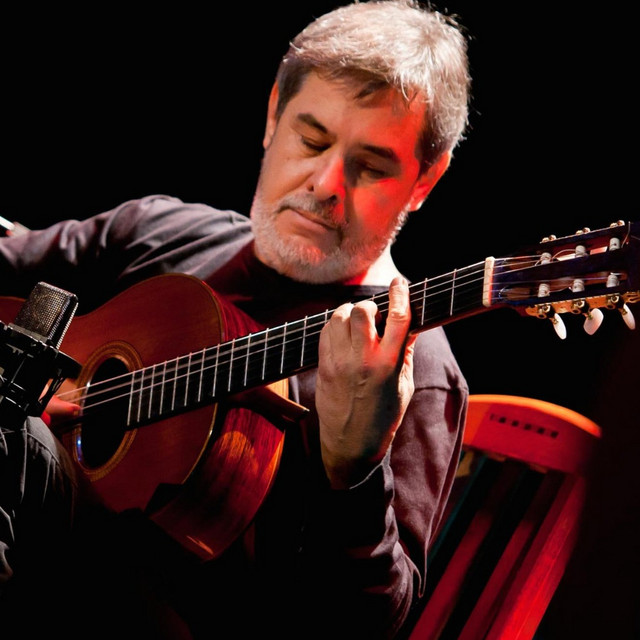


Turibio Santos

Alessandro Penezzi
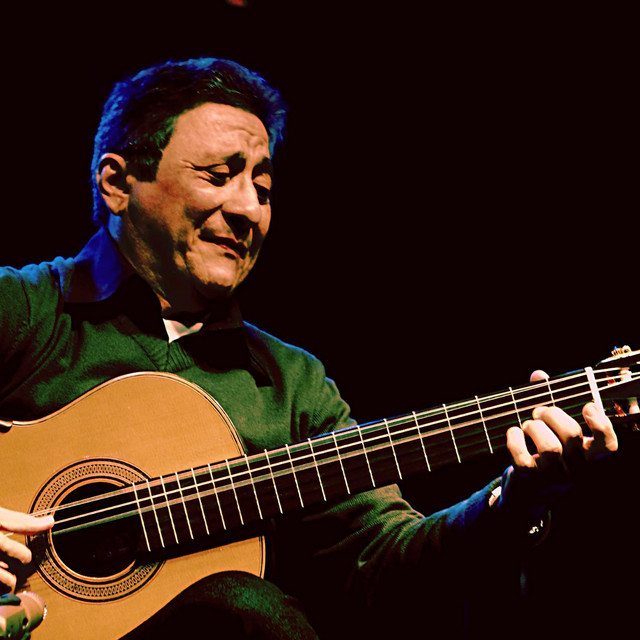
Nonato Luiz
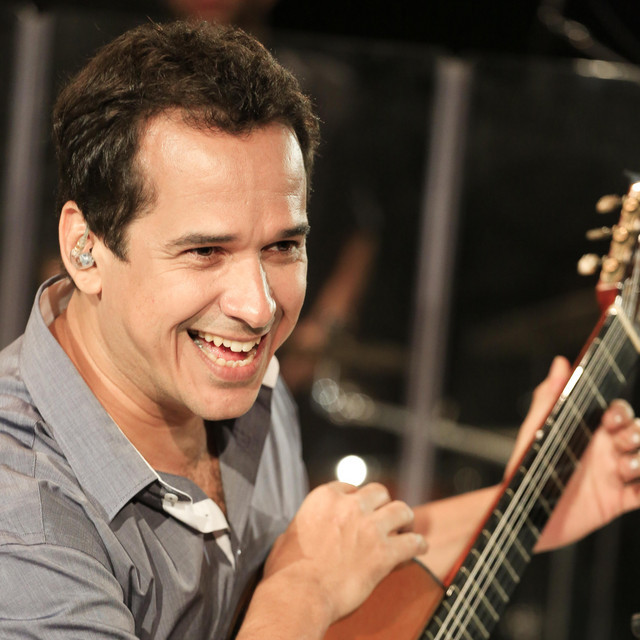
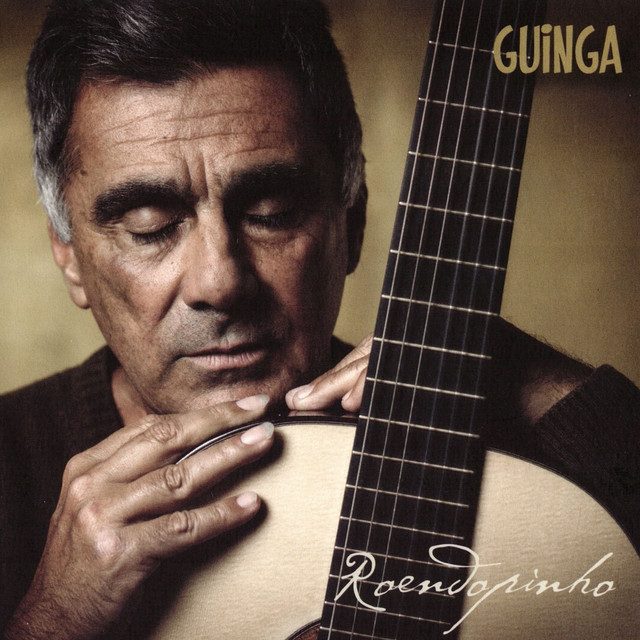
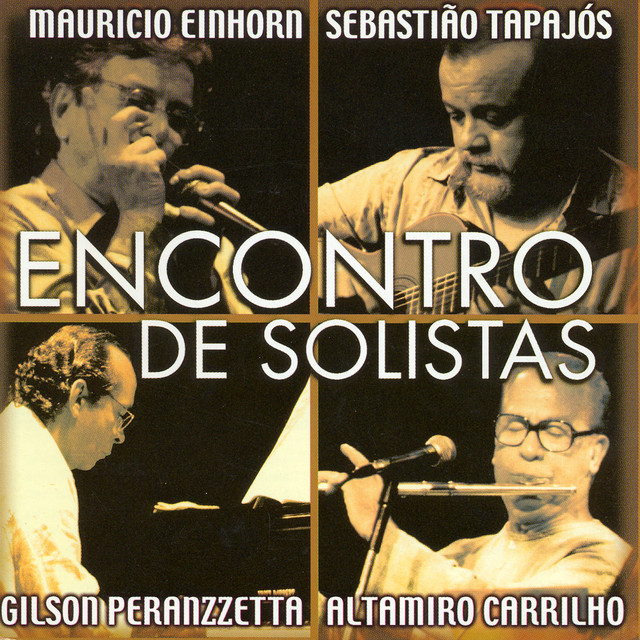

João Pernambuco
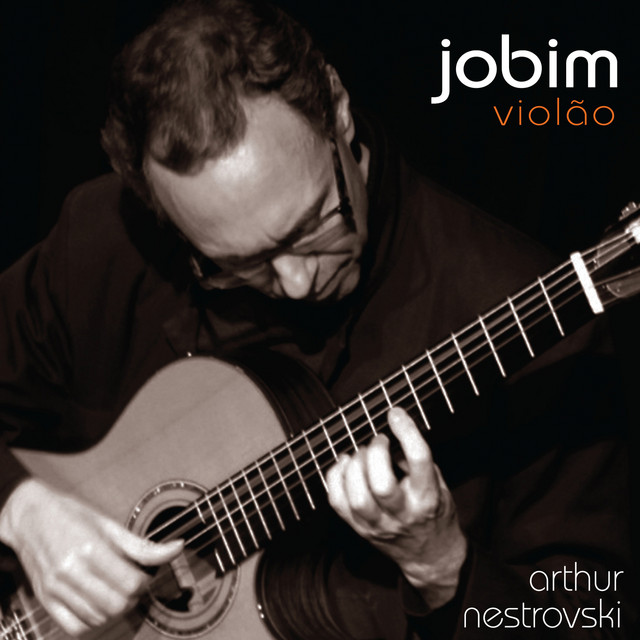
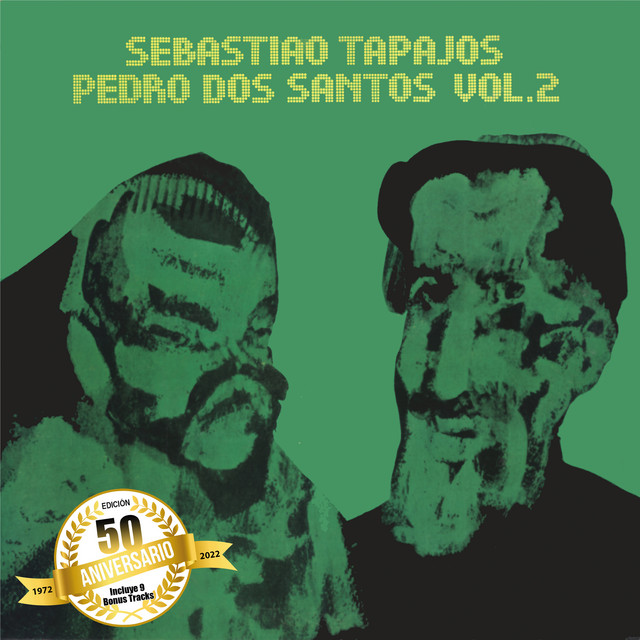
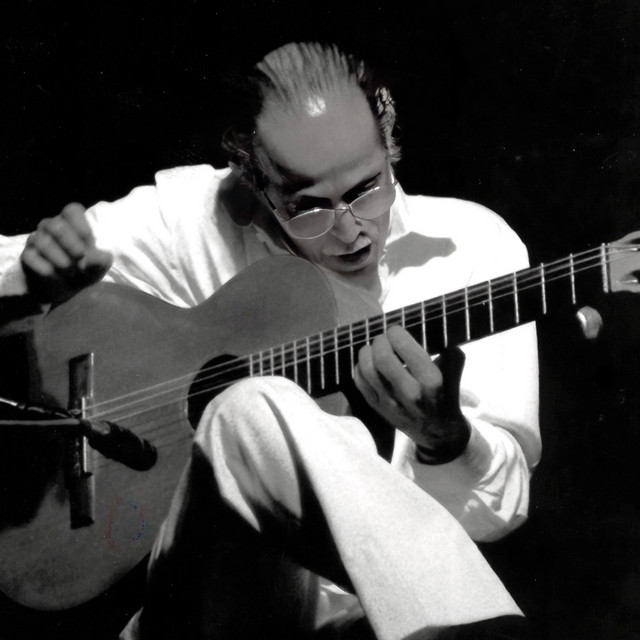
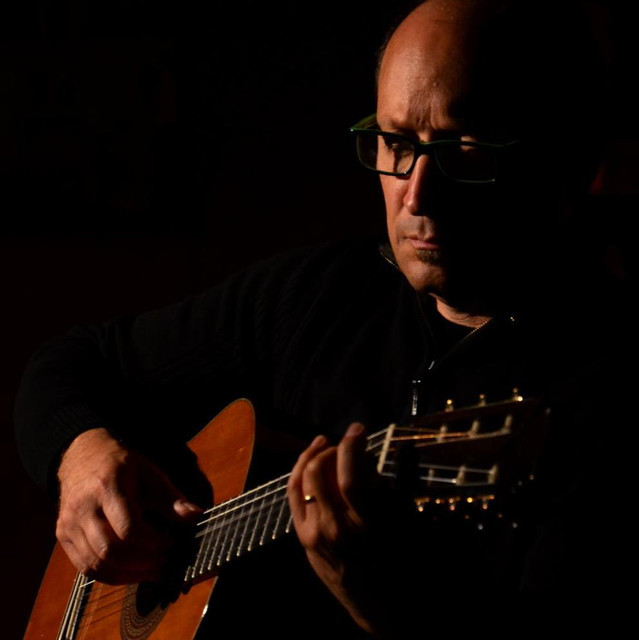
Ulisses Rocha
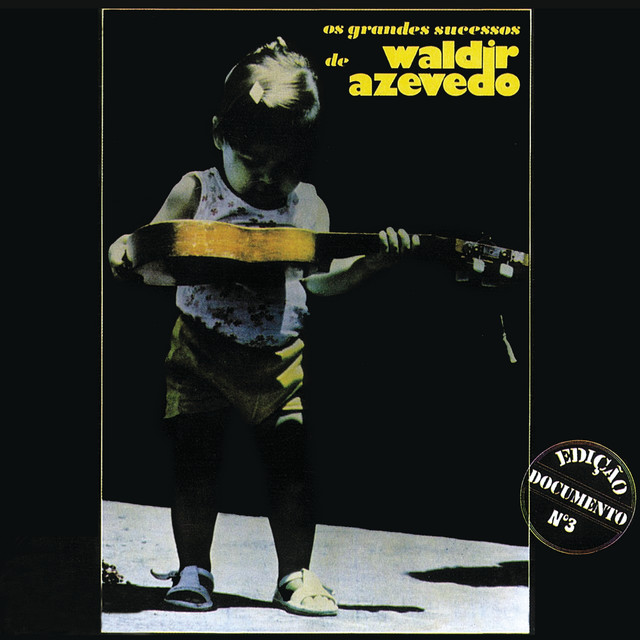
Waldir Azevedo
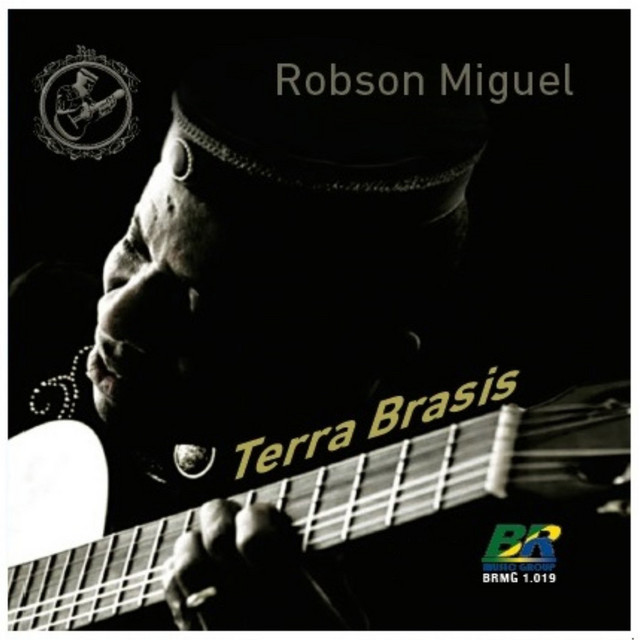
Robson Miguel
Rafael Rabello
Abel Ferreira

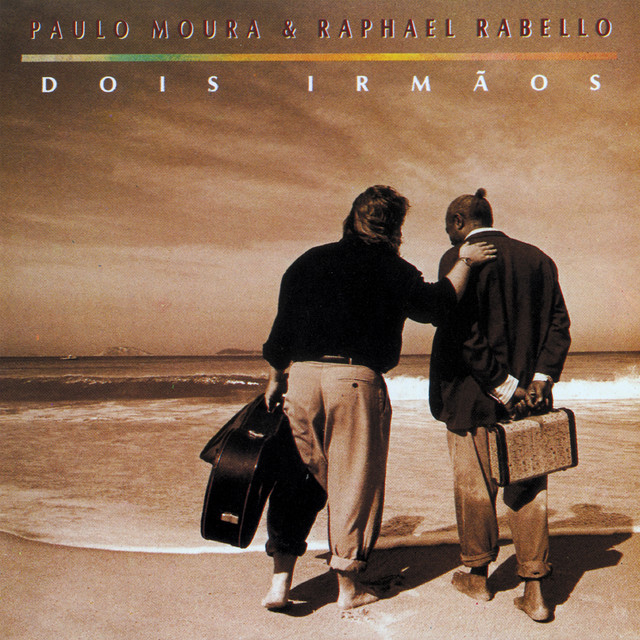
Paulo Moura & Raphael Rabello

Gustavo Tavares

Chiquinho Timotéo

Grupo Vou Vivendo

Canhoto da Paraíba

Quinteto Fina Flor

Hércules Gomes