Data may be outdated
Last updated: 1 month ago — Click refresh to get the latest statistics.
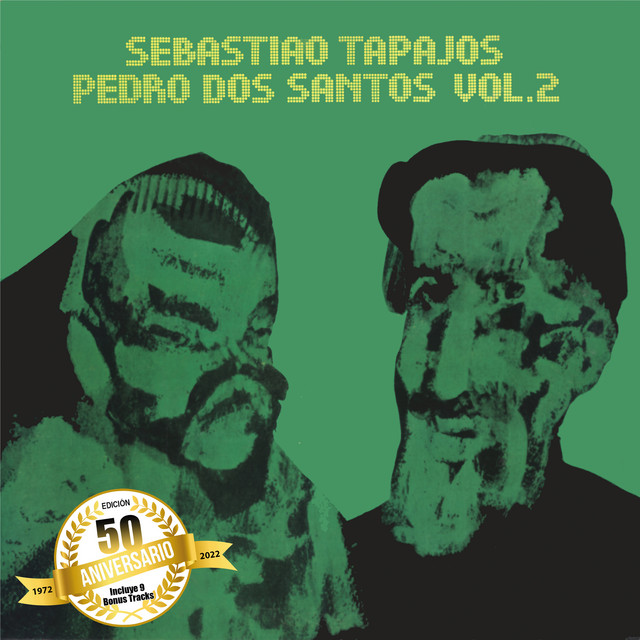
His father, who was his first teacher, prompted him to begin playing at nine. He continued to study as a self-taught musician until he moved to Belém, in Pará, Brazil, studying musical theory with Professor Drago. In 1963, he moved again, this time to Rio, where he studied with Othon Salieri. In 1964, he moved to Portugal, where he graduated from the Lisbon National Music Conservatory. Tapajós was already an active performing artist, playing concerts in Portugal and Spain. In Madrid, he studied with guitar master <a href="spotify:artist:3Qi8Unpvm6QKw6MGWBlfTf">Emilio Pujol</a>, having graduated from the Hispanic Culture Institute. Since 1968, his recordings have been released in Brazil, Argentina, Japan, and in most European countries. Returning to Belém, he spent some time there before returning to Rio, in search of performing opportunities and to research Brazilian popular music. The first opportunity to perform came with a rendition of <a href="spotify:artist:01UzgUtDa2NqWuvUjrrl3p">Villa-Lobos</a>' Concerto for Guitar and Orchestra with National Symphonic Orchestra at the Teatro Municipal, Rio's most distinguished classical music concert house. The reviews were very favorable, and he began to tour Brazil and the U.S., giving concerts. Tapajós developed an interest in writing Brazilian popular music. His compositions, always evidencing an original character while avoiding easy commercial references, are profoundly rooted in Brazilian tradition. In 1972, Brasil: El Arte de la Guitarra was released by <a href="spotify:search:label%3A%22Discmedia%2FTrova-Alfa%22">Discmedia/Trova-Alfa</a>, with themes from classical and popular Brazilian composers, and his own compositions, along with a <a href="spotify:artist:0MIlVcFgL7pDFqaZRmYDeE">Weiss</a> piece, "Allemande." After 1973, he toured Europe with great success. That same year, he performed at the Folklore and Bossa Nova of Brazil Festival, accompanying Maria Betânia and <a href="spotify:artist:0t2xdTxRXnffsmpMamH8Ls">Paulinho da Viola</a>, and he recorded Bienvenido Tapajós for <a href="spotify:search:label%3A%22MPS%22">MPS</a>. He then began an intense touring schedule through Germany, Austria, Denmark, Norway, Italy, Holland, Belgium, and other countries. He also makes a point in presenting to his European audiences other great Brazilian musicians, such as <a href="spotify:artist:0hZ09eMdNmc3d8hM1bXoN4">Maurício Einhorn</a>, <a href="spotify:artist:55ya732YIbmYcA2E9foMJe">Zimbo Trio</a>, Joel do Bandolim, Djalma Correa, Sivuca, and others.
In 1981, Sebastião Tapajós recorded with <a href="spotify:artist:55ya732YIbmYcA2E9foMJe">Zimbo Trio</a> the album Sincopando, for <a href="spotify:search:label%3A%22Stockfisch%22">Stockfisch</a>. In 1982, his LP Guitarra Criolla was awarded, in Germany, as the Album of the Year. Two years later, he released Xingu, with Pedro "Sorongo" Santos and Djalma Correa, through <a href="spotify:search:label%3A%22Tropical+Music%22">Tropical Music</a>. His LP Terra was also awarded as Best Foreign Album in Germany. In 1988, Sebastião Tapajós recorded Luá, Joá, with <a href="spotify:artist:0hZ09eMdNmc3d8hM1bXoN4">Maurício Einhorn</a>, for <a href="spotify:search:label%3A%22Caju+Music%22">Caju Music</a>. In Brazil, he was awarded by the Academia Brasileira de Letras as the best Brazilian musician of 1992. In 1993, he recorded a CD entirely dedicated to <a href="spotify:artist:01UzgUtDa2NqWuvUjrrl3p">Villa-Lobos</a>' music, Villa-Lobos, also for L'Art. In 1994, he recorded an album with pieces mostly by Hispanic classical composers. But, in 1995, his Visões do Nordeste (L'Art) brought his own compositions with Northeast Brazilian rhythms; with only one song not written by him, the Northeastern folklore song, "Mulher Rendeira." With Brazilian pianist <a href="spotify:artist:3sXiozVfzUa8NLisEvzJZm">Gilson Peranzzetta</a>, Tapajós recorded, in 1996, the album Affinities, mostly with compositions by the two. Rejecting being labeled as a "jazz" player, Sebastião Tapajós was simply a Brazilian music player; he died on October 2, 2021 at the age of 78. ~ Alvaro Neder, Rovi
Monthly Listeners
62,848
Monthly Listeners History
Track the evolution of monthly listeners over the last 28 days.
Followers
15,189
Followers History
Track the evolution of followers over the last 28 days.
Total Streams
12.2 million
Total Streams History
Track the evolution of total streams over the last 28 days. This data is calculated from all tracks listed in the artist's discography.
Top Cities

Related Artists




Canhoto

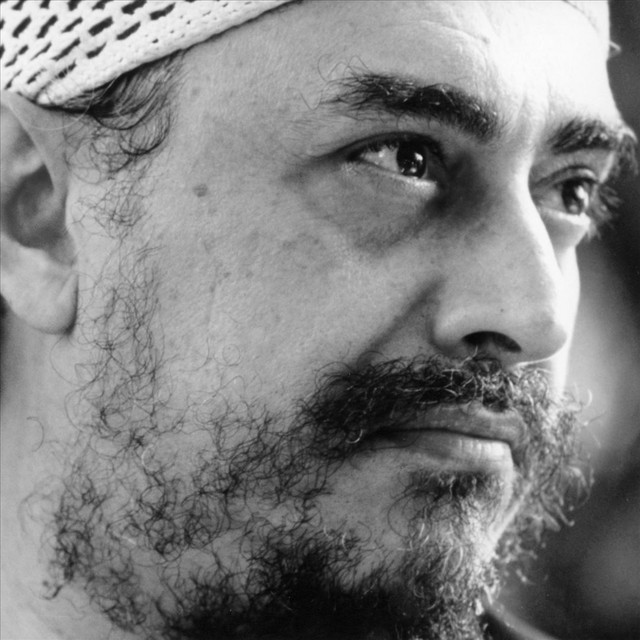
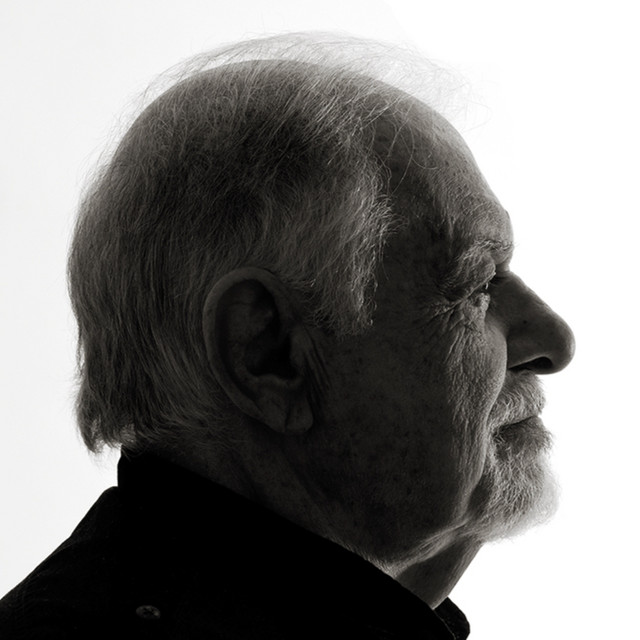

Chiquinho Timotéo
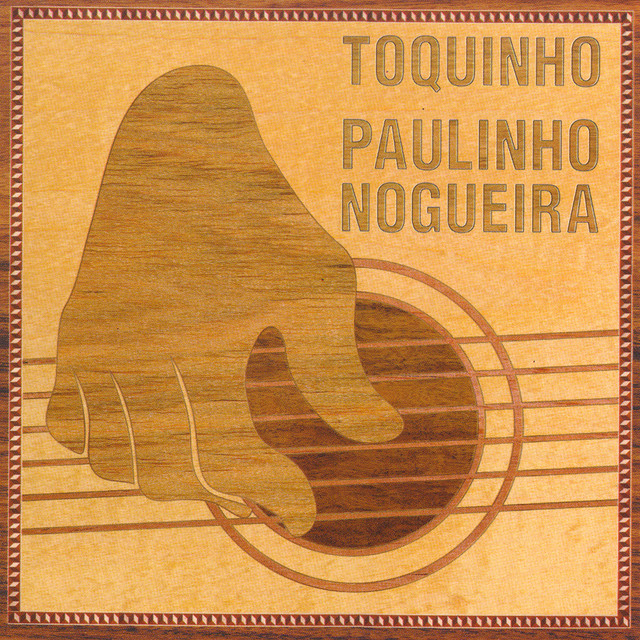
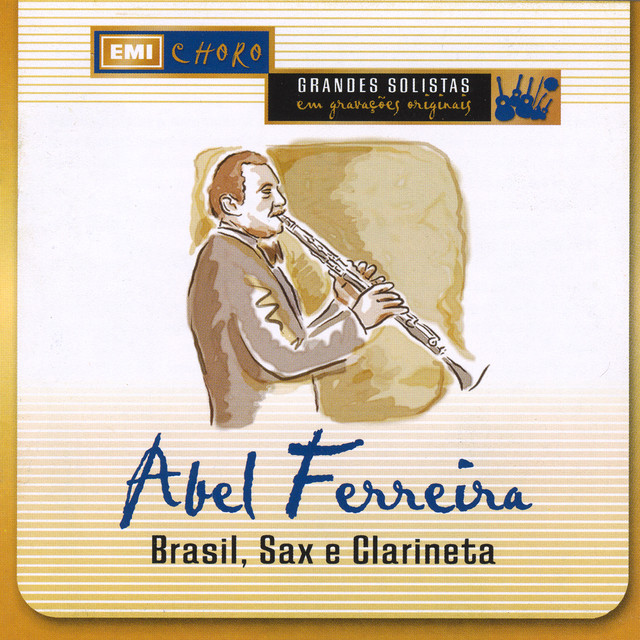
Abel Ferreira
Henrique Annes

José Barrense-Dias

Bebeto Castilho
Djalma Corrêa

Joao Donato
Nonato Luiz



Baden Powell