Data may be outdated
Last updated: 9 months ago — Click refresh to get the latest statistics.
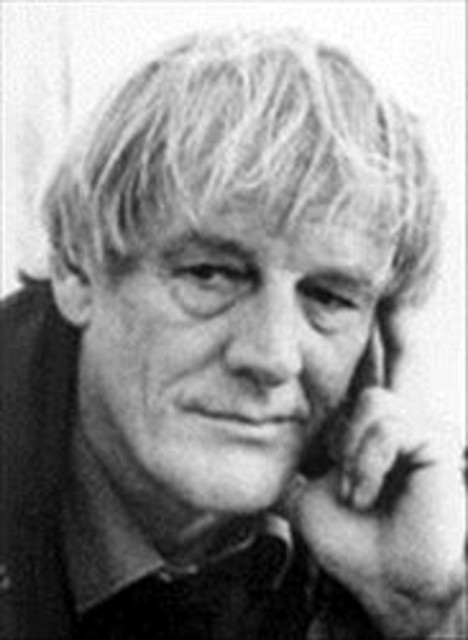
Per Nørgård (pronounced "Pair Ner-gore") has emerged as perhaps the most important Danish composer since Nielsen. His music has paralleled and contributed to avant-garde developments in European music since the 1950s, evolving from a Nordic Romanticism derived from <a href="spotify:artist:2fIyjIWgsOUBjwowqLXU8A">Vagn Holmboe</a> and <a href="spotify:artist:7jzR5qj8vFnSu5JHaXgFEr">Jean Sibelius</a>, through a short period in the later 1950s when he used collage and other then-fashionable techniques, into a period in the 1960s and 1970s during which Nørgård invented the forward-looking "infinity row." He became a professor of music at the Royal Academy of Music in Aarhus in 1965, and has been influential as a teacher; through the work of his students (<a href="spotify:artist:7lFNEy6KsssnTZPNg78ZJM">Hans Abrahamsen</a> is perhaps the most famous), Nørgård inspired the Danish "New Simplicity" movement in the 1960s. Since the late 1970s, Nørgård has been inspired by the writings and drawings of the troubled Swiss artist Adolf Wölfli (d. 1930). Nørgård is extremely prolific and has written in every genre, from the major classical forms to amateur choral music.
Nørgård studied theory, music history, and composition at the Royal Danish Conservatory from 1952 to 1955, and continued his composition studies in Paris with Nadia Boulanger in 1956 and 1957. His early music shows the strong influence of the Finnish composer <a href="spotify:artist:7jzR5qj8vFnSu5JHaXgFEr">Jean Sibelius</a>, and especially of <a href="spotify:artist:7jzR5qj8vFnSu5JHaXgFEr">Sibelius</a>' characteristic working-out of motives. The Symphony No. 1 and Constellations are highlights of this period. After brief experiments with collage in the later 1950s, Nørgård in 1960 developed the infinity row, a way of generating a constantly expanding melody from an initial two-note motive. Infinity row melodies are self-similar (for example, the second, third, and fourth pitches return as the fifth, ninth, and thirteenth pitches), and Nørgård uses self-similarity to create a hierarchical structure: a piece may be divided into four large sections of 1024 notes each, then into sections of 256 notes, and so on. Nørgård's early pieces using the infinity row (such as Voyage Through the Golden Screen are essentially orchestrations of an infinity row melody. However, in later pieces, Nørgård extended the technique to generate harmony as well.
Nørgård abruptly changed direction in the late 1970s under the influence of the writings, paintings, and musical ideas of Wölfli, who spent the last 35 years of his life in a Swiss asylum. One of the first results was the Symphony No. 4: Indischer Roosengaarten und Chineesischer Hexensee ("Indian Rose-Garden and Chinese Witch-Sea" -- Wölfli was fond of doubling vowels). Though Nørgård continued to use the infinity row, his obsession with Wölfli has to some extent colored all his works since 1980. The Wölfli music, in contrast to the slowly changing textures of Nørgård's earlier infinity row music, is marked, in the terms Nørgård has used to describe Wölfli's art, by abrupt shifts "between idyll and catastrophe."
In the 1990s, Nørgård explored the idea of interference (the pattern that results when two or more regular patterns are played together or otherwise combined) through the use of thickly layered rhythmic and melodic patterns. This period has also been marked by the writing of many concertos, from works for each of the main stringed instruments to the Concerto in Due Tempi (1996) for piano and orchestra, and Bach to the Future (1997) for percussion and orchestra. In 1996, the premiere of Nuit des hommes, an hour-long "opera(torium)" based on poems by <a href="spotify:artist:34vSiQ25HNBVUcmydy6I3r">Apollinaire</a>, marked an attempt to create a new kind of opera, without dramatic tension. The work exemplified the two forces which have driven Nørgård's music: a use of very eclectic sources (from Babylonian myth in the ritualistic opera Gilgamesh (1972) to the Beatles, in Doing (1968)), and a need for constant self-reinvention.
Nørgård studied theory, music history, and composition at the Royal Danish Conservatory from 1952 to 1955, and continued his composition studies in Paris with Nadia Boulanger in 1956 and 1957. His early music shows the strong influence of the Finnish composer <a href="spotify:artist:7jzR5qj8vFnSu5JHaXgFEr">Jean Sibelius</a>, and especially of <a href="spotify:artist:7jzR5qj8vFnSu5JHaXgFEr">Sibelius</a>' characteristic working-out of motives. The Symphony No. 1 and Constellations are highlights of this period. After brief experiments with collage in the later 1950s, Nørgård in 1960 developed the infinity row, a way of generating a constantly expanding melody from an initial two-note motive. Infinity row melodies are self-similar (for example, the second, third, and fourth pitches return as the fifth, ninth, and thirteenth pitches), and Nørgård uses self-similarity to create a hierarchical structure: a piece may be divided into four large sections of 1024 notes each, then into sections of 256 notes, and so on. Nørgård's early pieces using the infinity row (such as Voyage Through the Golden Screen are essentially orchestrations of an infinity row melody. However, in later pieces, Nørgård extended the technique to generate harmony as well.
Nørgård abruptly changed direction in the late 1970s under the influence of the writings, paintings, and musical ideas of Wölfli, who spent the last 35 years of his life in a Swiss asylum. One of the first results was the Symphony No. 4: Indischer Roosengaarten und Chineesischer Hexensee ("Indian Rose-Garden and Chinese Witch-Sea" -- Wölfli was fond of doubling vowels). Though Nørgård continued to use the infinity row, his obsession with Wölfli has to some extent colored all his works since 1980. The Wölfli music, in contrast to the slowly changing textures of Nørgård's earlier infinity row music, is marked, in the terms Nørgård has used to describe Wölfli's art, by abrupt shifts "between idyll and catastrophe."
In the 1990s, Nørgård explored the idea of interference (the pattern that results when two or more regular patterns are played together or otherwise combined) through the use of thickly layered rhythmic and melodic patterns. This period has also been marked by the writing of many concertos, from works for each of the main stringed instruments to the Concerto in Due Tempi (1996) for piano and orchestra, and Bach to the Future (1997) for percussion and orchestra. In 1996, the premiere of Nuit des hommes, an hour-long "opera(torium)" based on poems by <a href="spotify:artist:34vSiQ25HNBVUcmydy6I3r">Apollinaire</a>, marked an attempt to create a new kind of opera, without dramatic tension. The work exemplified the two forces which have driven Nørgård's music: a use of very eclectic sources (from Babylonian myth in the ritualistic opera Gilgamesh (1972) to the Beatles, in Doing (1968)), and a need for constant self-reinvention.
Monthly Listeners
3,470
Monthly Listeners History
Track the evolution of monthly listeners over the last 28 days.
Followers
3,993
Followers History
Track the evolution of followers over the last 28 days.
Top Cities
119 listeners

97 listeners

50 listeners
48 listeners

43 listeners

Related Artists

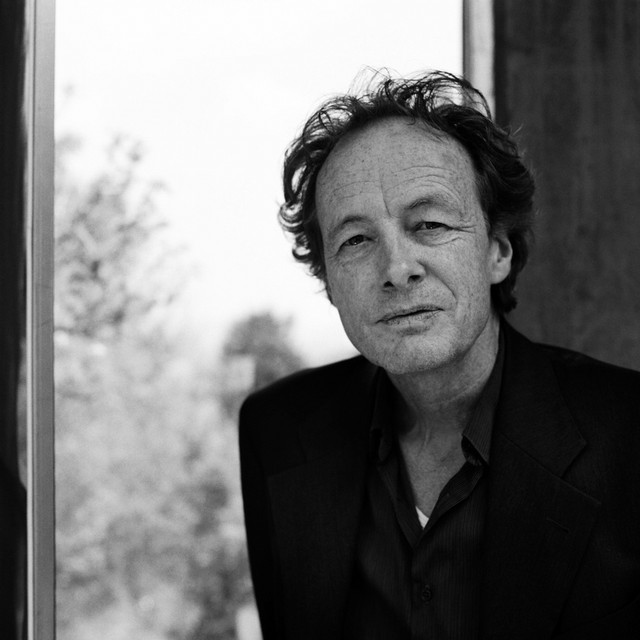
Beat Furrer
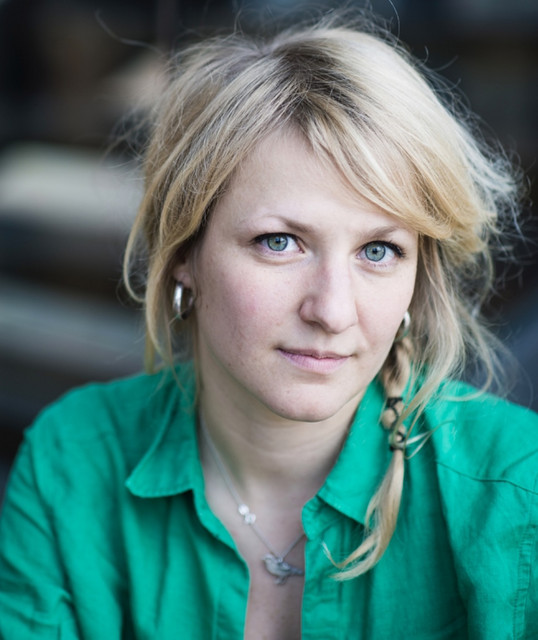
Andrea Tarrodi
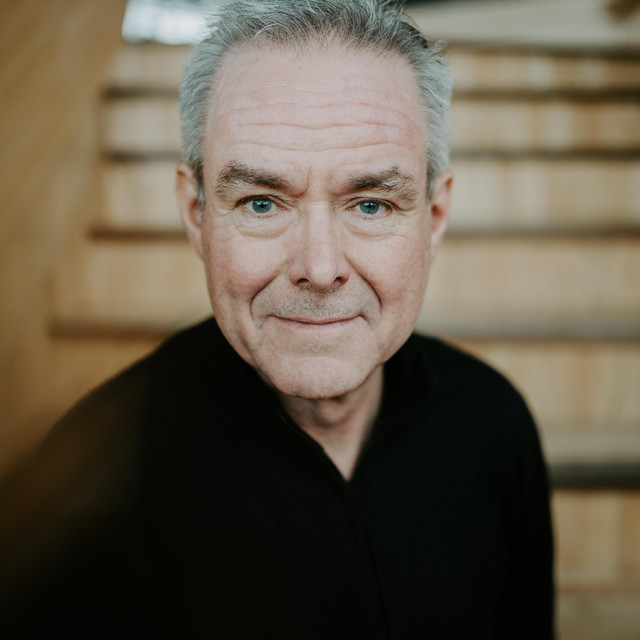
Nils Henrik Asheim


R. Murray Schafer
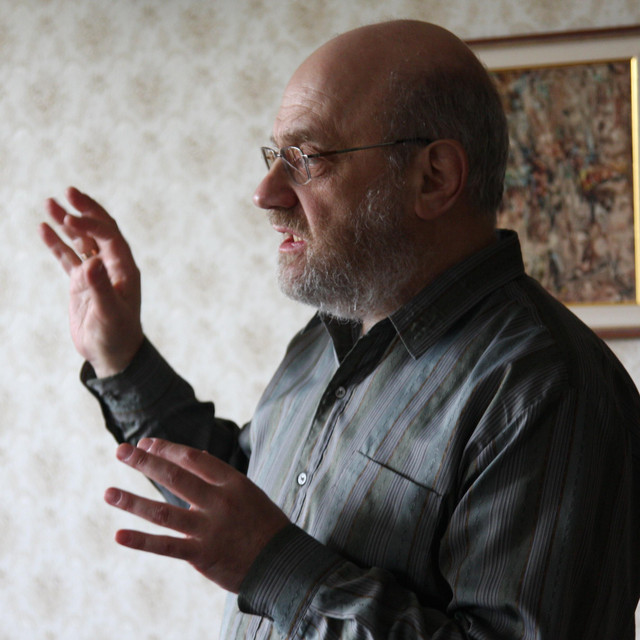
Alexander Knaifel

Jesper Nordin
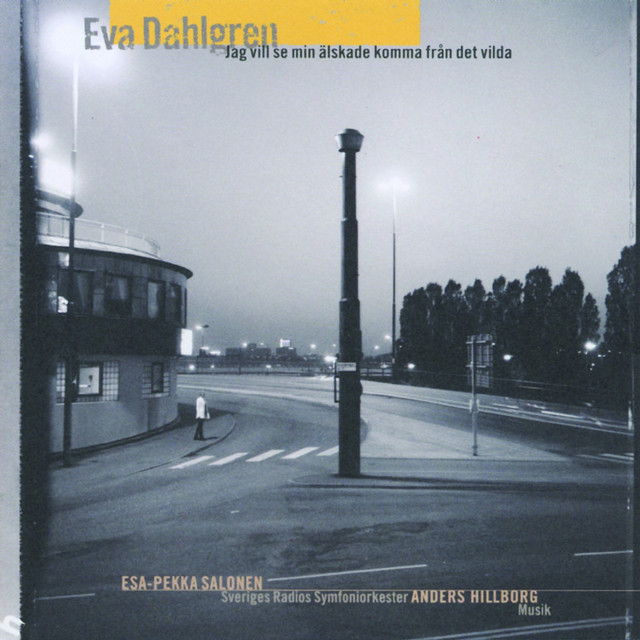
Anders Hillborg

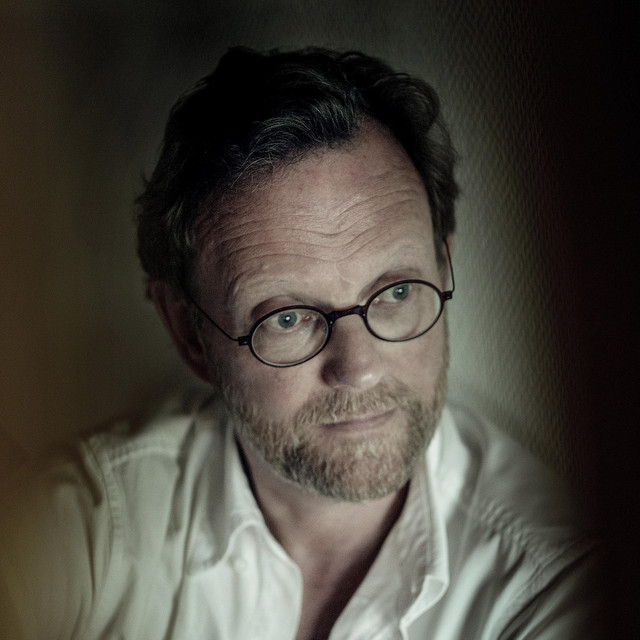
Ståle Kleiberg
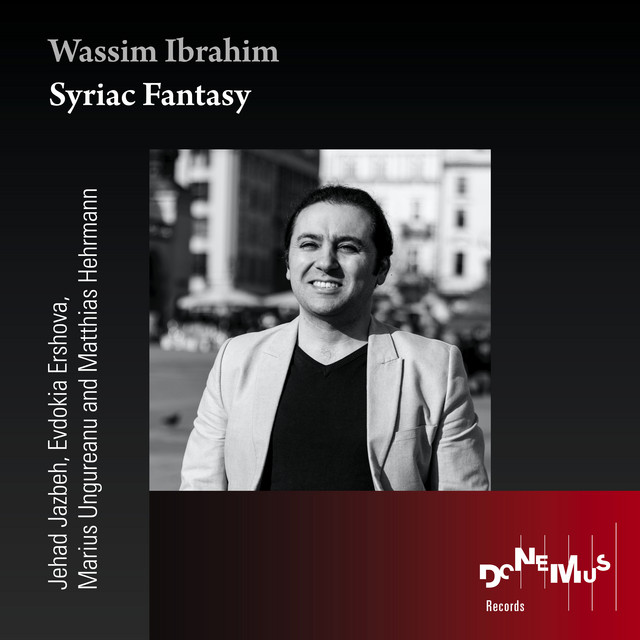
Marius Ungureanu

Wim Henderickx

Vanessa Lann
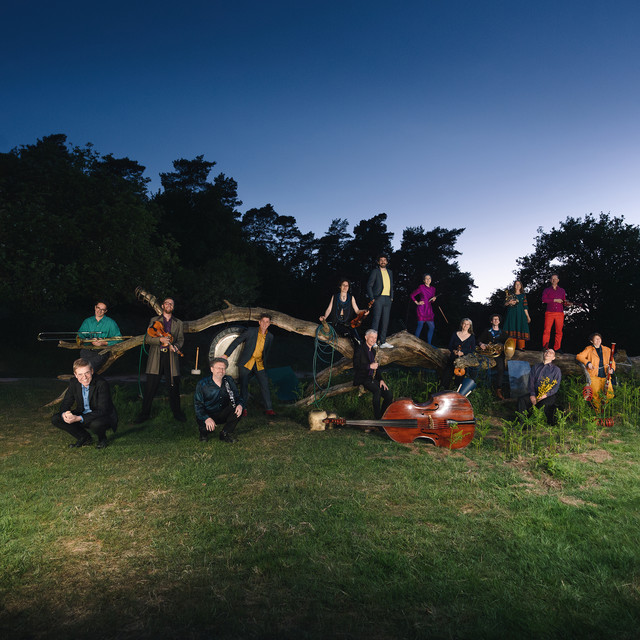
Ensemble Musikfabrik

Lasse Thoresen
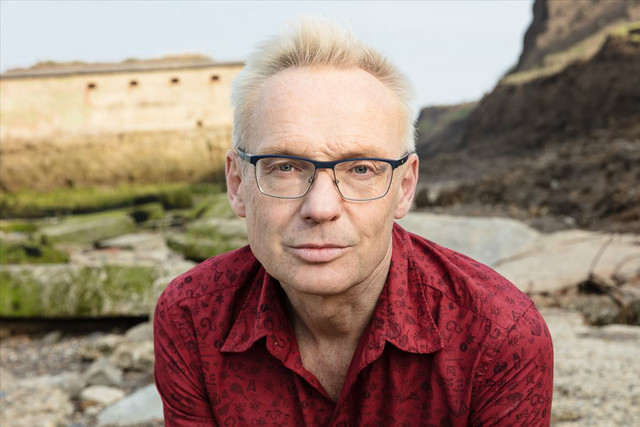
Rolf Wallin
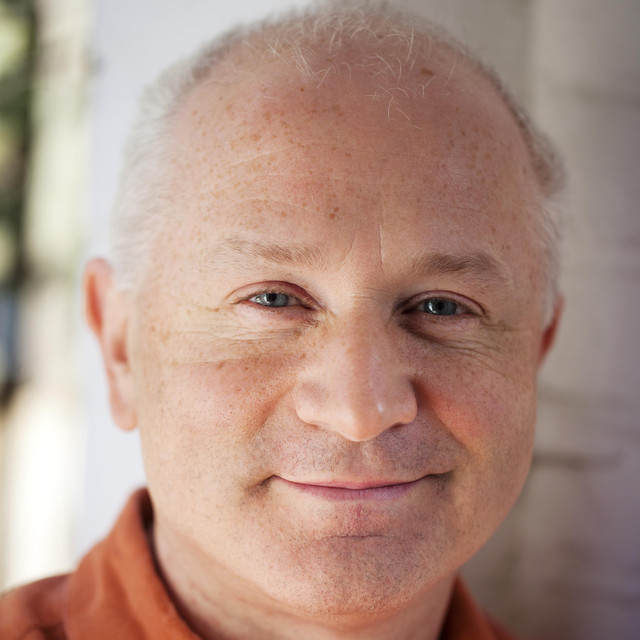
Christoph Grund

Neue Vocalsolisten Stuttgart
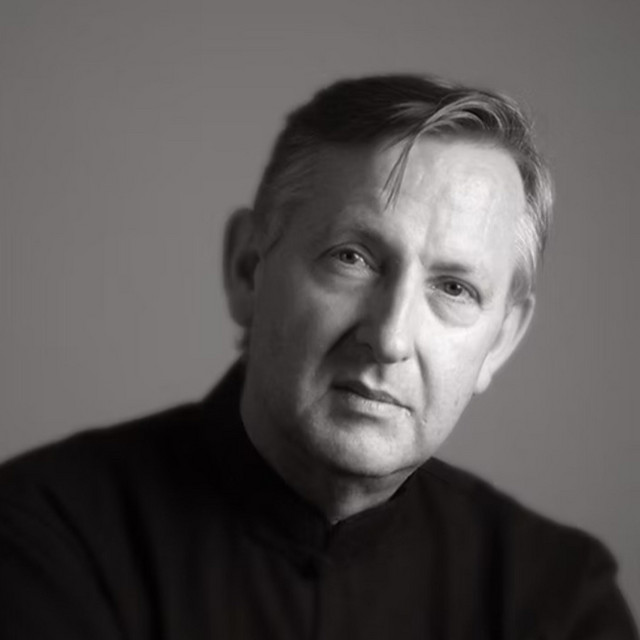
Piet Swerts

Camiel Jansen
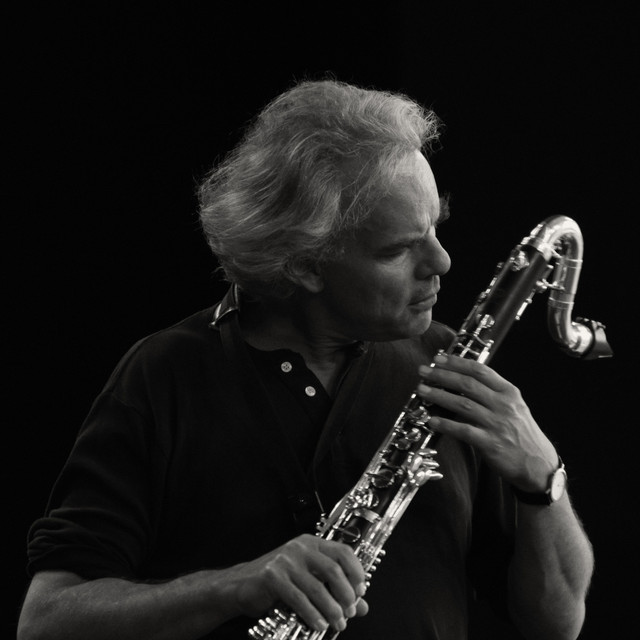
Michael Riessler
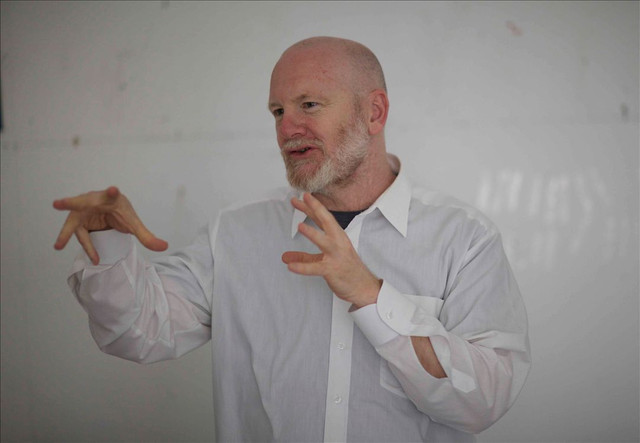
Brett Dean

José M. Sánchez-Verdú