Data may be outdated
Last updated: 8 months ago — Click refresh to get the latest statistics.
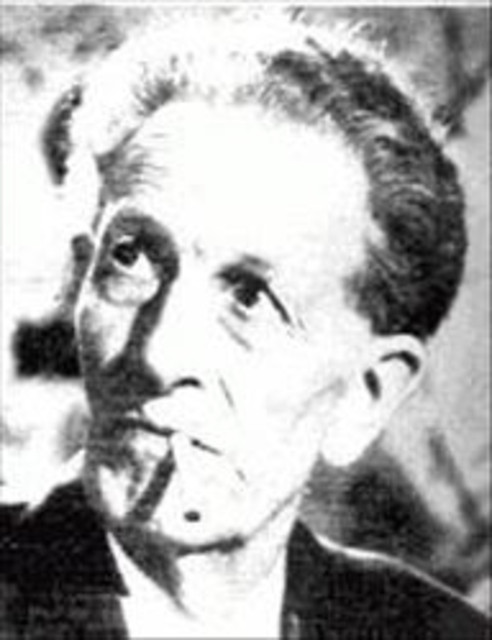
Martin's long, quietly productive career reflected a quest to reconcile creative imperatives with stylistic integrity in an era of unprecedented technical challenges, experiments, and fragmentation. A conventionally trained musician would have been less liable to brook such challenges as an ethical dilemma or to see in them an almost paralyzing array of possibilities, while Martin, the tenth child of a Calvinist pastor, felt both keenly. Martin began composing at 8, was overwhelmed by a performance of <a href="spotify:artist:5aIqB5nVVvmFsvSdExz408">Bach</a>'s St. Matthew Passion at 10, and by his 16th year knew that music was his destiny. While formally studying mathematics and physics at his parents' behest, he pursued music privately with the distinguished Swiss composer Joseph Lauber, who introduced him to the rudiments of piano, harmony, and composition. Martin became an able interpreter at the piano and harpsichord and, in later life, proved well enough equipped to make a definitive recording of his difficult Preludes (8) for piano. In 1918 Martin moved to Zurich, then on to Rome and Paris, returning to Geneva in 1926 with the experience of jazz hot in the ear. A meeting that year with Émile Jaques-Dalcroze, founder of eurhythmics, went hand-in-hand with exploration of Hindu and Bulgarian rhythms, issuing in the orchestral triptych Rhythmes (1926) an element of rhythmic nervosité as a persistent feature of his music. Modal and serial elements also informed his work without being slavishly adopted. That the fairly prolific Martin achieved his first characteristic work -- the secular oratorio Le vin herbé (1938-1941) -- only as he passed his 50th year owes as much, perhaps, to the German-dominated insularity of Swiss musical life as to the search for an ideal purity of utterance. The impact of <a href="spotify:artist:1Uff91EOsvd99rtAupatMP">Debussy</a> and <a href="spotify:artist:17hR0sYHpx7VYTMRfFUOmY">Ravel</a>, for instance, was brought to bear only during the Great War through the revelations of Swiss conductor <a href="spotify:artist:1e8TlvBk6qegjR3fkYZ9hV">Ernest Ansermet</a>, who performed Martin's Les dithyrambes in 1918 and became a champion of his work, making several classic recordings of it. Recognition came in the form of teaching posts, directorship of the Technicum Moderne de Musique, president of the Swiss Musicians' Union 1943-1946, a composition class at the Cologne Hochschule für Musik 1950-1957, and commissions (e.g., by Geneva Radio for the oratorio In terra pax for broadcast on armistice day). In 1943 he married his third wife, Maria Boeke, and in 1946 moved with her to Amsterdam, and later to Naarden. Masterworks flowed from his pen between concert tours that carried his music worldwide.
Monthly Listeners
4,210
Monthly Listeners History
Track the evolution of monthly listeners over the last 28 days.
Followers
2,179
Followers History
Track the evolution of followers over the last 28 days.
Top Cities


Related Artists
Ildebrando Pizzetti
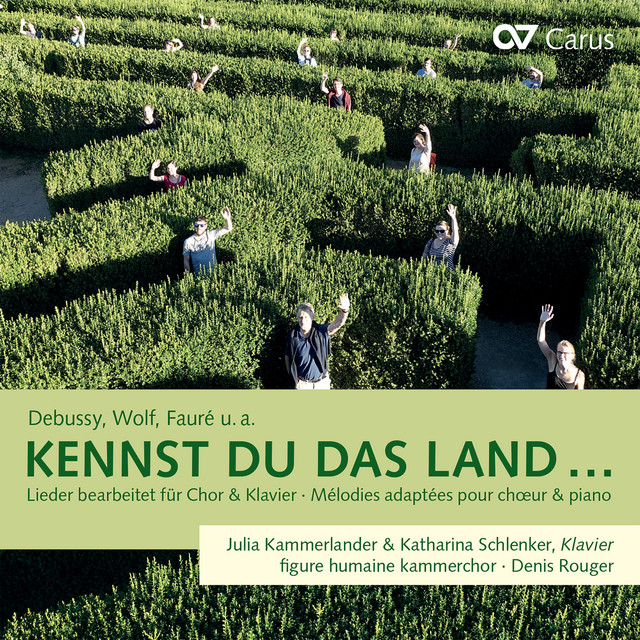
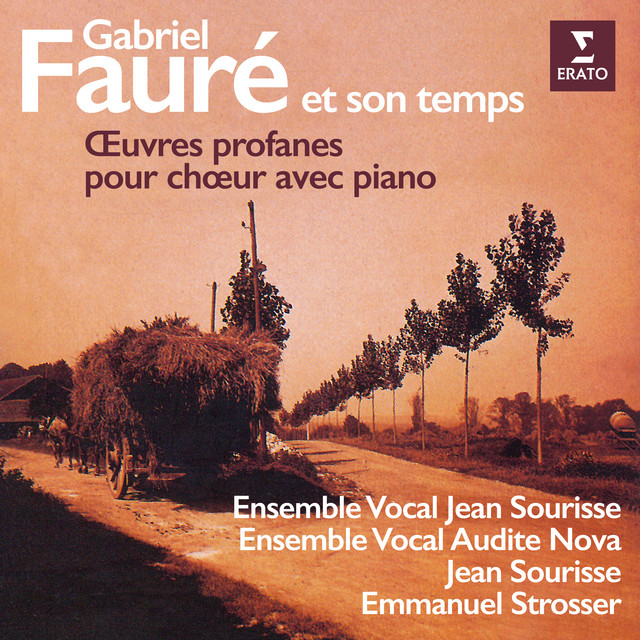
Jean Sourisse
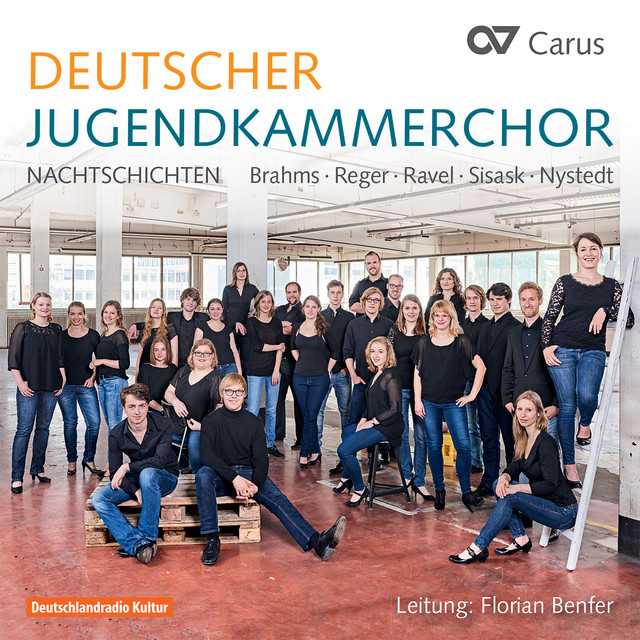
Florian Benfer
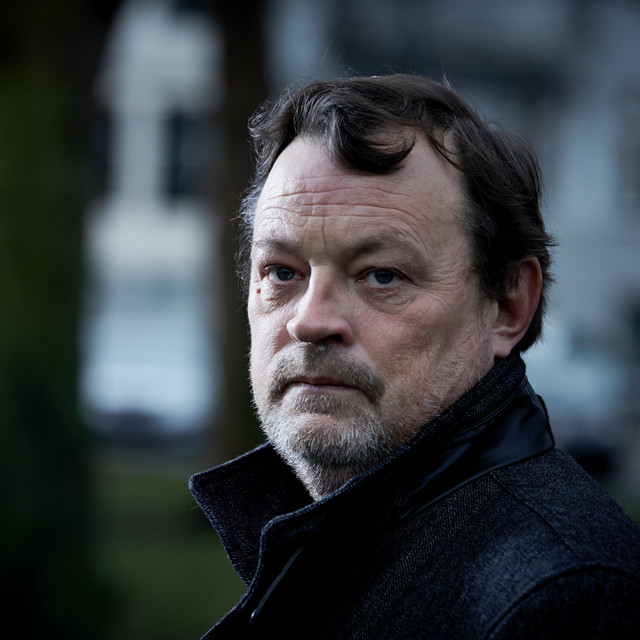
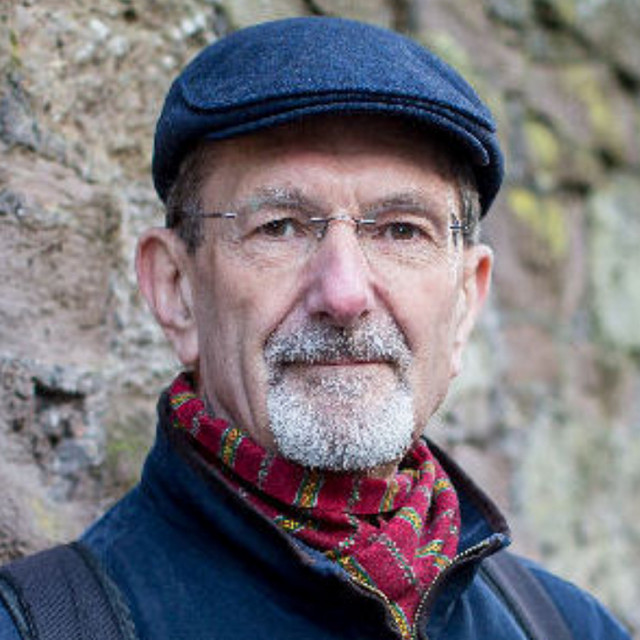
Alec Roth
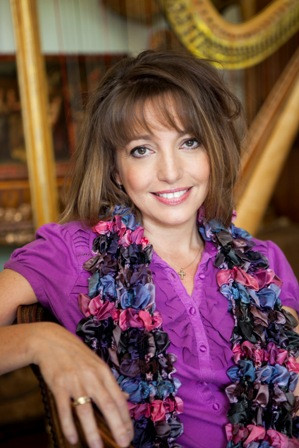
Roxanna Panufnik
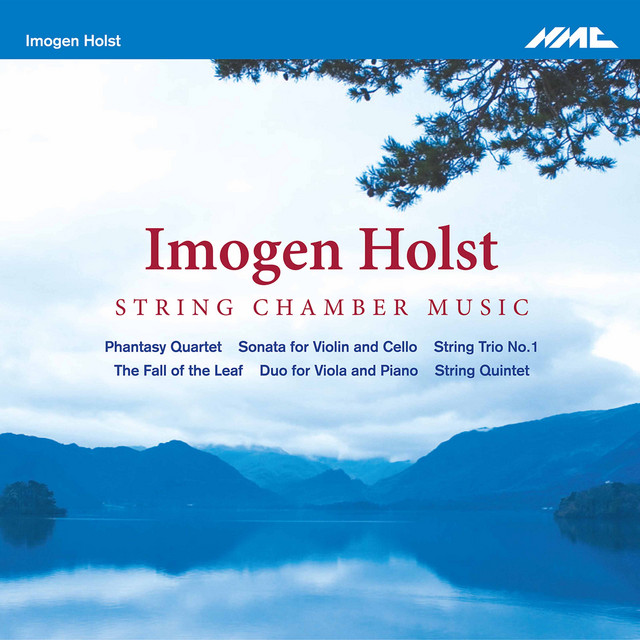
Imogen Holst
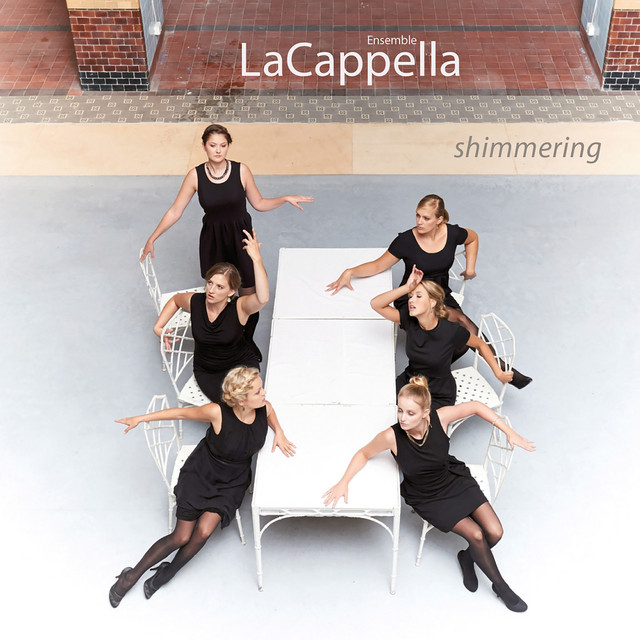
Clytus Gottwald
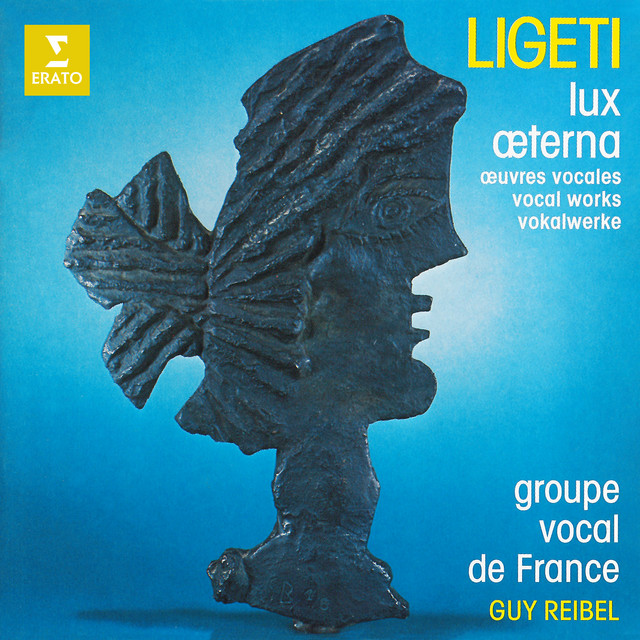
Groupe Vocal De France
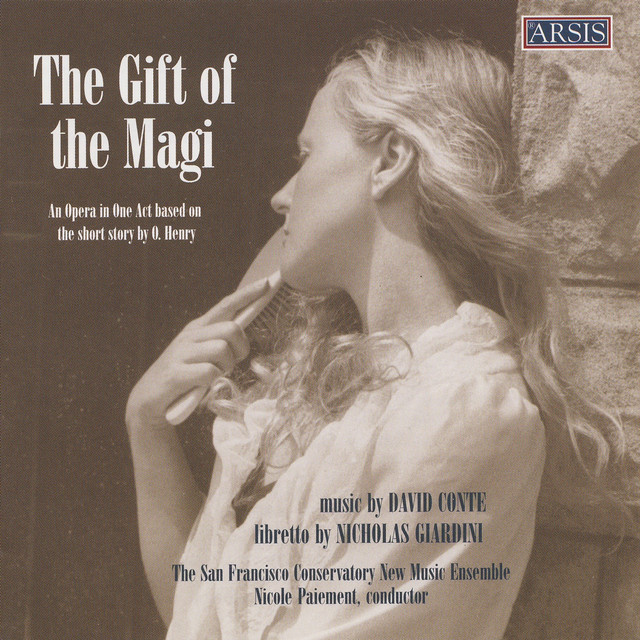
David Conte
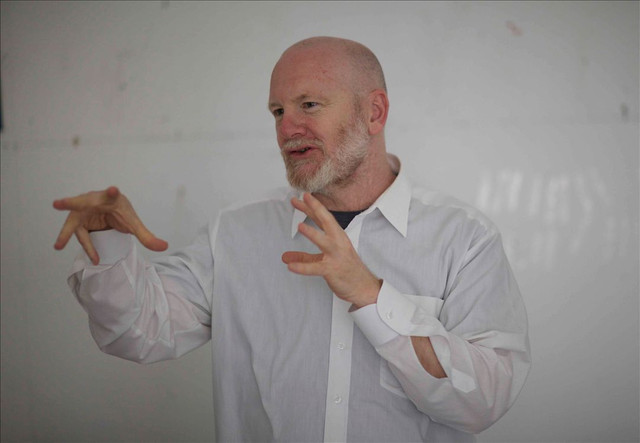
Brett Dean
Olivier Greif
Ryan Wigglesworth
Klaas Stok
Steven Stucky

Matthew Best
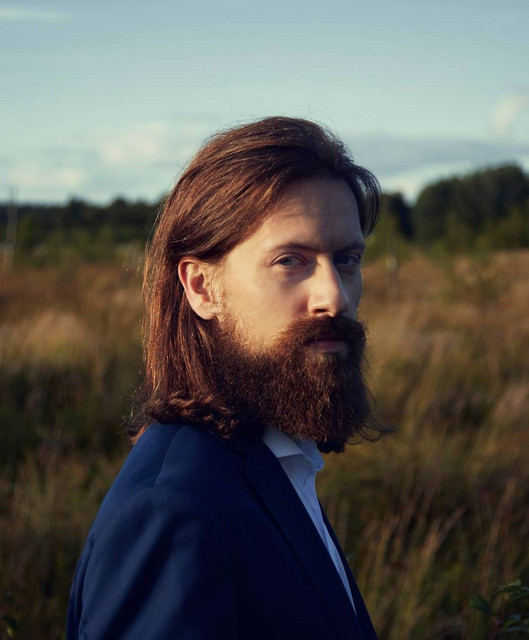
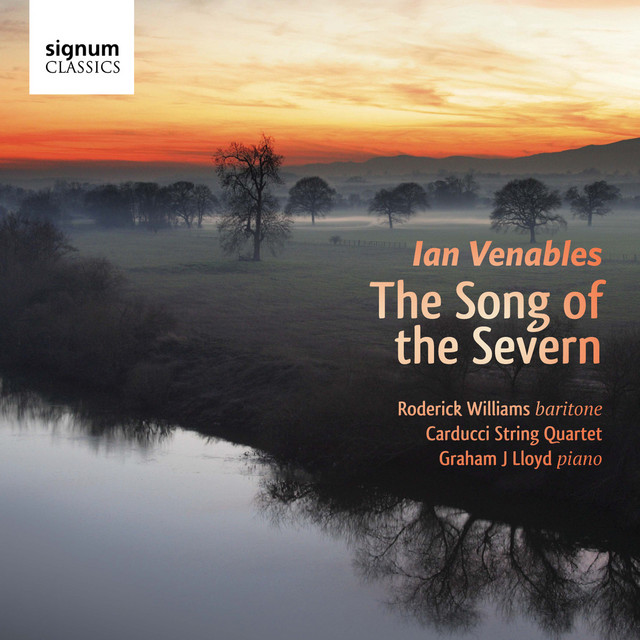
Ian Venables
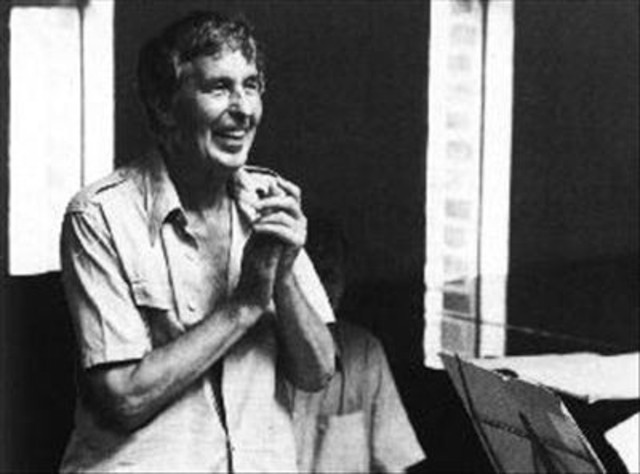
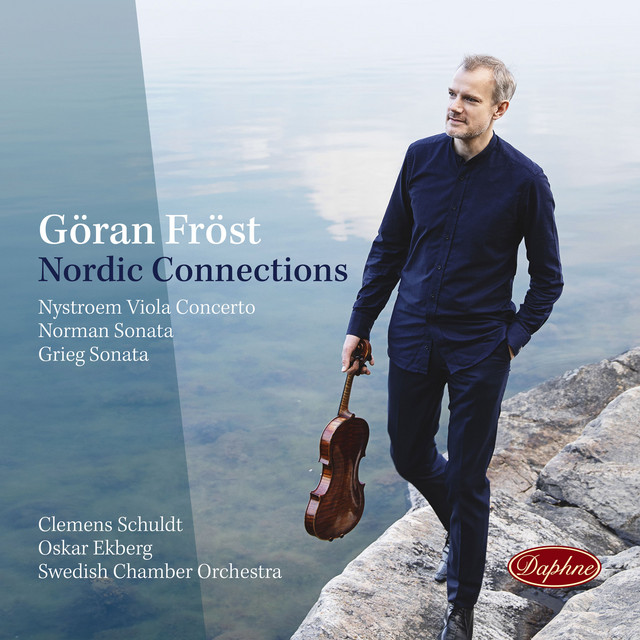
Gösta Nystroem

Ton de Leeuw

Alphons Diepenbrock
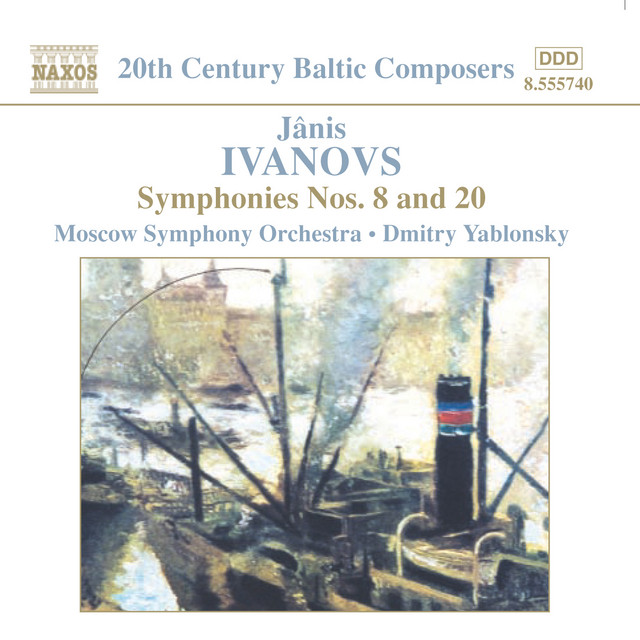
Jānis Ivanovs
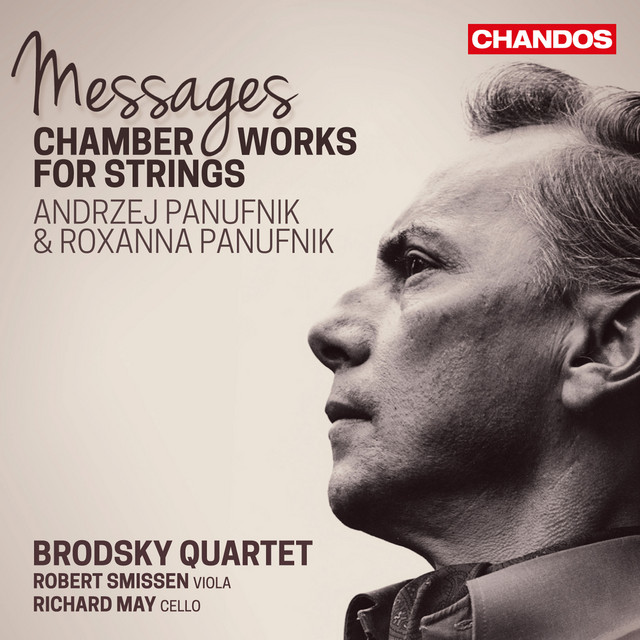
Richard May

Lincoln Trio
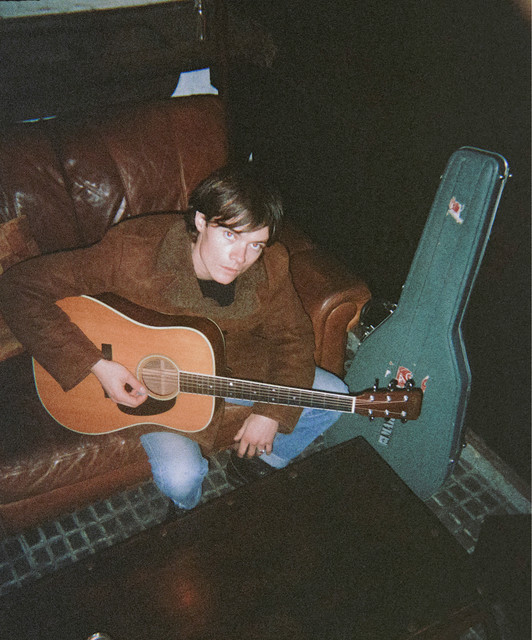
James Wood
Jean-Charles Gandrille
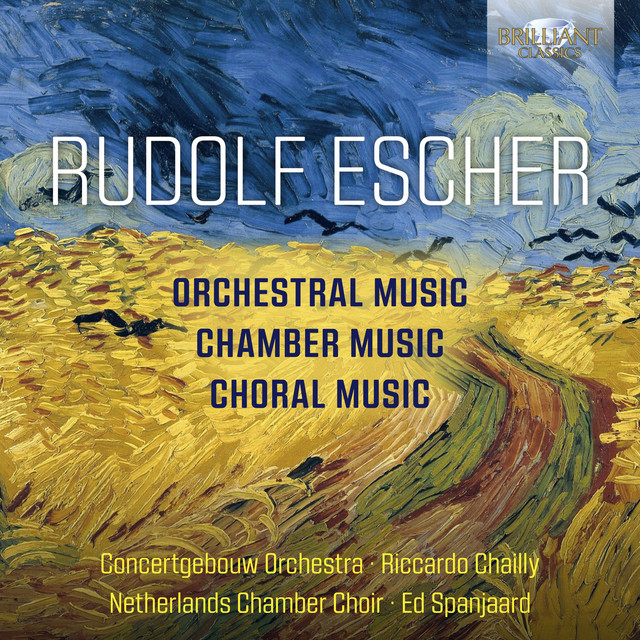
Rudolf Escher
Jean-Yves Daniel-Lesur
Pierre Calmelet
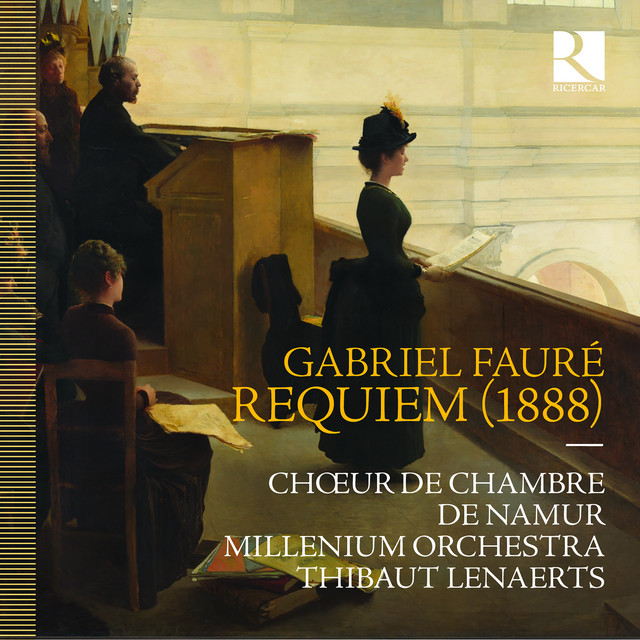
Thibaut Lenaerts
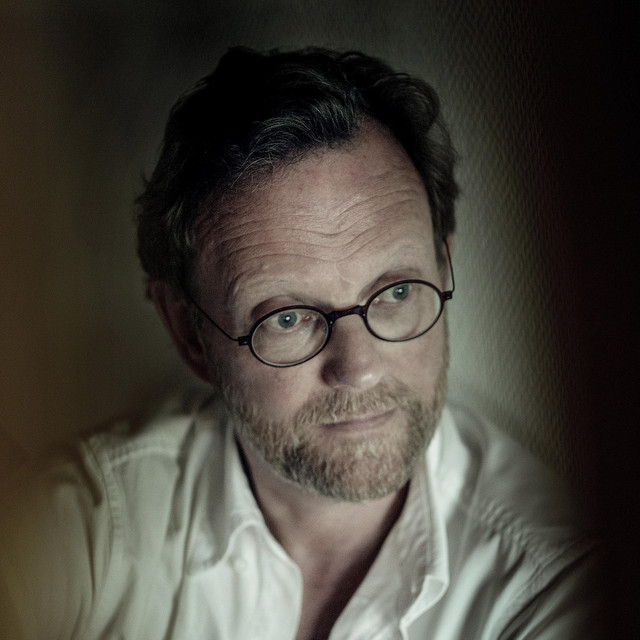
Ståle Kleiberg
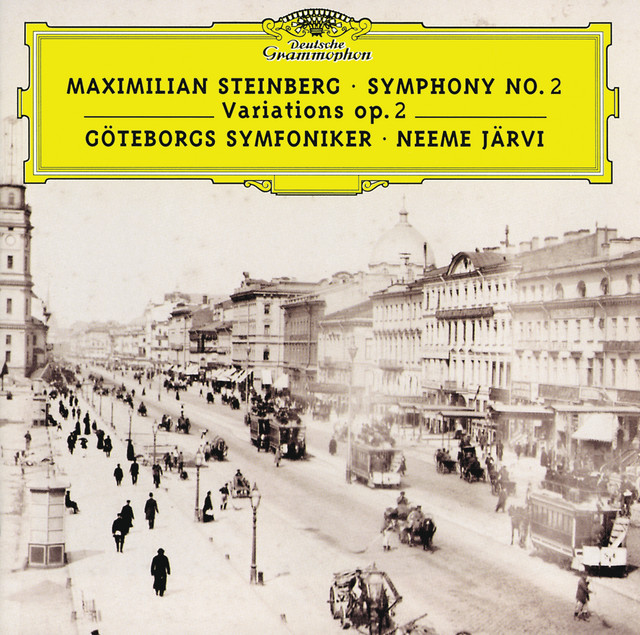
Maximilian Steinberg