Data may be outdated
Last updated: 9 months ago — Click refresh to get the latest statistics.
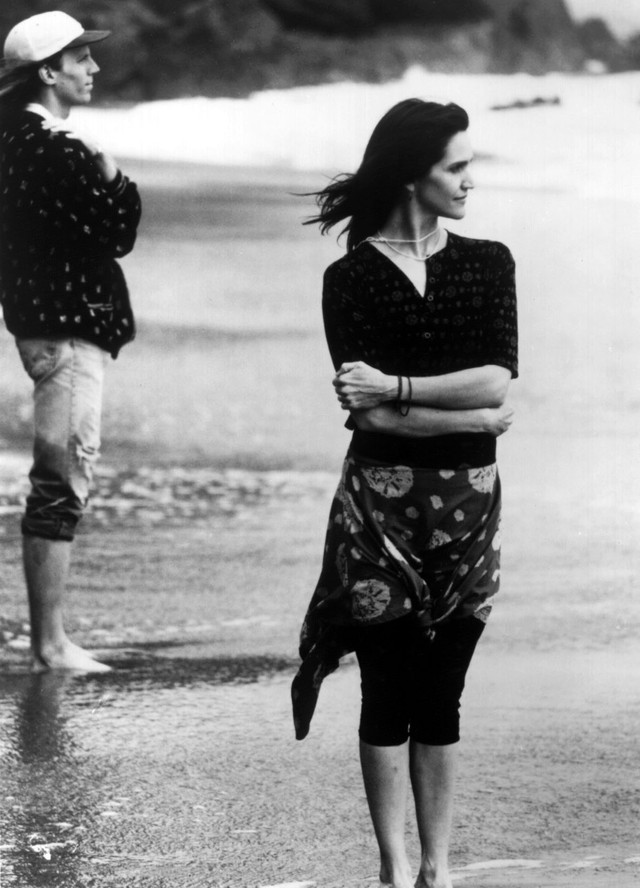
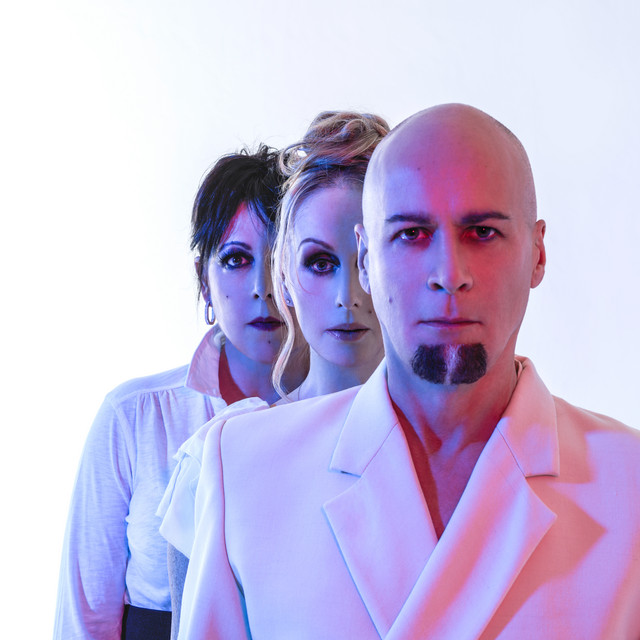
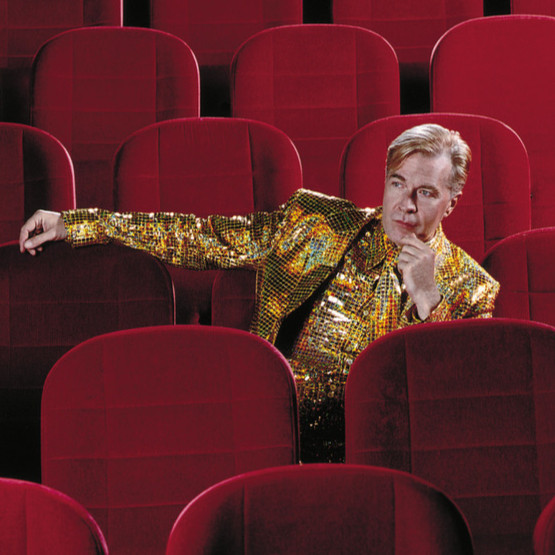
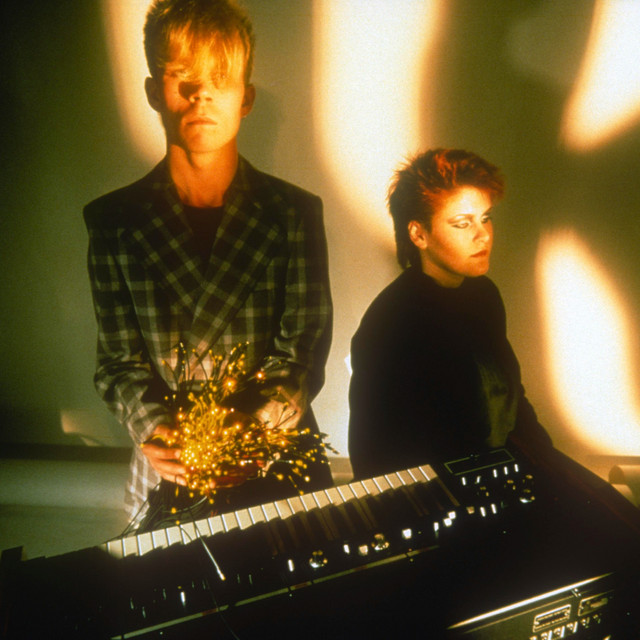
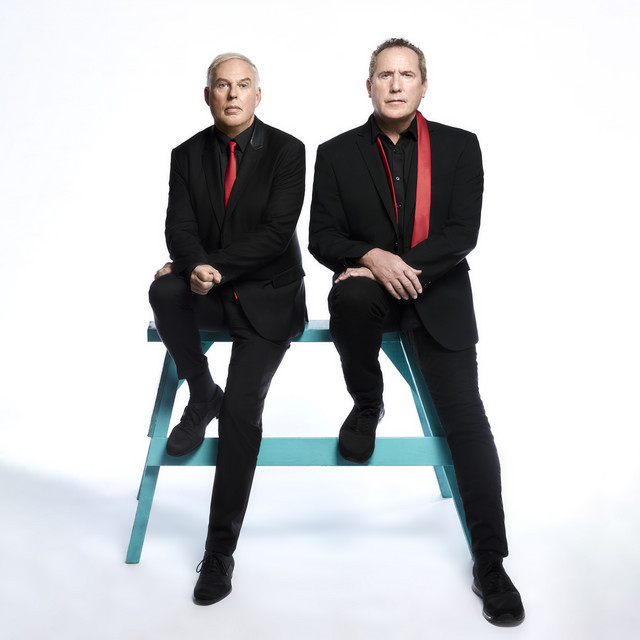
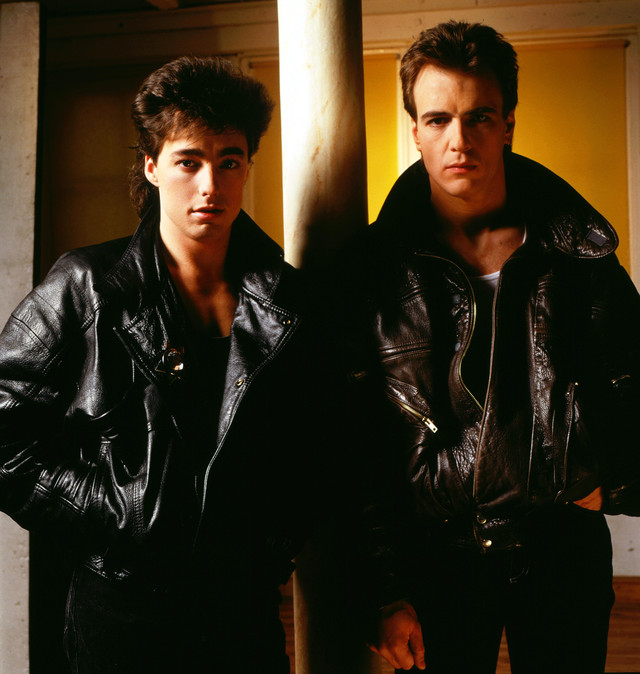
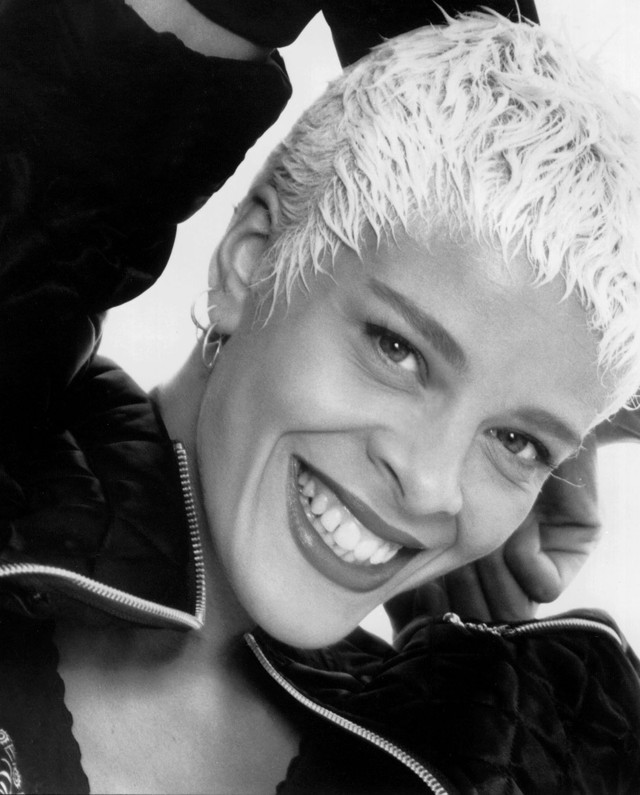
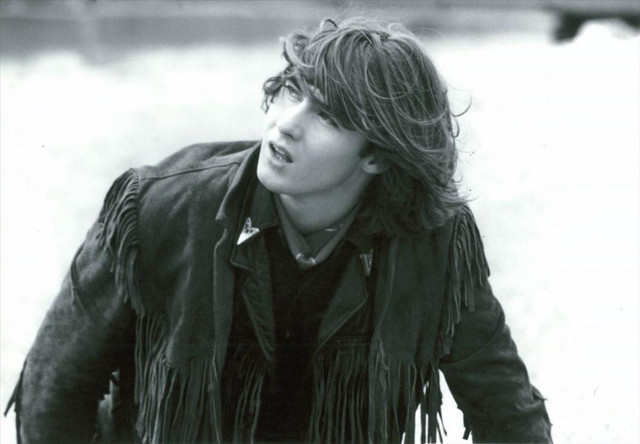
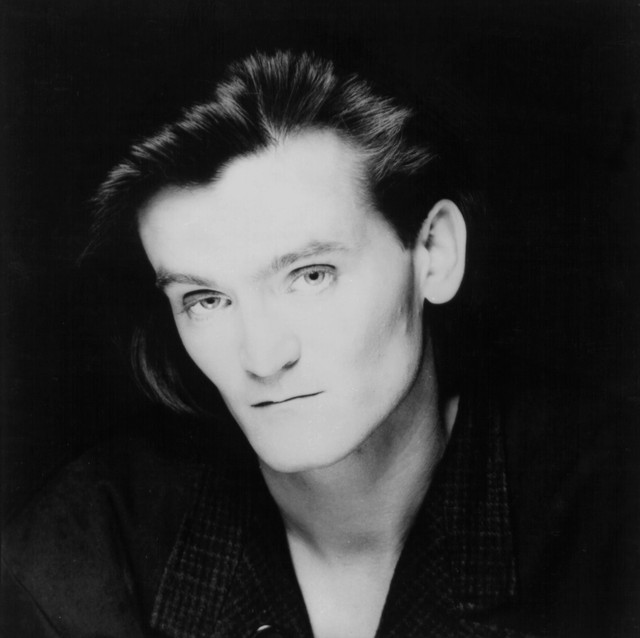
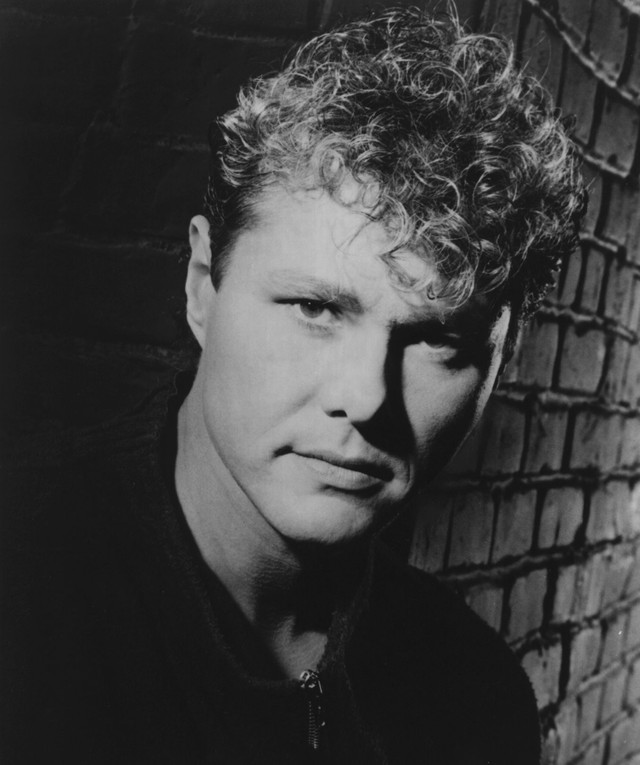
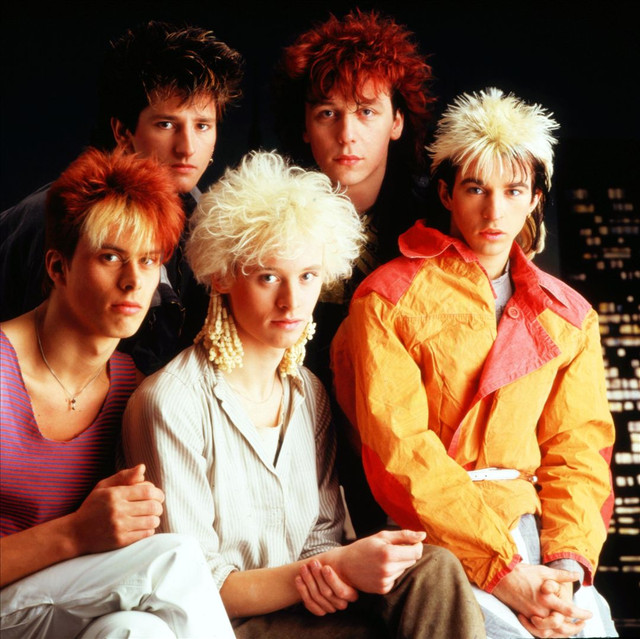
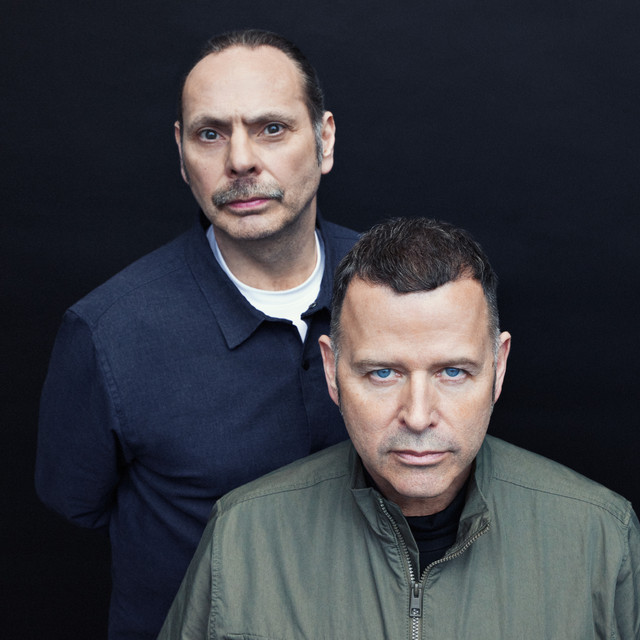
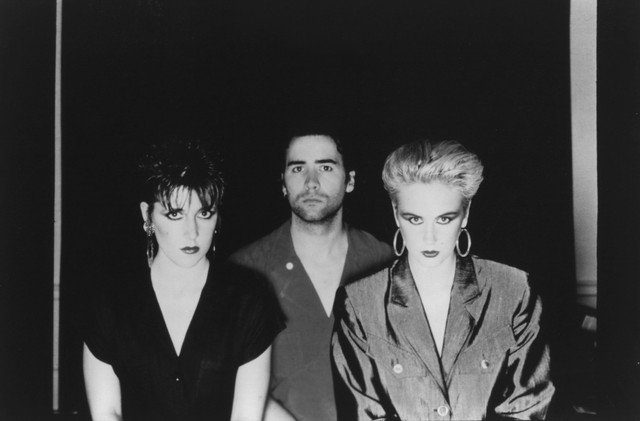
Philip Oakey's androgynous appearance and chilly baritone helped to define the look and sound of British new wave in the early '80s. While Oakey was working as a hospital porter, he was asked by former classmate <a href="spotify:artist:0g4bxJkNeoMi0rRJw5hGPV">Martyn Ware</a> and Ian Marsh to join Human League. Oakey was inexperienced and didn't own a synthesizer, an essential instrument for Human League; however, his voice and songwriting skills cemented his role in the band. In 1978, Human League released their debut single, "Being Boiled." Human League became underground favorites, but founders <a href="spotify:artist:53HPkfQRFqSSicbdJZuitU">Ware</a> and <a href="spotify:artist:5bBCKXPKYVXylk0CoL63Mc">Marsh</a> left the group in 1980 to form <a href="spotify:artist:5VgCtoaOGk1FDQZvZMdKFK">the British Electronic Foundation</a>. With Oakey at the helm and the addition of female backup vocalists Suzanne Sulley and Joanne Catherall, Human League strung together a series of worldwide hits such as "Don't You Want Me," "Mirror Man," and "(Keep Feeling) Fascination." In 1985, Oakey collaborated with producer <a href="spotify:artist:6jU2Tt13MmXYk0ZBv1KmfO">Giorgio Moroder</a> on the theme song for the film Electric Dreams; they also recorded an LP, Philip Oakey and Giorgio Moroder. A year later, the soulful ballad "Human" elevated Human League to the top of the U.S. charts, but commercial success began to elude the band after that. ~ Michael Sutton, Rovi
Monthly Listeners
790,024
Monthly Listeners History
Track the evolution of monthly listeners over the last 28 days.
Followers
18,916
Followers History
Track the evolution of followers over the last 28 days.
Top Cities
50,690 listeners

18,874 listeners

18,620 listeners
17,786 listeners

16,963 listeners