Data may be outdated
Last updated: 9 months ago — Click refresh to get the latest statistics.
Red McKenzie was virtually jazz's only comb player, putting tissue paper on a comb and making sounds on his "instrument" similar to a kazoo. McKenzie was quite effective playing his "ax," often more so than when he sang sentimental ballads. In 1924, he formed <a href="spotify:artist:7jFdXqDV7DClHi5HiEN6MZ">the Mound City Blue Blowers</a>, a trio with Jack Bland on banjo or guitar and Dick Slevin on kazoo. The group was quite popular for a few years, recording a dozen titles (two with guest <a href="spotify:artist:1wZJPrJG9p0ZkiP1sGTaS7">Frankie Trumbauer</a> and the last six with <a href="spotify:artist:0vjo776QYu8Kp1iFaIQVtF">Eddie Lang</a> making the group a quartet) during 1924-1925. McKenzie also recorded under his own name (as leader of the Candy Kids, the exact same quartet) during 1924-1925. <a href="spotify:artist:7jFdXqDV7DClHi5HiEN6MZ">The Blue Blowers</a> name was used for two classic titles ("Hello Lola" and "One Hour") in 1929, featuring <a href="spotify:artist:0JM134st8VY7Ld9T2wQiH0">Coleman Hawkins</a>, <a href="spotify:artist:61EY7PIU7wT3t3766ZTvqB">Pee Wee Russell</a>, and <a href="spotify:artist:2aAHdB5HweT3mFcRzm0swc">Glenn Miller</a>, along with the leader's comb; further <a href="spotify:artist:7jFdXqDV7DClHi5HiEN6MZ">Blue Blowers</a> titles were cut during 1931 (featuring <a href="spotify:artist:0JM134st8VY7Ld9T2wQiH0">Hawkins</a>, <a href="spotify:artist:3xPpQCRiTBxgmL4PD8J5ek">Jimmy Dorsey</a>, and <a href="spotify:artist:0u61vtGdkaLTguZ5mVxLjK">Muggsy Spanier</a>) and 1935-1936 (often with <a href="spotify:artist:5mzFDFweHwx7BZFmMtdll7">Bunny Berigan</a>). McKenzie, who recorded as a straight singer in 1931 and was with <a href="spotify:artist:1mZm40boQmdGKicfbNkd0r">Paul Whiteman</a> the following year, never did become a major name, but he did front the Spirits of Rhythm (1934) and the Farley-Riley group (1935) on record dates. He was retired during 1939-1943, but came back for a brief while, appearing on some of <a href="spotify:artist:1YaB5mqH5zlJqvJaKIsBrS">Eddie Condon</a>'s Town Hall concerts and recording a few titles during 1944-1947; by then the comb was sadly just a memory. ~ Scott Yanow, Rovi
Monthly Listeners
5,553
Monthly Listeners History
Track the evolution of monthly listeners over the last 28 days.
Followers
705
Followers History
Track the evolution of followers over the last 28 days.
Top Cities
61 listeners

58 listeners
51 listeners
44 listeners
44 listeners
Related Artists






Artie Shaw Orchestra
Ted Weems



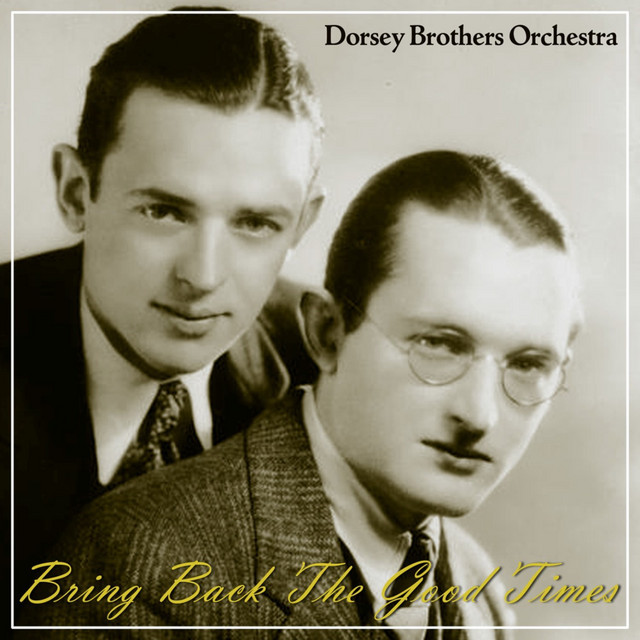
The Dorsey Brothers Orchestra
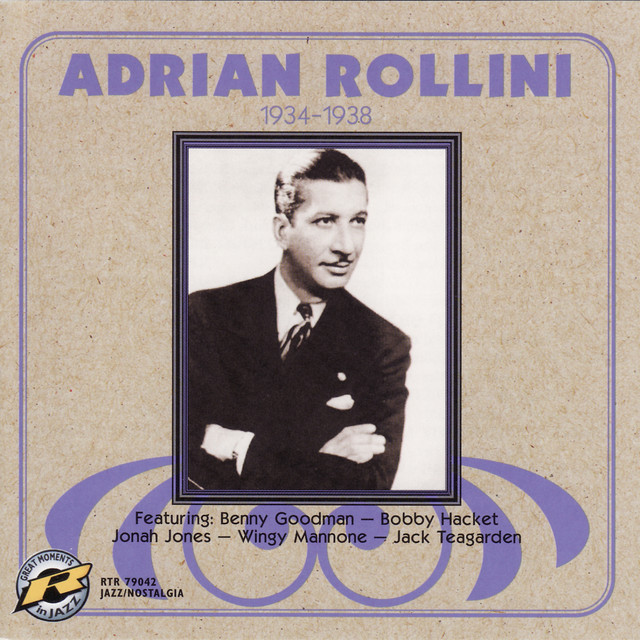
Adrian Rollini

Chick Webb Orchestra