Data may be outdated
Last updated: 2 months ago — Click refresh to get the latest statistics.
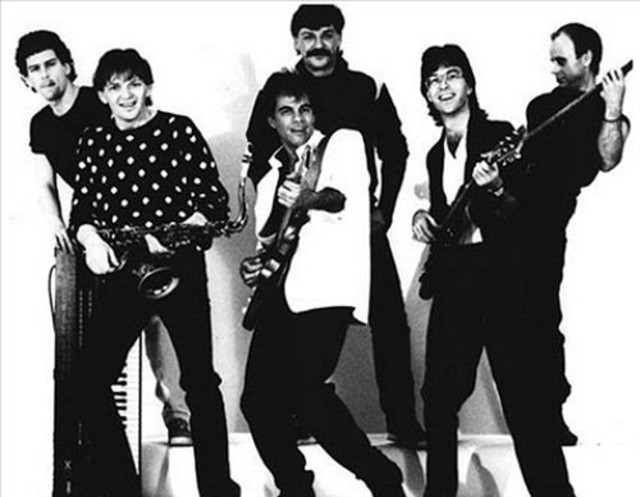
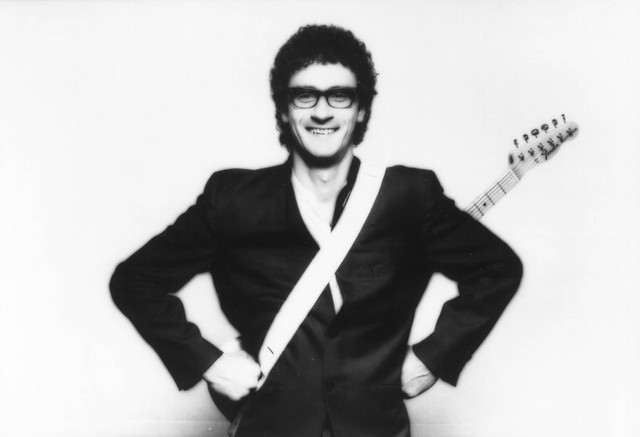
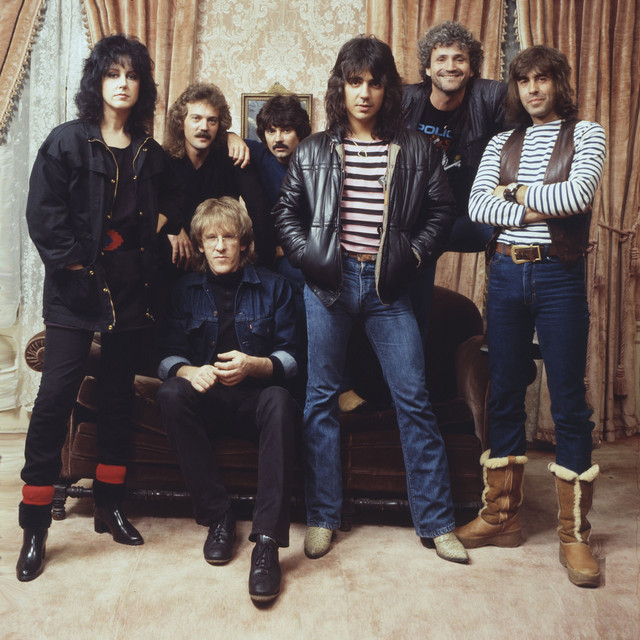
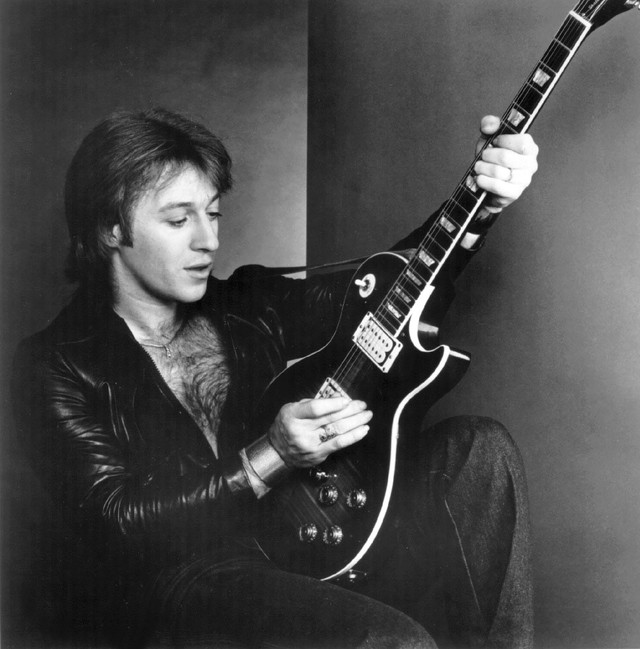
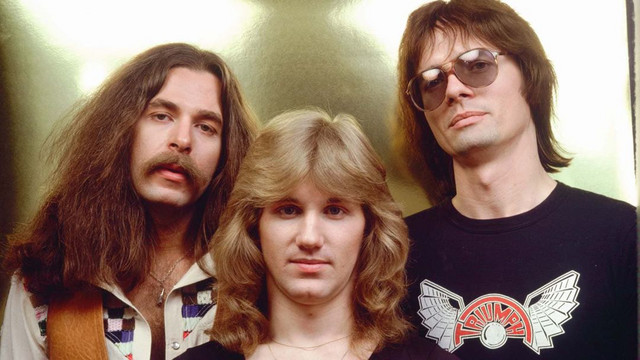
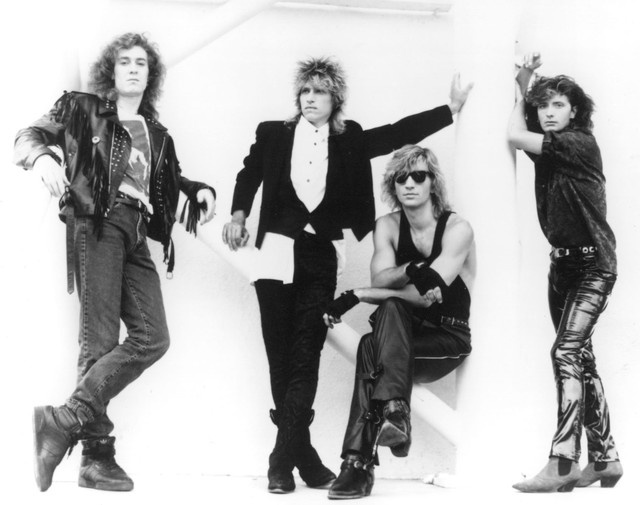
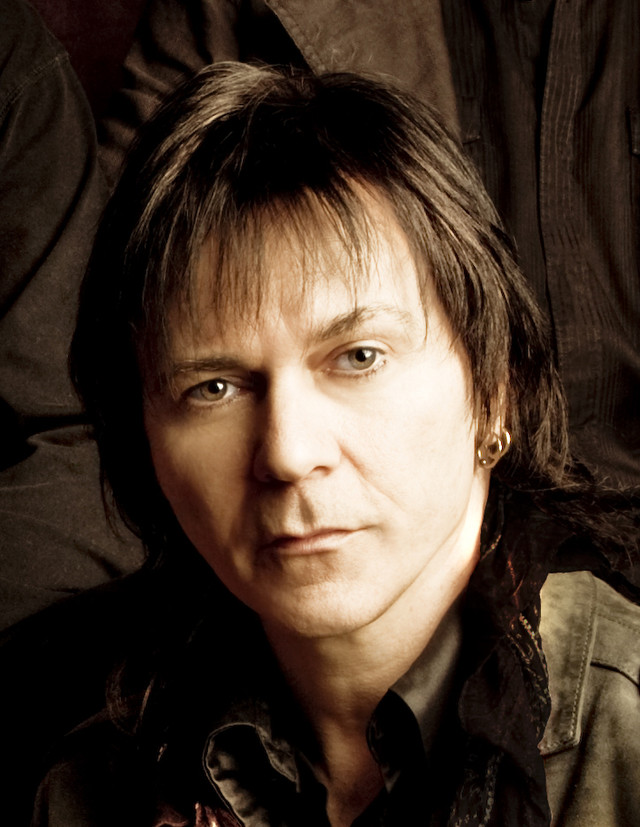
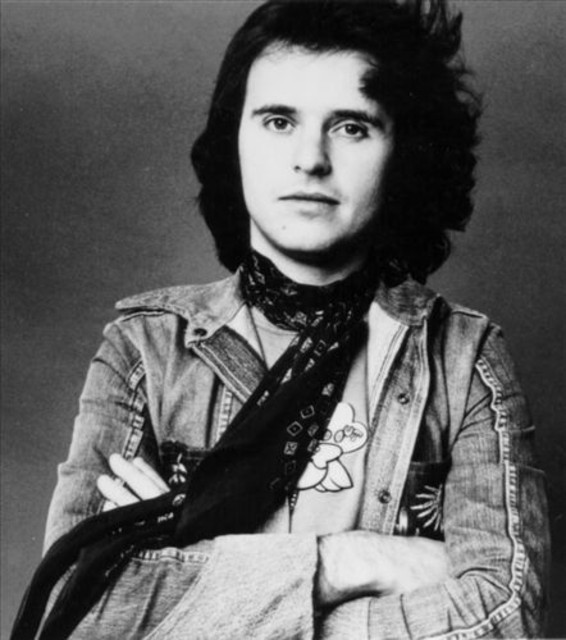
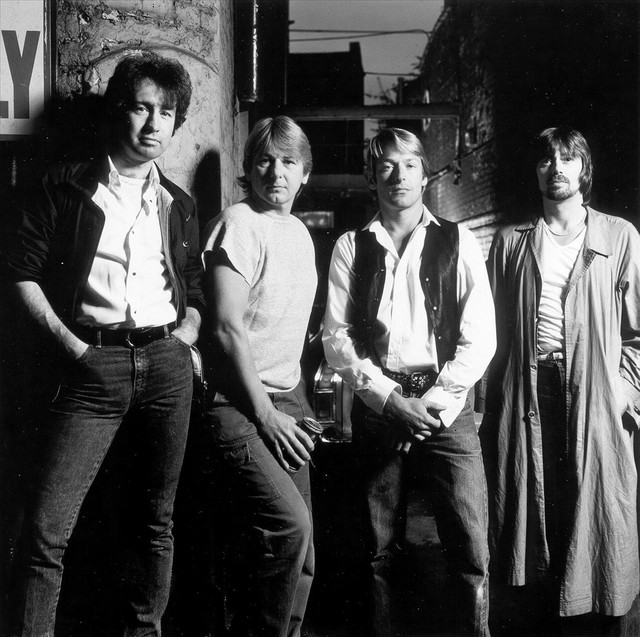
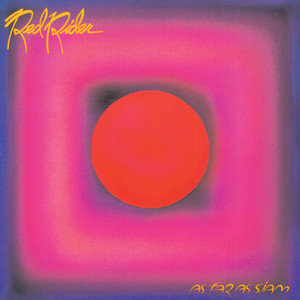
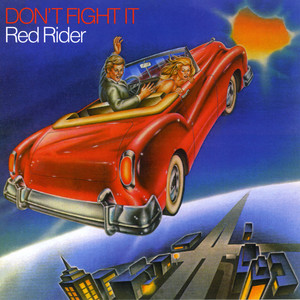
Red Rider were formed in Toronto by singer/guitarist Ken Greer, keyboardist Peter Boynton, and drummer Rob Baker in 1976. Bassist <a href="spotify:artist:4poeTFeQyXzRVo5qrc4Dak">Jeff Jones</a> soon came onboard as well, and in 1978, following a gig at Toronto's legendary El Mocambo club, they met singer/guitarist <a href="spotify:artist:5Jj4mqGYiplyowPLKkJLHt">Tom Cochrane</a>. <a href="spotify:artist:5Jj4mqGYiplyowPLKkJLHt">Cochrane</a> had previously pursued a career as a folk singer, and had even released a solo album, Hang On to Your Resistance, back in 1974 (to little success). Red Rider took <a href="spotify:artist:5Jj4mqGYiplyowPLKkJLHt">Cochrane</a> on as their frontman, although Greer had an equal hand in shaping the band's direction early on. They soon signed with Capitol Records through a connection of <a href="spotify:artist:5Jj4mqGYiplyowPLKkJLHt">Cochrane</a>'s, and issued their hit debut single, "White Hot," in late 1979. Their first album, Don't Fight It, followed in early 1980, and its title track was also a hit, helping the album go gold in Canada. Their second album, 1981's As Far as Siam, went platinum and still ranks as their most enduringly popular work. It featured the band's signature song, the Canadian chart-topper "Lunatic Fringe" (which later appeared in the film Vision Quest and the TV series Miami Vice), as well as another Canadian hit in "What Have You Got to Do (To Get Off Tonight)."
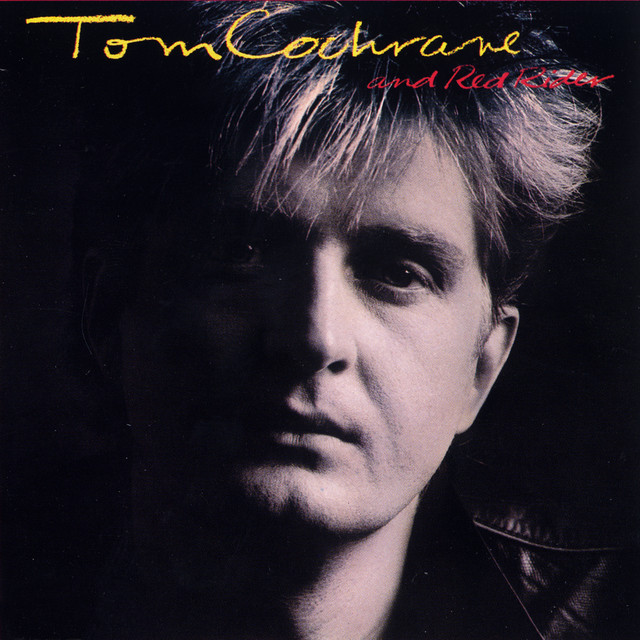
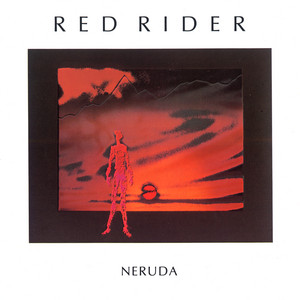
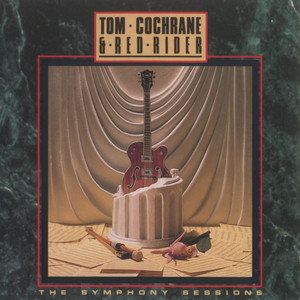
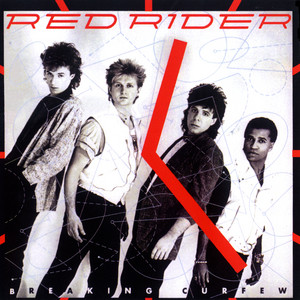
Keyboardist Boynton subsequently left the group and was replaced by Steve Sexton for the follow-up, 1983's Neruda, a prog-tinged concept album about the famed Chilean poet. Neruda spawned the band's second biggest Canadian single in "Power (Strength in Numbers)," but it still couldn't break Red Rider in the U.S. Sexton departed and was replaced by <a href="spotify:artist:2Ugl6mxuDnjr4KxR4claKS">John Webster</a> for 1984's Breaking Curfew, which found even their Canadian audience slipping a bit. Tensions were running high, and when an opening slot on <a href="spotify:artist:2Hkut4rAAyrQxRdof7FVJq">Rush</a>'s American tour failed to bring them a new audience, Red Rider temporarily disbanded. After taking a bit of time off, <a href="spotify:artist:5Jj4mqGYiplyowPLKkJLHt">Cochrane</a>, Greer, and <a href="spotify:artist:2Ugl6mxuDnjr4KxR4claKS">Webster</a> regrouped with bassist Ken "Spider" Sinnaeve and drummer Mickey Curry, and <a href="spotify:artist:5Jj4mqGYiplyowPLKkJLHt">Cochrane</a> assumed greater control of the band, billing himself out front. The eponymous Tom Cochrane & Red Rider appeared in 1986 and brought the band another Canadian hit single with "Boy Inside the Man." Victory Day followed in 1988, and <a href="spotify:artist:2Ugl6mxuDnjr4KxR4claKS">Webster</a> was gone by this point, his spot filled simply by session men. After one further outing, 1989's The Symphony Sessions (an album of old favorites recorded with <a href="spotify:artist:0Uw4uoOs9QyHP6YdR8uTCr">the Edmonton Symphony Orchestra</a>), <a href="spotify:artist:5Jj4mqGYiplyowPLKkJLHt">Cochrane</a> officially left for a solo career, and Red Rider disbanded, this time for good. <a href="spotify:artist:5Jj4mqGYiplyowPLKkJLHt">Cochrane</a> went on to score a massive solo hit -- in America -- with the Top Five smash "Life Is a Highway" in 1992. ~ Steve Huey, Rovi
Monthly Listeners
674,518
Monthly Listeners History
Track the evolution of monthly listeners over the last 28 days.
Followers
118,530
Followers History
Track the evolution of followers over the last 28 days.
Total Streams
84.6 million
Total Streams History
Track the evolution of total streams over the last 28 days. This data is calculated from all tracks listed in the artist's discography.
Top Cities


Related Artists