Genre
classic rock
Top Classic rock Artists
Showing 25 of 156 artists








About Classic rock
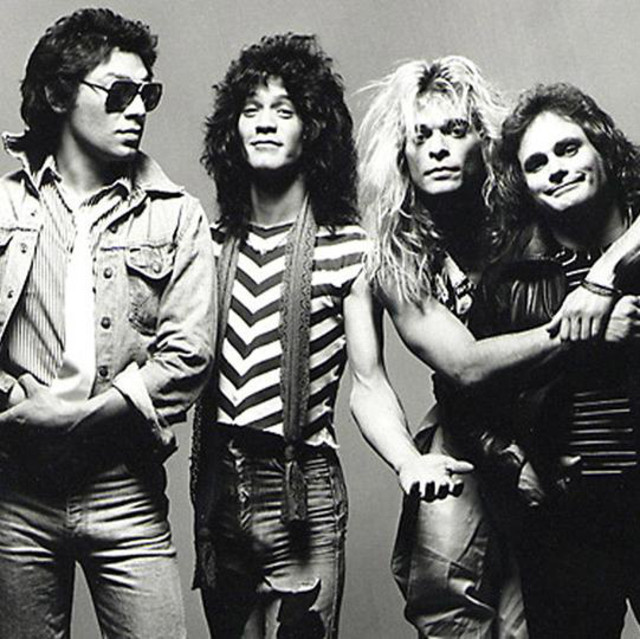
Classic rock is not a fixed sonic blueprint but a broad umbrella for the electric, guitar‑driven rock that dominated the late 1960s through the 1980s and into the early 1990s. Its roots lie in blues‑based rock, folk, and psychedelic exploration, while its signature currency remains riffs, memorable hooks, and virtuosic playing. The genre emerged in a period of rapid musical invention in the United States and the United Kingdom, where bands pushed beyond the constraints of early rock and roll to create longer songs, ambitious studio experiments, and theater‑like live performances.
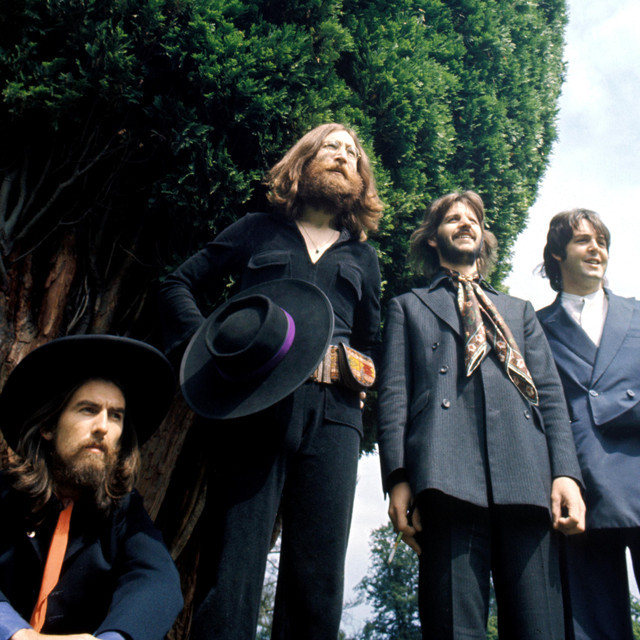
In the late 1960s and early 1970s, artists such as The Beatles and The Rolling Stones helped expand rock’s appeal with lush arrangements and melodic versatility, while Led Zeppelin fused blues, folk, and metal‑leaning power into a new dynamic. Pink Floyd explored immersive concept albums and experimental sound design, and The Who delivered explosive, large‑scale live shows. Jimi Hendrix transformed the electric guitar into a narrative voice, expanding the expressive range of rock. From there, acts such as Queen, Deep Purple, Fleetwood Mac, Eagles, Lynyrd Skynyrd, AC/DC, and more became ambassadors of classic rock, each adding color to the spectrum.
The discography associated with classic rock is rich and varied. Albums such as Abbey Road, Led Zeppelin IV, Dark Side of the Moon, Who’s Next, Frampton Comes Alive, Animals, Hotel California, and Back in Black are touchstones that illustrate the movement’s breadth: studio craftsmanship, concept‑driven pieces, and the marriage of pop accessibility with musical ambition. The genre’s appetite for guitar‑led dynamics gave the world the power ballad, the riff‑driven stomp, and the long‑form epic, all of which became staples of rock radio and concert culture for decades.
Geographically, classic rock enjoyed its deepest penetration in the United States and the United Kingdom, where radio formats, popular culture, and festival ecosystems perpetuated the sound. It also found enthusiastic audiences across Europe, Australia, Canada, and parts of Latin America and Asia, often through legacy media, reissues, and streaming playlists that introduce new listeners to the canon. The genre’s enduring appeal lies in its emphasis on craft and performance: a guitarist’s solo that tells a story, a vocalist with a distinctive timbre, a rhythm section that locks in with a swaggering groove, and songs that invite audience participation.
Today, classic rock remains a living tradition: it informs contemporary rock in subtle ways, continually finds new devotees through curated radio, vinyl reissues, and festival culture, and preserves a legacy of an era when the guitar was king, but the song was kingmaker first. Many artists who started in the classic era continued to shape popular music into the 1980s and beyond, while bands in the 1990s and 2000s drew on its vocabulary to craft modern rock that still honors the past. The radio formats and the vinyl revival keep these albums audible to new generations, while streaming playlists curate timeless triggers of nostalgia and discovery. Classic rock also absorbed subgenres such as arena rock, hard rock, southern rock, and progressive‑adjacent acts that emphasize melody and musicianship.
In the late 1960s and early 1970s, artists such as The Beatles and The Rolling Stones helped expand rock’s appeal with lush arrangements and melodic versatility, while Led Zeppelin fused blues, folk, and metal‑leaning power into a new dynamic. Pink Floyd explored immersive concept albums and experimental sound design, and The Who delivered explosive, large‑scale live shows. Jimi Hendrix transformed the electric guitar into a narrative voice, expanding the expressive range of rock. From there, acts such as Queen, Deep Purple, Fleetwood Mac, Eagles, Lynyrd Skynyrd, AC/DC, and more became ambassadors of classic rock, each adding color to the spectrum.
The discography associated with classic rock is rich and varied. Albums such as Abbey Road, Led Zeppelin IV, Dark Side of the Moon, Who’s Next, Frampton Comes Alive, Animals, Hotel California, and Back in Black are touchstones that illustrate the movement’s breadth: studio craftsmanship, concept‑driven pieces, and the marriage of pop accessibility with musical ambition. The genre’s appetite for guitar‑led dynamics gave the world the power ballad, the riff‑driven stomp, and the long‑form epic, all of which became staples of rock radio and concert culture for decades.
Geographically, classic rock enjoyed its deepest penetration in the United States and the United Kingdom, where radio formats, popular culture, and festival ecosystems perpetuated the sound. It also found enthusiastic audiences across Europe, Australia, Canada, and parts of Latin America and Asia, often through legacy media, reissues, and streaming playlists that introduce new listeners to the canon. The genre’s enduring appeal lies in its emphasis on craft and performance: a guitarist’s solo that tells a story, a vocalist with a distinctive timbre, a rhythm section that locks in with a swaggering groove, and songs that invite audience participation.
Today, classic rock remains a living tradition: it informs contemporary rock in subtle ways, continually finds new devotees through curated radio, vinyl reissues, and festival culture, and preserves a legacy of an era when the guitar was king, but the song was kingmaker first. Many artists who started in the classic era continued to shape popular music into the 1980s and beyond, while bands in the 1990s and 2000s drew on its vocabulary to craft modern rock that still honors the past. The radio formats and the vinyl revival keep these albums audible to new generations, while streaming playlists curate timeless triggers of nostalgia and discovery. Classic rock also absorbed subgenres such as arena rock, hard rock, southern rock, and progressive‑adjacent acts that emphasize melody and musicianship.