Data may be outdated
Last updated: 9 months ago — Click refresh to get the latest statistics.
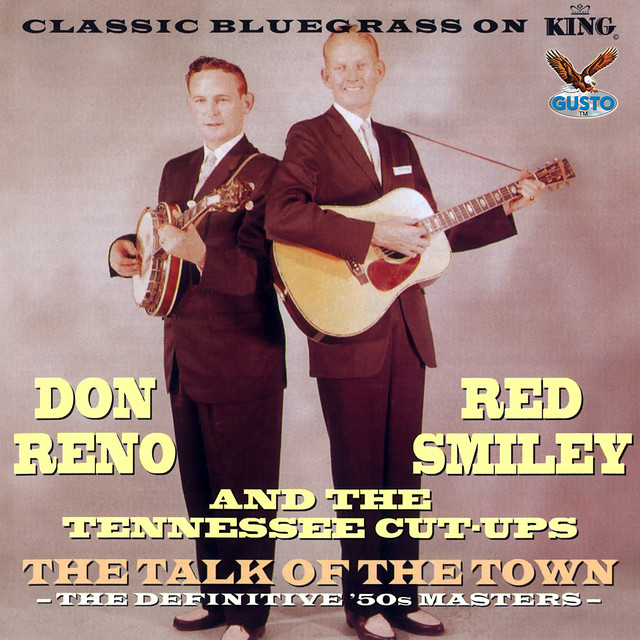
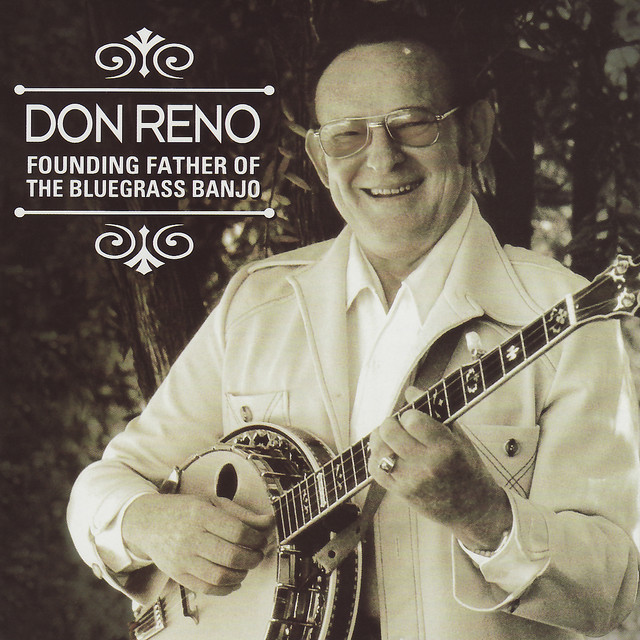
<a href="spotify:artist:7rB502Ec9wP6wZQxhztkM7">Don Reno</a>, <a href="spotify:artist:3vyQlMO8FNKcuPUuXqoOIp">Red Smiley</a>, and the Tennessee Cut-Ups were a bluegrass band of such high quality that they gave serious competition to <a href="spotify:artist:1iNNWK8bYjc5EK0waLk1J1">Flatt & Scruggs</a> in the '50s. <a href="spotify:artist:7rB502Ec9wP6wZQxhztkM7">Reno</a>, an unsurpassed master of the banjo, played for <a href="spotify:artist:5CWbfANRpZbnxdstzcNg5H">Bill Monroe</a> in 1948, replacing <a href="spotify:artist:4NEA48c6ajydrRzCbyll3M">Earl Scruggs</a>. With a smooth and mellow baritone, <a href="spotify:artist:3vyQlMO8FNKcuPUuXqoOIp">Smiley</a> made a perfect partner to <a href="spotify:artist:7rB502Ec9wP6wZQxhztkM7">Reno</a>, singing lead to his high harmony part. <a href="spotify:artist:7rB502Ec9wP6wZQxhztkM7">Reno</a>'s incredible talent carried over to guitar playing and songwriting. Among his compositions are the exquisite "Emotions" as well as "Feuding Banjos," the unforgettable song in the film Deliverance, co-written with <a href="spotify:artist:7qA8ExDrbaGyGXI65rVzQm">Arthur "Guitar Boogie" Smith</a>. You don't know the five-string banjo if you haven't heard <a href="spotify:artist:7rB502Ec9wP6wZQxhztkM7">Reno</a>.
<a href="spotify:artist:7rB502Ec9wP6wZQxhztkM7">Reno</a> and <a href="spotify:artist:3vyQlMO8FNKcuPUuXqoOIp">Smiley</a> both grew up in different rural sections of North Carolina and both played with <a href="spotify:artist:1xYJF25hIWbtSj6mcrNXTP">the Morris Brothers</a> at different times in their formative early years. After both men served in separate divisions of the Army during World War II, and after they were discharged they played in a variety of country bands -- <a href="spotify:artist:7rB502Ec9wP6wZQxhztkM7">Reno</a> even did a stint with <a href="spotify:artist:5CWbfANRpZbnxdstzcNg5H">Monroe</a> after <a href="spotify:artist:4NEA48c6ajydrRzCbyll3M">Scruggs</a> left the Blue Grass Boys in 1948 -- before they met each other in December 1949. Both musicians were recruited by fiddler Tommy Magness to play in his band the Tennessee Buddies. In the summer of 1950, the pair began playing duets together. After cutting a few singles with Magness for King Records (which were eventually released on Federal) in the spring of 1951, they left the fiddler and began working with <a href="spotify:artist:1tNmSqLKdYy4QPUJbvS8U9">Toby Stroud</a>'s Blue Mountain Boys in Roanoke, VA. In the fall of that year, the pair finally formed their own band, the Tennessee Cut-Ups.
Initially, Reno & Smiley found it difficult to land jobs in Virginia and South Carolina. Nevertheless, they cut several sides for King early in 1952. Before those singles were issued, the duo had already split up, simply because they couldn't find work. Once the records did appear, they sold fairly well, and King's owner, Syd Nathan, convinced the duo to continue recording, even if they weren't actively performing. For the next three years, they made assorted records for King while <a href="spotify:artist:7rB502Ec9wP6wZQxhztkM7">Reno</a> played with <a href="spotify:artist:7qA8ExDrbaGyGXI65rVzQm">Arthur "Guitar Boogie" Smith</a> and <a href="spotify:artist:3vyQlMO8FNKcuPUuXqoOIp">Smiley</a> worked as a mechanic. On the first batch of recordings, they were supported by musicians like Jimmy Lunsford and Tommy Faile. By November 1954, they were allowed to use their longtime backing musicians, fiddler Mack Magaha and bassist John Palmer.
In the spring of 1955, Reno & Smiley reunited as a performing duo and soon landed a regular gig on WRVA's Old Dominion Barn Dance. Within a year, they were secured a daily morning television show in Roanoke as well as various shows for a station in Harrisonburg, VA. The pair made a handful of recordings for Dot in 1957, but they continued their relationship with King until 1964, recording a wealth of material.
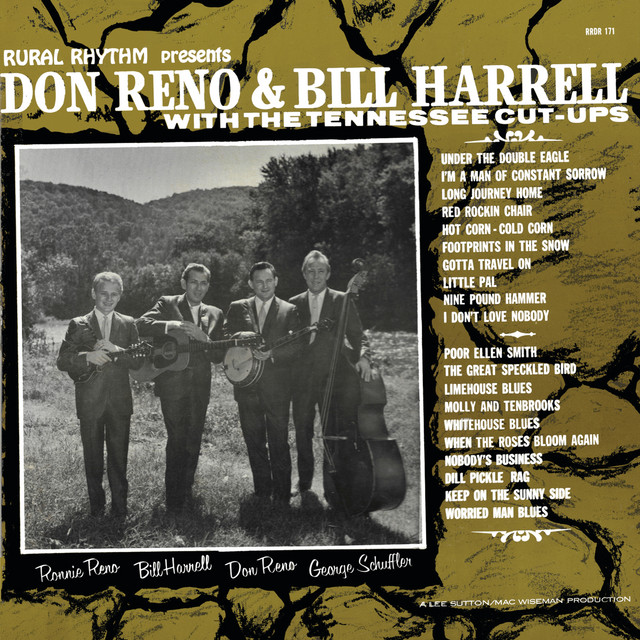
At the end of 1964, Reno & Smiley parted ways. <a href="spotify:artist:3vyQlMO8FNKcuPUuXqoOIp">Smiley</a> had been slowly suffering from diabetes and no longer wanted to travel; consequently, he continued to do the television show in Roanoke, but only occasionally toured. By spring 1968, he had completely retired. <a href="spotify:artist:7rB502Ec9wP6wZQxhztkM7">Reno</a> played with a few bands before teaming up with <a href="spotify:artist:5pJsZK3VaSayBIVHuyAQHQ">Bill Harrell</a> in 1966 -- <a href="spotify:artist:5pJsZK3VaSayBIVHuyAQHQ">Harrell</a> would be his first true partner since <a href="spotify:artist:3vyQlMO8FNKcuPUuXqoOIp">Smiley</a>, but he wouldn't be his last. For nearly two decades, <a href="spotify:artist:7rB502Ec9wP6wZQxhztkM7">Reno</a> remained active in the bluegrass community, cutting numerous records and playing with a variety of collaborators. ~ Stephen Thomas Erlewine & David Vinopal, Rovi
<a href="spotify:artist:7rB502Ec9wP6wZQxhztkM7">Reno</a> and <a href="spotify:artist:3vyQlMO8FNKcuPUuXqoOIp">Smiley</a> both grew up in different rural sections of North Carolina and both played with <a href="spotify:artist:1xYJF25hIWbtSj6mcrNXTP">the Morris Brothers</a> at different times in their formative early years. After both men served in separate divisions of the Army during World War II, and after they were discharged they played in a variety of country bands -- <a href="spotify:artist:7rB502Ec9wP6wZQxhztkM7">Reno</a> even did a stint with <a href="spotify:artist:5CWbfANRpZbnxdstzcNg5H">Monroe</a> after <a href="spotify:artist:4NEA48c6ajydrRzCbyll3M">Scruggs</a> left the Blue Grass Boys in 1948 -- before they met each other in December 1949. Both musicians were recruited by fiddler Tommy Magness to play in his band the Tennessee Buddies. In the summer of 1950, the pair began playing duets together. After cutting a few singles with Magness for King Records (which were eventually released on Federal) in the spring of 1951, they left the fiddler and began working with <a href="spotify:artist:1tNmSqLKdYy4QPUJbvS8U9">Toby Stroud</a>'s Blue Mountain Boys in Roanoke, VA. In the fall of that year, the pair finally formed their own band, the Tennessee Cut-Ups.
Initially, Reno & Smiley found it difficult to land jobs in Virginia and South Carolina. Nevertheless, they cut several sides for King early in 1952. Before those singles were issued, the duo had already split up, simply because they couldn't find work. Once the records did appear, they sold fairly well, and King's owner, Syd Nathan, convinced the duo to continue recording, even if they weren't actively performing. For the next three years, they made assorted records for King while <a href="spotify:artist:7rB502Ec9wP6wZQxhztkM7">Reno</a> played with <a href="spotify:artist:7qA8ExDrbaGyGXI65rVzQm">Arthur "Guitar Boogie" Smith</a> and <a href="spotify:artist:3vyQlMO8FNKcuPUuXqoOIp">Smiley</a> worked as a mechanic. On the first batch of recordings, they were supported by musicians like Jimmy Lunsford and Tommy Faile. By November 1954, they were allowed to use their longtime backing musicians, fiddler Mack Magaha and bassist John Palmer.
In the spring of 1955, Reno & Smiley reunited as a performing duo and soon landed a regular gig on WRVA's Old Dominion Barn Dance. Within a year, they were secured a daily morning television show in Roanoke as well as various shows for a station in Harrisonburg, VA. The pair made a handful of recordings for Dot in 1957, but they continued their relationship with King until 1964, recording a wealth of material.
At the end of 1964, Reno & Smiley parted ways. <a href="spotify:artist:3vyQlMO8FNKcuPUuXqoOIp">Smiley</a> had been slowly suffering from diabetes and no longer wanted to travel; consequently, he continued to do the television show in Roanoke, but only occasionally toured. By spring 1968, he had completely retired. <a href="spotify:artist:7rB502Ec9wP6wZQxhztkM7">Reno</a> played with a few bands before teaming up with <a href="spotify:artist:5pJsZK3VaSayBIVHuyAQHQ">Bill Harrell</a> in 1966 -- <a href="spotify:artist:5pJsZK3VaSayBIVHuyAQHQ">Harrell</a> would be his first true partner since <a href="spotify:artist:3vyQlMO8FNKcuPUuXqoOIp">Smiley</a>, but he wouldn't be his last. For nearly two decades, <a href="spotify:artist:7rB502Ec9wP6wZQxhztkM7">Reno</a> remained active in the bluegrass community, cutting numerous records and playing with a variety of collaborators. ~ Stephen Thomas Erlewine & David Vinopal, Rovi
Monthly Listeners
5,348
Monthly Listeners History
Track the evolution of monthly listeners over the last 28 days.
Followers
6,074
Followers History
Track the evolution of followers over the last 28 days.
Top Cities
143 listeners
97 listeners
92 listeners
77 listeners
68 listeners
Related Artists
Cliff Waldron
The Nashville Grass
Lost and Found
Jimmy Martin & The Sunny Mountain Boys
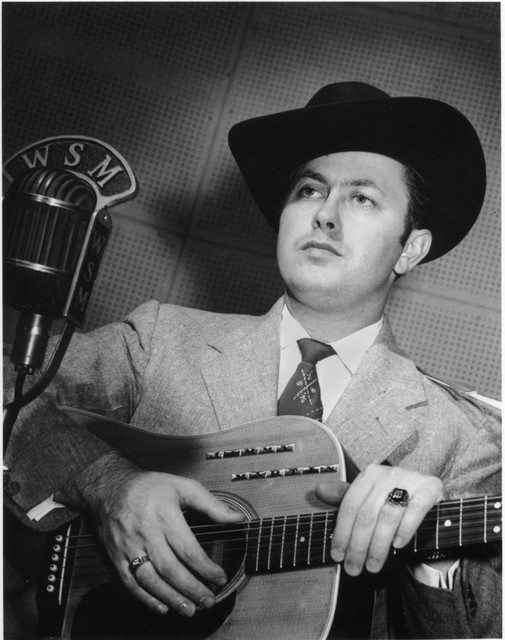

The Sunny Mountain Boys
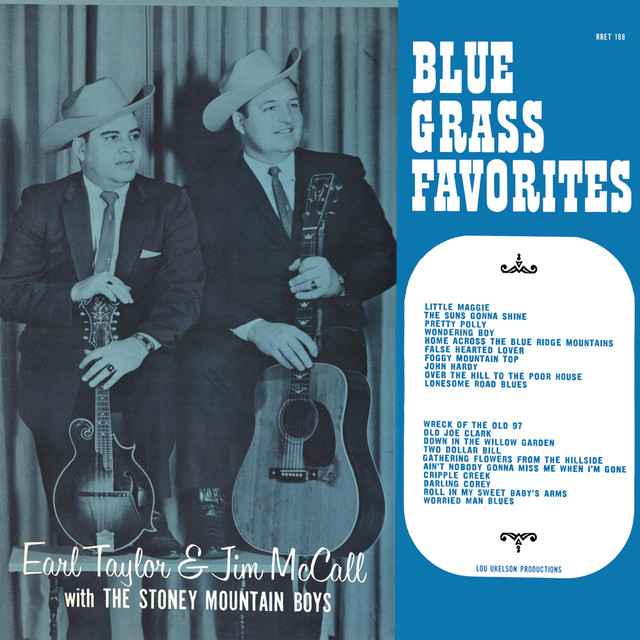
Earl Taylor
The Stoney Mountain Boys
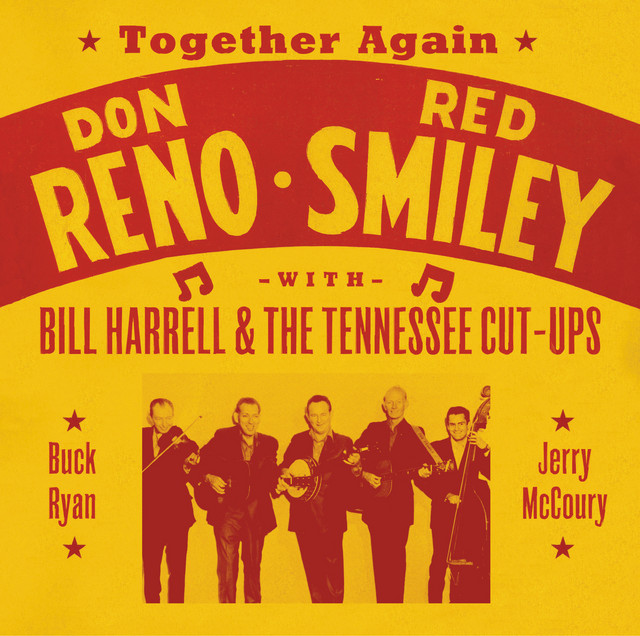
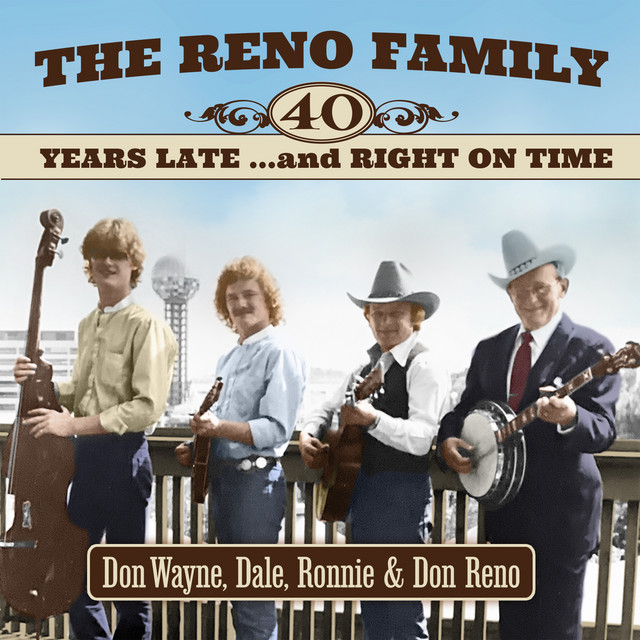
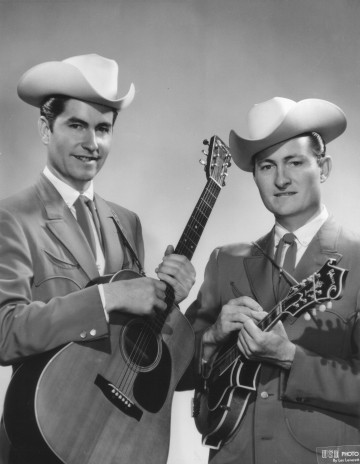
The Reno Brothers
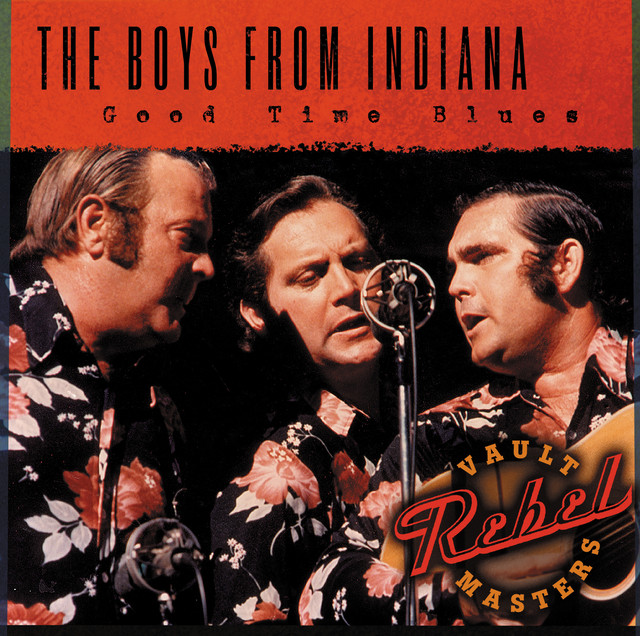
The Boys From Indiana
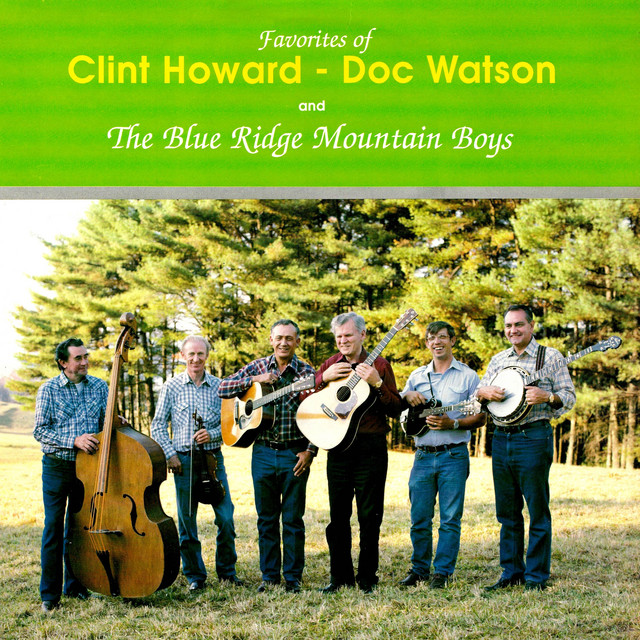
Clint Howard
The Reno Family
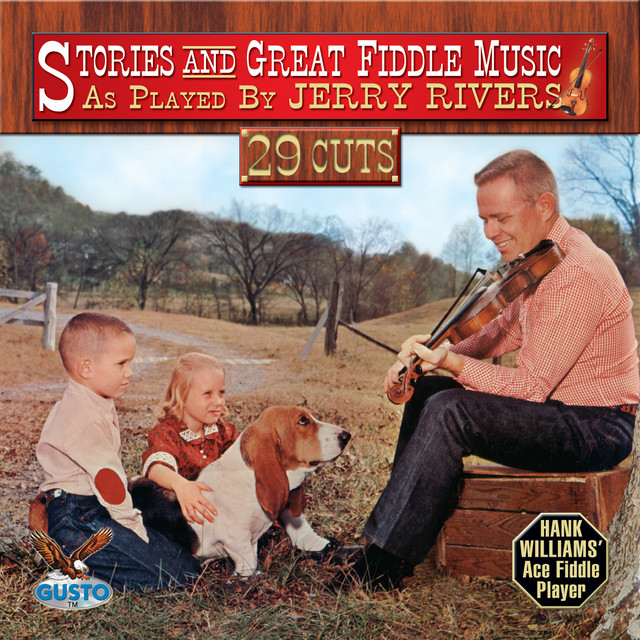
Jerry Rivers
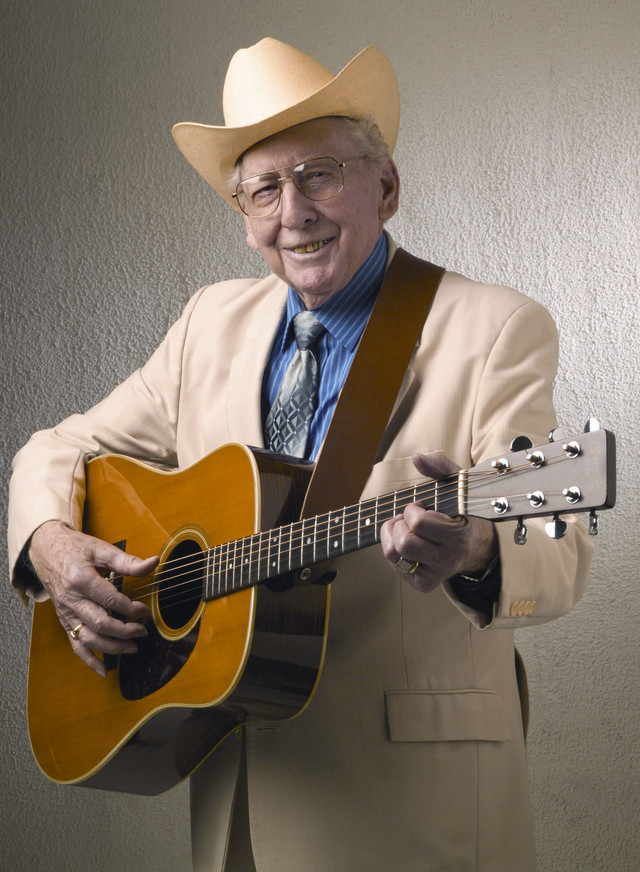
Curly Seckler

Hylo Brown

Lilly Brothers
Ralph Stanley II
The Lonesome Pine Fiddlers
Frank Wakefield
The Stonemans

Jim Greer & The Mac-O-Chee Valley Folks

Joe Val & The New England Bluegrass Boys
Longview
Jack Cooke

River Bend

Dave Evans
