
Data may be outdated
Last updated: 9 months ago — Click refresh to get the latest statistics.
The Monroe Brothers began as a trio of Birch, Charlie, and <a href="spotify:artist:5CWbfANRpZbnxdstzcNg5H">Bill Monroe</a> on fiddle, guitar and mandolin respectively, performing square dance songs as well as traditional and gospel numbers. In 1932, <a href="spotify:artist:2GYDdjFOEdHrdLh50r5iFQ">Bill</a> and Charlie began touring professionally with the WLS touring company as dancers, appearing with <a href="spotify:artist:48DbQNUj1qitHuw2cLgNph">the Hoosier Hot Shots</a> and <a href="spotify:artist:56tggwKsz5OqCDf1i0Str9">Red Foley</a> among others, and in 1934 secured the sponsorship of the Texas Crystals Company, a manufacturer of laxatives. The association provided the Monroes with a steady stream of radio work for over a year until competing laxative maker Crazy Water Crystals took over sponsorship of the duo while they continued working on many of the same stations. The radio appearances made the Monroe Brothers a popular live act, which prompted the interest of RCA to recording the two. In mid-February the Monroe Brothers made their first recordings for RCA's Bluebird imprint, and went on to wax 60 sides in the following two years. Their music at this point was firmly within the brother duo tradition and exhibited only hints of the style <a href="spotify:artist:5CWbfANRpZbnxdstzcNg5H">Bill Monroe</a> would later pioneer as the Father of Bluegrass. They were set apart from other harmony duos by <a href="spotify:artist:2GYDdjFOEdHrdLh50r5iFQ">Bill</a>'s piercing harmonies and mandolin leads, as well as the energy and often fast tempos of their performances. The very use of the mandolin as a lead instrument would revolutionize its application in country music, as would Bill's unique fiddle-influenced style. It would be silly to label them the "rock & roll of the '30s," but certainly there was an excitement and an edge to their music that put them on the frontier of hillbilly innovation in their day. In early 1938, <a href="spotify:artist:2GYDdjFOEdHrdLh50r5iFQ">Bill</a> and Charlie parted ways due to personality conflicts and business disagreements, and each formed his own band shortly thereafter. Charlie formed a group called the Kentucky Pardners, and by 1941 (after a short stint with a band called the Kentuckians and an abortive attempt at recreating the Monroe Brothers sound with partner Cleo Davis) <a href="spotify:artist:5CWbfANRpZbnxdstzcNg5H">Bill Monroe</a> was recording again for RCA with a band he named <a href="spotify:artist:64vAECmFoB6mi7n1zTRwR8">the Blue Grass Boys</a>. In this new group, Monroe built upon his earlier innovations and developed the distinctive and enduring style that came to be known as bluegrass. ~ Greg Adams, Rovi
Monthly Listeners
4,592
Monthly Listeners History
Track the evolution of monthly listeners over the last 28 days.
Followers
5,659
Followers History
Track the evolution of followers over the last 28 days.
Top Cities
85 listeners

82 listeners
67 listeners
60 listeners
58 listeners
Related Artists
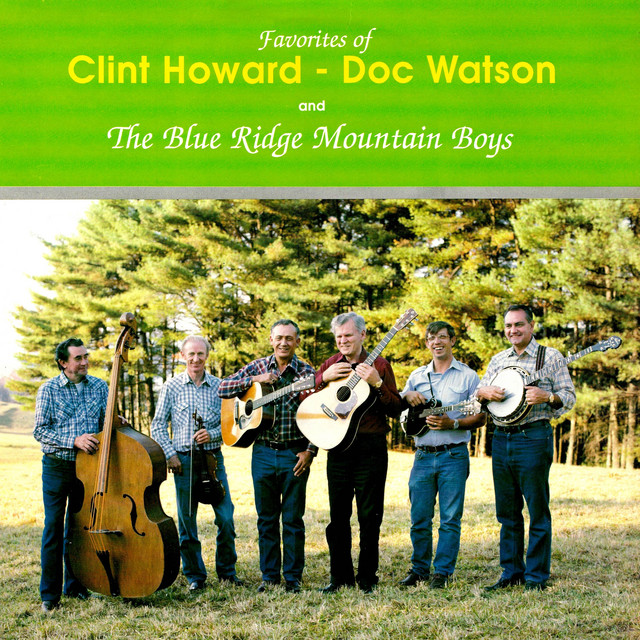
Clint Howard
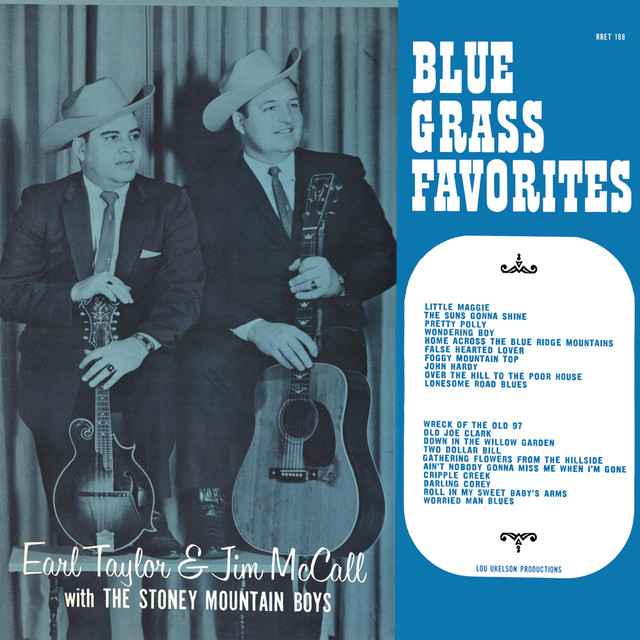
Earl Taylor
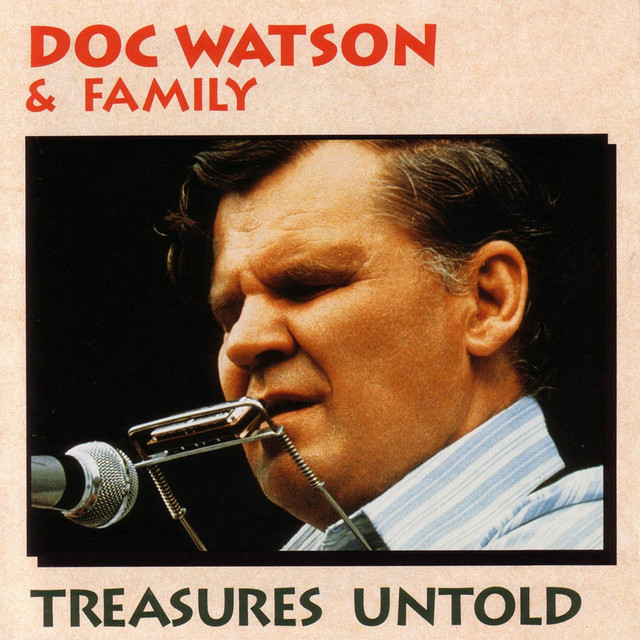
Doc Watson Family
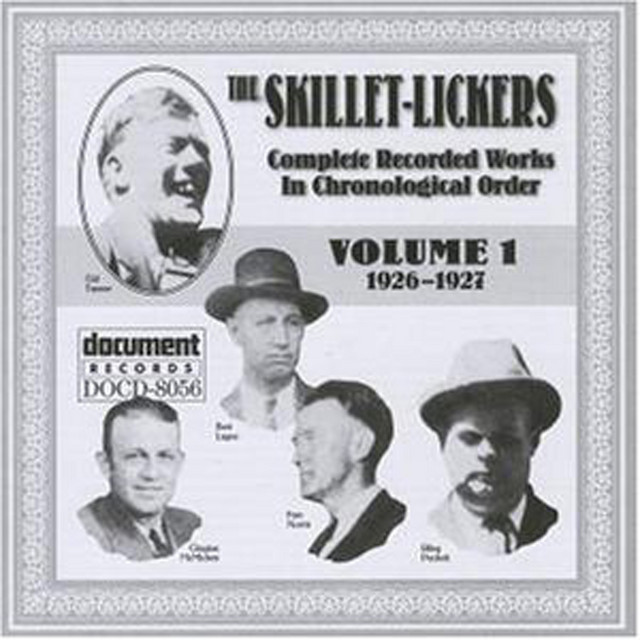
The Skillet-Lickers
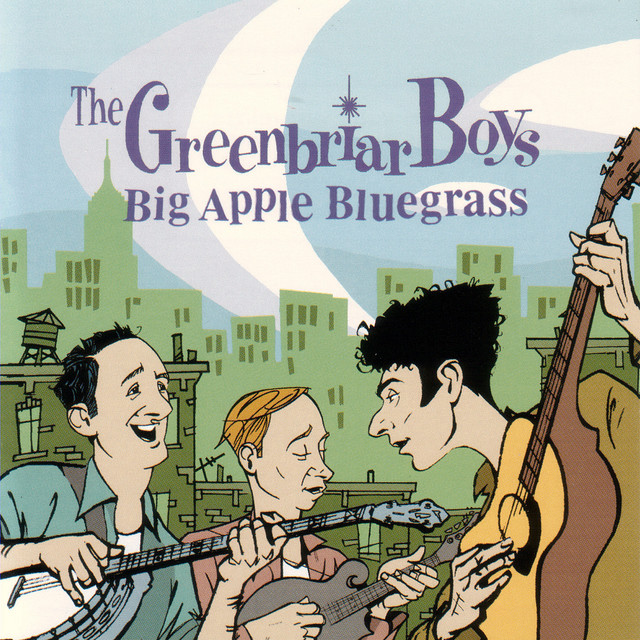
Greenbriar Boys

The Lilly Brothers & Don Stover

J.E. Mainer's Mountaineers

Fiddlin' Arthur Smith

The Virginia Mountain Boys

Glen Neaves

Lilly Brothers

The Phipps Family

J. E Mainer's Mountaineers
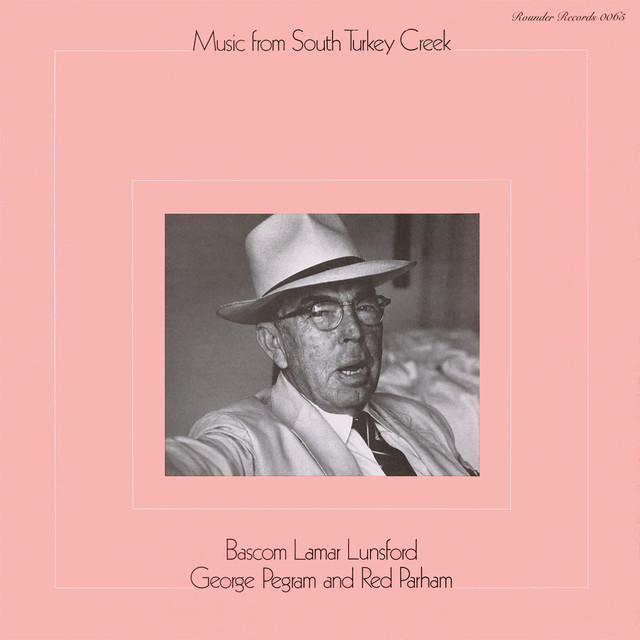
George Pegram

Whitter
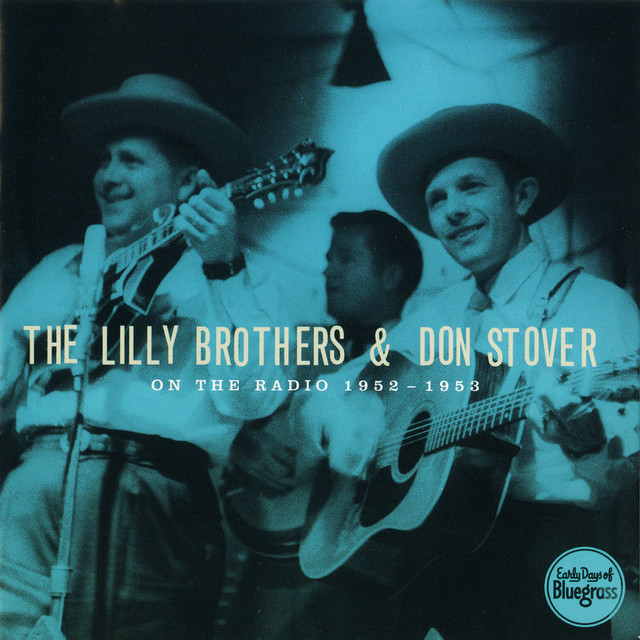
The Lilly Brothers
Ivor Melton
Burl Kilby
Grayson
Jack Burchett
Grayson & Whitter

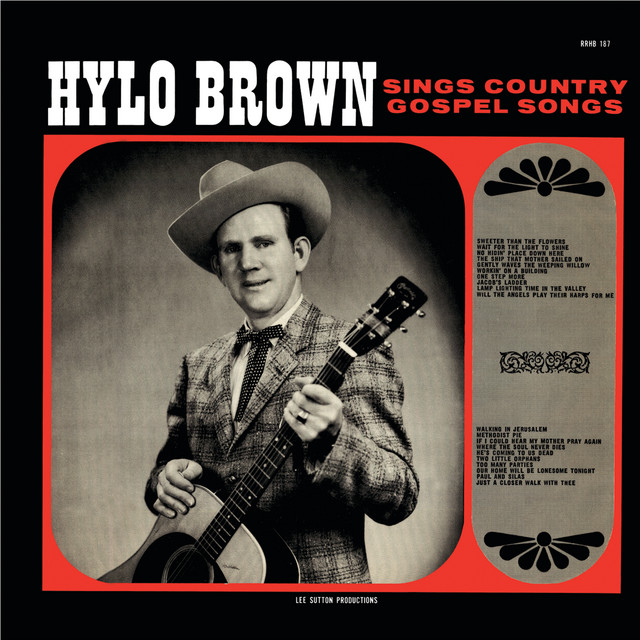
Hylo Brown & The Timberliners

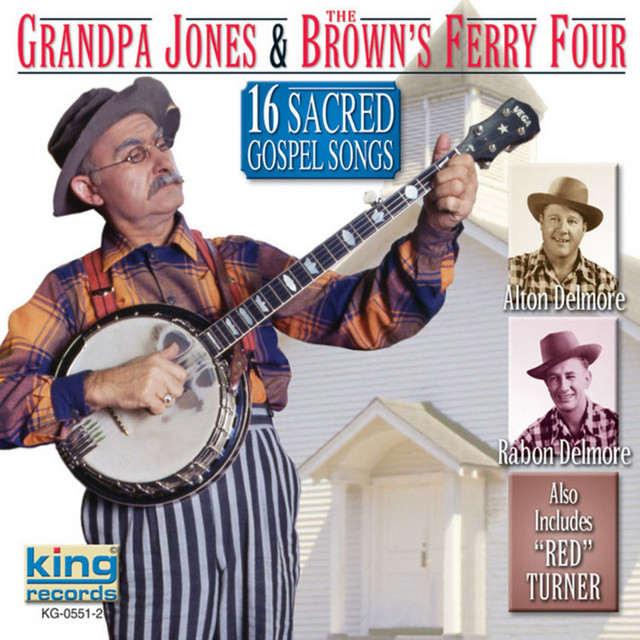
Brown's Ferry Four
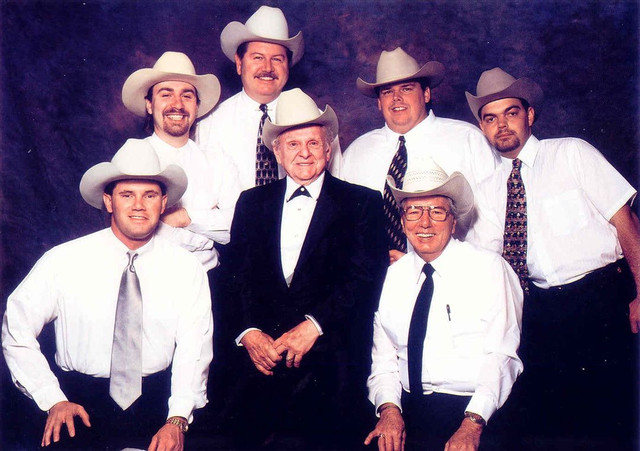
Ralph Stanley & The Clinch Mountain Boys

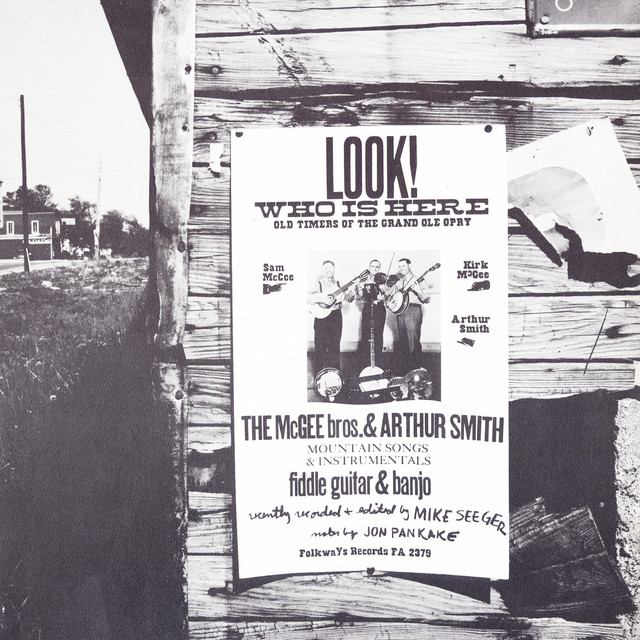
The McGee Brothers

Ernest V. Stoneman
