Data may be outdated
Last updated: 2 months ago — Click refresh to get the latest statistics.
The Coast Guard led to Maxwell's first real break as a popular harpist, meaning a ham of a performer. His commanding officer, <a href="spotify:artist:1HQEVO4UcNxifjZU4KfyXP">Rudy Vallée</a>, arranged tours for Maxwell where he performed for servicemen. From this experience, he learned solo-performance presence and ways to make his instrument seem less dainty and cherub-bound. At this time, he entered a contest at radio station KFI in Los Angeles and was awarded second prize, even though he missed the finals.
Maxwell's list of radio show credits, film appearances (probably all MGM), and television performances is extensive, as are his engagements in hotels and theaters. He appeared on the television shows of <a href="spotify:artist:4lsFzPLv38WeKu4Hg4eHRc">Milton Berle</a>, <a href="spotify:artist:3AqbUi4ZK5Ob31JYFS9aTr">Bob Hope</a>, and <a href="spotify:artist:2rH1CJFxmE95kdAj70sa8N">Morton Downey</a>, as well as the Cavalcade of Stars. He was also the summer replacement for <a href="spotify:artist:1Mxqyy3pSjf8kZZL4QVxS0">Frank Sinatra</a> on CBS. With his harp rigged out in electric lights, he must have been impressive.
His music was distinguished by the clever use of novel effects, but rarely with overwhelming gimmickery or cheesiness. His use of overdubs (multi-tracking) was artful, and comic effects were plentiful. Indeed, although classical and many other musical forms were in his repertoire, it was Maxwell's feel for pop tunes that quite naturally made him popular.
When Maxwell arranged, he always tried something new. For really well-worn old chestnuts, he would pump up the beat, often with something sounding much like rock. He composed "Ebb Tide" and "Shangri-La," two major exotic standards. Maxwell himself recorded several versions of each throughout his career. ~ Tony Wilds, Rovi
Monthly Listeners
10,269
Monthly Listeners History
Track the evolution of monthly listeners over the last 28 days.
Followers
3,346
Followers History
Track the evolution of followers over the last 28 days.
Total Streams
8.7 million
Total Streams History
Track the evolution of total streams over the last 28 days. This data is calculated from all tracks listed in the artist's discography.
Top Cities



Related Artists

Living Strings


CTA Orchestra
Morton Gould Orchestra

Group-Forty Orchestra
Norm Geller
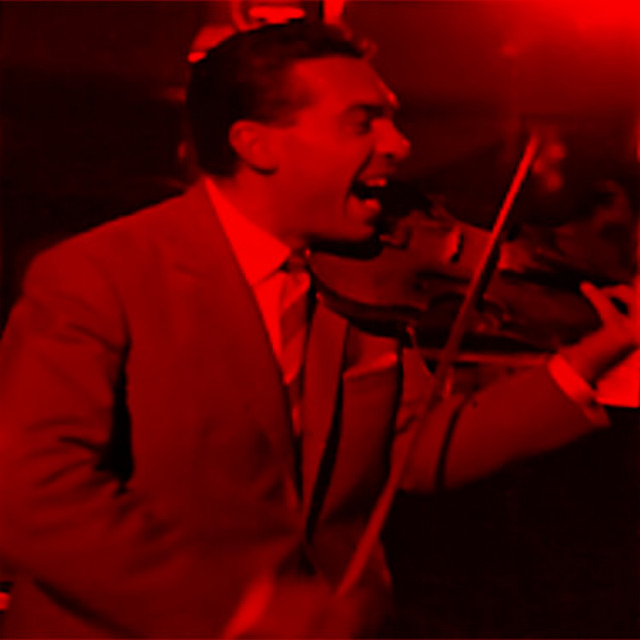

Harpo Marx

David Raksin


René Paulo
Nino Oliviero
Norman Luboff

Ensemble Freesia

Philip Green
Jonathan Knight
George Duning Orchestra
The Telecast Orchestra

斎藤高順

Gareth Walters

William Loose