Data may be outdated
Last updated: 1 month ago — Click refresh to get the latest statistics.
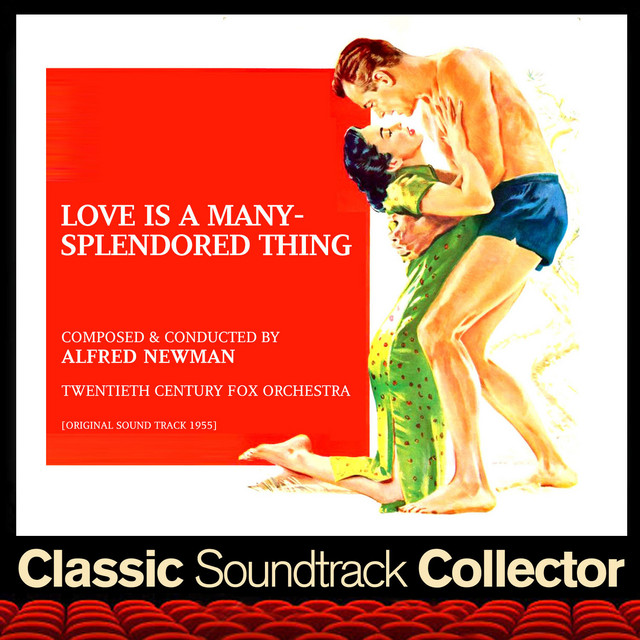
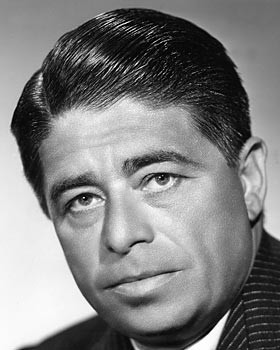
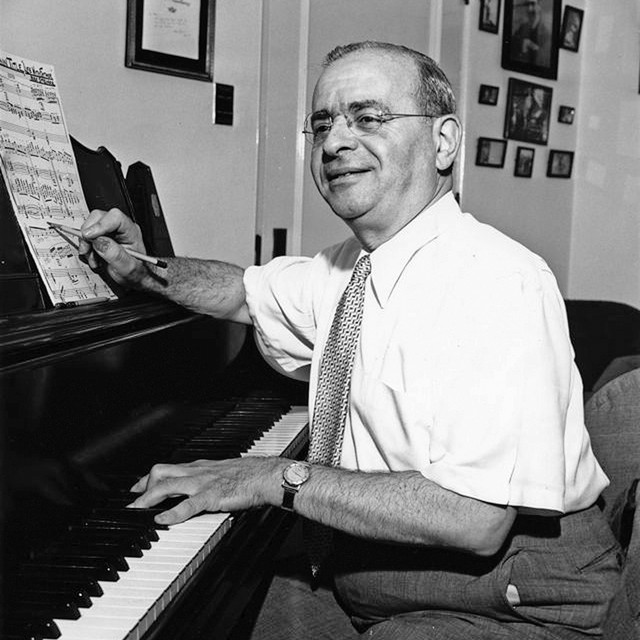
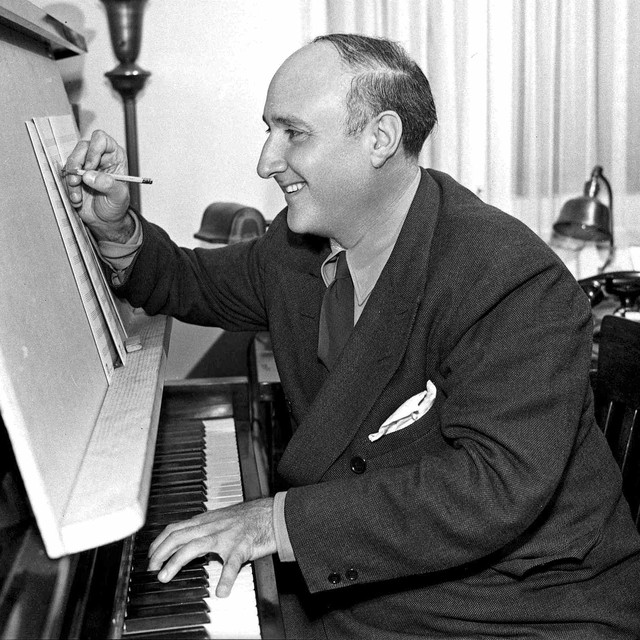
Newman spent the 1930s scoring some of the most prestigious movies of the decade, including Street Scene, Dodsworth, Stella Dallas, Dead End, The Prisoner of Zenda, Gunga Din, and Young Mr. Lincoln, among many others. Even when he wasn't working on a particular movie, he was often approached by studio production heads in need of advice when the scoring of a movie ran into trouble. Following his installation as Fox's music director in 1940, Newman worked on How Green Was My Valley, Heaven Can Wait, Song of Bernadette, The Razor's Edge, Captain from Castille, The Robe, and Love Is a Many Splendored Thing, among numerous other films; and, equally telling in his capacity as head of the studio's music department, he assigned the scoring of Laura to David Raksin, who wrote an immortal piece of movie music, and Jane Eyre, Hangover Square, and The Day the Earth Stood Still to Bernard Herrmann. In 1959, he left Fox for a career as an independent artist, and in 1961 conducted the Oscar-nominated score to Flower Drum Song. The next year, he wrote what may be his most familiar film score, How the West Was Won, with lyricist Ken Darby.
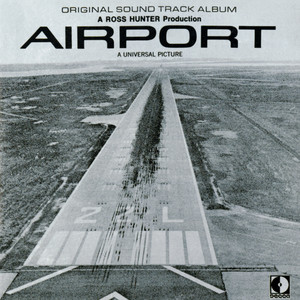
Ironically, for all of his accumulated honors, Newman remains viewed as a far greater arranger and conductor than composer. He could assimilate folk tunes or pseudo-folk tunes, as in How Green Was My Valley and How the West Was Won, and transform them into orchestral/choral works of tremendous power, and take a good original melody or two and turn them into something haunting and memorable, as in The Razor's Edge or The Robe. His compositions, however, lacked the boldness or adventurousness of Bernard Herrmann or Miklos Rozsa's most inspired work--his was tonal and accessible music that didn't demand too much of the viewer. But it was the palatable nature of Newman's music, coupled with his diplomatic skills, that helped him achieve his success. His scores were accessible without being trite, original in execution as film music without being jarring or troubling, and his affable nature, in contrast the the volatile, neurotic Herrmann or the seemingly aloof Rozsa, made him a favorite of studio executives. And all of that made his word about music the law in Hollywood for close to 30 years. He died in 1970, and his final soundtrack, for George Seaton's mega-hit Airport, became the last of Newman's 44 Oscar nominations.
Monthly Listeners
49,265
Monthly Listeners History
Track the evolution of monthly listeners over the last 28 days.
Followers
8,623
Followers History
Track the evolution of followers over the last 28 days.
Total Streams
22.5 million
Total Streams History
Track the evolution of total streams over the last 28 days. This data is calculated from all tracks listed in the artist's discography.
Top Cities

Related Artists
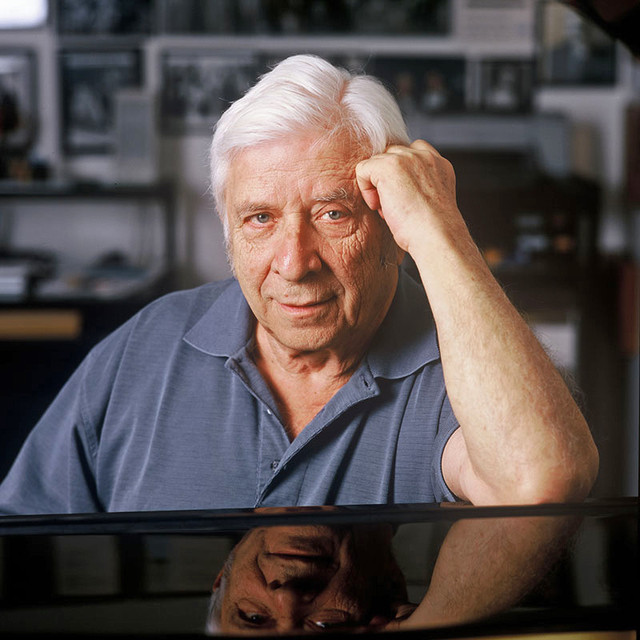

David Raksin
Living Strings


Bob Cobert

Frank DeVol
Nino Oliviero