Data may be outdated
Last updated: 9 months ago — Click refresh to get the latest statistics.
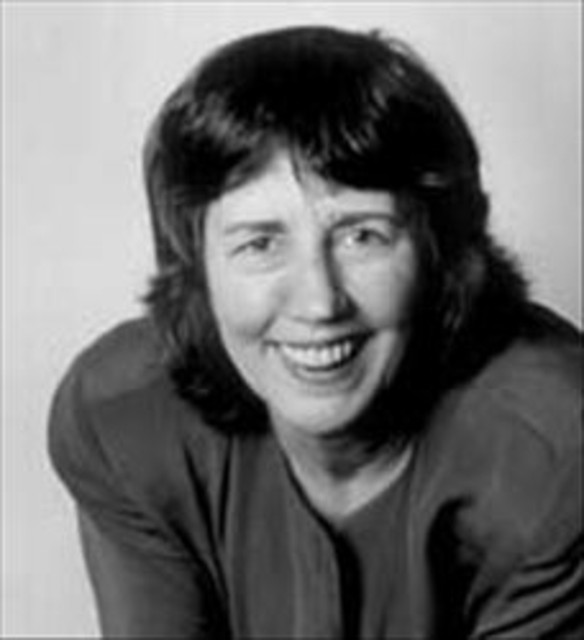
Ruth Crawford was born to an itinerant Methodist minister and his wife. Upon graduating from high school, Crawford entered Foster's School of Musical Art in Jacksonville, FL, studying piano. The Foster School relocated to Miami in 1921, and Crawford enrolled in the American Conservatory of Music in Chicago. She stayed until 1929, studying composition and theory with Adolf Weidig. Weidig encouraged her early efforts, and with her first Piano Preludes of 1924 Crawford had already developed her own unique modern voice.
In 1926, Crawford composed her Sonata for Violin and Piano; performed at modern music concerts in the late '20s, it prompted a critic to remark that Crawford could "sling dissonances like a man." She was recognized early on as a woman composer who did not fit the sentimental stereotypes associated with the standard profile. In Chicago, Crawford joined the circle of Djana Lavoie Herz, pianist and ex-follower of <a href="spotify:artist:6nZiWg5ZB511S24WmB7TCV">Scriabin</a>; through Herz she met <a href="spotify:artist:1kR6entREuDogGpPVOnG2j">Dane Rudyhar</a>, <a href="spotify:artist:0AMoPrd9OLxMC38dQPnSQA">Henry Cowell</a>, and pianist Richard Bühlig. <a href="spotify:artist:0AMoPrd9OLxMC38dQPnSQA">Cowell</a> quickly became a supporter of Crawford's work, arranging for performances of her music in New York and publishing it in the periodical New Music Quarterly. Crawford worked as a piano teacher for the children of poet <a href="spotify:artist:5R1nyWAvgjEnwfnuqQS6JH">Carl Sandburg</a>; it was he who first interested her in American folk songs. She contributed arrangements to his 1927 book The American Songbag, and later created significant original settings to eight of his poems.
By 1930, Ruth Crawford was a force to be reckoned with in American modernism. Stylistically, her work stood out in its uncompromising use of dissonance, contrapuntal ostinati, striking choice of texts and tidy formal construction. In March 1930, Crawford won a Guggenheim Fellowship to travel to Europe; the first woman so honored. In Berlin, Crawford composed Three Chants set to a wordless text for women's chorus; this eerie, experimental work has no obvious parallels to any music written before the 1960s. The following year witnessed her most famous work, String Quartet 1931, and with its publication Crawford provided the definitive foil to the old maxim that women "just can't write" classical music with the strength and seriousness of male composers.
In 1929, she began study with Charles Seeger, a key figure in American music as a composer, theorist and musicologist. They married in 1932. She likewise adopted several of Seeger's theoretical methods that mark the works of her most productive period, 1930-1933; however, her composing came to a virtual standstill around 1934. Among her children with Seeger were daughter Peggy and son Mike, both to become renowned folk singers and teachers in adulthood. In 1936, the Seegers moved to Washington, D.C., to work in folk song collecting for the Library of Congress. Crawford acted as transcriber for the book Our Singing Country and, with Charles Seeger, for Folk Song USA, both authored by John and Alan Lomax. As Ruth Crawford Seeger she published her own pioneering collection, American Folk Songs for Children, in 1948, designed for use in elementary grades. This and the other "Crawford Seeger" books are regarded as key texts in primary music education, and were widely adopted and imitated in the field. Crawford only returned to serious composition with the Suite for Wind Quintet in 1952. By the time it was completed, she learned she had cancer. Ruth Crawford died at the age of 52.
In 1926, Crawford composed her Sonata for Violin and Piano; performed at modern music concerts in the late '20s, it prompted a critic to remark that Crawford could "sling dissonances like a man." She was recognized early on as a woman composer who did not fit the sentimental stereotypes associated with the standard profile. In Chicago, Crawford joined the circle of Djana Lavoie Herz, pianist and ex-follower of <a href="spotify:artist:6nZiWg5ZB511S24WmB7TCV">Scriabin</a>; through Herz she met <a href="spotify:artist:1kR6entREuDogGpPVOnG2j">Dane Rudyhar</a>, <a href="spotify:artist:0AMoPrd9OLxMC38dQPnSQA">Henry Cowell</a>, and pianist Richard Bühlig. <a href="spotify:artist:0AMoPrd9OLxMC38dQPnSQA">Cowell</a> quickly became a supporter of Crawford's work, arranging for performances of her music in New York and publishing it in the periodical New Music Quarterly. Crawford worked as a piano teacher for the children of poet <a href="spotify:artist:5R1nyWAvgjEnwfnuqQS6JH">Carl Sandburg</a>; it was he who first interested her in American folk songs. She contributed arrangements to his 1927 book The American Songbag, and later created significant original settings to eight of his poems.
By 1930, Ruth Crawford was a force to be reckoned with in American modernism. Stylistically, her work stood out in its uncompromising use of dissonance, contrapuntal ostinati, striking choice of texts and tidy formal construction. In March 1930, Crawford won a Guggenheim Fellowship to travel to Europe; the first woman so honored. In Berlin, Crawford composed Three Chants set to a wordless text for women's chorus; this eerie, experimental work has no obvious parallels to any music written before the 1960s. The following year witnessed her most famous work, String Quartet 1931, and with its publication Crawford provided the definitive foil to the old maxim that women "just can't write" classical music with the strength and seriousness of male composers.
In 1929, she began study with Charles Seeger, a key figure in American music as a composer, theorist and musicologist. They married in 1932. She likewise adopted several of Seeger's theoretical methods that mark the works of her most productive period, 1930-1933; however, her composing came to a virtual standstill around 1934. Among her children with Seeger were daughter Peggy and son Mike, both to become renowned folk singers and teachers in adulthood. In 1936, the Seegers moved to Washington, D.C., to work in folk song collecting for the Library of Congress. Crawford acted as transcriber for the book Our Singing Country and, with Charles Seeger, for Folk Song USA, both authored by John and Alan Lomax. As Ruth Crawford Seeger she published her own pioneering collection, American Folk Songs for Children, in 1948, designed for use in elementary grades. This and the other "Crawford Seeger" books are regarded as key texts in primary music education, and were widely adopted and imitated in the field. Crawford only returned to serious composition with the Suite for Wind Quintet in 1952. By the time it was completed, she learned she had cancer. Ruth Crawford died at the age of 52.
Monthly Listeners
973
Monthly Listeners History
Track the evolution of monthly listeners over the last 28 days.
Followers
1,865
Followers History
Track the evolution of followers over the last 28 days.
Top Cities
28 listeners

19 listeners

12 listeners

10 listeners
10 listeners
Related Artists

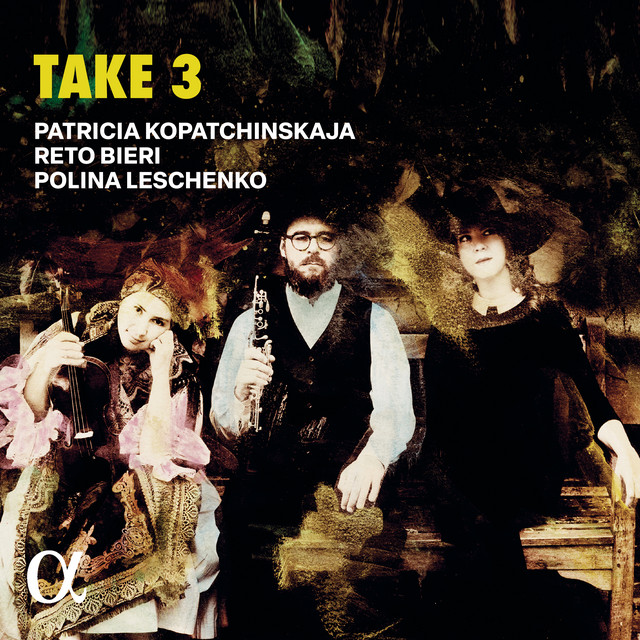
Reto Bieri
Christopher Oldfather

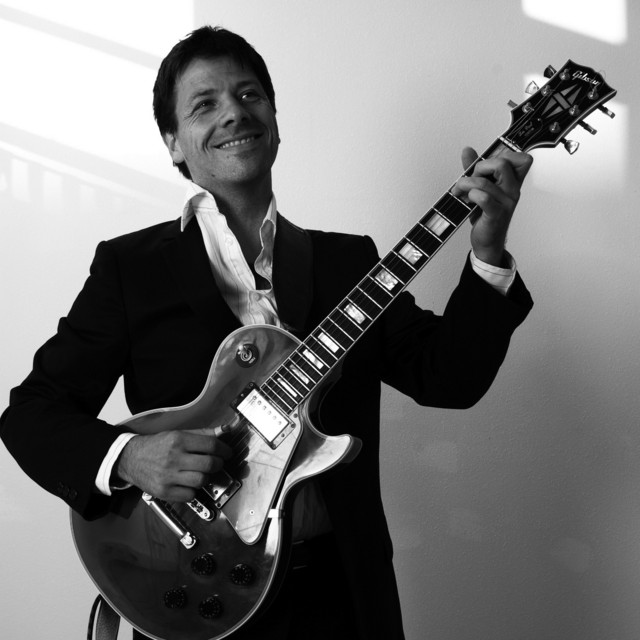
Tristan Murail
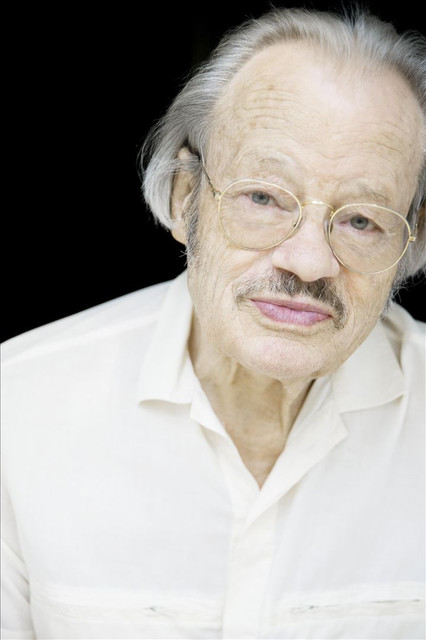
Friedrich Cerha




Andrew Jennings
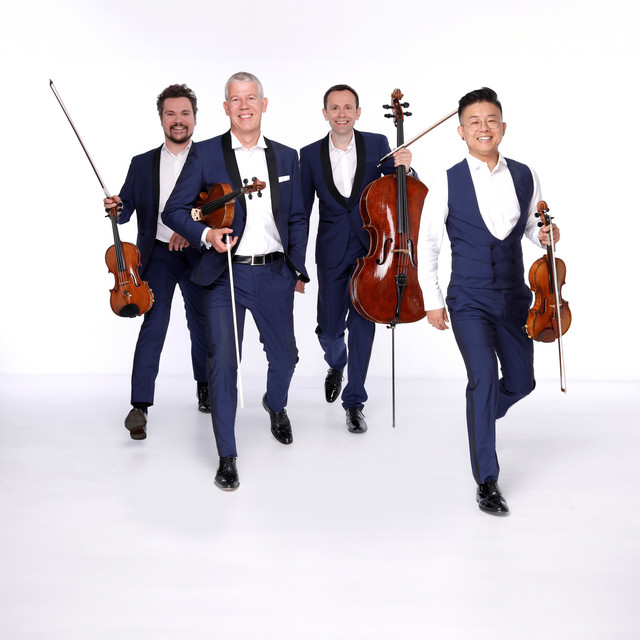
Quatuor Diotima
Schoenberg Quartet


Theodor W. Adorno

Ernst Krenek
Roger Sessions
Jacqueline Fontyn
Helen Grime

Franco Donatoni


Stephen Hartke

Pascal Dusapin

Pierre-André Valade

andrew barclay

Thomas Kaufmann


David Colson


Pavel Haas

Elena Firsova

Marco Stroppa