Data may be outdated
Last updated: 7 months ago — Click refresh to get the latest statistics.
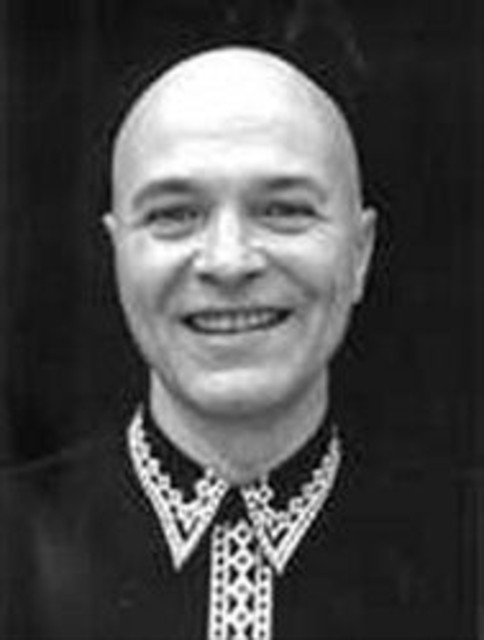
Siegfried Lorenz brought a sturdy lyric baritone and an undeniable honesty of interpretation to a wide range of music. Though he never reached the first rank of singers, he was authoritative in his performances of German song, to which he brought intelligence, clarity of diction, faithfulness to the composer's indications, and a natural sensitivity to the spirit of each song. He was especially identified with the song cycles of <a href="spotify:artist:2p0UyoPfYfI76PCStuXfOP">Schubert</a>.
After studies in piano, organ, and cello performance, Lorenz began voice training with Alois Orth in Berlin. In 1969, he successfully completed the requirements for certification as a singing instructor, made his stage debut in <a href="spotify:artist:4kHtgiRnpmFIV5Tm4BIs8l">Prokofiev</a>'s Love of Three Oranges with Berlin's innovative Komische Oper, and won the first of several voice competitions in Toulouse. Lorenz stayed with Berlin for four years, but after 1973, he eschewed long-term contracts in favor of guest appearances, although he appeared frequently with the Deutsche Staatsoper for most of his career.
<a href="spotify:artist:37Lr1lIJy824MQIENRUnZn">Kurt Masur</a> appointed Lorenz the first permanent soloist at the Leipzig Gewandhaus; his work there established him as a leading singer of lieder. Lorenz subsequently appeared throughout Europe, New York, and Tokyo. In addition, he achieved a reputation of excellence for his <a href="spotify:artist:5aIqB5nVVvmFsvSdExz408">Bach</a> performances (many of them recorded) and for his skill as a teacher. Among Lorenz's many recordings are the three song cycles of <a href="spotify:artist:2p0UyoPfYfI76PCStuXfOP">Schubert</a>, <a href="spotify:artist:2ANtgfhQkKpsW6EYSDqldz">Mahler</a>'s Rückert Lieder and Kindertotenlieder, and several operas. His Ruprecht in Prokofiev's Flaming Angel was well sung and acted, providing the fulcrum for the <a href="spotify:search:label%3A%22Deutsche+Grammophon%22">Deutsche Grammophon</a> recording under <a href="spotify:artist:5UHZvYJA0aPcJSLYkYAeps">Neeme Järvi</a>. His Donner in <a href="spotify:artist:4qFQgEF1rg6a9WvJM0MQIa">James Levine</a>'s Ring and Ottokar in <a href="spotify:artist:0TrG2LSot4KhaXqdf5K2zE">Colin Davis</a>' Der Freischütz were both unusually good, and he made distinguished contributions to a series of <a href="spotify:artist:5aIqB5nVVvmFsvSdExz408">Bach</a> cantatas under <a href="spotify:artist:38ghpVkkvBf5wugUg4HW4G">Peter Schreier</a>'s direction.
Lorenz remained active as a singer in the '90s, but his performances and recordings slowed early in the 21st century; reissues of his earlier interpretations continued to appear well after. From 2004 until 2016, Lorenz was a voice professor at the Berlin University of the Arts. He died in Berlin on August 24, 2024, six days before his 79th birthday. ~ Erik Eriksson, Rovi
After studies in piano, organ, and cello performance, Lorenz began voice training with Alois Orth in Berlin. In 1969, he successfully completed the requirements for certification as a singing instructor, made his stage debut in <a href="spotify:artist:4kHtgiRnpmFIV5Tm4BIs8l">Prokofiev</a>'s Love of Three Oranges with Berlin's innovative Komische Oper, and won the first of several voice competitions in Toulouse. Lorenz stayed with Berlin for four years, but after 1973, he eschewed long-term contracts in favor of guest appearances, although he appeared frequently with the Deutsche Staatsoper for most of his career.
<a href="spotify:artist:37Lr1lIJy824MQIENRUnZn">Kurt Masur</a> appointed Lorenz the first permanent soloist at the Leipzig Gewandhaus; his work there established him as a leading singer of lieder. Lorenz subsequently appeared throughout Europe, New York, and Tokyo. In addition, he achieved a reputation of excellence for his <a href="spotify:artist:5aIqB5nVVvmFsvSdExz408">Bach</a> performances (many of them recorded) and for his skill as a teacher. Among Lorenz's many recordings are the three song cycles of <a href="spotify:artist:2p0UyoPfYfI76PCStuXfOP">Schubert</a>, <a href="spotify:artist:2ANtgfhQkKpsW6EYSDqldz">Mahler</a>'s Rückert Lieder and Kindertotenlieder, and several operas. His Ruprecht in Prokofiev's Flaming Angel was well sung and acted, providing the fulcrum for the <a href="spotify:search:label%3A%22Deutsche+Grammophon%22">Deutsche Grammophon</a> recording under <a href="spotify:artist:5UHZvYJA0aPcJSLYkYAeps">Neeme Järvi</a>. His Donner in <a href="spotify:artist:4qFQgEF1rg6a9WvJM0MQIa">James Levine</a>'s Ring and Ottokar in <a href="spotify:artist:0TrG2LSot4KhaXqdf5K2zE">Colin Davis</a>' Der Freischütz were both unusually good, and he made distinguished contributions to a series of <a href="spotify:artist:5aIqB5nVVvmFsvSdExz408">Bach</a> cantatas under <a href="spotify:artist:38ghpVkkvBf5wugUg4HW4G">Peter Schreier</a>'s direction.
Lorenz remained active as a singer in the '90s, but his performances and recordings slowed early in the 21st century; reissues of his earlier interpretations continued to appear well after. From 2004 until 2016, Lorenz was a voice professor at the Berlin University of the Arts. He died in Berlin on August 24, 2024, six days before his 79th birthday. ~ Erik Eriksson, Rovi
Monthly Listeners
12,148
Monthly Listeners History
Track the evolution of monthly listeners over the last 28 days.
Followers
186
Followers History
Track the evolution of followers over the last 28 days.
Top Cities

Related Artists
Jörg Dürmüller
Carl Loewe
Rolf Schweizer
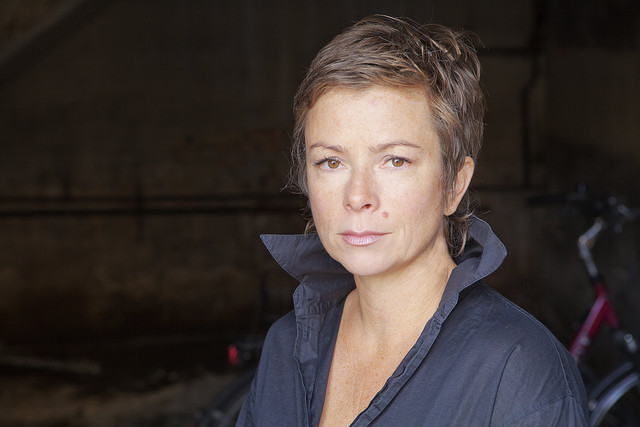
Annette Markert
Andreas Schmidt
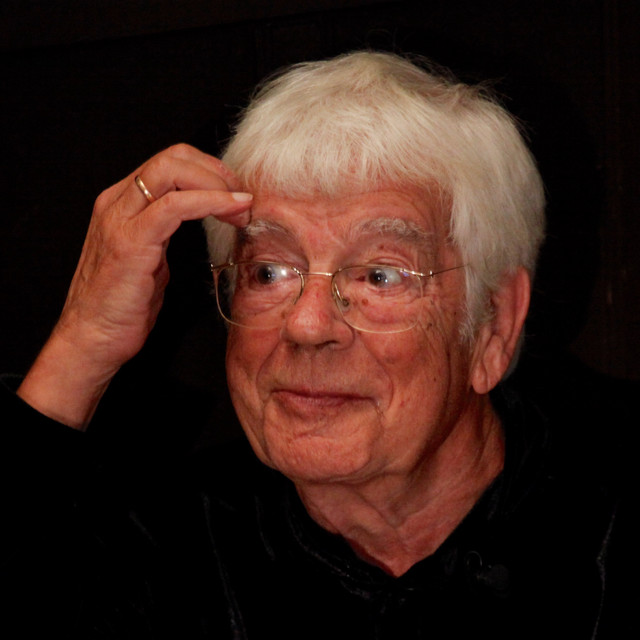

Bachchor Mainz
Holland Boys Choir, Netherlands Bach Collegium


Wolfgang Schöne
Brigitte Geller


Nico Van Der Meel


Burkhard Schmidt

Marjon Strijk


Eric Ericson Chamber Choir



Barockorchester Stuttgart

Hans-Jörg Mammel

Ann Monoyios

Roberto Sacca
Chor und Orchester von St. Augustin
Howard Crook