Data may be outdated
Last updated: 9 months ago — Click refresh to get the latest statistics.
Sonny Burns was an unsung hero of honky tonk, a country singer who recorded a handful of outstanding sides but whose personal and professional peccadilloes prevented him from enjoying lasting success. Clyde Burns Jr. was born on September 19, 1930 in Lufkin, Texas, and his family relocated to Nacogdoches for several years before settling in Houston. Burns began playing guitar in his early teens, and by age 19 he was a regular on a local radio show hosted by Sleepy Bob Everson. Burns became a sideman for Texas country stars <a href="spotify:artist:69QgxPDHaeDRDMl6icLzCp">Eddie Noack</a> and R.D. Hendon, but he put his career on hold to serve in the Air Force. After returning to civilian life, in 1953 Burns cut some demos accompanied by <a href="spotify:artist:69QgxPDHaeDRDMl6icLzCp">Noack</a> that first led to a regional release on HJA Records, and then a record deal with the Beaumont, Texas-based label <a href="spotify:search:label%3A%22Starday+Records%22">Starday Records</a>. Burns' second release for <a href="spotify:search:label%3A%22Starday%22">Starday</a>, "Too Hot to Handle," became a major hit in Texas upon its release in late 1953, and Burns soon released a follow-up single, "A Place for Girls Like You." However, Burns' version of the song quickly fell off the charts when <a href="spotify:artist:6uvq6FeVsmhOWfJHxVNeBL">Faron Young</a> cut a version that rose to the country Top Ten. Burns was a frequent guest on the Houston Hometown Jamboree show on KNUZ-AM, where he often shared the stage with <a href="spotify:artist:2OpqcUtj10HHvGG6h9VYC5">George Jones</a>, a fellow <a href="spotify:search:label%3A%22Starday%22">Starday</a> artist whose career had yet to take off. The two recorded a duet of "Wrong About You" that was issued by <a href="spotify:search:label%3A%22Starday%22">Starday</a> in the spring of 1954. Burns and <a href="spotify:artist:2OpqcUtj10HHvGG6h9VYC5">Jones</a> were said to have struck up a fast friendship, but Burns shared <a href="spotify:artist:2OpqcUtj10HHvGG6h9VYC5">Jones</a>' well-documented enthusiasm for alcohol, and also had a reputation as a womanizer; he became known for missing dates and frequently delivering sloppy performances, and after cutting a second single with <a href="spotify:artist:2OpqcUtj10HHvGG6h9VYC5">Jones</a> in the fall of 1954, the two were set to record a new tune written by <a href="spotify:artist:2OpqcUtj10HHvGG6h9VYC5">Jones</a> in mid-1955. Burns failed to show up for the recording session, so <a href="spotify:artist:2OpqcUtj10HHvGG6h9VYC5">Jones</a> cut the song without him, and "Why Baby Why" became his first chart success, and as <a href="spotify:artist:2OpqcUtj10HHvGG6h9VYC5">Jones</a>' star rose, Burns' began to sink. Burns continued to cut fine sides for <a href="spotify:search:label%3A%22Starday%22">Starday</a>, but he and the label parted ways in 1956, and it wasn't until 1959 that Burns recorded again, releasing a single on the tiny TNT label. In 1961, Burns re-emerged on United Artists, cutting seven singles for the label over the course of three years, but none were hits, and after recording some sessions for <a href="spotify:search:label%3A%22MGM%22">MGM</a> in 1968 that were never released, Burns retired from music. The hell-raising drinker and ladies' man had become a born-again Christian, and he returned to Nacogdoches, where he became a pastor at a local church and supported himself as a hair stylist. He died on October 21, 1992. After his passing, his work was rediscovered by collectors of classic country sounds, and in 2010, <a href="spotify:search:label%3A%22Righteous+Records%22">Righteous Records</a> released a collection of his <a href="spotify:search:label%3A%22Starday%22">Starday</a> material, Satan's A Waitin'. A year later, the respected German reissue label <a href="spotify:search:label%3A%22Bear+Family%22">Bear Family</a> issued A Real Cool Cat: The Starday Recordings, which collected Burns' complete <a href="spotify:search:label%3A%22Starday%22">Starday</a> repertoire including a number of unreleased recordings. ~ Mark Deming, Rovi
Monthly Listeners
969
Monthly Listeners History
Track the evolution of monthly listeners over the last 28 days.
Followers
459
Followers History
Track the evolution of followers over the last 28 days.
Top Cities
10 listeners

10 listeners
6 listeners

4 listeners

4 listeners

Related Artists
カール・スミス
ファロン・ヤング

Charlie Walker

George Jones
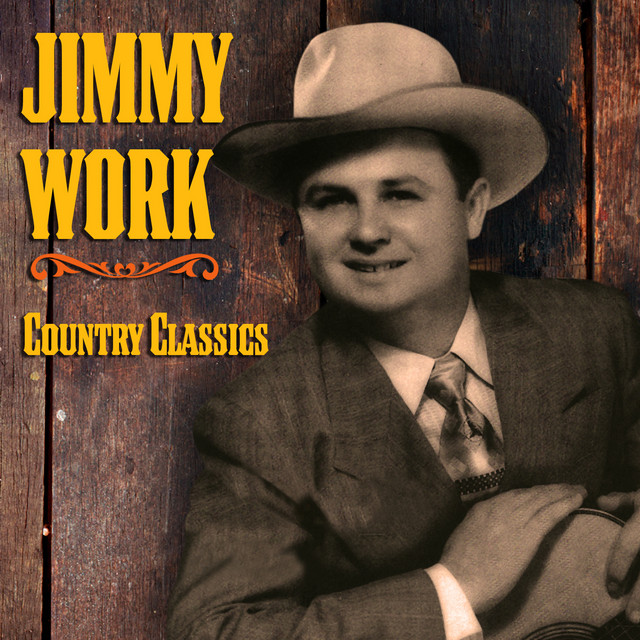
Jimmy Work
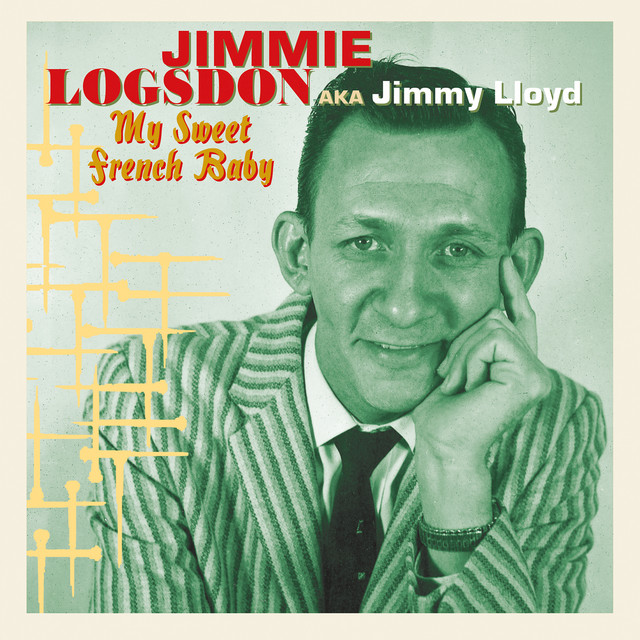
Jimmie Logsdon
Cowboy Copras
チャーリー・ウォーカー
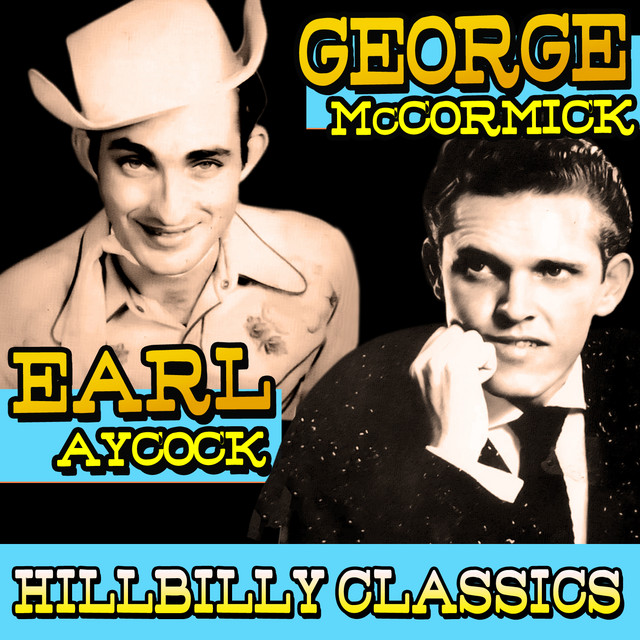
George McCormick


Rex Rinehart

Nashville Country Jamboree

Earl Cupit
レイ プライス
Ray Parks