Data may be outdated
Last updated: 9 months ago — Click refresh to get the latest statistics.
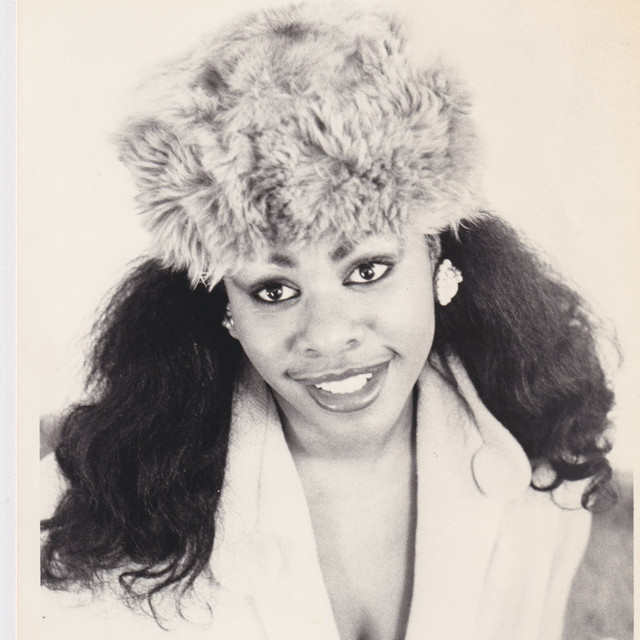
Best known for her '80s dance-pop smash "Two of Hearts," Stacey Q's <a href="spotify:artist:6tbjWDEIzxoDsBA1FuhfPW">Madonna-ish</a> look and youthful age helped her appeal to teens as well as clubgoers during her relatively brief time in the spotlight. Born Stacey Swain, she first began performing as part of the Ringling Brothers Circus, and joined a synth pop outfit called <a href="spotify:artist:4WLucbjzGjrw2aOM3NhY1Y">Q</a> (named after the James Bond gadget man) in the early '80s. As the focus of the group shifted to its new vocalist, their name was changed to <a href="spotify:artist:4WLucbjzGjrw2aOM3NhY1Y">SSQ</a> (for Stacey Swain) and they landed a deal with <a href="spotify:search:label%3A%22Enigma%22">Enigma</a>, releasing an album, titled Playback, in 1983. It went largely unnoticed, however, and the rechristened Stacey Q pursued a solo career. She eventually signed with <a href="spotify:search:label%3A%22Atlantic%22">Atlantic</a>, and made her solo debut in 1986 with the LP Better Than Heaven. The lead single, "Two of Hearts," soared into the pop Top Five of the Billboard Hot 100, making Stacey Q a hot commodity; she performed on the sitcom The Facts of Life and scored another Top 40 hit with the follow-up, "We Connect."
Sustaining that success proved difficult, however; neither of her subsequent <a href="spotify:search:label%3A%22Atlantic%22">Atlantic</a> albums, 1988's Hard Machine and 1989's Nights Like This, produced another major hit, and she was lost in the wave of teen-oriented pop that emerged around the same time. A greatest-hits compilation was released in 1995, but it featured mostly remixes, a hefty selection from the Playback era, and no material from her last two <a href="spotify:search:label%3A%22Atlantic%22">Atlantic</a> albums. In 1997, Stacey Q released a small-scale comeback album called Boomerang; a far cry from her '80s dance-pop records, it reflected her conversion to Buddhism and concentrated mostly on acoustic pop and rock. During the 2000s, she was involved in various theatrical productions, did voice-over work, and occasionally recorded. Color Me Cinnamon, released independently in 2010, was a return to dance music. ~ Steve Huey, Rovi
Sustaining that success proved difficult, however; neither of her subsequent <a href="spotify:search:label%3A%22Atlantic%22">Atlantic</a> albums, 1988's Hard Machine and 1989's Nights Like This, produced another major hit, and she was lost in the wave of teen-oriented pop that emerged around the same time. A greatest-hits compilation was released in 1995, but it featured mostly remixes, a hefty selection from the Playback era, and no material from her last two <a href="spotify:search:label%3A%22Atlantic%22">Atlantic</a> albums. In 1997, Stacey Q released a small-scale comeback album called Boomerang; a far cry from her '80s dance-pop records, it reflected her conversion to Buddhism and concentrated mostly on acoustic pop and rock. During the 2000s, she was involved in various theatrical productions, did voice-over work, and occasionally recorded. Color Me Cinnamon, released independently in 2010, was a return to dance music. ~ Steve Huey, Rovi
Monthly Listeners
1.1 million
Monthly Listeners History
Track the evolution of monthly listeners over the last 28 days.
Followers
80,654
Followers History
Track the evolution of followers over the last 28 days.
Top Cities
49,903 listeners

28,046 listeners

17,590 listeners

14,450 listeners
11,836 listeners

Related Artists



DNA