Artist
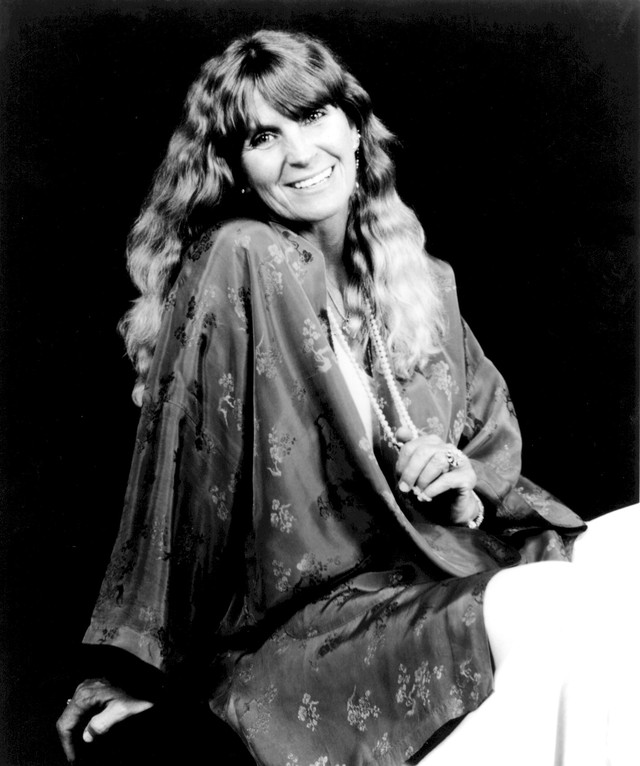
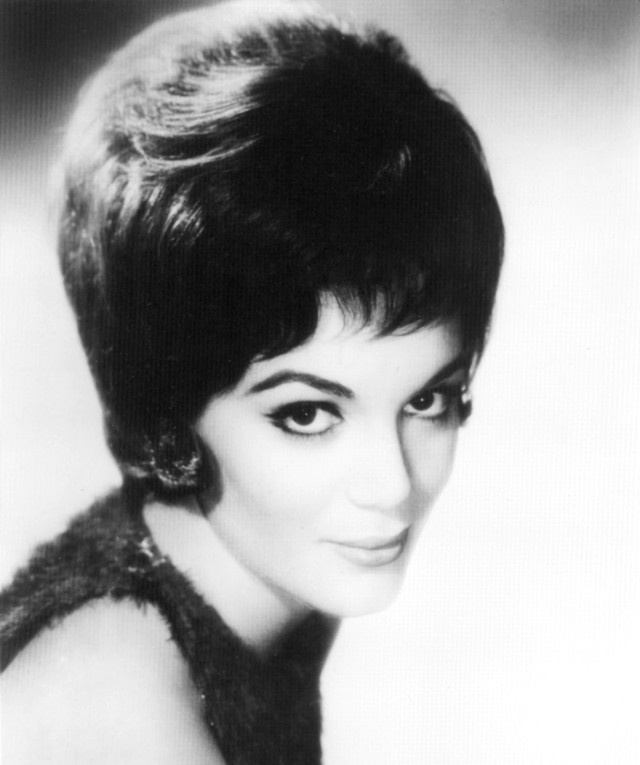
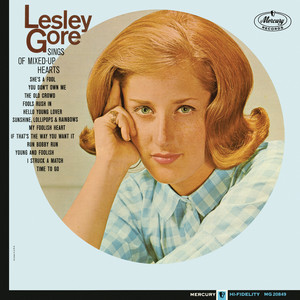
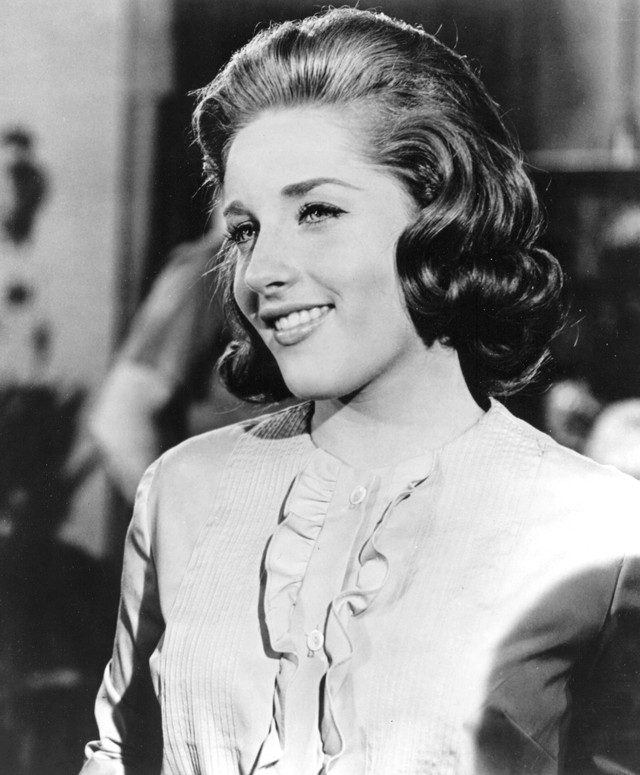
Lesley Gore
Data may be outdated
Last updated: 3 weeks ago — Click refresh to get the latest statistics.
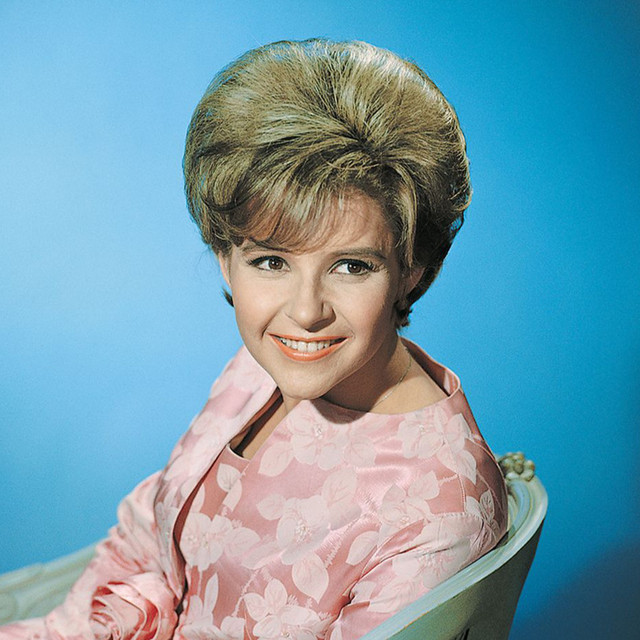
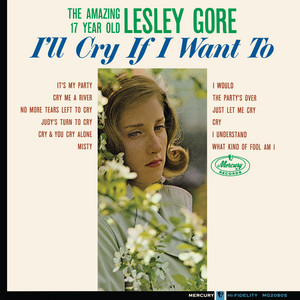
So what was <a href="spotify:artist:3rxIQc9kWT6Ueg4BhnOwRK">Quincy Jones</a> doing producing a white suburban teenager who had never recorded before? A couple of demos she recorded with her vocal coach made their way to <a href="spotify:search:label%3A%22Mercury%22">Mercury</a>'s president, who recommended her to <a href="spotify:artist:3rxIQc9kWT6Ueg4BhnOwRK">Jones</a>, the label's A&R head. For their first session, Gore and <a href="spotify:artist:3rxIQc9kWT6Ueg4BhnOwRK">Jones</a> picked "It's My Party" out of a pile of about 200 demos. The "It's My Party" single was rush-released when <a href="spotify:artist:3rxIQc9kWT6Ueg4BhnOwRK">Jones</a> found out that <a href="spotify:artist:3jVMgT4X7YeuYE4aludcmE">Phil Spector</a> had plans to record the same song with <a href="spotify:artist:7rewR1TVjhisjI6gauUamf">the Crystals</a>.
"It's My Party" and the weaker sequel, "Judy's Turn to Cry," have given Gore a somewhat unfair bratty image. Those are the hits that are remembered the most, but much of her subsequent material was both more mature (or, perhaps more accurately, less immature) and stronger. The singles were also very well produced, with orchestral arrangements (by <a href="spotify:artist:3lZyF2ZG6fZLQvxgJU0y5r">Claus Ogerman</a>) that hewed closer to mainstream pop than <a href="spotify:artist:3jVMgT4X7YeuYE4aludcmE">Phil Spector</a>'s Wall of Sound. Retrospectives of <a href="spotify:artist:3rxIQc9kWT6Ueg4BhnOwRK">Jones</a>' career usually downplay or omit his work with Gore, although it was among his most commercially successful; he's known now for recordings that are, well, funkier. But his success with Gore did a lot to build his already impressive résumé within the industry.
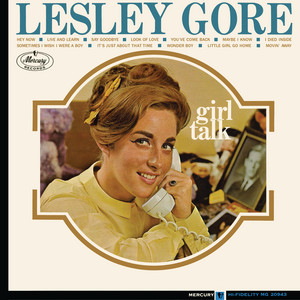
Gore appeared on the legendary T.A.M.I. Show alongside such heavyweights as <a href="spotify:artist:22bE4uQ6baNwSHPVcDxLCe">the Rolling Stones</a>, <a href="spotify:artist:7GaxyUddsPok8BuhxN6OUW">James Brown</a>, and <a href="spotify:artist:0h9smro0z3HqUbD94jotU8">Smokey Robinson</a>, but after 1964 her star plummeted rapidly. <a href="spotify:search:label%3A%22Mercury%22">Mercury</a> was still investing a lot of care in her sessions throughout the rest of the '60s, and her material and arrangements showed her capable of greater stylistic range than many acknowledged. But after the mid-'60s, <a href="spotify:artist:3rxIQc9kWT6Ueg4BhnOwRK">Jones</a> no longer worked with the singer on a regular basis. "Sunshine, Lollipops and Rainbows" (1965) and "California Nights" (1967), both of which were co-written by <a href="spotify:artist:1VN38ZSdtQnHLa8PfTTKZD">Marvin Hamlisch</a>, would be her only Top 20 entries after 1964. She played the cabarets after her days as an active recording artist, and eventually had some success as a songwriter for other performers. Shortly after the turn of the century, Gore returned to recording, collaborating with multi-instrumentalist <a href="spotify:artist:1r1GZXmN2wS2mUXbwUV8KZ">Blake Morgan</a>. In 2005, she released the critically acclaimed Ever Since, which landed songs on CSI: Miami and Showtime's The L Word as well as Jeff Lipsky's film Flannel Pajamas, which debuted at Sundance in 2006. Lesley Gore died of lung cancer in New York City in February 2015; she was 68 years old. ~ Richie Unterberger, Rovi
Monthly Listeners
3.2 million
Monthly Listeners History
Track the evolution of monthly listeners over the last 28 days.
Followers
519,258
Followers History
Track the evolution of followers over the last 28 days.
Total Streams
646.5 million
Total Streams History
Track the evolution of total streams over the last 28 days. This data is calculated from all tracks listed in the artist's discography.