Data may be outdated
Last updated: 7 months ago — Click refresh to get the latest statistics.
Although this composer never achieved quite the fame abroad that he enjoyed in his native Poland, Stanislaw Moniuszko is scarcely unknown elsewhere in the world. His opera Halka became a national treasure in the composer's native country and is known today by many world listeners through recordings. One orchestral work, four examples of incidental music, and two string quartets stand in isolation among the composer's 24 operas, choral scores, and more than 270 songs. Clearly, Moniuszko found his ideal means of expression in the human voice. Moniuszko was born on a small estate to a former Polish army captain and a musical mother. The couple moved to Warsaw in 1827 to assure a proper musical education for their precocious son. Later, finances dictated a move to Minsk. When money became more abundant, young Stanislaw was sent to the Singakademie in Berlin. There, opera and choral performances seized his imagination and prompted a decision to become a composer. After his return to Poland and subsequent marriage, Moniuszko set himself to the composing of operettas, first for amateur companies and soon for professional theaters. In Warsaw, Moniuszko made the acquaintance of the poet Wolski, who provided him with a libretto based upon a Polish folk story. The resulting opera, Halka, then in two acts, was an immense success at Wilno in 1848. Intrigues kept the work from Warsaw for exactly a decade, but introduction there of the four-act version on January 1, 1858, made the composer a national hero and he was soon thereafter appointed conductor at the Warsaw Opera, a position he held until his death. Halka, although rooted in traditional forms, acknowledged the new world of <a href="spotify:artist:1C1x4MVkql8AiABuTw6DgE">Wagnerian</a> Leitmotifs and won the admiration of many in Germany and Austria, especially <a href="spotify:artist:1C1x4MVkql8AiABuTw6DgE">Wagner</a> disciple <a href="spotify:artist:1FBER7ufQj5dCXxUgyKplP">Hans von Bülow</a>. A decade after the premiere, the work had been heard in translation in Berlin, Prague, Vienna, Moscow, and other prominent venues. Other significant operas followed; some such as Hrabina (The Countess) and Straszny Dwór (The Haunted Manor) were much appreciated, though without the overwhelming acclaim accorded Halka. Moniuszko's two final operas were not successful. Many of Moniuszko's songs became almost as popular as Halka, lovely in their own right and regarded as icons of Polish culture.
Monthly Listeners
14,940
Monthly Listeners History
Track the evolution of monthly listeners over the last 28 days.
Followers
3,205
Followers History
Track the evolution of followers over the last 28 days.
Top Cities

Related Artists


Romuald Tesarowicz
Orkiestra Filharmonii Narodowej

Russia Spiritual Revival Choir
Boris Khaikin
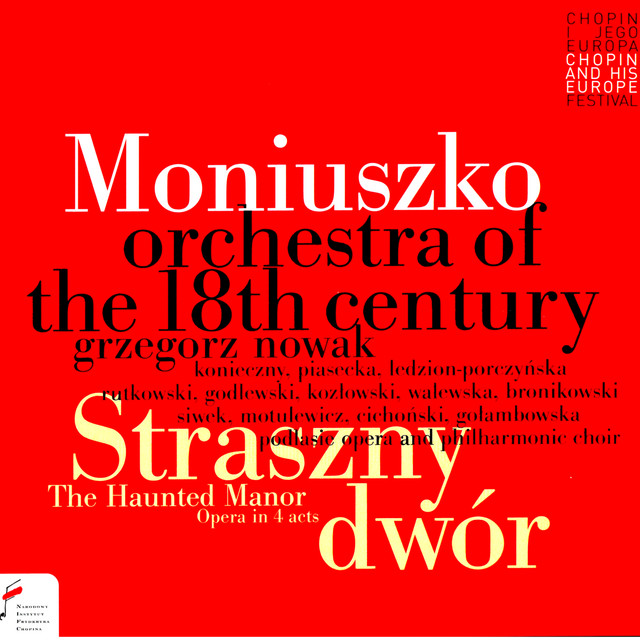

Rupert Huber

Michał Kleofas Ogiński

Elzbieta Towarnicka
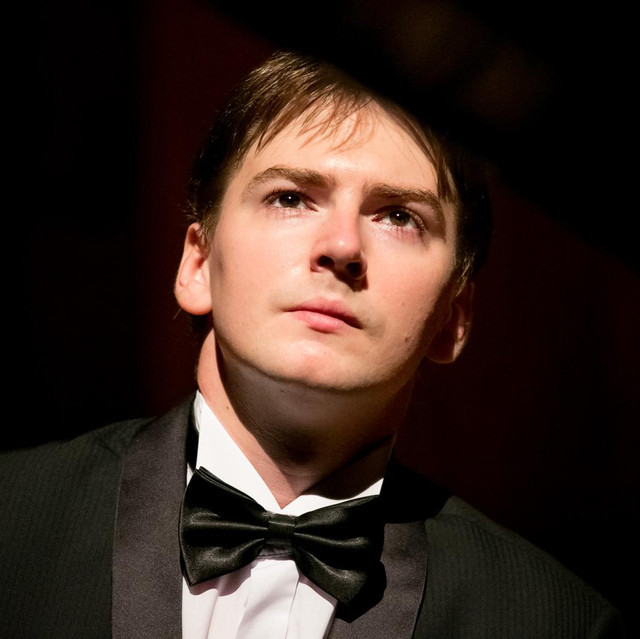
Grzegorz Niemczuk


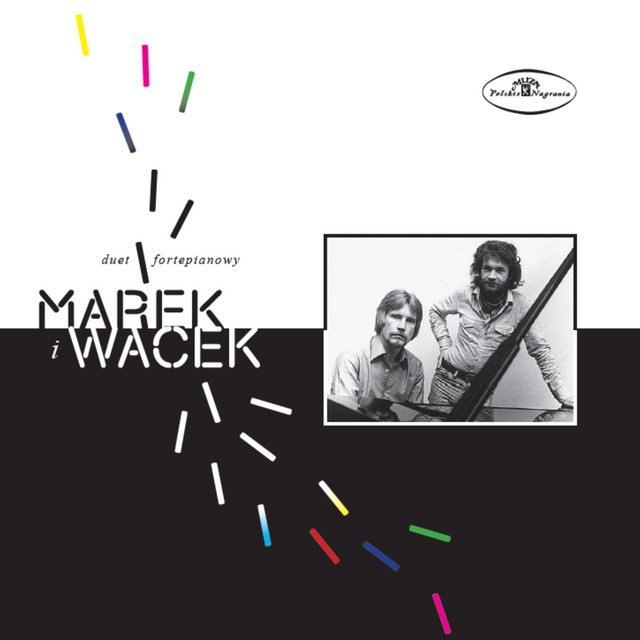
Marek Tomaszewski



Bernard Ładysz

Zbigniew Kaczmarczyk, Piotr Piotrowski, Janusz Gajec, Camerata, Clavelitos, Dzikie Pola, Sergiej Motenko
Waclaw Kisielewski
Оркестр Большого театра

Gabriela Beňačková



Henryk Czyz
Ambroise Thomas