Data may be outdated
Last updated: 1 month ago — Click refresh to get the latest statistics.
In the early '60s, Grossman formed <a href="spotify:artist:4yhvAPDyjZSpFHMo3pFUUg">the Even Dozen Jug Band</a> and worked with the political rock band <a href="spotify:artist:4tMcZ6q43cH5AbKk3mrdSi">the Fugs</a> before moving to Great Britain. In 1968, he co-founded <a href="spotify:search:label%3A%22Kicking+Mule+Records%22">Kicking Mule Records</a> with Ed Denson, a label that showcased idiosyncratic acoustic blues and folk guitar styles. The co-founders dissolved their partnership in the mid-'80s, but <a href="spotify:search:label%3A%22Kicking+Mule%22">Kicking Mule</a>'s catalog was purchased by Fantasy Records. Some of the vinyl sides have seen the light of day on compact disc. From 1967 to the early '80s, Grossman lived in Great Britain, where he carved a reputation on the European blues and folk festival circuit, playing with British-raised acoustic guitarists like <a href="spotify:artist:4XXKzQCGcb2otkzMyxzeQ4">John Renbourn</a> and <a href="spotify:artist:4js8BDiQwnHLlDmT1shPH7">John Fahey</a>.
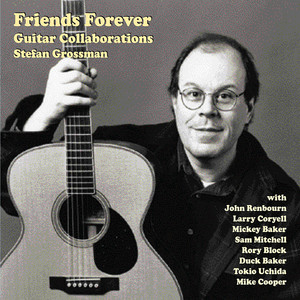
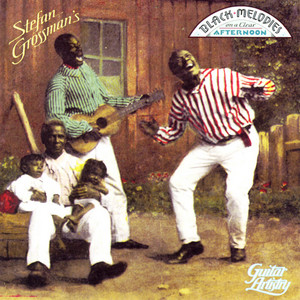
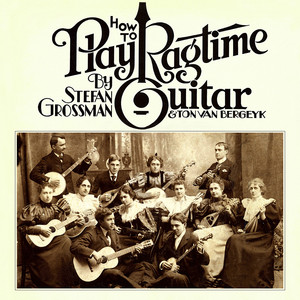
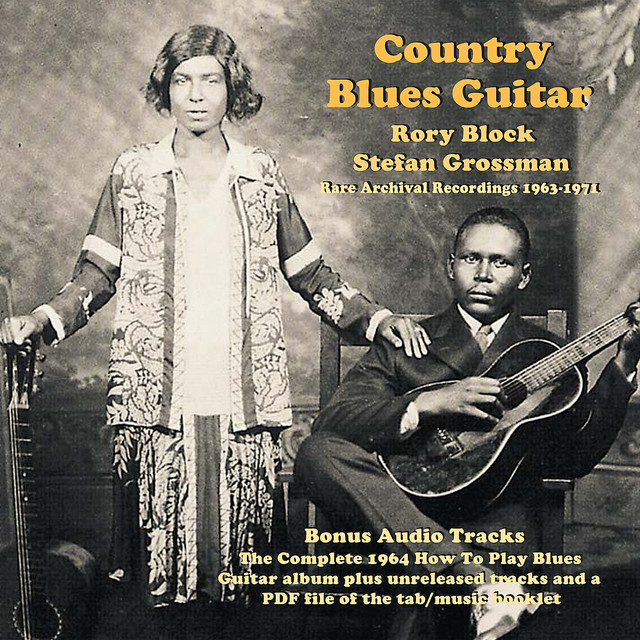
Grossman's solo discography goes all the way back to 1966, when he recorded How to Play Blues Guitar for <a href="spotify:search:label%3A%22Elektra+Records%22">Elektra Records</a>; his sessionography also includes recordings with <a href="spotify:artist:4yhvAPDyjZSpFHMo3pFUUg">the Even Dozen Jug Band</a> (which also included such future luminaries as <a href="spotify:artist:3FPF6tyBTP79pCCAJDcPft">John Sebastian</a>, <a href="spotify:artist:2VUiF0VFkXzB0DLg9AzrqT">Maria Muldaur</a>, and <a href="spotify:artist:5udgy2xk333j33hKnwDz8O">David Grisman</a>) as well as albums by <a href="spotify:artist:2CvCyf1gEVhI0mX6aFXmVI">Paul Simon</a>, <a href="spotify:artist:4js8BDiQwnHLlDmT1shPH7">John Fahey</a>, <a href="spotify:artist:4NikxGoDm5LGVYAHj0Euoc">Charlie Musselwhite</a>, and <a href="spotify:artist:0Dx8YUTP0OexkOK9u2WTw1">Happy Traum</a>. In the early '80s, Grossman began a long relationship with <a href="spotify:search:label%3A%22Shanachie+Records%22">Shanachie Records</a> of Newton, NJ, recording extensively and issuing such albums as Shining Shadows (1988), Guitar Landscapes (1990), Love, Devils & the Blues (1992), Northern Skies, Southern Blues (1997), and Shake That Thing: Fingerpicking Country Blues (1998) for the label. He also helped <a href="spotify:search:label%3A%22Shanachie%22">Shanachie</a> launch their Guitar Artistry imprint series, showcasing such artists as himself, <a href="spotify:artist:4XXKzQCGcb2otkzMyxzeQ4">Renbourn</a>, and <a href="spotify:artist:0Dx8YUTP0OexkOK9u2WTw1">Traum</a>. While based in northwest New Jersey, Grossman toured infrequently and concentrated his efforts on running his Vestapol instructional video business, releasing videos (many of which are now available on DVD) by guitarists ranging from <a href="spotify:artist:30SpGunnNpbbUL4IfkvC5q">Merle Travis</a> and <a href="spotify:artist:4dZrt8Ong5t7YYpvbfp0RU">Chet Atkins</a> to <a href="spotify:artist:6QmHysWvckkQR74oxmLmtz">Dave Van Ronk</a> and <a href="spotify:artist:3qXzj7WzBV3kwy1yEV1RcC">Brownie McGhee</a>.
During the 2000s, Grossman could be found recording in duo and trio settings (2007’s Bermuda Triangle Exit with <a href="spotify:artist:5XwRV8HNcmzw89bRuD9njC">Tokio Uchida</a> and Played a Little Fiddle with <a href="spotify:artist:0sLfl57NFTh7W0DyqNoj5L">Danny Kalb</a> and <a href="spotify:artist:1Hwx6G5PSWgJCZkCvHDykx">Steve Katz</a>) and releasing the results on his <a href="spotify:search:label%3A%22Guitar+Workshop%22">Guitar Workshop</a> label -- which also issued albums by the likes of <a href="spotify:artist:72zalCfn9P7eU6oGje7tyJ">Davy Graham</a>, <a href="spotify:artist:0Dx8YUTP0OexkOK9u2WTw1">Happy Traum</a>, and <a href="spotify:artist:0kZkWA8bU8nzzjAfX0WLoB">David Laibman</a> as well as archival recordings and a number of various-artist collections. In 2006 he began touring once again, making appearances in the U.S., England, Europe, and Japan. Grossman remains one of the world's foremost authorities on acoustic blues guitar. ~ Richard Skelly, Rovi
Monthly Listeners
15,131
Monthly Listeners History
Track the evolution of monthly listeners over the last 28 days.
Followers
7,723
Followers History
Track the evolution of followers over the last 28 days.
Total Streams
13.6 million
Total Streams History
Track the evolution of total streams over the last 28 days. This data is calculated from all tracks listed in the artist's discography.
Top Cities




Related Artists

Sam Mitchell
Pat Donohue

Paul Rishell




Terry Robb


John James

Roy Bookbinder

Duck Baker
Woody Mann
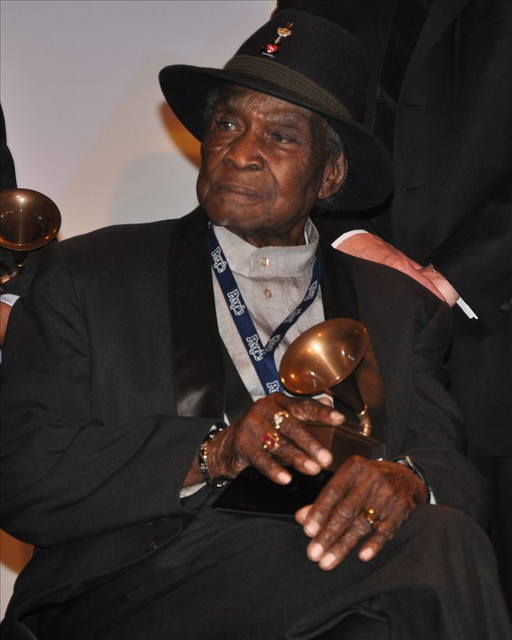

Ernie Hawkins


Denny Earnest


Dave Evans