Data may be outdated
Last updated: 8 months ago — Click refresh to get the latest statistics.
A very popular artist in the '70s in Brazil, Taiguara is still remembered affectionately for his sensitive interpretations (for successes like "Helena, Helena, Helena" and "Modinha") and compositions like "Hoje," "Universo do Teu Corpo," and "Viagem."
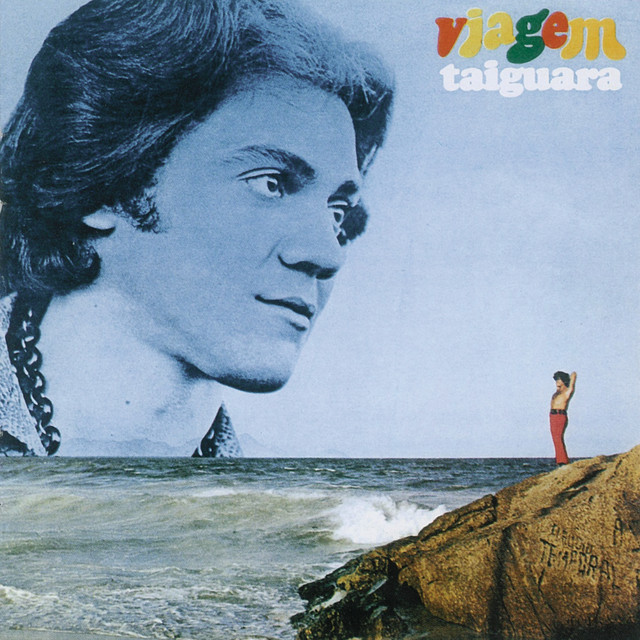
Taiguara came to Brazil at four with his family and they settled first in Rio and then in São Paulo. He debuted as a singer in university festivals when he was a law student. Abandoning the course, he joined the Sambalanço Trio in 1964. Taiguara recorded his first LP the next year. From 1966 on, he became more known for his participation in historic festivals. In 1966, he interpreted "Não de Morre de Mal de Amor" (Reginaldo Bessa) and "Chora, Coração" (Vinícius de Moraes/Baden Powell) in the I FIC (International Song Festival). In the next year, he presented his songs "Eu Quis Viver" (with Cido Bianchi) and "Cantar" (Roberto Menescal) in the I FIC. In 1968, he won first place in two festivals: the Brasil Canta festival with "Modinha" (Sérgio Bittencourt) and the II FMPB (Brazilian Popular Music Festival) with "Helena, Helena, Helena" (Alberto Land). In 1970, he recorded Viagem, with the title track ending up as one of his biggest hits. Having political problems with the military dictatorship in Brazil, Taiguara departed for a stay of one and a half years in London, England (where he recorded an album). Upon his return, he began a collaboration with Hermeto Pascoal in experimental projects as an orchestrator. The partnership yielded the LP Imyra, Tayra, Ipy, Taiguara (1975). Due to problems with censorship, he credited several of his songs to his wife, Ge Chalar da Silva. ~ Alvaro Neder, Rovi
Taiguara came to Brazil at four with his family and they settled first in Rio and then in São Paulo. He debuted as a singer in university festivals when he was a law student. Abandoning the course, he joined the Sambalanço Trio in 1964. Taiguara recorded his first LP the next year. From 1966 on, he became more known for his participation in historic festivals. In 1966, he interpreted "Não de Morre de Mal de Amor" (Reginaldo Bessa) and "Chora, Coração" (Vinícius de Moraes/Baden Powell) in the I FIC (International Song Festival). In the next year, he presented his songs "Eu Quis Viver" (with Cido Bianchi) and "Cantar" (Roberto Menescal) in the I FIC. In 1968, he won first place in two festivals: the Brasil Canta festival with "Modinha" (Sérgio Bittencourt) and the II FMPB (Brazilian Popular Music Festival) with "Helena, Helena, Helena" (Alberto Land). In 1970, he recorded Viagem, with the title track ending up as one of his biggest hits. Having political problems with the military dictatorship in Brazil, Taiguara departed for a stay of one and a half years in London, England (where he recorded an album). Upon his return, he began a collaboration with Hermeto Pascoal in experimental projects as an orchestrator. The partnership yielded the LP Imyra, Tayra, Ipy, Taiguara (1975). Due to problems with censorship, he credited several of his songs to his wife, Ge Chalar da Silva. ~ Alvaro Neder, Rovi
Monthly Listeners
50,332
Monthly Listeners History
Track the evolution of monthly listeners over the last 28 days.
Followers
63,498
Followers History
Track the evolution of followers over the last 28 days.
Top Cities
8,124 listeners
4,305 listeners
3,071 listeners
1,859 listeners
1,652 listeners
Related Artists








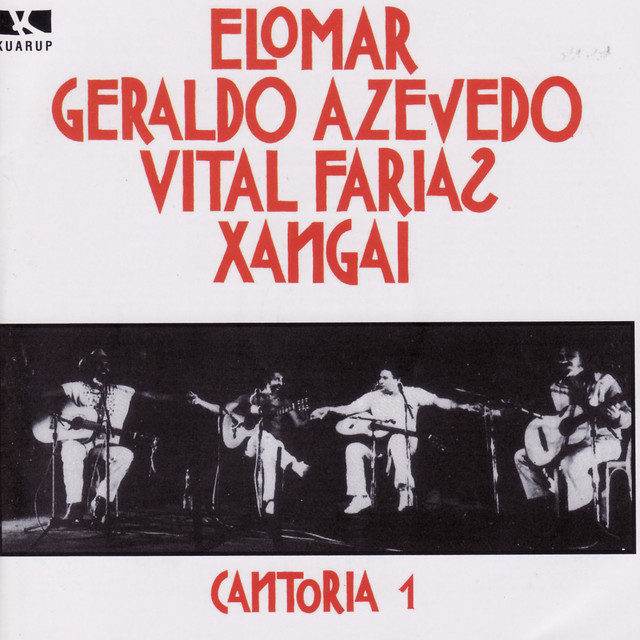
Vital Farias
Selma Reis


Diana Pequeno


Celso Adolfo