Data may be outdated
Last updated: 9 months ago — Click refresh to get the latest statistics.
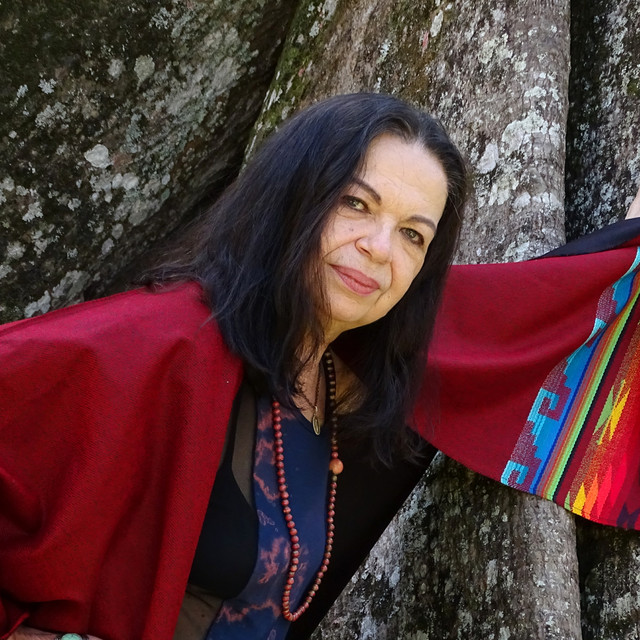
Singer/composer Amelinha emerged in the '70s as one of the artists (such as <a href="spotify:artist:7JoWcJHDOG58JYTe6d400S">Zé Ramalho</a>, Alceu Valença, <a href="spotify:artist:4ph6Bt1mkDlmf32PSvRa8A">Elba Ramalho</a>, Ednardo, <a href="spotify:artist:65TbyndeGrDlFd4IkZNfbN">Geraldo Azevedo</a>, Fagner, Belchior, and others) who infused pop music into Northeastern folklore and reached national recognition. Amelinha had a gold record and, with another album, sold more than a million copies. Amelinha moved to São Paulo in 1970 and did backing vocals for her friend Fagner. In 1974, she was already performing professionally and making TV appearances. She was then invited to accompany <a href="spotify:artist:5HlnN6xF2MD87KhGRmCRTd">Vinícius de Moraes</a> and Toquinho in their 1975 tour to Punta del Este, Argentina. There, de Moraes dedicated the song "Ah! Quem Me Dera" to her. Her first break came with the favorable reviews for her album Flor Da Paisagem (1977). The second album, Frevo Mulher (1979), had a gold record. In 1980, as she was participating in TV Globo's MPB 80 Festival, a packed Maracanãzinho sang along with her "Foi Deus Que Fez Você" (Luiz Ramalho). The song achieved second place in the festival and sold more than a million copies, becoming the first song to reach the top of the parades both in the modulated frequency and short wave radios. In 1982, Amelinha had another hit with "Mulher Nova, Bonita E Carinhosa Faz O Homem Gemer Sem Sentir Dor." Included in the TV Globo series Lampião e Maria Bonita as the main theme, the song boosted the album sales for Mulher Nova, Bonita E Carinhosa Faz O Homem Gemer Sem Sentir Dor. For more than 30 weeks it remained amongst the 50 best-sold LPs of the year. In 1984, Amelinha entered a new phase, adopting pop elements. In 1989, she presented another profile in her show Saudades da Amélia, dedicated to MPB composers Tom Jobim, <a href="spotify:artist:7HGNYPmbDrMkylWqeFCOIQ">Caetano Veloso</a>, and <a href="spotify:artist:6tOsSffQQIXmK8TqsDck8t">Chico Buarque</a>. In the New Forró wave that emerged in the '90s, she returned to her cultural origins. ~ Alvaro Neder, Rovi
Monthly Listeners
313,570
Monthly Listeners History
Track the evolution of monthly listeners over the last 28 days.
Followers
137,871
Followers History
Track the evolution of followers over the last 28 days.
Top Cities
40,200 listeners

20,143 listeners
19,516 listeners
14,522 listeners
14,466 listeners
Related Artists
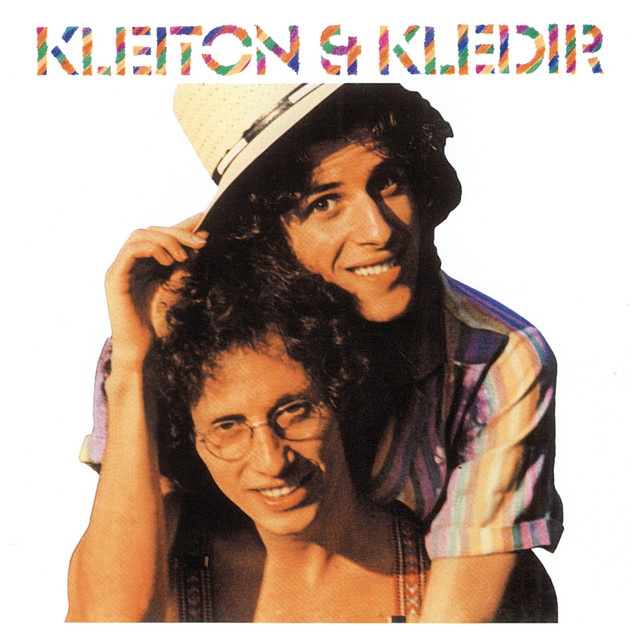


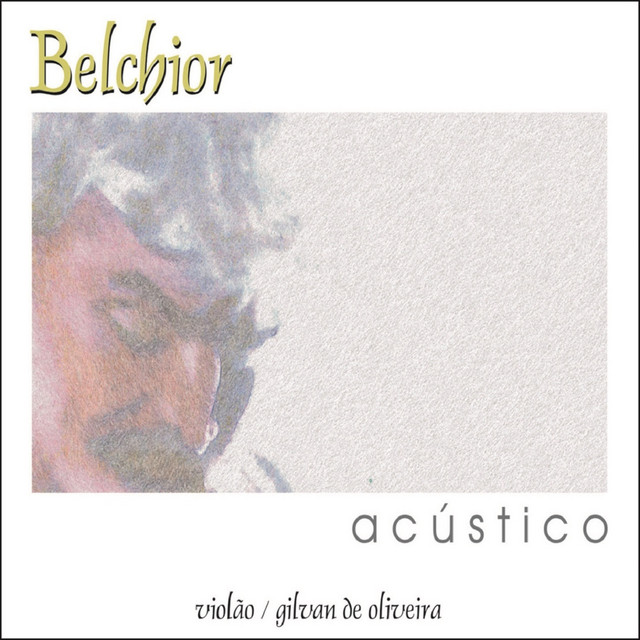

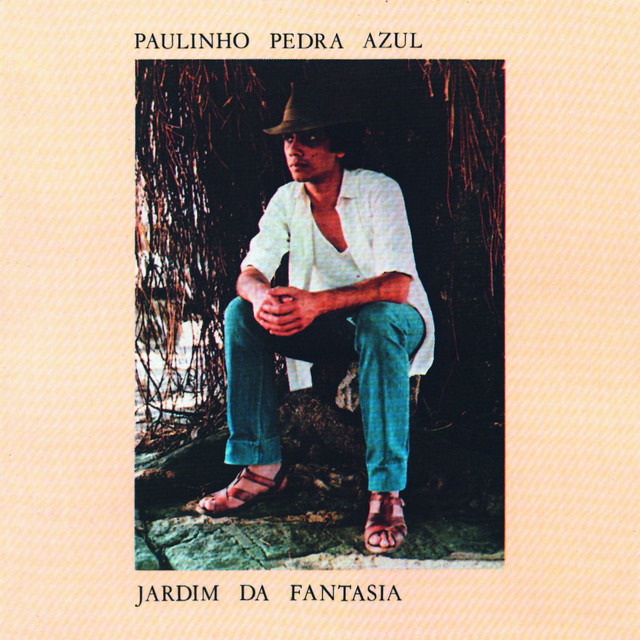
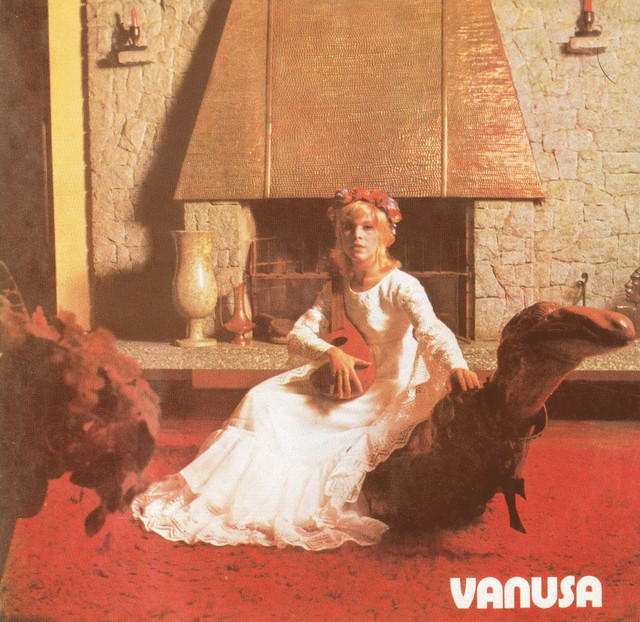
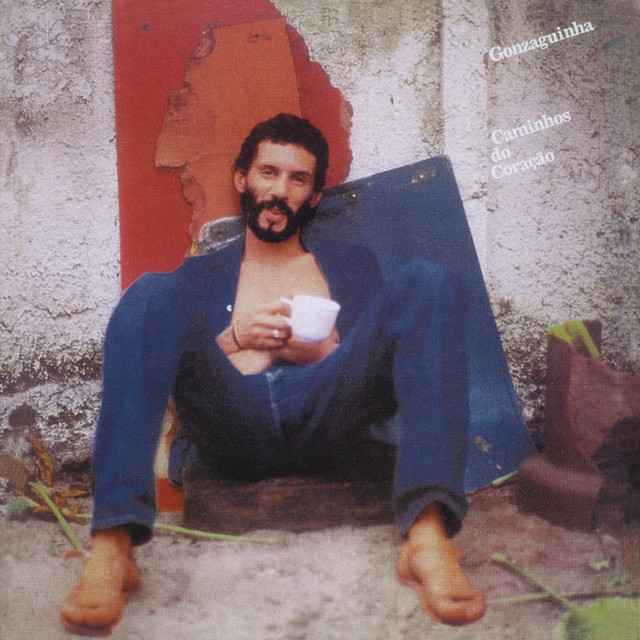
Gonzaguinha