
Data may be outdated
Last updated: 1 month ago — Click refresh to get the latest statistics.
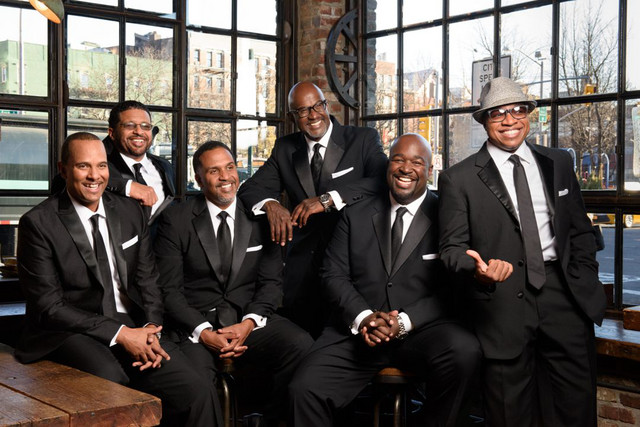
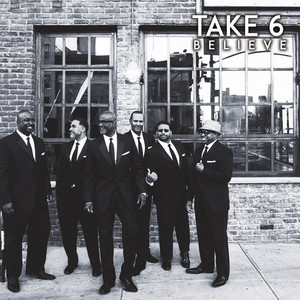
After that hot beginning, the group shifted over to <a href="spotify:search:label%3A%22Reprise%22">Reprise</a>, another <a href="spotify:search:label%3A%22Warner%22">Warner</a>-distributed imprint, and delivered six additional albums -- including a live recording and a pair of holiday releases -- through the early 2000s. They continued to combine genres and mixed traditional and original material. Although their releases didn't sell as well as the debut and follow-up, the group continually added to their collection of Grammy and Dove awards. They utilized instrumental backing, beginning with Join the Band (1994), and Brothers (1996), which indicated a sharper turn toward commercial R&B, though the group did so while retaining their identity. After Beautiful World (2002), released on <a href="spotify:search:label%3A%22Warner+Bros.%22">Warner Bros.</a> proper, Take 6 went independent. Among their more notable later releases were The Standard (2008), which featured appearances from <a href="spotify:artist:4N8BwYTEC6XqykGvXXlmfv">George Benson</a>, <a href="spotify:artist:49zXTngyUTielHTbbH5YKs">Roy Hargrove</a>, and <a href="spotify:artist:57ALvbCBaCkNlgTOSiUPdT">Aaron Neville</a>, and One (2012), highlighted by a collaboration with <a href="spotify:artist:7guDJrEfX3qb6FEbdPA5qi">Stevie Wonder</a>. They later signed with SoNo for Believe (2016), produced by label vice president and industry veteran Ross Vannelli. ~ Richard S. Ginell & Andy Kellman, Rovi
Monthly Listeners
95,366
Monthly Listeners History
Track the evolution of monthly listeners over the last 28 days.
Followers
77,438
Followers History
Track the evolution of followers over the last 28 days.
Total Streams
53.7 million
Total Streams History
Track the evolution of total streams over the last 28 days. This data is calculated from all tracks listed in the artist's discography.
Top Cities


Related Artists
Lalah Hathaway

Kings Return

Kirk Franklin & The Family














![Spread Love (The Re-Do) [2020]](https://i.scdn.co/image/ab67616d00001e0219733cb2f6e4c04cb3dc8079)


